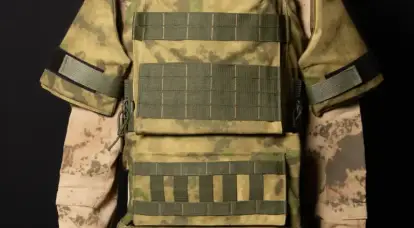
Modular protection systems "Broneplast MSZ"
Domestic manufacturers of body armor produce protective elements from all current materials, including high-strength polymers. An example of this approach is the modular protection system...
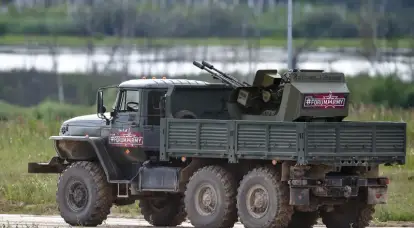
Cannons, machine guns and smokes: mobile anti-aircraft gun groups for combating UAVs
The Russian army is creating mobile anti-aircraft gun groups to combat enemy UAVs. In order to increase efficiency, such units include fire weapons and protection systems....
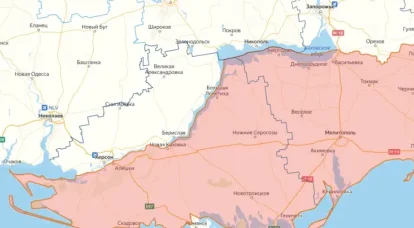
The Dnieper River Flotilla was formed
A new formation has appeared in the Russian Navy - the Dnieper River Flotilla. It will have to strengthen the group of troops participating in the Special Operation and give it new opportunities....
Enemies of the people: lovers of formations
About frankly outdated parts of the Charter that require changes, for which you have to pay with your lives...

Starlink communications in the Russian Armed Forces: risks, opportunities, consequences
Elon Musk denies his involvement in the supply of Starlink to Russia...
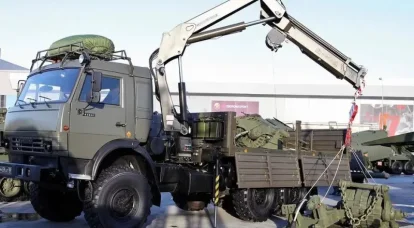
Military logistics of the Russian Armed Forces needs modernization
Without military transportation, success in war is impossible. Unfortunately, the Russian Armed Forces got stuck in organizing logistics in the early forties of the last century...
There needs to be reform...reform. The experience of the Northern Military District requires accelerating changes in the army
Quite a long time has passed since the “Serdyukov reform”. Enough time has passed since the start of the SVO. Already, errors have become visible that urgently need to be corrected...
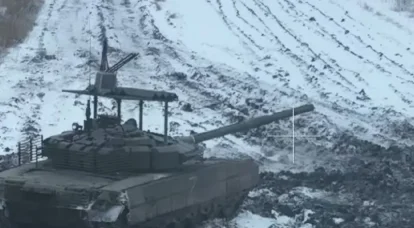
New formations and new equipment: plans for the development of the Russian armed forces for 2024
The Russian armed forces continue to develop and grow. As part of these processes, the formation of new connections and the supply of modern and promising material parts are planned for the new year 2024....
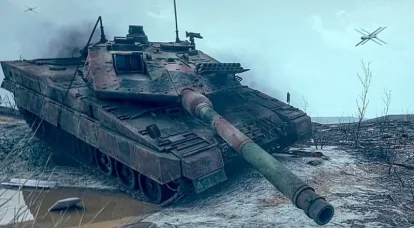
“Unmanned-centric” strike combined arms brigade of a new look based on the experience of the Northern Military District
About the appearance of troops in a new type of army based on the experience of the latest battles in Ukraine, as a subject for discussion and an example for the future...
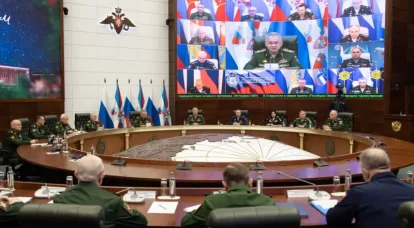
Figures and results: Ministry of Defense on the progress of the Special Operation in 2023
The Russian Ministry of Defense is summing up the interim results of the special military operation to protect Donbass for 2023. The leadership of the department named the main successes of the troops and also provided statistics....
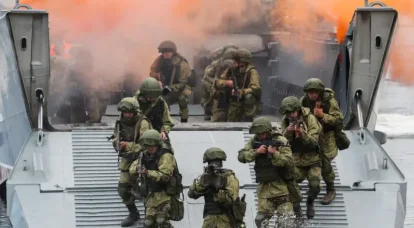
The Marines will become stronger. Once again about the marine divisions in the Russian Navy
Some details of the personnel composition of the new marine divisions of the Russian Navy have become known. How much will the new reforms strengthen the Marines...
Increase in numbers and new principles of recruitment: latest decisions in the field of recruitment of the armed forces
In the near future, the Russian army will again increase its strength. In addition, some principles of personnel recruitment will change - some decisions of this kind have already been made, while others are being...
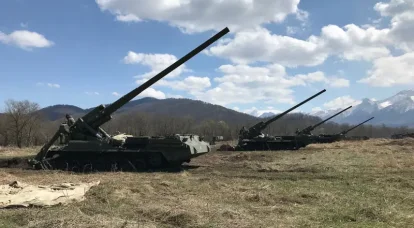
It's time for the heavyweights. On the creation of high-power artillery brigades in the Russian army
Well, the decision to continue the offensive has been made... Otherwise, why create a fist capable of breaking through almost any fortification...
The evolution of Russian loitering ammunition against the backdrop of the Special Operation
The Russian army is armed with several types of loitering ammunition. This class of equipment is actively developing and takes into account the accumulated experience of combat operations, as a result of which the troops...
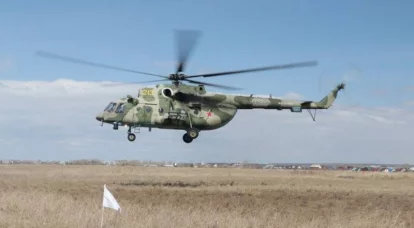
Helicopter squads versus unmanned boats
The Russian Navy has found a new way to combat unmanned enemy boats. Special detachments on transport and combat helicopters will search and destroy such objects....
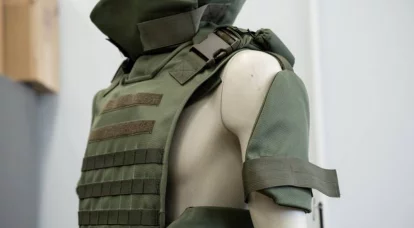
Body armor "Obereg" during testing and in the Special Operations area
This year, Russian industry has mastered the production of the new bulletproof vest “Obereg”. This product is already being supplied to the troops, and an improved version has also been developed....
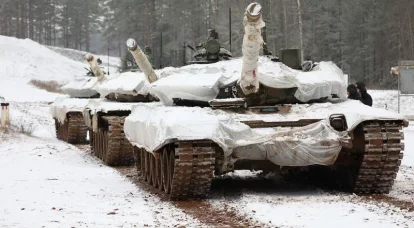
The Airborne Forces will be reinforced with additional tanks and their own helicopters
Taking into account the experience of past exercises and current military operations, the Ministry of Defense plans to once again strengthen the Airborne Forces. It is proposed to improve their combat capabilities through a larger number of tanks and their own...

Against snipers and optics. Scanning detector of surveillance equipment "SOSN-N"
Several years ago, Russian industry developed the SOSNA-N complex for detecting and neutralizing optical means. Recently, this product showed its capabilities as part of a Special Operation....
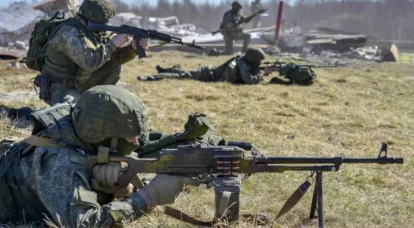
Each specialist knows his job. A little about assault formations in corps and armies
We finally realized that a military specialty is not just an entry on a military ID. This is precisely the specialization of a fighter. It was decided to create assault brigades in the corps and armies. The Moscow Region remembered that...
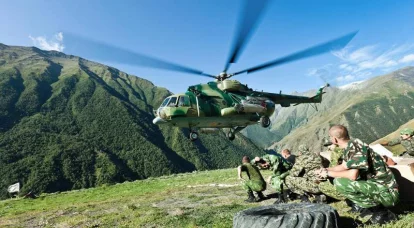
For those who didn't understand the first time. Second reading. When will border troops appear in Russia?
There are problems that seem to be solved and... not solved. Everyone understands the importance of the problem, they talk about its significance, but... One of these problems is the restoration of...
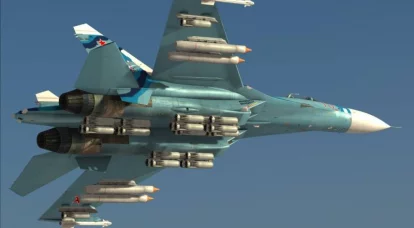
Perhaps the most important lesson of the SVO
On the importance of a systematic approach in the construction of aerospace forces...
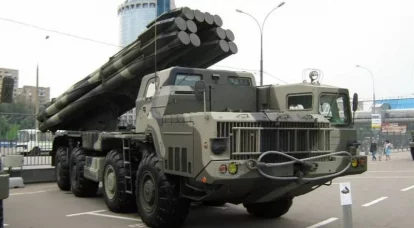
On the need to form artillery groups to isolate the combat area
For a successful offensive, our troops need to solve the problem of isolating the combat area. This is usually done by aviation. We will have to do this with rocket and cannon artillery...
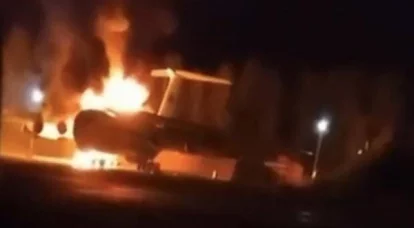
Why does August 2023 bring to mind June 1941?
Analytical reflections on the ashes in Pskov...
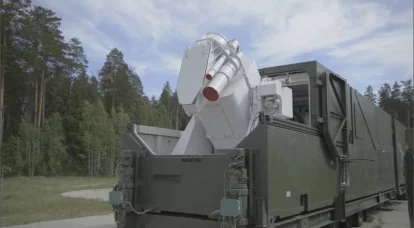
New domestic "laser gun" and prospects for the direction
The Russian defense industry continues to develop combat laser systems. The other day it became known about the next tests of such a product designed to combat UAVs ....
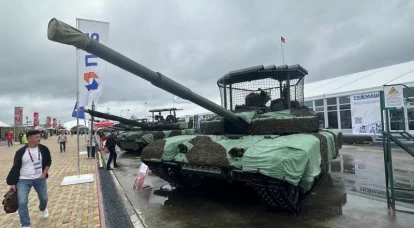
The experience of the Special Operation in the exhibits of "Army-2023"
At the Army-2023 forum, Russian industry demonstrated a lot of new developments. Some samples and systems were created recently, taking into account the experience of the ongoing Special Operation ....
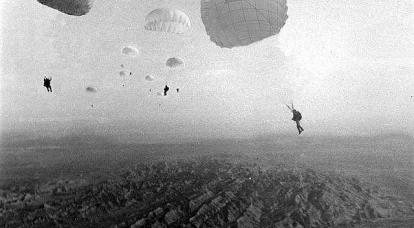
The revival of the role of the Airborne Forces in the Russian Armed Forces. About the 104th Guards Airborne Division
The 104th Airborne Division is being recreated... The former Kirovobad division of the USSR Airborne Forces. Finally, we have returned to understanding the importance of the classic airborne forces for the country's defense capability...
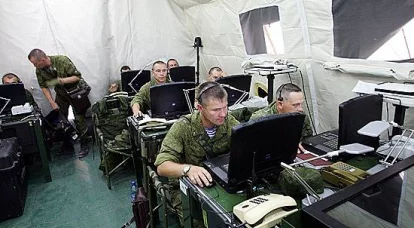
Automated control system "Cassiopeia-D" goes to the test
Tests of the promising automated command and control system Cassiopeia-D begin. In the future, this ACCS will go into service with the Airborne Forces and will replace the existing Andromeda-D system ....
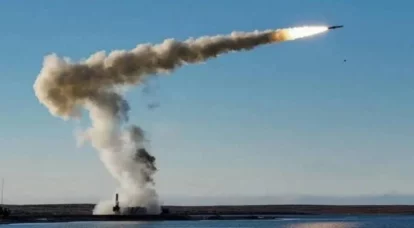
Elusive Destroyers and Their Enemies
Why modern Western air defense systems are powerless against Russian missiles...
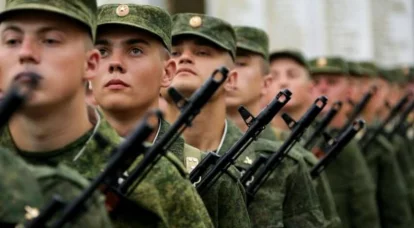
Instead of mobilization: new rules for military service
Russia is preparing for a permanent confrontation with Ukraine. Only a significant increase in the personnel of the Russian army can reverse the situation that has developed on the fronts. In this case, no...
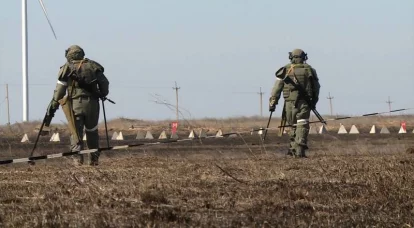
Nightmare on the battlefield. Russian sappers staged hell for the advancing
We hear about the actions of attack aircraft, tankers, paratroopers almost daily. But about those who go ahead of these heroes, about sappers, we write undeservedly little. Meanwhile, there is not a single operation where ...
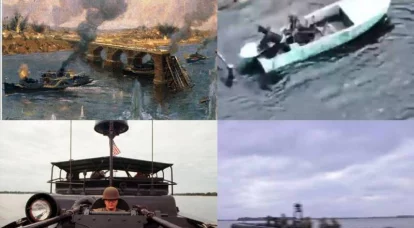
Dnieper flotilla - 2023 for NWO
From the report of Kom. Black Sea Fleet to Headquarters in the fall of 1943: “We are fighting on carts against tanks” (about the battles of boats in the Kerch Strait). After 80 years, the same situation has developed on the Dnieper ...
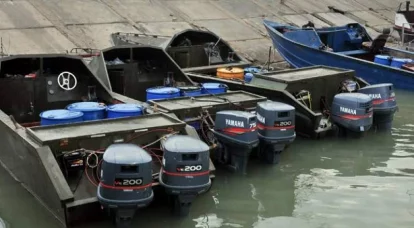
Boats that were needed yesterday
Boats on the Dnieper. A problem that appeared out of nowhere. In fact, this problem has been around for quite a few months now. And everyone knows about it. It’s just that before the dam was blown up, we coped, not even ...