

On the development trends of US carrier-based aviation in light of the development of the newest F/A-XX
The Americans have finally "matured" to the point of creating a new carrier-based fighter...
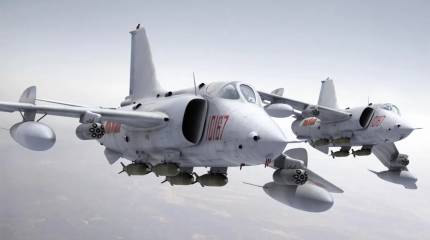
Production, operation and export of Chinese Q-5 attack aircraft
The Q-5 attack aircraft is the first combat aircraft developed in China. This aircraft served in the PLAAF for nearly half a century, and was supplied to friendly countries, where it was used in domestic...

Su-57 modernization: how was it supposed to be done?
Russia is improving the Su-57 program by introducing a new configuration based on operational experience.

Guys, what's wrong with the litaks?
Ukraine's F-16s are in crisis: more than half of the aging fighters have been decommissioned, and its air-to-air missile reserves are also running low.

Production, operation and export of Chinese J-5 and J-6 fighters
From the 1960s to the 1980s, the J-5 (a copy of the MiG-17) and J-6 (a copy of the MiG-19) fighters formed the backbone of the PLAAF. These aircraft were also exported and popular in Third World countries.
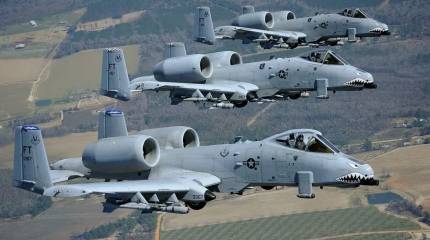
Too long a goodbye
The US continues to phase out A-10 strike aircraft and specialized close air support assets.
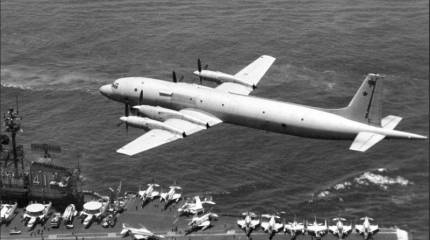
65 years since its first flight: How the Il-38 waited more than seven years for the Berkut – and what came of it
In the fall of 1961, the prototype took to the air ahead of its scheduled submission for state testing. But without buoys, radar, or computer, it was a plane without a profession.

Welcome to 1992: F-16 instead of F-35!
The development of the F-16G could be part of the Air Force's solution to the problem of trying to grow its aging fighter fleet.

Why did the variable-sweep wing survive on large aircraft?
During testing in the late 1960s, Soviet designers closed avenue after avenue: lift engines on the prototype 23-01 (MiG-23PD)—no, lift engines on the T-6-1—no. The variable-wing...

Panic in the US Congress: Not enough planes!
American congressmen are on edge: the US Air Force's fighter fleet is below the minimum established by Congress, and the planes it does have are frankly old...
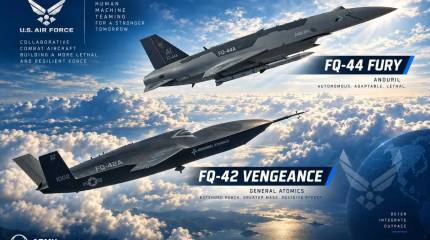
500 - one! 500 - two! Sold!!!
The US Air Force plans to have 1000 autonomous combat aircraft by 2032, 500 of which will be operational.
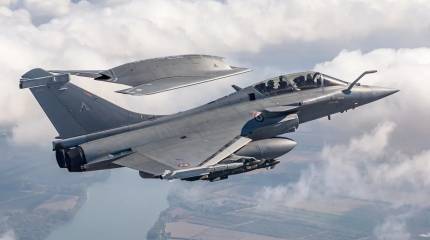
When the Gallic cock really pecked
France is accelerating the modernization of the Rafale F5 after the collapse of the FCAS project to create a sixth-generation fighter....
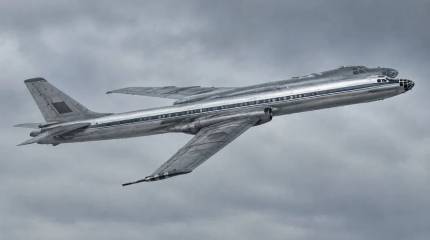
A new fuselage on someone else's wings: at what engineering cost did the Tu-104 usher in the jet age?
The Tu-104 had a new fuselage, a new center section, and a new layout—but it inherited its wings, tail unit, and engines from the Tu-16 bomber, and it was this choice that ushered the Soviet navy into the jet age...
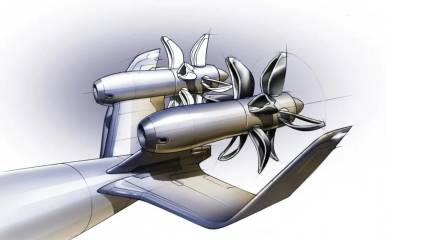
The 21st Century Propeller
The jet age threatened to retire propeller-driven aircraft. But the propeller has carved out a solid niche in the aviation industry, and recently, it has attracted particular hope.
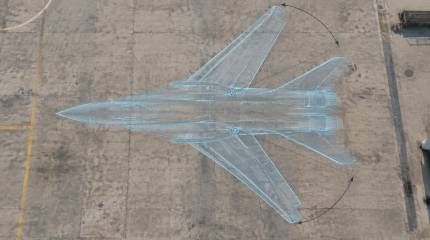
How Mikoyan and Sukhoi Design Bureaus Achieved Variable-Sweep Wings
Soviet designers in the 1960s had little time for mistakes: both design bureaus—Mikoyan and Sukhoi—tested designs with lift engines, but the variants with variable sweep were the ones that went into production.

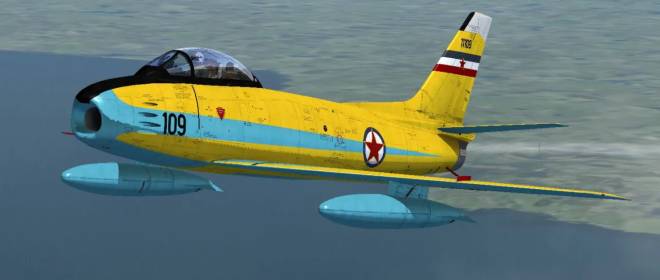
Fighter, fighter-bomber and attack aviation of Yugoslavia, Serbia and Croatia
Since the mid-1960s, the Soviet MiG-21 has formed the core of the SFRY's fighter fleet. Serbia currently operates MiG-29s and is awaiting delivery of French Dassault Rafales.
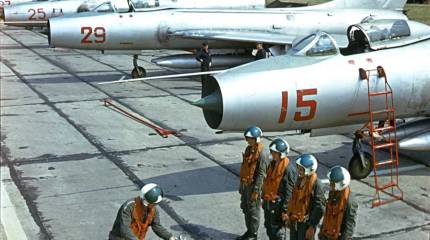
The Origins of the Soviet Tilt-Wing: From the Bell X-5 to the Su-7IG
On August 2, 1966, the first Soviet aircraft with a wing that could change its sweep in flight took to the air. It wasn't the entire wing that could rotate, only the outer section—a clever trick that allowed it to...
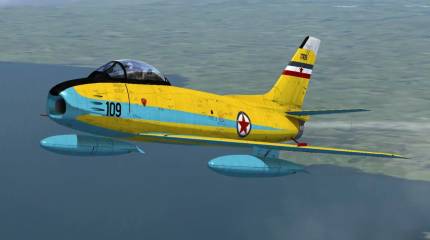
Fighter aviation of the Socialist Federal Republic of Yugoslavia in the 1940s and 1950s
In the late 1940s, Yugoslavia operated Soviet, British, and German fighter aircraft. In the 1950s, due to the inability to acquire Soviet aircraft, they began purchasing them from the United States.
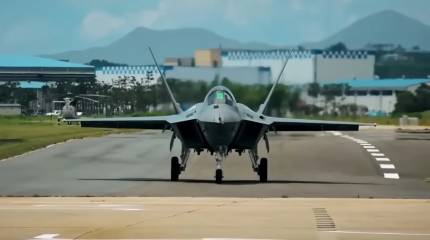
Not just fighters, not just sixth generation
A study of South Korea's sixth-generation fighter jet reveals a broader strategic push by South Korea into the global arms market...
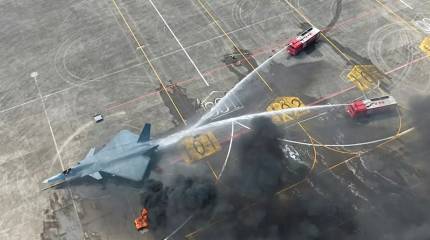
The box was opened very simply!
The fog over the images of strange Chinese devices, which had held intrigue for several years, has been cleared...

Premature Swedish pride: The world's largest electric plane, the X1, has taken to the skies.
Small aircraft have switched entirely to lithium-ion batteries, and the next step is for "adult" segment devices capable of handling serious loads. Swedish...
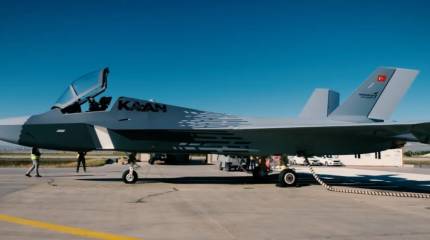
KAAN: A cause for concern, especially for NATO allies
Demonstration tests of the prototype of the Turkish KAAN P1 fighter jet revealed significant progress in the development of the Turkish aviation industry....
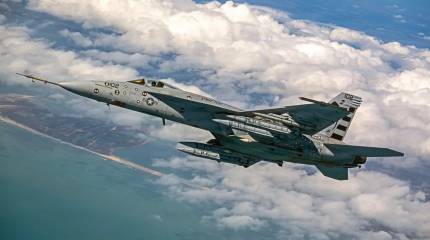
Wide-range long-range interceptor missile
The AIM-424 is nearly twice as large in diameter as the AMRAAM, but only 12 percent longer: an unusual proportion for a missile, which the US Navy has not commented on...

Kijiji, Calabaru, and Kangaroo vs. Panda
Japan's E-2D links Australia and the Philippines in the emerging Indo-Pacific air defense network.