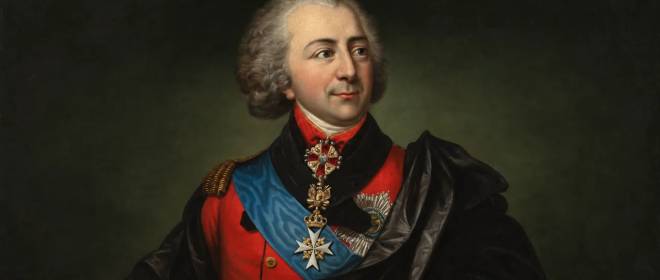

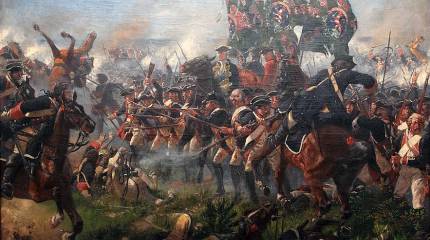
Kunersdorf: The day the Russian army withstood Europe's finest army
On August 12, 1759, Europe's finest army lost up to two-fifths of its strength in a single day. A post-battle analysis of the battle, where terrain proved more powerful than training...
What do the notches on sword blades tell us? First, on bronze ones.
The sword is rightfully considered one of the most ancient weapons, though not the most ancient. Swords found in burials by archaeologists date back to both the Ancient World and the early...
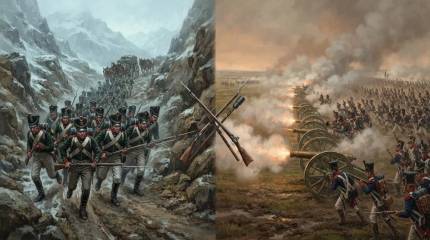
Bullets and Bayonets: Suvorov's Formula and Napoleonic Fire
The famous "bullet is a fool, bayonet is a fine fellow" is not a hymn to cold steel, but a truncated half of Suvorov's instruction on fire economy, and it is precisely in relation to the bullet and bayonet that the two types most clearly diverge...
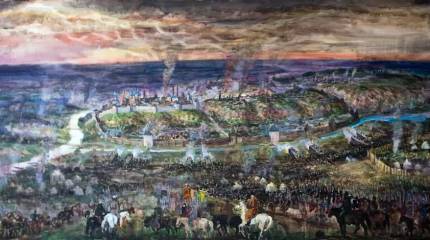
The collapse of Khan's Kazan: the Russian city on Kazan Hill and the transition of the Cheremis and Chuvash to Moscow's control
The completion of Ivan the Terrible's Sviyazhsk operation in 1551 and the design features of the Sviyazhsk fortress....
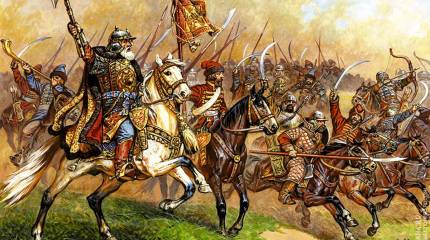
Neither Europe nor the steppe: how the Russian army was formed in the 15th–16th centuries
The Russian army of the 15th and 16th centuries was neither a "sub-knighthood" nor a "half-horde"—it was an independent military system, where the estate, the city, and the royal service were held together by a single, continuous axis, the name of which is...
Find a woman in Mongolian
Outstanding women, either Christians or those who actively collaborated with them, played an important role in the political life of the Mongol Empire. Some of them will be discussed in this article.
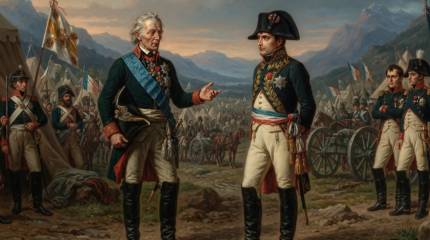
Suvorov and Napoleon: Why Antipodes Explain Each Other
A reader suggested comparing Suvorov with Napoleon—and it turned out that the difference between them stemmed not from talent, but from roads, supply trains, and the weight of the gun carriage...
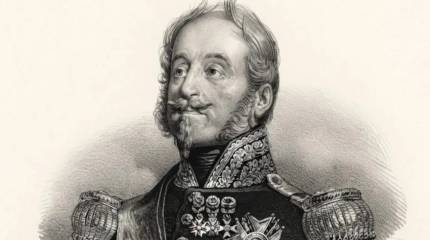
Claude-Pierre Pajol. The peak of the career of the brilliant cavalry general in Bonaparte's army.
Napoleon once said of the article's hero: "If all my generals fought like Pajol, there would be no enemy in France."
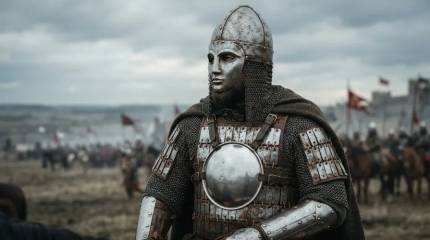
A plate constructor that replaced chainmail in Rus'
By the 13th century, the Russian elite warrior was clad in iron from head to shin, and the change in the chronicle's word "armor" to "plate armor" marks an entire era: chainmail was replaced by plates, and the new complex became...

The structure of the Soviet special propaganda apparatus at the beginning of the Great Patriotic War
This article will reveal which agencies developed and implemented information and psychological warfare against enemy troops.

The armored cruiser Bayan. Rescue of the sailors of the "Terrible"
On the actions of the cruiser Bayan during the command of S. O. Makarov...

What Survived Suvorov: Two Legacies in the 19th-Century Russian Army
Suvorov did not leave the army a ready-made system—he left behind the "Science of Victory" and a legend about himself, and the 19th century inherited them separately: a canon that became part of the regulations, and a myth that obscured what stood behind it...

Vietnam: The Battle of the Ia Drang Valley. Stand through the night and hold out for the day...
At 15:00 PM, the cavalry lost their second helicopter: pilot Donald Estes missed the landing zone and landed in a hot zone instead of a safe one. The pilots and troops survived, but not the helicopter.
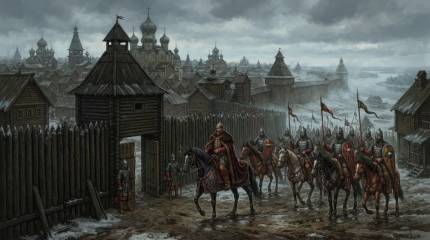
Who held arms in the Russian city: the estate, the veche, and the boyar cavalry
The murder of Andrei Bogolyubsky in 1174 was committed not by the mob, but by the equestrian boyar elite—and this is the key to understanding how the Russian city of the 12th–14th centuries gathered troops through the same connections that facilitated trade and...
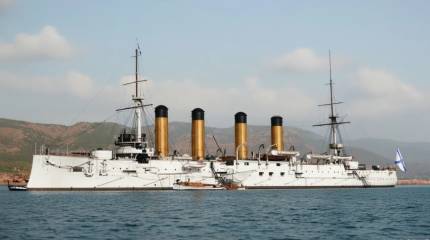
Armored cruiser Bayan in battle on February 12, 1904.
A little about how three Russian cruisers engaged the main forces of the Japanese fleet...
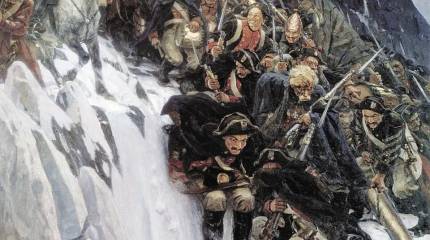
A mountain that is not climbed frontally
Italy and Switzerland in 1799: How Suvorov's assault tactics stood the test of mobile warfare in the mountains...
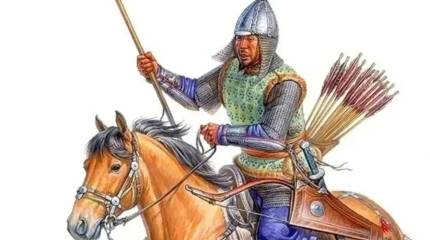
The glorification of Prince Ireniak as an example of the falsification of history
Distortion of history sometimes occurs not only with global events, but also with individuals on a local or regional scale. A striking example of the falsification of history is the attempt to glorify...
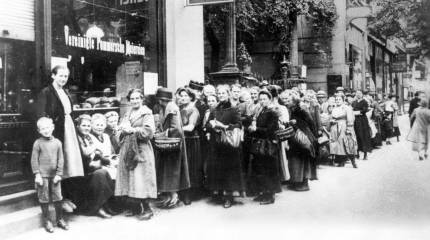
"Many enemies – much honor!": sentiment in Germany during the Great War and the impact of the economic blockade
How did German attitudes toward World War I change? Many historians argue that the decisive factor in changing the daily lives of the population and Germany's defeat was the blockade—to what extent...
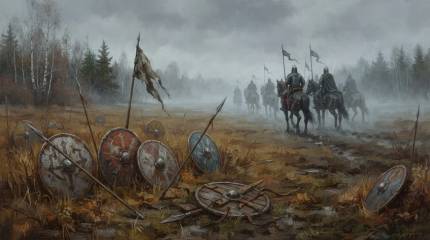
From Squad to Cavalry: How the Horseman Reshaped Russian Society
Over the course of two centuries, cavalry went from being the privilege of a few to becoming the main force of war—and rewrote Russian society down to the very last line of law...
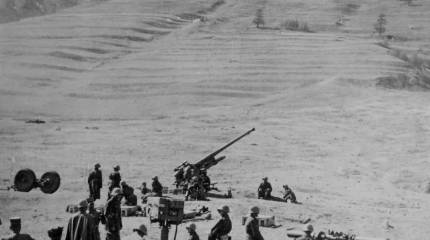
Why Hitler didn't touch Switzerland and Sweden
Why did Hitler, having conquered and subjugated almost all of Europe, leave Switzerland and Sweden alone? Was it because of their neutrality, their skillful diplomacy, and the difficulty of capturing mountainous regions?
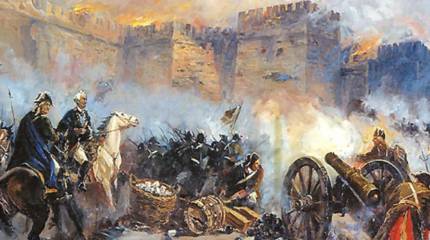
Turkey's Tactical Lessons: How Suvorov Wasted His Enemy's Time
Izmail, Rymnik, and Kinburn demonstrated the essence of the Suvorov method: the outcome is determined not by numbers, but by who manages time, their own and that of others...

The brilliant Napoleonic cavalry commander Claude-Pierre Pajol
Bonaparte highly valued the military talents of Claude-Pierre Pajol, but this general invariably remains in the shadow of the imperial marshals...
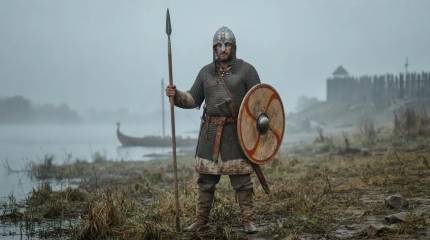
One Hundred Swords for All of Rus': What the Military Squad of the 10th–11th Centuries Actually Waged
Archaeologists have counted just over a hundred Carolingian-style swords in all of Kievan Rus'—and all the other iron on a warrior's body served as a passport, indicating both his place in the warrior's ranks and...
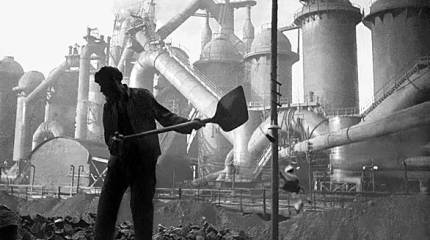
Industrial romance with America
These days, there's a debate about the role of foreign specialists in the development of Russia's modern economy. However, during the late 1920s and early 1930s, communists in the Soviet Union did not...