Isabella I la Catolica: the infanta becomes queen
The return of Infanta Isabella to court, marriage against the will of the king, accession to the throne, war with Portugal, family life and the fate of children...
The role of Umberto Nobile and Felice Troiani in the development of Soviet-Italian cooperation in the field of airship construction
What role did Umberto Nobile and Felice Troiani play in the development of Soviet airship construction? Why did Nobile agree to head Dirigiblestroy and how did he feel about the USSR? Like the conflict between Nobile and...
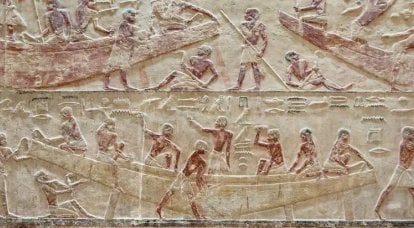
Journey to the Ancestors: Pharaoh's Cedar Boat
On May 26, 1954, the “Solar Boat” of Pharaoh Cheops was discovered next to the Great Pyramid....
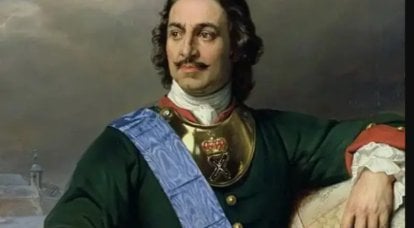
Petrine system made the Russian army invincible
310 years ago, Russian Tsar Peter I issued a decree prohibiting the assignment of officer ranks to nobles who had not served as soldiers...
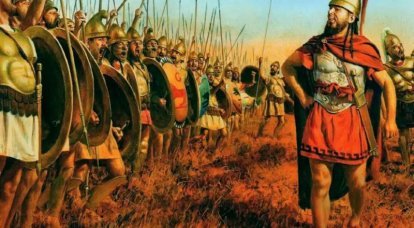
The beginning of the activities of Xanthippus the Lacedaemonian in Carthage during the First Punic War
Having defeated in 256 BC. e. the Punic fleet in the battle of Cape Eknom, Rome lands an army in North Africa under the command of the consuls Marcus Atilius Regulus and Lucius Manlius Vulso, intending...
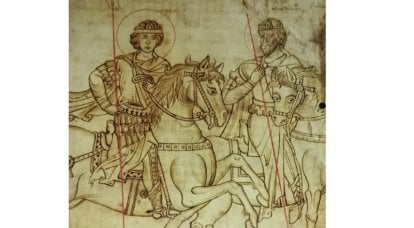
Constantinople of the 12th century: on the road to disaster
Continuation of the series “Siege of Constantinople”. We will talk about sieges and threats of sieges to which the city of Constantine was subjected in the second half of the 12th century...
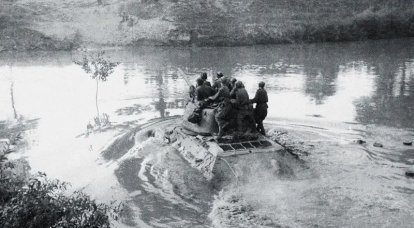
How Zhukov defeated Army Group South on the Right Bank
80 years ago, the Proskurovo-Chernivtsi operation of Soviet troops began. The 1st Ukrainian Front under the command of Zhukov liberated a significant part of Right Bank Ukraine from the Nazis and reached...
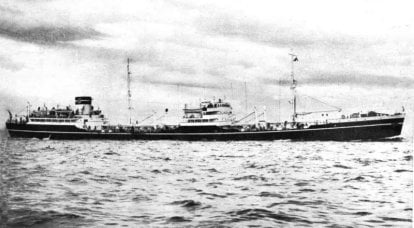
Oil in Italy: untimely discoveries
Geology is a very powerful but greatly underestimated factor in the history of World War II. If large oil and gas reserves had been discovered in Italy before the war, there might not have been an alliance with Germany...
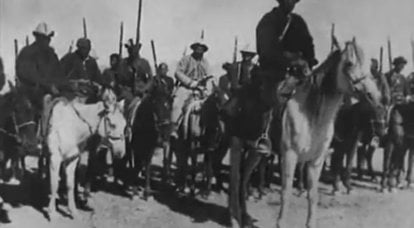
The black myth of the “national liberation uprising of the Kyrgyz people against tsarism” in 1916
In the former national outskirts of Russia-USSR in Central Asia, a black myth about the “Russian colonial past” was formed....
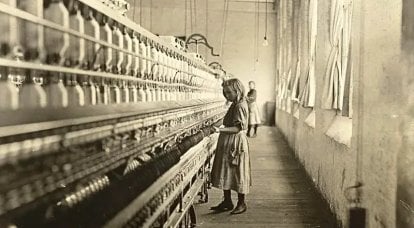
Child labor in Western countries
Child labor of the 19th century: the example of England, the USA and France....
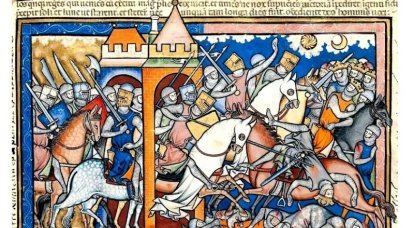
Constantinople is under crusader threat. 12th century
During the First Crusade, and following it, Constantinople was able to regain control over the western part of Asia Minor. The empire and the army rose from the ashes, and some of the violent people became their vassals...
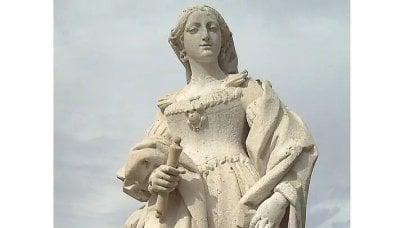
Isabella of Castile. Childhood and youth of the famous Catholic Queen
Isabella of Castile and the distorting mirror of the Black Spanish Legend. The childhood of the great queen: a disgraced infanta who was not recognized by her own mother, Torquemada’s pupil and pupil...
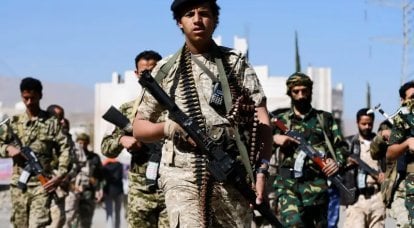
The Houthis in retrospect
Perhaps everyone has heard about the Houthis, even distant fellow citizens from politics; but what kind of movement this is, what its origins are and what it fights for is not known to everyone...
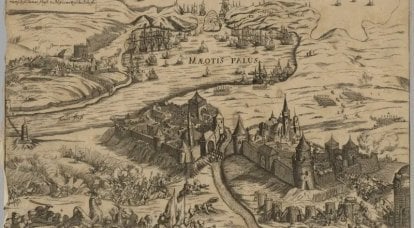
Azov campaigns of Peter I: how the tsar learned from his own mistakes
The first military campaign of Peter I. How the tsar drew conclusions from his own failures....
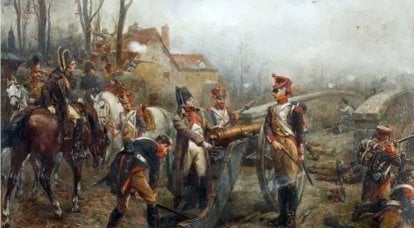
“The core that will kill me has not yet been cast!”
Allied disagreements and the lack of unity of command had a negative impact on the conduct of military operations. Napoleon defeated Schwarzenberg's corps at Morman and Montreux, repelling the first attack on Paris...
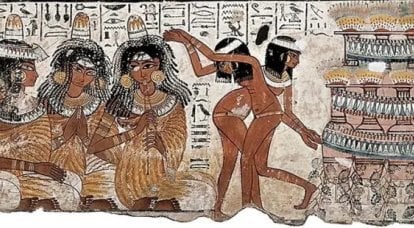
Expedition to the ancestors. The life of the ancient Egyptians: first work, then fun
The Egyptians loved and knew how to have fun, and we know this from the frescoes on the walls of their tombs, that is, they tried to take with them to the other world everything that gave them pleasure during life...
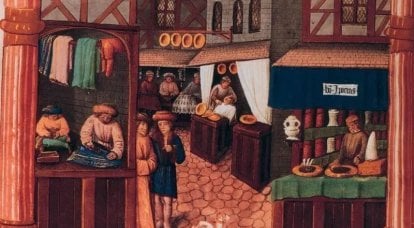
Merchants in the Middle Ages
In the Middle Ages, merchants had a bad reputation, thanks to the feudal system that existed then. According to feudalism, your importance and social status depended on how much...
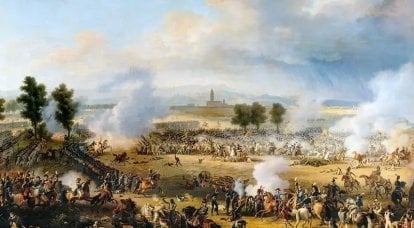
The Russian-French alliance and the failed campaign in India: what Paul I and Napoleon agreed on
It is known that Napoleon was not eager to fight with Russia and therefore entered into an alliance with her twice: in 1800 and 1807. What did all this lead to and could lead to if allied relations...
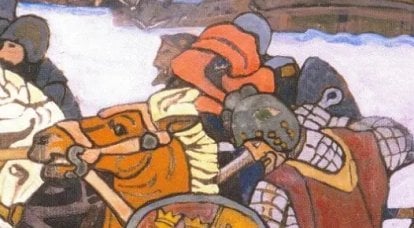
Earl Birger Magnusson. King without a crown
The most famous ruler of Sweden in our country is Charles XII, but the second place went to Jarl Birger, who lived back in the 13th century...
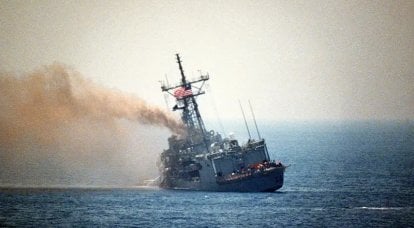
Frigate USS Stark. Consequences of the attack
Five people ended up overboard, falling through a hole on the left side, and were later picked up from the water...
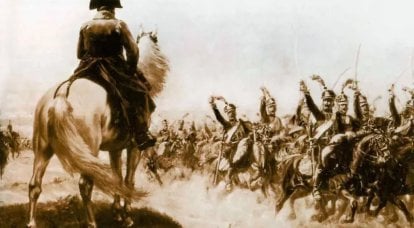
Napoleon's Six Day War
210 years ago, Napoleon defeated the Silesian Prussian-Russian army of Blucher in four battles. These hostilities were called Napoleon's Six Day War...
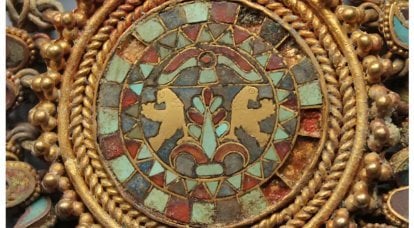
Amazons - warriors of Scythia
Use your imagination - we are going to the 7th century. BC uh....

The illusion of a capitalist paradise that destroyed Soviet civilization
The image of a capitalist paradise turned out to be more attractive and beautiful than Soviet reality. Now any Soviet worker or employee knew that “life is better with them”...