Russia systematically modernizes its own nuclear deterrent forces
For many years, land-based ICBMs have been the largest component of the strategic triad of the USSR. At the peak of the Cold War, the Strategic Missile Forces included up to 1400 ICBMs with 6600 warheads with nuclear warheads mounted on them. Many years have passed since then, the wall of the Iron Curtain has fallen, the cold war has become one of the landmarks storiesbut today, the Russian Strategic Missile Forces are the largest component of the triad and include roughly 370 deployed ICBMs with 1300 warheads installed.
In the past year, the old ICBMs with an MIRPH-IN-UR-100NUTTH and P-36М2, armed with 80% of the warheads of the entire strategic arsenal, were armed with the RVSN. P-36М2 missiles can be in service until 2025 year.
Literally the other day in the Teikov missile division, which is deployed in the Ivanovo region, the third missile division armed with Yars complexes was taken on combat duty, said Colonel Vadim Koval, official representative of the information management and press service of the Russian Ministry of Defense for Strategic Rocket Forces.
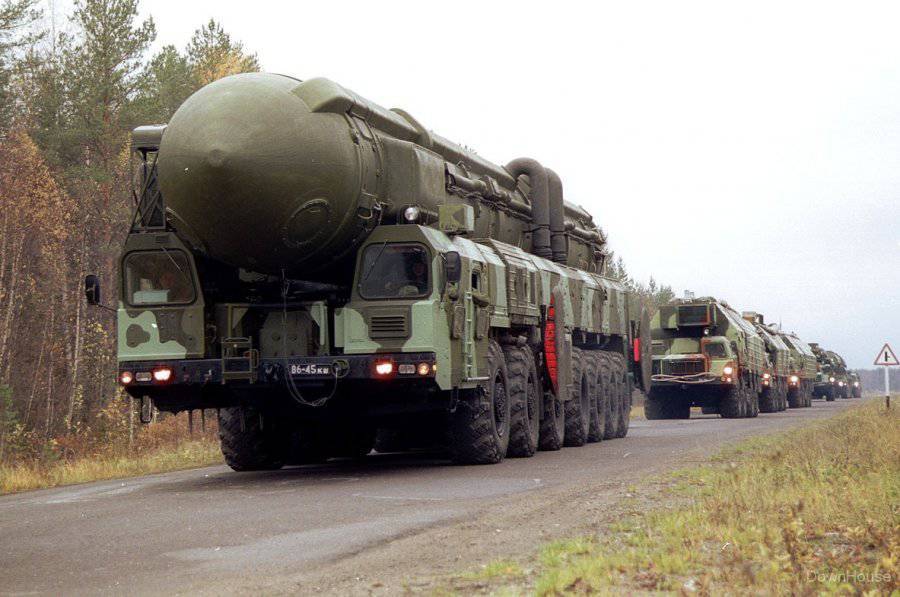
The first two divisions, armed with Yars complexes with an intercontinental ballistic missile such as RS-24 and 4, in March of this year, took up combat duty. As reported earlier by the Ministry of Defense, since 2010, these missile divisions have performed preliminary tasks of experimental combat duty. During this period, all previously declared tactical, technical and combat characteristics of the missile complex were confirmed, and all tasks that confirmed the reliability and importance of the new weapons were tested. Thanks to this, according to V. Koval, a separate missile regiment, equipped with new complexes, appeared first in the Russian Armed Forces. Now he is in full staff performing the tasks associated with the performance of combat duty.
An equally important role in the overall complex of the Strategic Missile Forces is played by another ICBM - the Topol mobile strategic missile, the completion of which will occur approximately in the period from 2012 to 2017. In the 1997 year, for its full-scale replacement, Russia created a completely new ICBM Topol-M, which can be installed on mobile ground and stationary mine PUs. At the same time, this light monoblock missile, taking into account its combat characteristics, cannot replace heavier ICBMs with an MWRHL of the IN as the UR-100НУТТХ and Р-36М2. These missiles were installed in stationary mines since the 1997 year, in the 2006 year mobile launchers were deployed. By the 2010, the RVSN had only 68 missiles of this class in service. To replace the obsolete heavy ICBMs, it was decided to develop a modern heavy liquid ICBM of stationary silo-based, which should come into service after about 2016 year
The ballistic missile, which was adopted by the Yars RS-24 complex with a divided main head, was designed on the basis of technological and scientific-technical solutions that were embodied in the Topol-M missile system. In the new rocket, the designers laid down the technical characteristics that make it virtually invulnerable at each stage of the flight - from launch to destruction of the target. “It is necessary to note the important ability of the new missiles to remain invulnerable until launch due to mobility and, if necessary, to solve the problem of breaking through any missile defense system promising in the coming 15-20 years. To solve the complex problem of a breakthrough of missile defense, the designers have provided such technical characteristics that make it possible to talk about the invulnerability of Russian missiles, ”said the Commander of the Missile Forces, Lieutenant General Sergei Karakaev.
He also explained that the Yars ICBM is practically invulnerable to missile defense systems, including at the starting acceleration stage, which is the most vulnerable for her flight stage, when the required speed is reached before the combat unit dilution mode. Modern ICBMs “have the shortest accelerating flight segment, which is significantly shorter in duration than the old types of missiles possessed”. “At the extremely short section of the rocket, they actively maneuver along the course and height, making it impossible to accurately predict the point of contact for the interceptor,” the commander explained.
At the first stage, which the professionals call “active”, the rocket instantly picks up speed, which allows the combat units to reach an object located at a distance of several thousand kilometers from the launcher. At the same time, they should be distinguished from a number of false targets, at the same time coping with the action of active jamming stations, which greatly complicate radar searches for guidance systems. The RS-24 rocket has an initial, accelerating stage of flight that takes a short time, so the enemy has virtually no chance of knocking down the rocket during the first minutes after launch. In the West, this rocket is classified as the most dangerous species. weapons and referred to as "Satan."
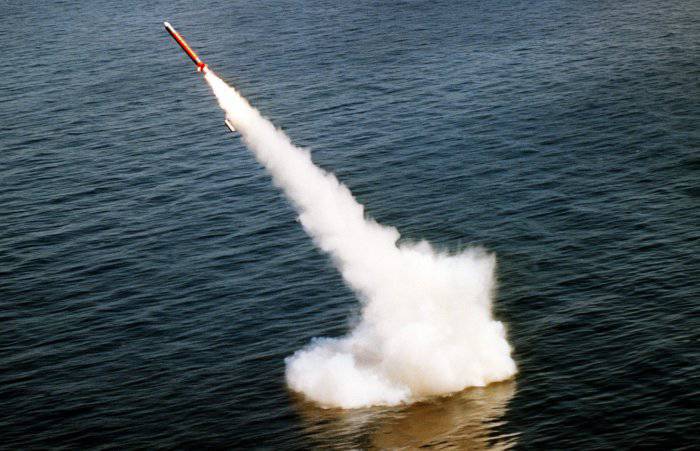
At the same time, work on strengthening the land systems of the Strategic Missile Forces in Russia is not limited to one. Considerable attention is also paid to strengthening positions in the open sea. The main efforts in this case are aimed at the continued operation of the 6-x SSBN of the 667BDRM project and the construction of a series of 8-x SSBNs of the 955 project. In order to extend the operation of the 667BDRM submarines, production of the Sineva R-29РМ Sineva was resumed. By the 2011, 5 from 6 submarines were converted to a new type of missile. Each boat on board carries 16 missiles, the total number of warheads is 384, submarines can be in service in the period up to 2020 year, and possibly longer.
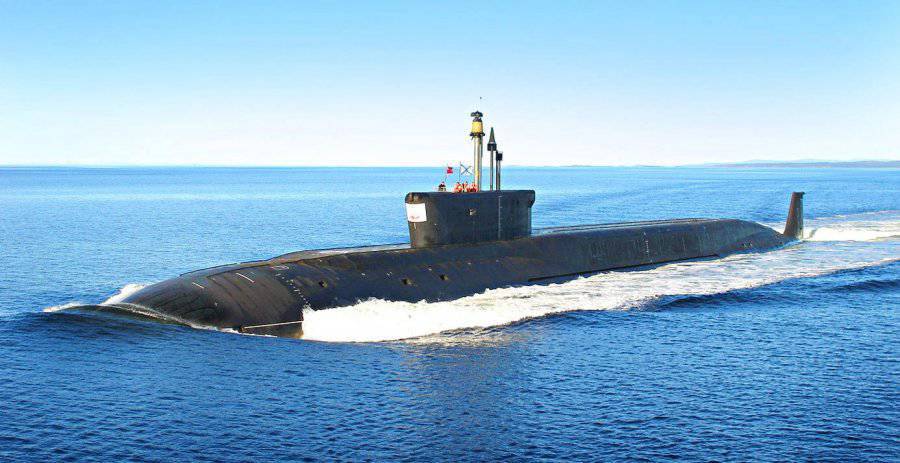
To replace the submarines of this type, submarines of the 955 "Borey" and "Yuri Dolgoruky" project are being built in Russia. This year, tests of the new Bulava solid-propellant SLBM should be completed, which will be installed on the submarines of the 955 project. From the 12 test launches that were carried out in 2005-2009, 8 ended in failure, and only one launch was considered successful. In the case of the continuation of successful tests "Bulava" its carrier SSBN "Yuri Dolgoruky" will be accepted for service next year.
In the past year, the old ICBMs with an MIRPH-IN-UR-100NUTTH and P-36М2, armed with 80% of the warheads of the entire strategic arsenal, were armed with the RVSN. P-36М2 missiles can be in service until 2025 year.
Literally the other day in the Teikov missile division, which is deployed in the Ivanovo region, the third missile division armed with Yars complexes was taken on combat duty, said Colonel Vadim Koval, official representative of the information management and press service of the Russian Ministry of Defense for Strategic Rocket Forces.
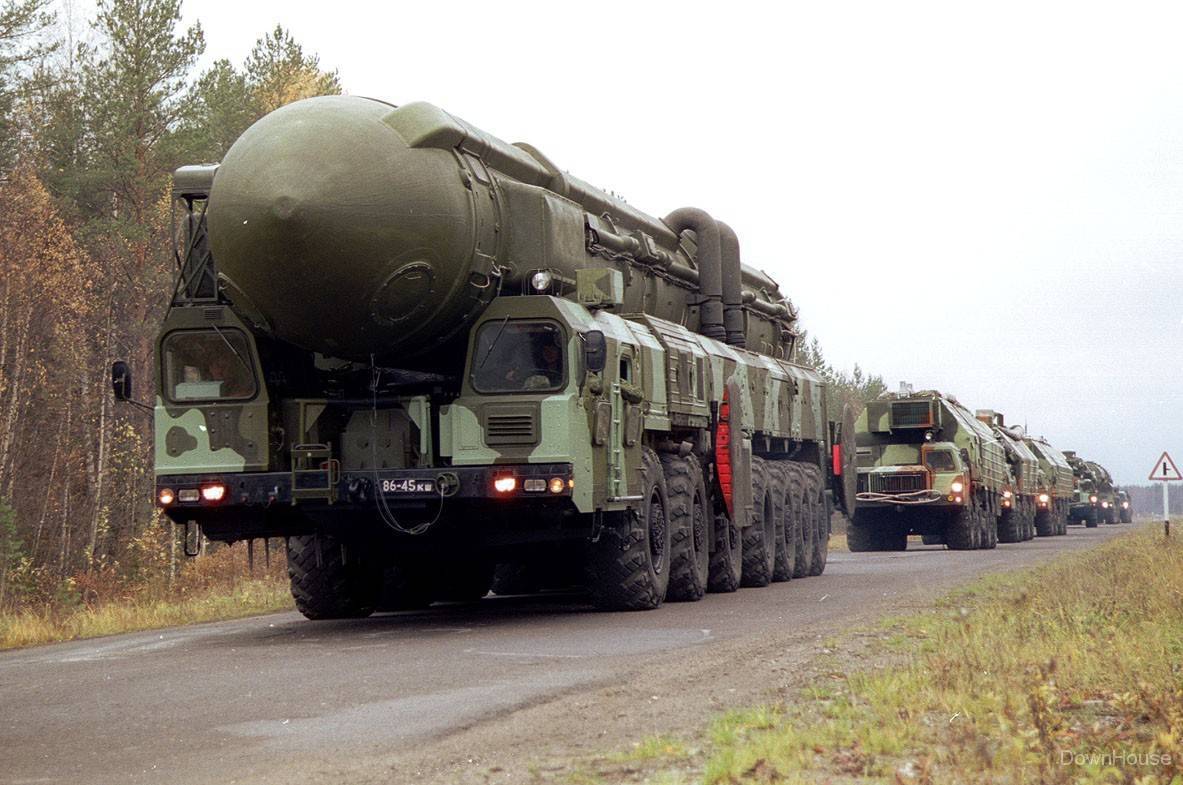
The first two divisions, armed with Yars complexes with an intercontinental ballistic missile such as RS-24 and 4, in March of this year, took up combat duty. As reported earlier by the Ministry of Defense, since 2010, these missile divisions have performed preliminary tasks of experimental combat duty. During this period, all previously declared tactical, technical and combat characteristics of the missile complex were confirmed, and all tasks that confirmed the reliability and importance of the new weapons were tested. Thanks to this, according to V. Koval, a separate missile regiment, equipped with new complexes, appeared first in the Russian Armed Forces. Now he is in full staff performing the tasks associated with the performance of combat duty.
An equally important role in the overall complex of the Strategic Missile Forces is played by another ICBM - the Topol mobile strategic missile, the completion of which will occur approximately in the period from 2012 to 2017. In the 1997 year, for its full-scale replacement, Russia created a completely new ICBM Topol-M, which can be installed on mobile ground and stationary mine PUs. At the same time, this light monoblock missile, taking into account its combat characteristics, cannot replace heavier ICBMs with an MWRHL of the IN as the UR-100НУТТХ and Р-36М2. These missiles were installed in stationary mines since the 1997 year, in the 2006 year mobile launchers were deployed. By the 2010, the RVSN had only 68 missiles of this class in service. To replace the obsolete heavy ICBMs, it was decided to develop a modern heavy liquid ICBM of stationary silo-based, which should come into service after about 2016 year
The ballistic missile, which was adopted by the Yars RS-24 complex with a divided main head, was designed on the basis of technological and scientific-technical solutions that were embodied in the Topol-M missile system. In the new rocket, the designers laid down the technical characteristics that make it virtually invulnerable at each stage of the flight - from launch to destruction of the target. “It is necessary to note the important ability of the new missiles to remain invulnerable until launch due to mobility and, if necessary, to solve the problem of breaking through any missile defense system promising in the coming 15-20 years. To solve the complex problem of a breakthrough of missile defense, the designers have provided such technical characteristics that make it possible to talk about the invulnerability of Russian missiles, ”said the Commander of the Missile Forces, Lieutenant General Sergei Karakaev.
He also explained that the Yars ICBM is practically invulnerable to missile defense systems, including at the starting acceleration stage, which is the most vulnerable for her flight stage, when the required speed is reached before the combat unit dilution mode. Modern ICBMs “have the shortest accelerating flight segment, which is significantly shorter in duration than the old types of missiles possessed”. “At the extremely short section of the rocket, they actively maneuver along the course and height, making it impossible to accurately predict the point of contact for the interceptor,” the commander explained.
At the first stage, which the professionals call “active”, the rocket instantly picks up speed, which allows the combat units to reach an object located at a distance of several thousand kilometers from the launcher. At the same time, they should be distinguished from a number of false targets, at the same time coping with the action of active jamming stations, which greatly complicate radar searches for guidance systems. The RS-24 rocket has an initial, accelerating stage of flight that takes a short time, so the enemy has virtually no chance of knocking down the rocket during the first minutes after launch. In the West, this rocket is classified as the most dangerous species. weapons and referred to as "Satan."
At the same time, work on strengthening the land systems of the Strategic Missile Forces in Russia is not limited to one. Considerable attention is also paid to strengthening positions in the open sea. The main efforts in this case are aimed at the continued operation of the 6-x SSBN of the 667BDRM project and the construction of a series of 8-x SSBNs of the 955 project. In order to extend the operation of the 667BDRM submarines, production of the Sineva R-29РМ Sineva was resumed. By the 2011, 5 from 6 submarines were converted to a new type of missile. Each boat on board carries 16 missiles, the total number of warheads is 384, submarines can be in service in the period up to 2020 year, and possibly longer.
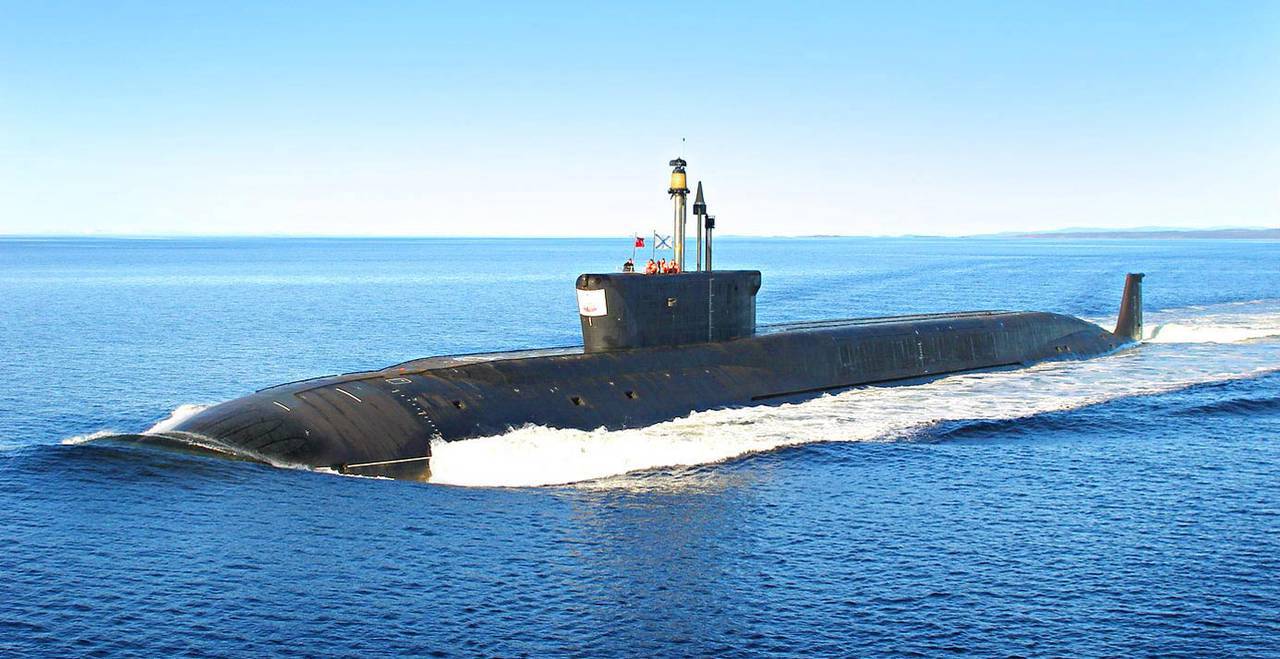
To replace the submarines of this type, submarines of the 955 "Borey" and "Yuri Dolgoruky" project are being built in Russia. This year, tests of the new Bulava solid-propellant SLBM should be completed, which will be installed on the submarines of the 955 project. From the 12 test launches that were carried out in 2005-2009, 8 ended in failure, and only one launch was considered successful. In the case of the continuation of successful tests "Bulava" its carrier SSBN "Yuri Dolgoruky" will be accepted for service next year.
Information