The weapon of the century. Top Rockets
Rating magazine "Popular Mechanics"
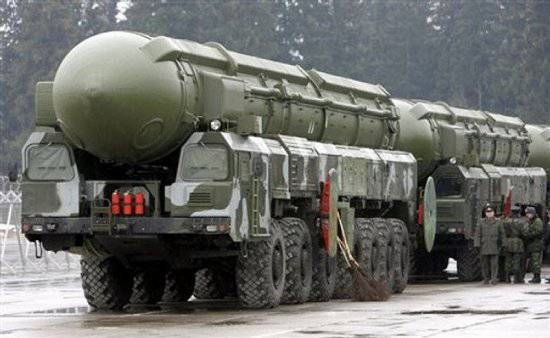
The most mobile rocket launcher: Topol-M ICBM of mobile and silo-based
Country: Russia
First run: 1994
START Code: PC-12М
Number of steps: 3
Length (w / o): 22,5 m
Starting weight: 46,5 t
Drop weight: 1,2 t
Distance: 11000 km
MS type: monoblock, nuclear
Fuel type: solid
Nitrogen tetroxide is usually used as an oxidizing agent for a heptyl. Heptyl missiles were devoid of many deficiencies of oxygen missiles, and so far the main part of Russia's nuclear missile arsenal consists of ICBMs with liquid-propellant rocket engines on high-boiling components. The first American ICBMs (Atlas and Titan) also exploited liquid fuel, but back in the 1960 of the last century, US designers began to radically switch to solid-fuel engines. The fact is that high-boiling fuel is not an ideal alternative to kerosene with oxygen. Heptyl is four times more toxic than hydrocyanic acid, that is, each launch of a rocket is accompanied by the release into the atmosphere of extremely harmful substances. The consequences of a crashed missile accident will also be sad, especially if it happens, say, on a submarine. Liquid missiles compared to solid propellants are also distinguished by more complex operating conditions, a lower level of combat readiness and safety, and a shorter fuel storage time. Ever since the Minutemen I and Polaris A-1 (and this is the beginning of 1960) missiles, the Americans have completely switched to solid fuel structures. And in this matter, our country had to flee after. The first Soviet ICBM on solid fuel elements was developed at the Royal OKB-1 (now RSC Energia), which gave military theme to Yangel and Chelomey, who were considered apologists for liquid-propellant missiles. Tests of the RT-2 began in Kapustin Yar and in Plesetsk in the 1966 year, and in the 1968-m rocket entered service.
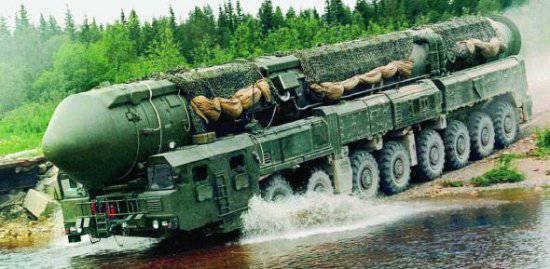
The most promising Russian: Yars RS-24
Country: Russia
First run: 2007
Number of steps: 3
Length (w / o): 13 m
Starting weight: no data
Drop weight: not available
Range: 11000
Type of warhead: HF, 3 – 4 150 – 300 CT combat units
Fuel type: solid
The new rocket, the first launch of which took place only three years ago, in contrast to the Topol-M, has multiple warheads. It was possible to return to such a structure after Russia’s withdrawal from the START-1 agreement, which prohibited the MWP. It is believed that the new ICBM will gradually replace the multi-charge modifications of the UR-100 and P-36M as part of the Strategic Missile Forces and, together with Topol-M, form a new, updated core of the strategic nuclear forces under the START-III treaty.
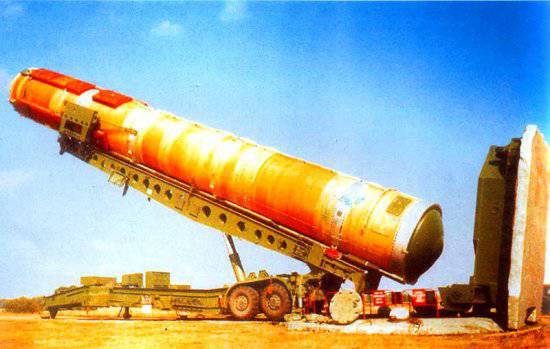
The most difficult: R-36M "Satan"
Country: USSR
First run: 1970
START Code: PC-20
Number of steps: 2
Length (w / o): 34,6 m
Starting weight: 211 t
Drop weight: 7,3 t
Range: 11 200 – 16 000 km
MSG type: 1 x 25 Mt, 1 x 8 Mt or 8 x 1 Mt
Fuel type: solid
“Korolev is working for TASS, and Yangel is for us,” the military was involved half a century ago. The meaning of the joke is simple - Korolev’s oxygen missiles were declared unsuitable as an ICBM and sent to space attack, and the military leadership, instead of the Royal X-9, relied on heavy ICBMs with engines operating on high-boiling fuel components. The first Soviet heavy MBR on heptyl was the P-16, developed at Yuzhnoye Design Bureau (Dnepropetrovsk) under the direction of M.K. Yangel The heirs of this line of steel P-36, and then P-36M in several versions. The latter received the NATO designation SS-18 Satan (“Satan”). At present, two modifications of this missile are in service with the Strategic Missile Forces of the Russian Federation - the R-36М УТТХ and Р-36М2 "Voevoda". The latter is intended to destroy all types of targets protected by modern missile defense systems, in any conditions of combat use, including with multiple nuclear exposure in a positional area. Also on the basis of Р-36М a commercial space carrier Dnepr was created.
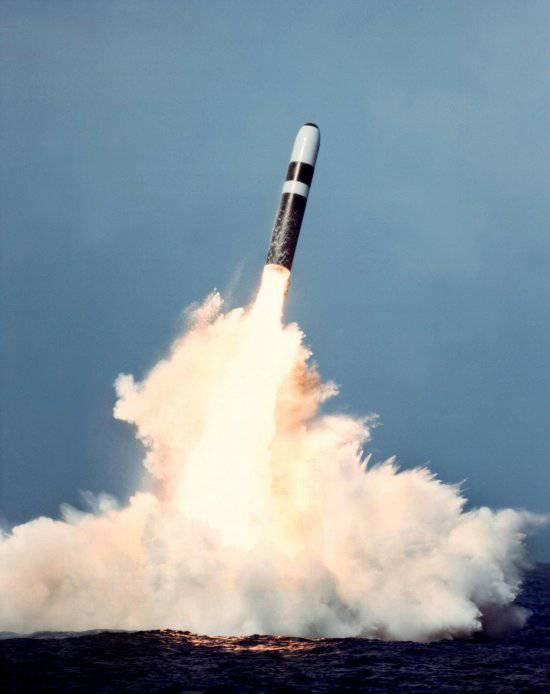
Most long-range: Trident II D5 SLBM
Country: USA
First run: 1987
Number of steps: 3
Length (w / o): 13,41 m
Starting weight: 58 t
Drop weight: 2,8 t
Distance: 11300 km
Type of warhead: 8X475 CT or 14X100Kt
Fuel type: solid
The Trident II D5 submarine-based ballistic missile has very little in common with its predecessor (Trident D4). This is one of the newest and technologically advanced intercontinental class ballistic missiles. The Trident II D5 is installed on Ohio-class American submarines and on the British Vanguard and today is the only type of sea-based nuclear ballistic missiles used by the United States. Composite materials were actively used in the design, which significantly eased the rocket body. High firing accuracy, confirmed by 134 testing, allows us to treat this SLBM as weapon first strike. Moreover, there are plans to equip the missile with a non-nuclear warhead for delivering the so-called immediate global strike (Prompt Global Strike). Under this concept, the US government hopes to get an opportunity to deliver a high-precision non-nuclear strike on any part of the world within an hour. True, the use of ballistic missiles for such purposes is questionable because of the risk of the start of a nuclear-missile conflict.
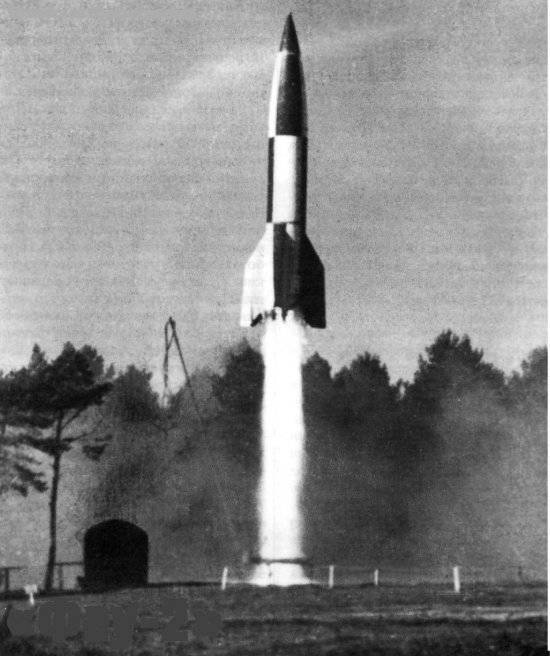
The very first combat: V-2 ("V-two")
Country: Germany
First run: 1942
Number of steps: 1
Length (w / o): 14 m
Starting weight: 13 t
Cast weight: 1 t
Distance: 320 km
Fuel Type: 75% Ethyl Alcohol
The pioneering work of the Nazi engineer Werner von Braun doesn’t need any introduction - his “weapon of retaliation” (Vergeltungswaffe-2) is well known, in particular, because it turned out, fortunately for the allies, to be extremely ineffective. On average, less than two people died from each Fow-2 released in London. But the German developments have become an excellent base for the Soviet and American rocket and space programs. Both the USSR and the USA began their journey to the stars by copying V-2.
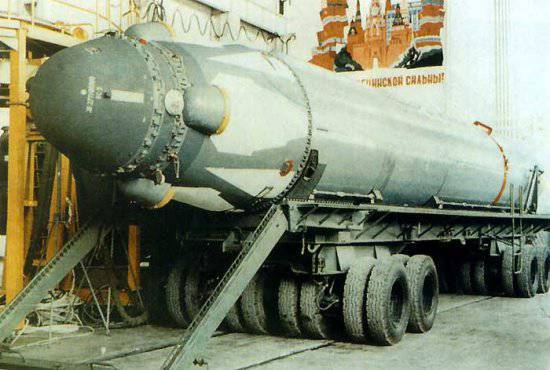
First submarine intercontinental: P-29
Country: USSR
First run: 1971
START Code: PCM-40
Number of steps: 2
Length (w / o): 13 m
Starting weight: 33,3 t
Drop weight: 1,1 t
Distance: 7800 – 9100 km
MS type: monoblock, 0,8 – 1 Mt
Fuel type: liquid (heptyl)
Rocket R-29, developed in KB them. Makeeva, was placed on the 18 submarines of the 667B project, its modification P-29D - on four 667BD missile carriers. The creation of an SLBM of intercontinental range gave serious advantages to the USSR Navy, as it became possible to keep submarines far away from the shores of a likely enemy.
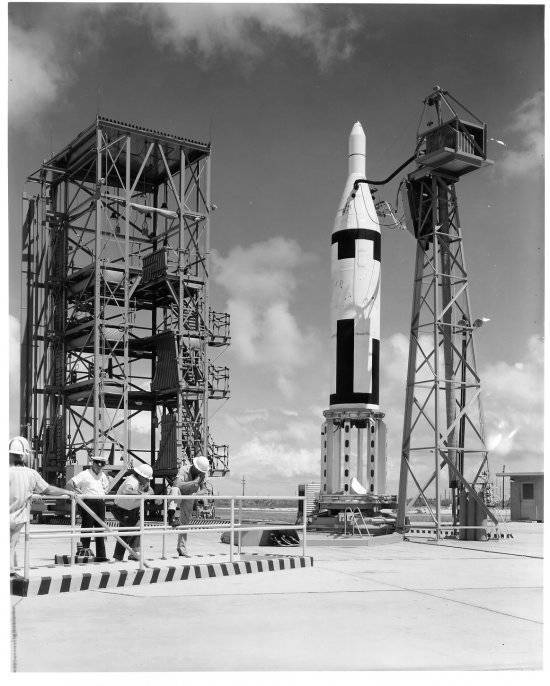
The very first with an underwater start: Polaris A-1
Country: USA
First run: 1960
Quantity
steps: 2
Length (w / o): 8,53 m
Starting weight: 12,7 t
Drop weight: 0,5 t
Distance: 2200 km
MS type: monoblock, 600 CT
Fuel type: solid
The first attempts to launch missiles from submarines were undertaken by the military and engineers of the Third Reich, but the real SLBM race began with the cold war. Despite the fact that the USSR was somewhat ahead of the United States with the beginning of the development of an underwater launch ballistic missile, our designers were long pursued by failures. as a result, they were ahead of the Americans with the polaris a-1 blast. 20 July 1960, this rocket was launched from the submarine "George Washington" from the depth 20 m. Soviet competitor - the rocket R-21 designed by M.K. Yangel - made a successful start 40 days later.
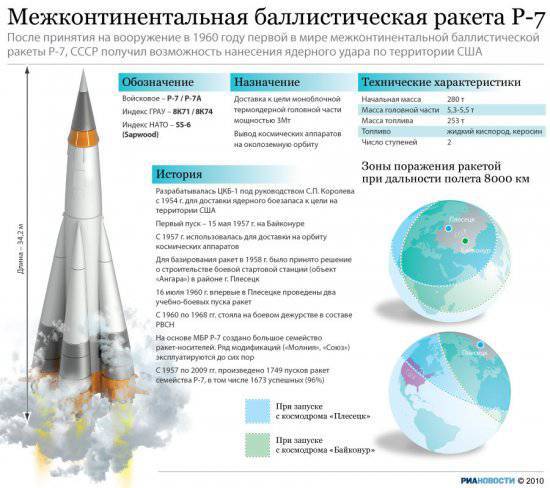
The very first in the world: P-7
Country: USSR
First run: 1957
Number of steps: 2
Length (w / o): 31,4 m
Starting weight: 88,44 t
Drop weight: up to 5,4 t
Distance: 8000 km
MS type: single-block, nuclear, detachable
Fuel type: liquid (kerosene)
The legendary royal "seven" was born painfully, but was honored to be the first in the world of ICBMs. True, very mediocre. P-7 started only from an open, that is, very vulnerable position, and most importantly - due to the use of oxygen as an oxidizing agent (it evaporated) - could not be on duty for a long time in the filled state. It took hours to prepare for the start, which the military did not like, as did the low accuracy of the hit. But P-7 opened the way to space for mankind, and Soyuz-U, the only carrier for manned launches today, is nothing more than a modification of the Seven.
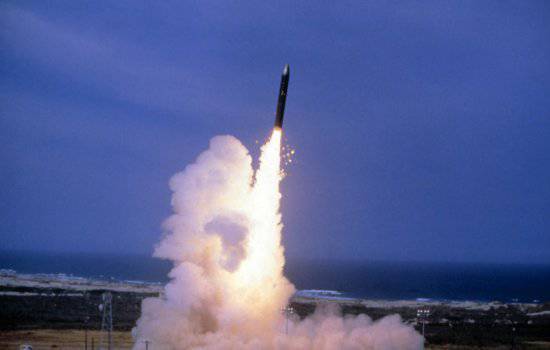
Most ambitious: MX (LGM-118А) Peacekeeper
Country: USA
First run: 1983
Number of stages: 3 (plus stage
breeding warheads)
Length (w / o): 21,61 m
Starting weight: 88,44 t
Drop weight: 2,1 t
Distance: 9600 km
MSG type: 10 nuclear warheads 300 CT
Fuel type: solid (I – III steps), liquid (dilution step)
Heavy Peacemaker ICBM (MX), created by American designers to the middle of 1980-x, was the embodiment of many interesting ideas and new technologies, such as the use of composite materials. Compared to Minuteman III (of that time), the MX rocket had a significantly higher accuracy of hitting, which increased the probability of hitting the Soviet silo launchers. Particular attention was paid to the survivability of the missile under nuclear influence, the possibility of railroad mobile based was seriously considered, which forced the USSR to develop a similar complex RT-23 UTTH.
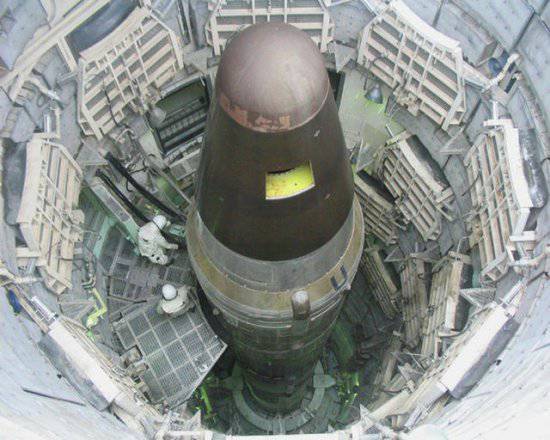
Fastest: Minuteman LGM-30G
Country: USA
First run: 1966
Number of steps: 3
Length (w / o): 18,2 m
Starting weight: 35,4 t
Drop weight: 1,5 t
Distance: 13000 km
Type of warhead: 3x300 CT
Fuel type: solid
Minuteman III light missiles are the only type of ground-based ICBMs currently in service with the United States. Despite the fact that the production of these missiles was stopped three decades ago, these weapons are subject to modernization, including with the introduction of technical advances implemented in the MX rocket. Minuteman III LGM-30G is considered to be the most or one of the fastest ICBMs in the world and can accelerate to 24100 km / h in the terminal phase of flight.
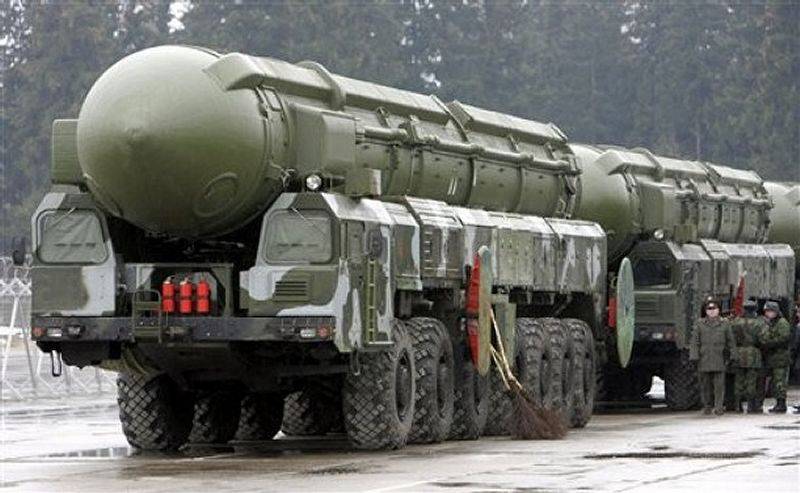
The most mobile rocket launcher: Topol-M ICBM of mobile and silo-based
Country: Russia
First run: 1994
START Code: PC-12М
Number of steps: 3
Length (w / o): 22,5 m
Starting weight: 46,5 t
Drop weight: 1,2 t
Distance: 11000 km
MS type: monoblock, nuclear
Fuel type: solid
Nitrogen tetroxide is usually used as an oxidizing agent for a heptyl. Heptyl missiles were devoid of many deficiencies of oxygen missiles, and so far the main part of Russia's nuclear missile arsenal consists of ICBMs with liquid-propellant rocket engines on high-boiling components. The first American ICBMs (Atlas and Titan) also exploited liquid fuel, but back in the 1960 of the last century, US designers began to radically switch to solid-fuel engines. The fact is that high-boiling fuel is not an ideal alternative to kerosene with oxygen. Heptyl is four times more toxic than hydrocyanic acid, that is, each launch of a rocket is accompanied by the release into the atmosphere of extremely harmful substances. The consequences of a crashed missile accident will also be sad, especially if it happens, say, on a submarine. Liquid missiles compared to solid propellants are also distinguished by more complex operating conditions, a lower level of combat readiness and safety, and a shorter fuel storage time. Ever since the Minutemen I and Polaris A-1 (and this is the beginning of 1960) missiles, the Americans have completely switched to solid fuel structures. And in this matter, our country had to flee after. The first Soviet ICBM on solid fuel elements was developed at the Royal OKB-1 (now RSC Energia), which gave military theme to Yangel and Chelomey, who were considered apologists for liquid-propellant missiles. Tests of the RT-2 began in Kapustin Yar and in Plesetsk in the 1966 year, and in the 1968-m rocket entered service.
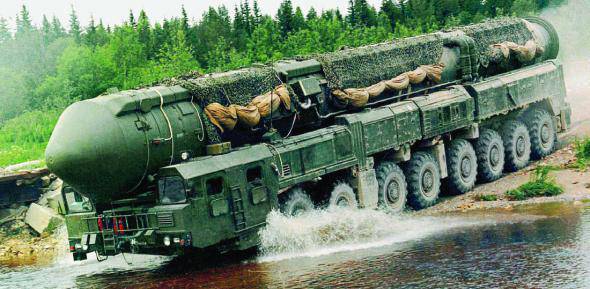
The most promising Russian: Yars RS-24
Country: Russia
First run: 2007
Number of steps: 3
Length (w / o): 13 m
Starting weight: no data
Drop weight: not available
Range: 11000
Type of warhead: HF, 3 – 4 150 – 300 CT combat units
Fuel type: solid
The new rocket, the first launch of which took place only three years ago, in contrast to the Topol-M, has multiple warheads. It was possible to return to such a structure after Russia’s withdrawal from the START-1 agreement, which prohibited the MWP. It is believed that the new ICBM will gradually replace the multi-charge modifications of the UR-100 and P-36M as part of the Strategic Missile Forces and, together with Topol-M, form a new, updated core of the strategic nuclear forces under the START-III treaty.
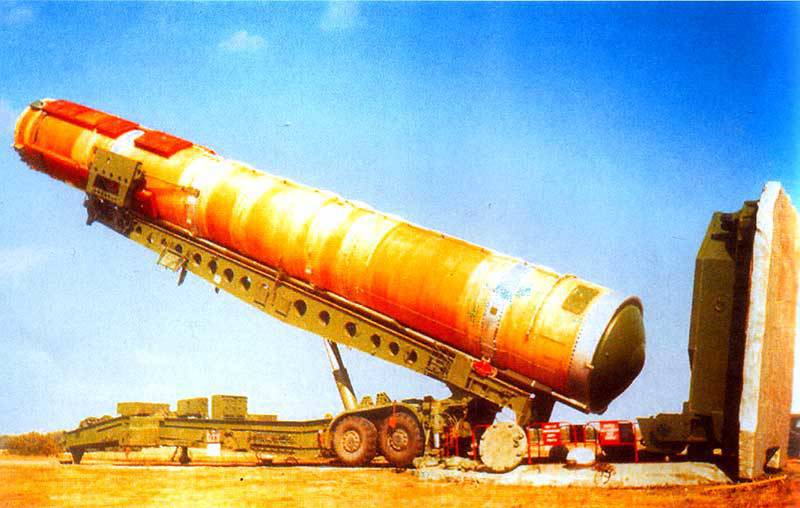
The most difficult: R-36M "Satan"
Country: USSR
First run: 1970
START Code: PC-20
Number of steps: 2
Length (w / o): 34,6 m
Starting weight: 211 t
Drop weight: 7,3 t
Range: 11 200 – 16 000 km
MSG type: 1 x 25 Mt, 1 x 8 Mt or 8 x 1 Mt
Fuel type: solid
“Korolev is working for TASS, and Yangel is for us,” the military was involved half a century ago. The meaning of the joke is simple - Korolev’s oxygen missiles were declared unsuitable as an ICBM and sent to space attack, and the military leadership, instead of the Royal X-9, relied on heavy ICBMs with engines operating on high-boiling fuel components. The first Soviet heavy MBR on heptyl was the P-16, developed at Yuzhnoye Design Bureau (Dnepropetrovsk) under the direction of M.K. Yangel The heirs of this line of steel P-36, and then P-36M in several versions. The latter received the NATO designation SS-18 Satan (“Satan”). At present, two modifications of this missile are in service with the Strategic Missile Forces of the Russian Federation - the R-36М УТТХ and Р-36М2 "Voevoda". The latter is intended to destroy all types of targets protected by modern missile defense systems, in any conditions of combat use, including with multiple nuclear exposure in a positional area. Also on the basis of Р-36М a commercial space carrier Dnepr was created.
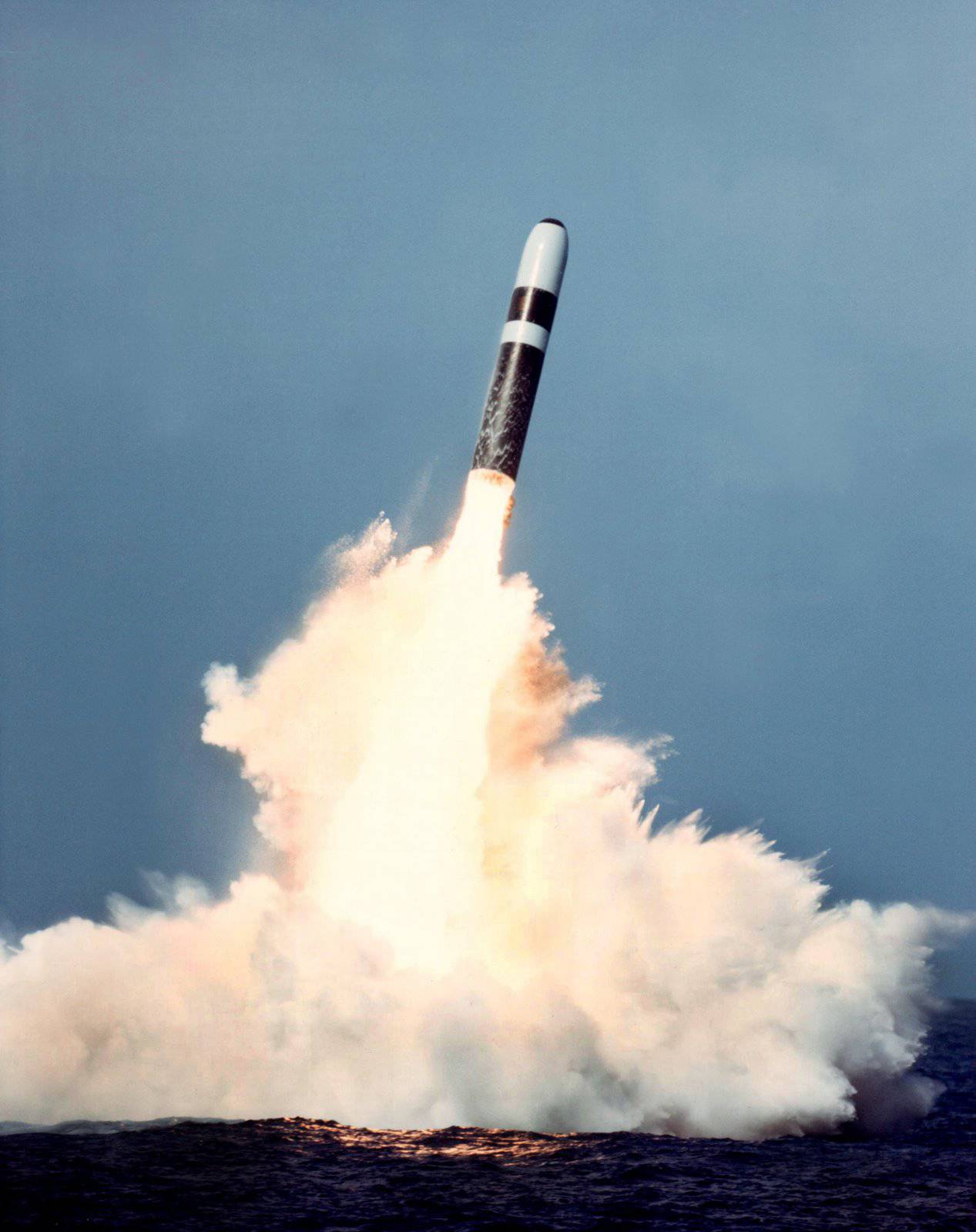
Most long-range: Trident II D5 SLBM
Country: USA
First run: 1987
Number of steps: 3
Length (w / o): 13,41 m
Starting weight: 58 t
Drop weight: 2,8 t
Distance: 11300 km
Type of warhead: 8X475 CT or 14X100Kt
Fuel type: solid
The Trident II D5 submarine-based ballistic missile has very little in common with its predecessor (Trident D4). This is one of the newest and technologically advanced intercontinental class ballistic missiles. The Trident II D5 is installed on Ohio-class American submarines and on the British Vanguard and today is the only type of sea-based nuclear ballistic missiles used by the United States. Composite materials were actively used in the design, which significantly eased the rocket body. High firing accuracy, confirmed by 134 testing, allows us to treat this SLBM as weapon first strike. Moreover, there are plans to equip the missile with a non-nuclear warhead for delivering the so-called immediate global strike (Prompt Global Strike). Under this concept, the US government hopes to get an opportunity to deliver a high-precision non-nuclear strike on any part of the world within an hour. True, the use of ballistic missiles for such purposes is questionable because of the risk of the start of a nuclear-missile conflict.

The very first combat: V-2 ("V-two")
Country: Germany
First run: 1942
Number of steps: 1
Length (w / o): 14 m
Starting weight: 13 t
Cast weight: 1 t
Distance: 320 km
Fuel Type: 75% Ethyl Alcohol
The pioneering work of the Nazi engineer Werner von Braun doesn’t need any introduction - his “weapon of retaliation” (Vergeltungswaffe-2) is well known, in particular, because it turned out, fortunately for the allies, to be extremely ineffective. On average, less than two people died from each Fow-2 released in London. But the German developments have become an excellent base for the Soviet and American rocket and space programs. Both the USSR and the USA began their journey to the stars by copying V-2.
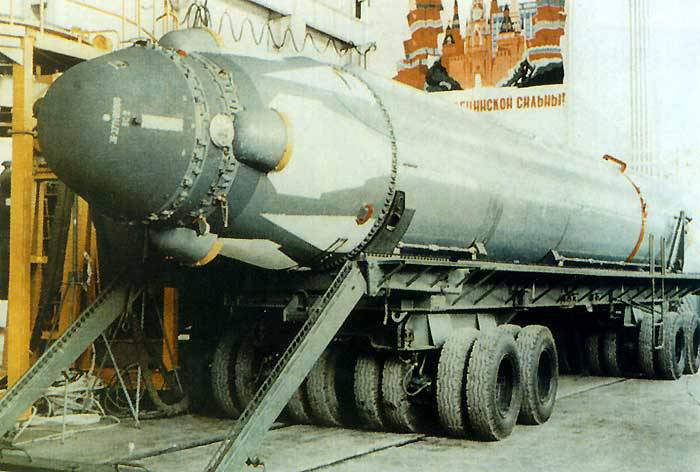
First submarine intercontinental: P-29
Country: USSR
First run: 1971
START Code: PCM-40
Number of steps: 2
Length (w / o): 13 m
Starting weight: 33,3 t
Drop weight: 1,1 t
Distance: 7800 – 9100 km
MS type: monoblock, 0,8 – 1 Mt
Fuel type: liquid (heptyl)
Rocket R-29, developed in KB them. Makeeva, was placed on the 18 submarines of the 667B project, its modification P-29D - on four 667BD missile carriers. The creation of an SLBM of intercontinental range gave serious advantages to the USSR Navy, as it became possible to keep submarines far away from the shores of a likely enemy.
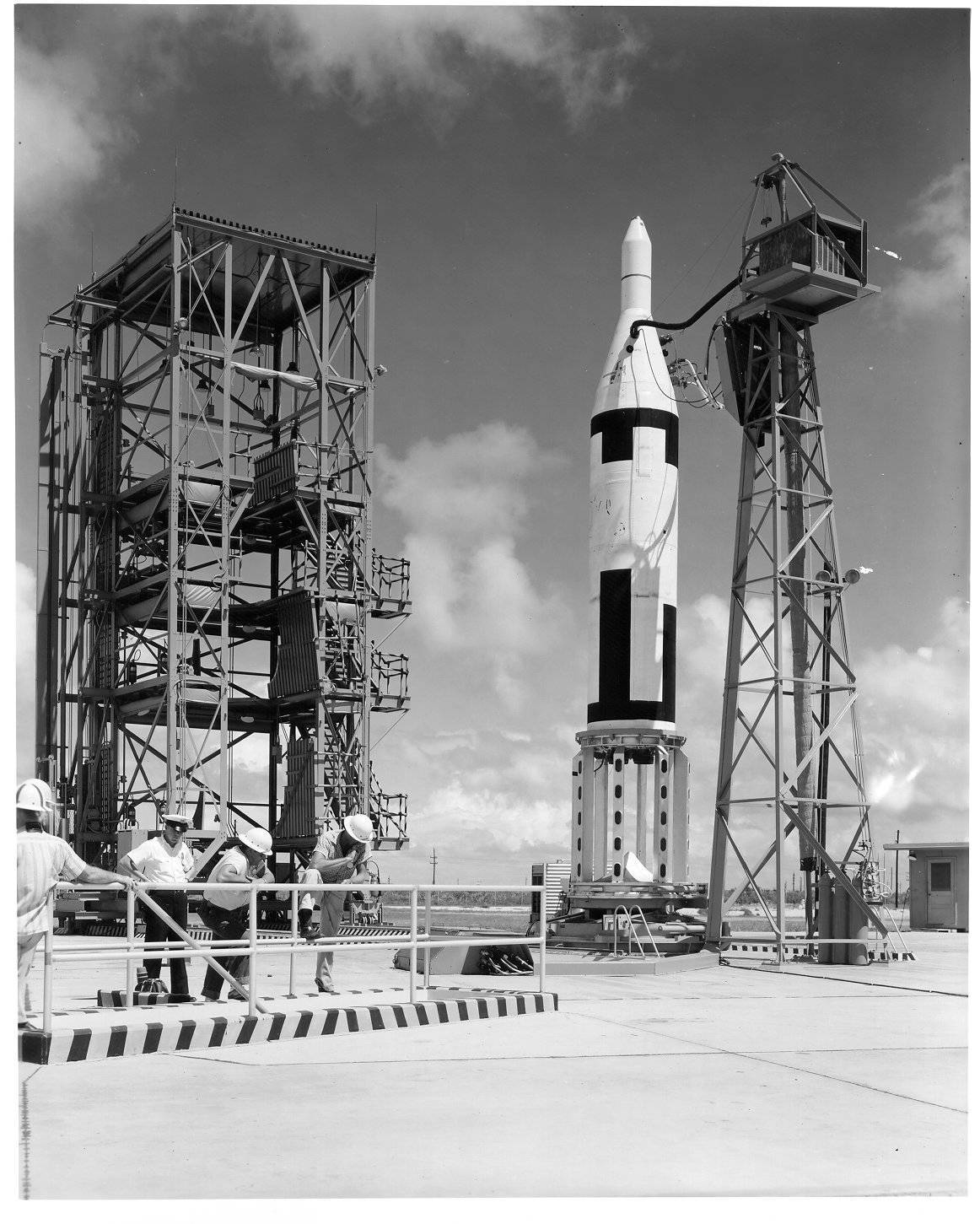
The very first with an underwater start: Polaris A-1
Country: USA
First run: 1960
Quantity
steps: 2
Length (w / o): 8,53 m
Starting weight: 12,7 t
Drop weight: 0,5 t
Distance: 2200 km
MS type: monoblock, 600 CT
Fuel type: solid
The first attempts to launch missiles from submarines were undertaken by the military and engineers of the Third Reich, but the real SLBM race began with the cold war. Despite the fact that the USSR was somewhat ahead of the United States with the beginning of the development of an underwater launch ballistic missile, our designers were long pursued by failures. as a result, they were ahead of the Americans with the polaris a-1 blast. 20 July 1960, this rocket was launched from the submarine "George Washington" from the depth 20 m. Soviet competitor - the rocket R-21 designed by M.K. Yangel - made a successful start 40 days later.
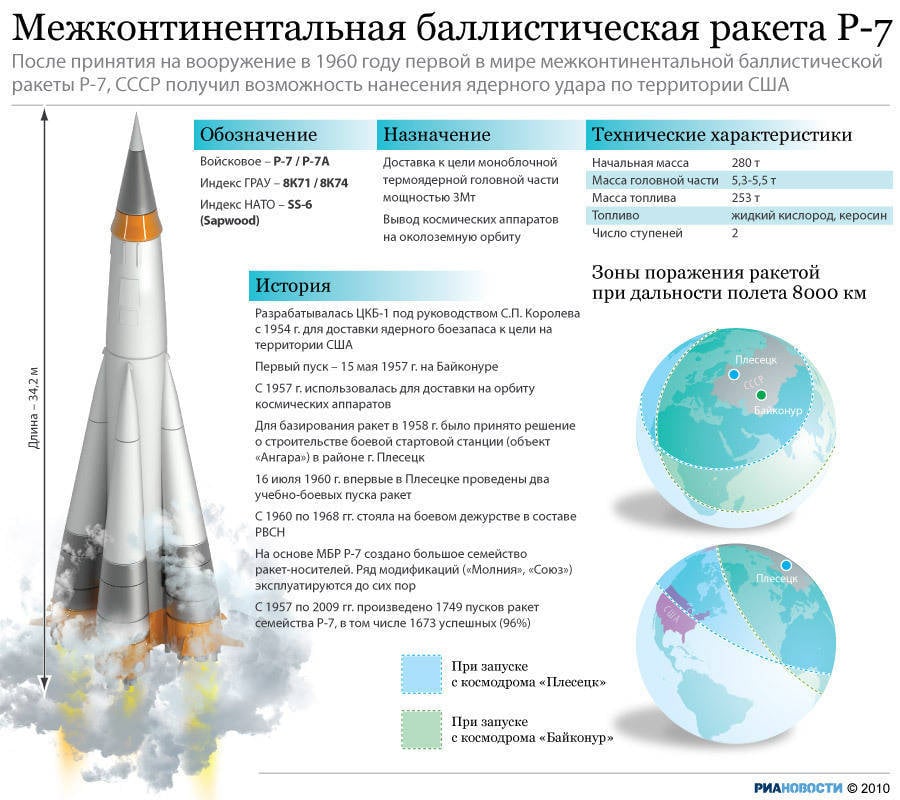
The very first in the world: P-7
Country: USSR
First run: 1957
Number of steps: 2
Length (w / o): 31,4 m
Starting weight: 88,44 t
Drop weight: up to 5,4 t
Distance: 8000 km
MS type: single-block, nuclear, detachable
Fuel type: liquid (kerosene)
The legendary royal "seven" was born painfully, but was honored to be the first in the world of ICBMs. True, very mediocre. P-7 started only from an open, that is, very vulnerable position, and most importantly - due to the use of oxygen as an oxidizing agent (it evaporated) - could not be on duty for a long time in the filled state. It took hours to prepare for the start, which the military did not like, as did the low accuracy of the hit. But P-7 opened the way to space for mankind, and Soyuz-U, the only carrier for manned launches today, is nothing more than a modification of the Seven.
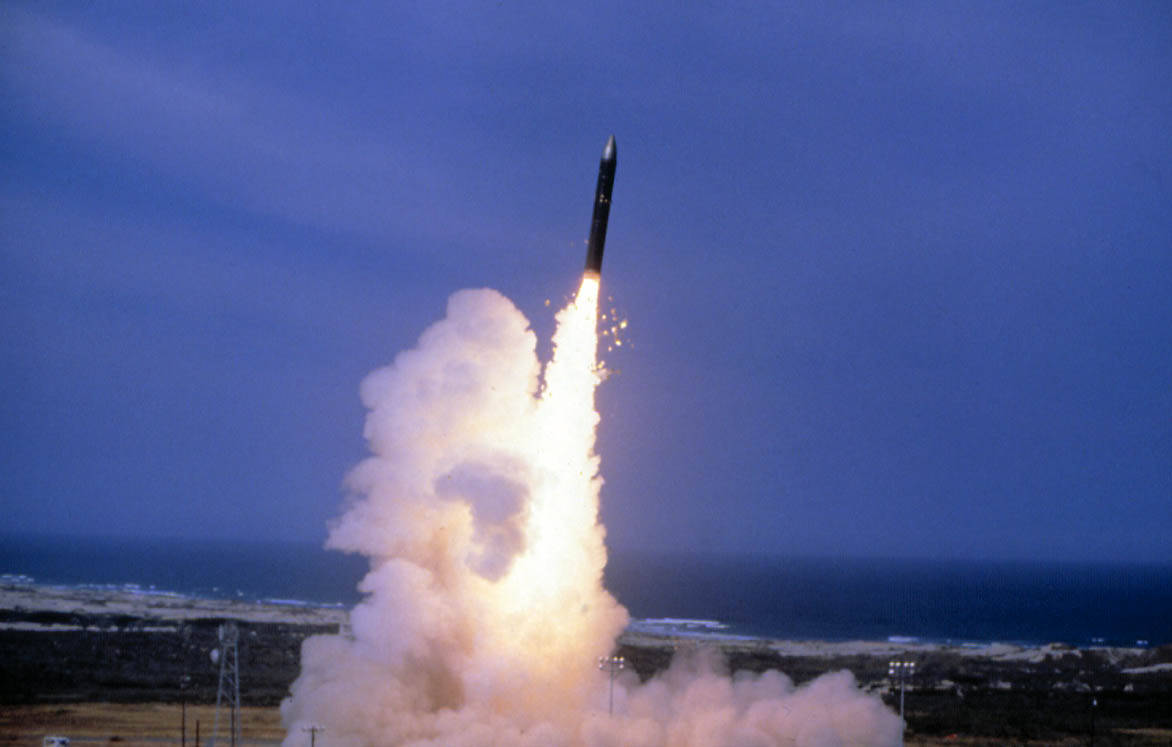
Most ambitious: MX (LGM-118А) Peacekeeper
Country: USA
First run: 1983
Number of stages: 3 (plus stage
breeding warheads)
Length (w / o): 21,61 m
Starting weight: 88,44 t
Drop weight: 2,1 t
Distance: 9600 km
MSG type: 10 nuclear warheads 300 CT
Fuel type: solid (I – III steps), liquid (dilution step)
Heavy Peacemaker ICBM (MX), created by American designers to the middle of 1980-x, was the embodiment of many interesting ideas and new technologies, such as the use of composite materials. Compared to Minuteman III (of that time), the MX rocket had a significantly higher accuracy of hitting, which increased the probability of hitting the Soviet silo launchers. Particular attention was paid to the survivability of the missile under nuclear influence, the possibility of railroad mobile based was seriously considered, which forced the USSR to develop a similar complex RT-23 UTTH.

Fastest: Minuteman LGM-30G
Country: USA
First run: 1966
Number of steps: 3
Length (w / o): 18,2 m
Starting weight: 35,4 t
Drop weight: 1,5 t
Distance: 13000 km
Type of warhead: 3x300 CT
Fuel type: solid
Minuteman III light missiles are the only type of ground-based ICBMs currently in service with the United States. Despite the fact that the production of these missiles was stopped three decades ago, these weapons are subject to modernization, including with the introduction of technical advances implemented in the MX rocket. Minuteman III LGM-30G is considered to be the most or one of the fastest ICBMs in the world and can accelerate to 24100 km / h in the terminal phase of flight.
- http://www.popmech.ru"rel =" nofollow ">http://www.popmech.ru
Information