Experimental modifications of the J-7 fighter and new production aircraft created on its basis
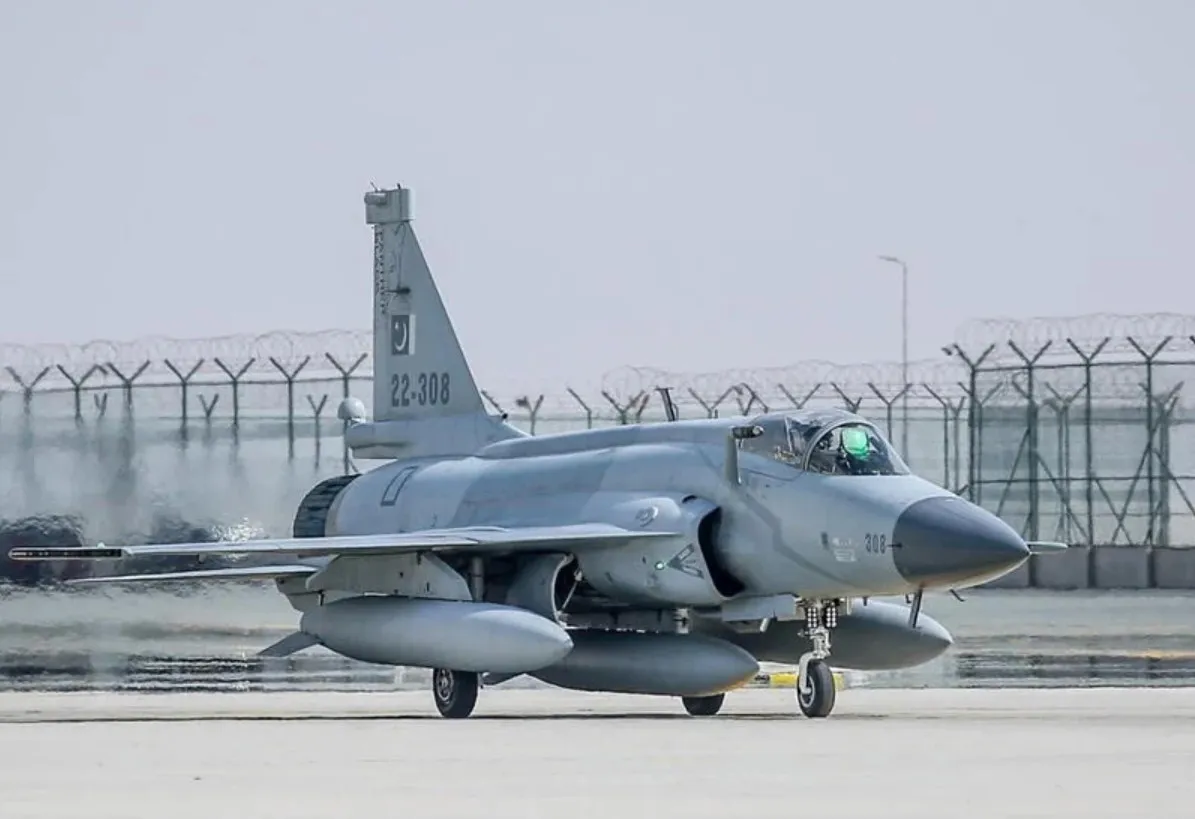
China's J-7 fighters, a further development of the Soviet MiG-21F-13, were brought to an acceptable level of reliability and combat effectiveness in the first half of the 1980s, after which they began to play a significant role in China's defense capability. Further improvements in the combat and operational performance of the J-7 family of fighters were achieved thanks to access to advanced Western technology, which became available after the normalization of relations with the United States.
Concurrently with the development of serial J-7 modifications equipped with new avionics and weapons, attempts were made to build prototypes with airframes that differed from the original prototype. In the 1970s–1990s, Chinese specialists lacked a significant foundation of fundamental research and design expertise and experienced significant difficulties in creating fundamentally new types of indigenous combat aircraft. Consequently, the basic J-7 design served as the basis for the development of prototype and serial fighters and combat trainers, primarily intended for export.
F-7S Sabre II Project
In 1987, Pakistan commissioned the Chinese company Chengdu Aircraft Corporation (CAC) and the American corporation Grumman to develop the F-7S Sabre II fighter, the design of which was based on a modification of the J-7 fighter specially developed for the Pakistan Air Force, designated F-7P.
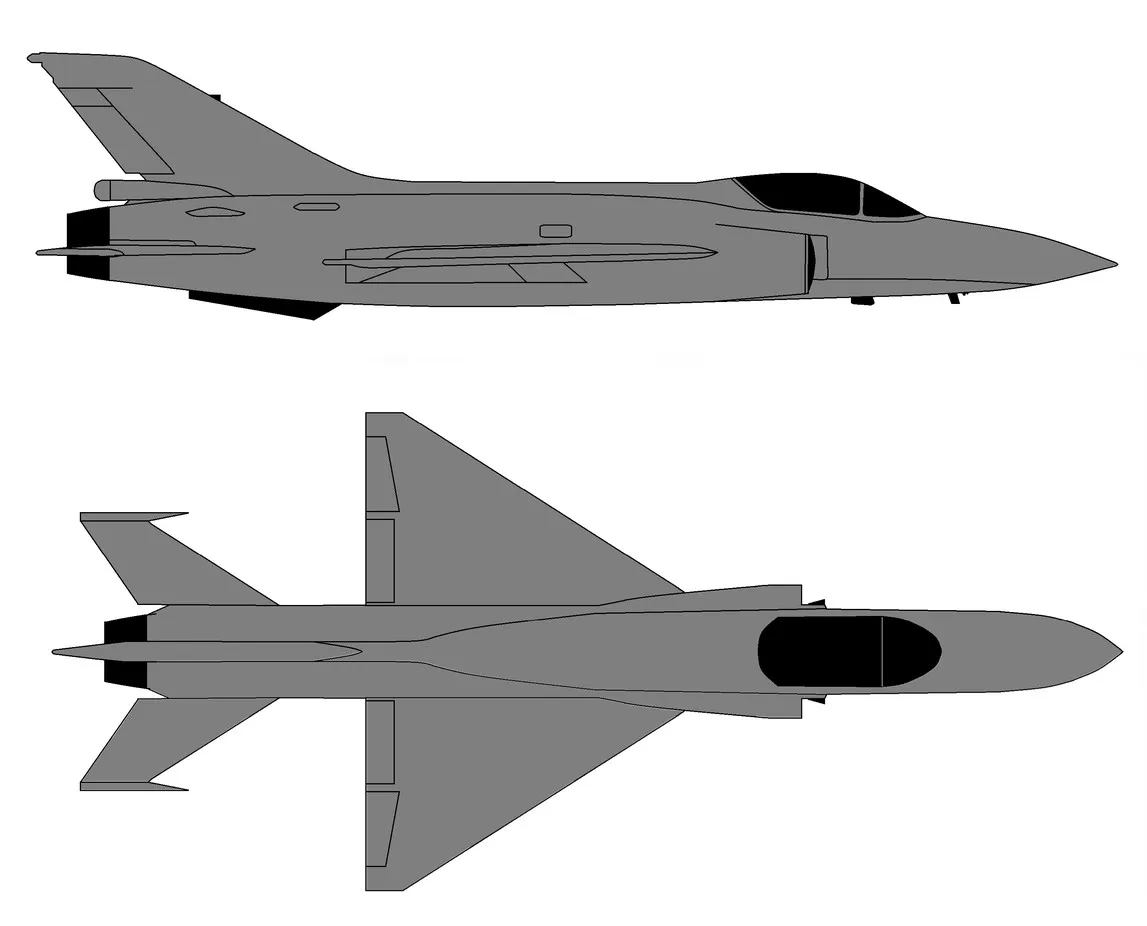
The expected appearance of the F-7S Sabre II fighter jet
The F-7S Sabre II fighter was to retain the F-7P's delta wing, but the forward section of the airframe was redesigned, with the fuselage lengthened and its internal volume increased. The use of side air intakes made it possible to install the AN/APG-67 X-band pulse-Doppler radar, developed by General Electric for the Northrop F-20 Tigershark (originally the F-5G), which was intended to be supplied to countries already operating the F-5E/F Tiger II fighter. This radar, weighing approximately 80 kg, had a detection range of over 70 km and provided the capability for use against air targets. missiles medium-range AIM-7 Sparrow.
To replace the Chinese WP-7 turbojet engine, which traced its lineage back to the Soviet R-11F-300 turbofan engine, it was planned to use modern General Electric F404 or Pratt & Whitney PW 1120 turbofan engines, which would significantly improve flight performance.
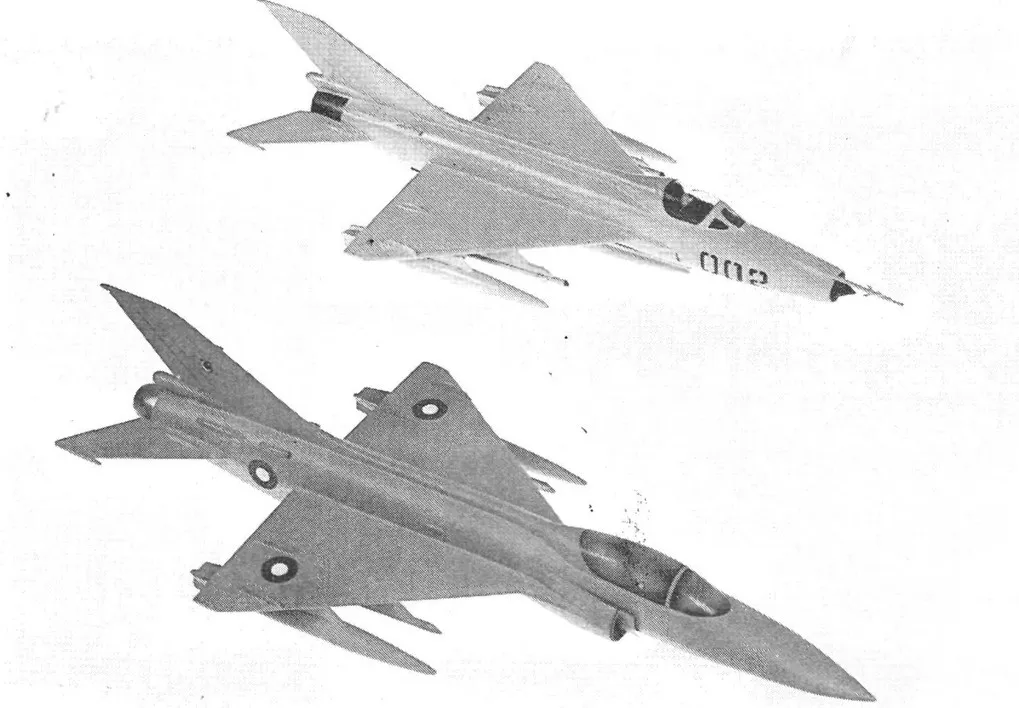
F-7S Sabre II and J-7 fighters
However, the F-7S Sabre II project never made it past the paper stage. Following the suppression of student protests in Tiananmen Square, relations between Washington and Beijing began to deteriorate, defense cooperation between the countries ceased, and Grumman withdrew from the project. In 1990, the US Congress imposed an embargo on military exports to Pakistan after the country's nuclear bomb development became widely known. After this, the use of American components in the F-7S Sabre II fighter became impossible, and the project's continuation became pointless.
Experimental fighters of the J-7F family
The MiG-21 fighter's air intake design significantly limited the radar antenna's size, negatively impacting the detection range of aerial targets. Therefore, in 1995, CAC began developing the J-7F fighter with a radically redesigned nose cone with a larger diameter and a lower air intake, allowing for the installation of a more powerful radar.
The prototype fighter, built in metal, was designated the J-7FS. This aircraft inherited the wing of the production J-7E fighter, featuring dual sweepback along the leading edge (57 and 42 degrees) and a WP-13F turbofan engine producing up to 6610 kgf of afterburning thrust. The air intake, located under the chin, was externally similar to that used on the American carrier-based fighter, the Vought XF8U-3 Crusader III, which never entered production. The J-7FS was equipped with a new power supply system, modern avionics, and a targeting and navigation system comparable to Western counterparts of the time. The F-7FS design made extensive use of computer technology, which allowed for the rapid creation of working drawings.
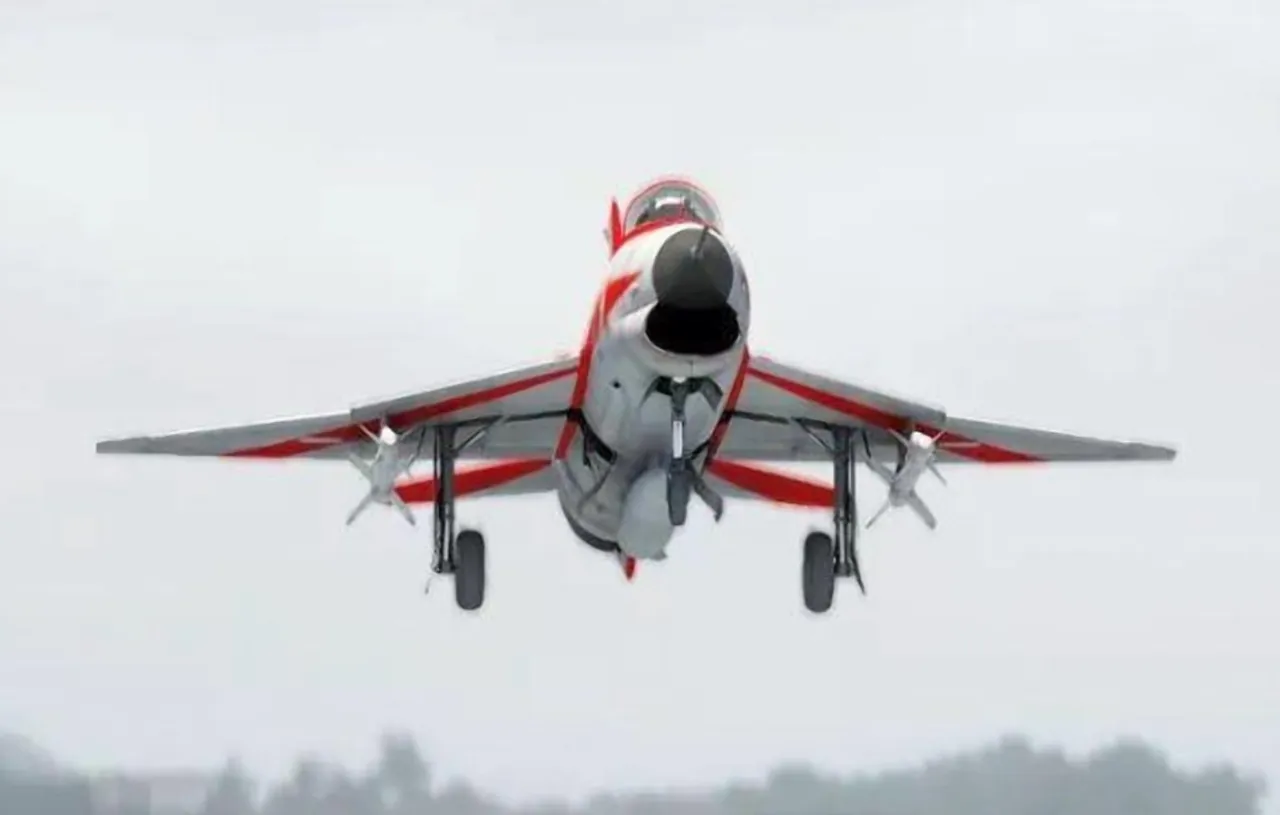
The experimental fighter J-7FS
The aircraft, with a normal weight of 8200 kg, had a maximum flight speed of 2250 km/h, a service ceiling of 18,800 m and a service range of 1800 km.
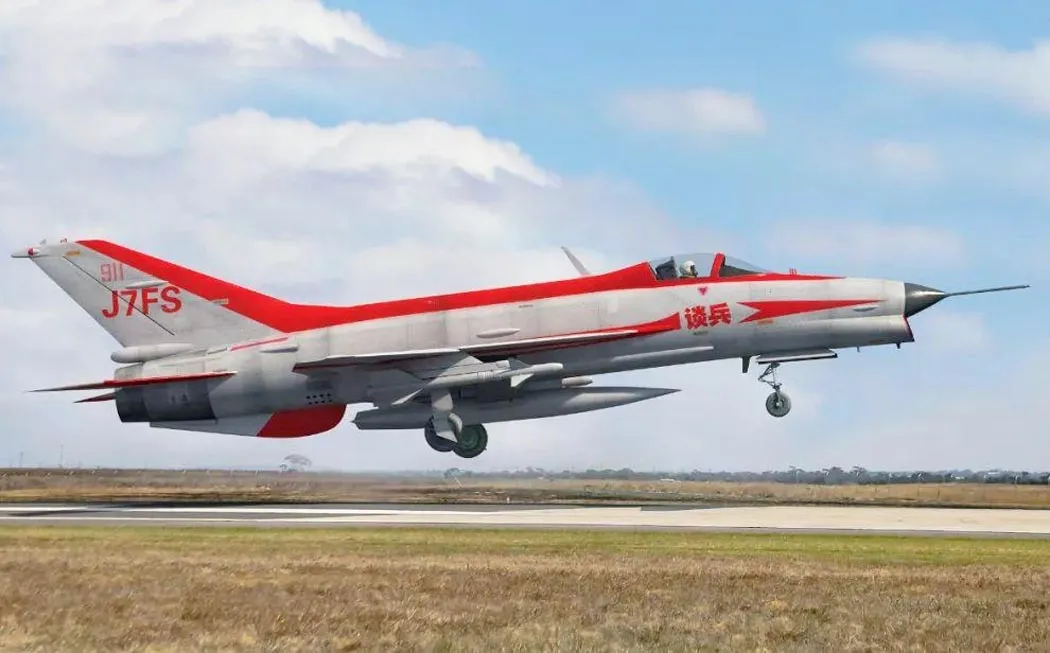
The first flight of the prototype took place in 1998. Only two prototypes were built. While the tests were generally successful, the military was not entirely satisfied, and the next variant, designated F-7MF, was to feature a Eurofighter Typhoon-style air intake and a movable canard to improve maneuverability. However, after analyzing all options, the F-7MF was abandoned in favor of the FC-1 Xiaolong (JF-17 Thunder).
Development and production of the Chinese-Pakistani JF-17 Thunder fighter jet
In 1990, the United States imposed sanctions against Pakistan, after which the delivery of more than seventy ordered F-16A/B Block 15 OCU (Operational Capability Upgrade) fighters and weapons Approximately $2 billion in funding was blocked for them. Furthermore, a shortage of spare parts and consumables has put the continued use of more than three dozen American Fighting Falcons acquired by Pakistan in the first half of the 1980s into question.
Theoretically, in the 1990s, Islamabad could have bought MiG-29 or Su-27 from Russia, aviation The industry was then suffering greatly from a lack of orders. But the Indian leadership vehemently opposed such a deal, and Moscow did not want to spoil relations with New Delhi. In the current situation, the only realistic way for Islamabad to acquire a fighter jet for its air force that at least partially met modern standards was through cooperation with Beijing.
In 1995, Pakistan announced a tender for the supply of modern avionics for the advanced fighter jet. Participants included the French companies Thomson-CSF and SAGEM, the British Marconi Electronic Systems, the Italian FIAR, and the South African Denel. The British company Rolls-Royce expressed interest in supplying RB199-127/128 aircraft engines.
In February 1998, a Sino-Pakistani agreement was signed to begin development of a new fighter jet equipped with advanced foreign avionics. However, Pakistan's nuclear tests on May 29 and 30, 1998, led most Western companies to withdraw from cooperation due to fears of US sanctions, leaving China as Pakistan's only major partner.
In 1999, the project to create a fighter jet, to be jointly produced in Pakistan and China, began. This project made extensive use of the developments gained in the latest production and experimental modifications of the J-7.
A full-scale mockup of the Fighter China-1 Xiaolong fighter (abbreviated FC-1, sometimes referred to as the Super 7) was unveiled at an air show in China in November 2002. That same year, Russia delivered several RD-93 turbofan engines. Development of the FC-1 was significantly accelerated by leveraging previously proven solutions and incorporating advanced avionics developed for China's new J-10 fighter.
The first flight of the FC-1 prototype took place in late August 2003. In March 2007, two disassembled prototypes were delivered to Pakistan, and after assembly, they were tested by Pakistani pilots.
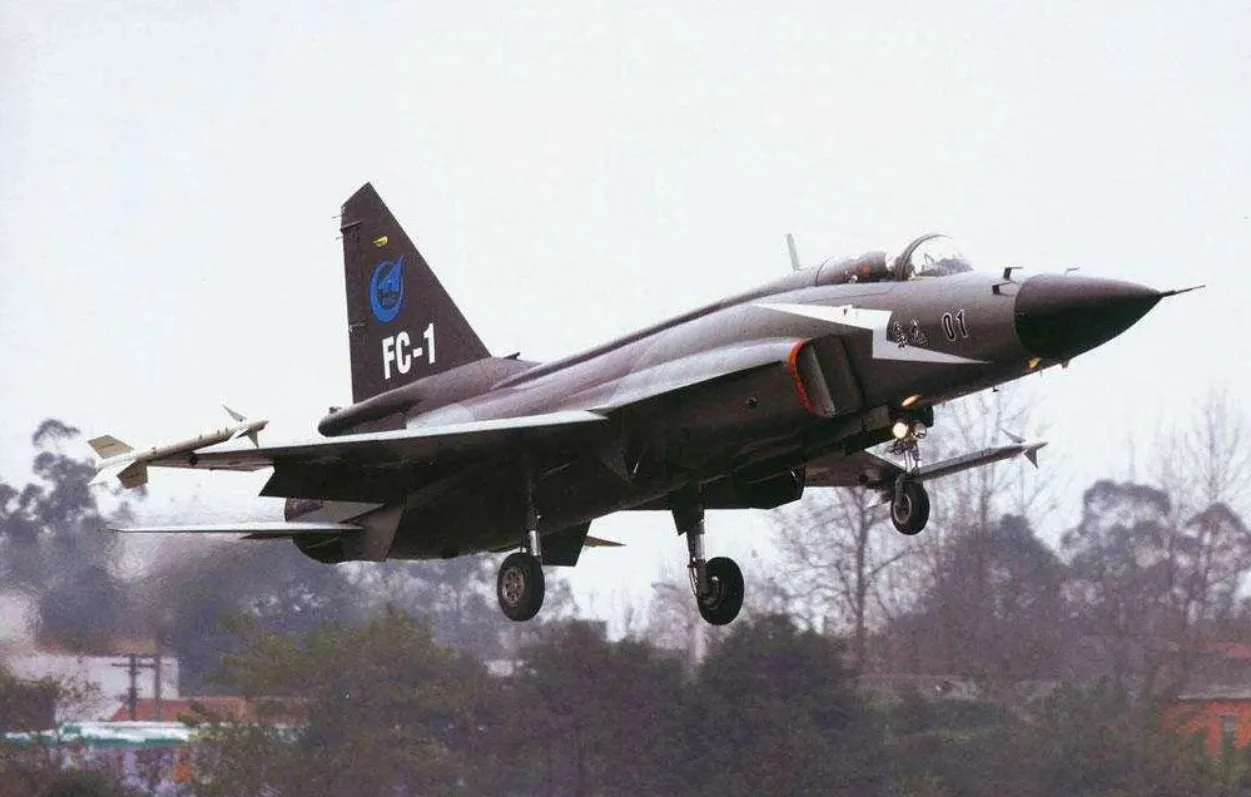
FC-1 experimental prototype
After it became clear that the new fighter met modern requirements and had potential for further improvement, it was given the designation JF-17 Thunder.
In the summer of 2009, the first batch of JF-17 aircraft was laid down at the Pakistan Air Force (PAC) facility. The cost of each aircraft was $15 million. In December 2015, it was announced that 66 JF-17 fighters would be assembled in Pakistan. These aircraft underwent extensive testing with the military, logging over 19,000 flight hours in 2016.
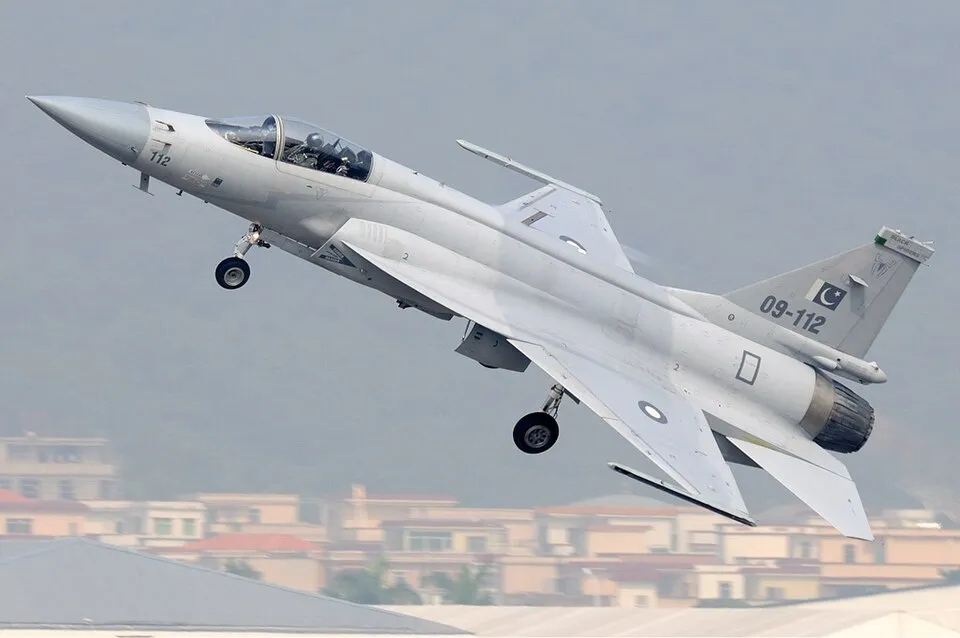
Pakistan Air Force JF-17 Block 1 fighter jet
JF-17 Block 1 aircraft were used for operational testing, during which design flaws were identified and corrected, and modernization options were identified. However, according to Pakistani Air Force officials, the JF-17 Block 1 performed better than initially expected.
Only fifty first-generation fighters were built. Almost all were equipped with the NRIET KLJ-7 multi-mode pulse-Doppler radar, an export version of the KLJ-10 airborne radar used on the Chinese J-10A/B light fighter. This radar is capable of detecting an aerial target with an RCS of 5 m² at a range of 150 km. The propulsion system was a Russian-made RD-93 turbofan engine, a variant of the RD-33 used on the MiG-29 fighter. Back in August 2007, Russian regulatory authorities sanctioned the re-export of 150 RD-93 aircraft engines from China to Pakistan.
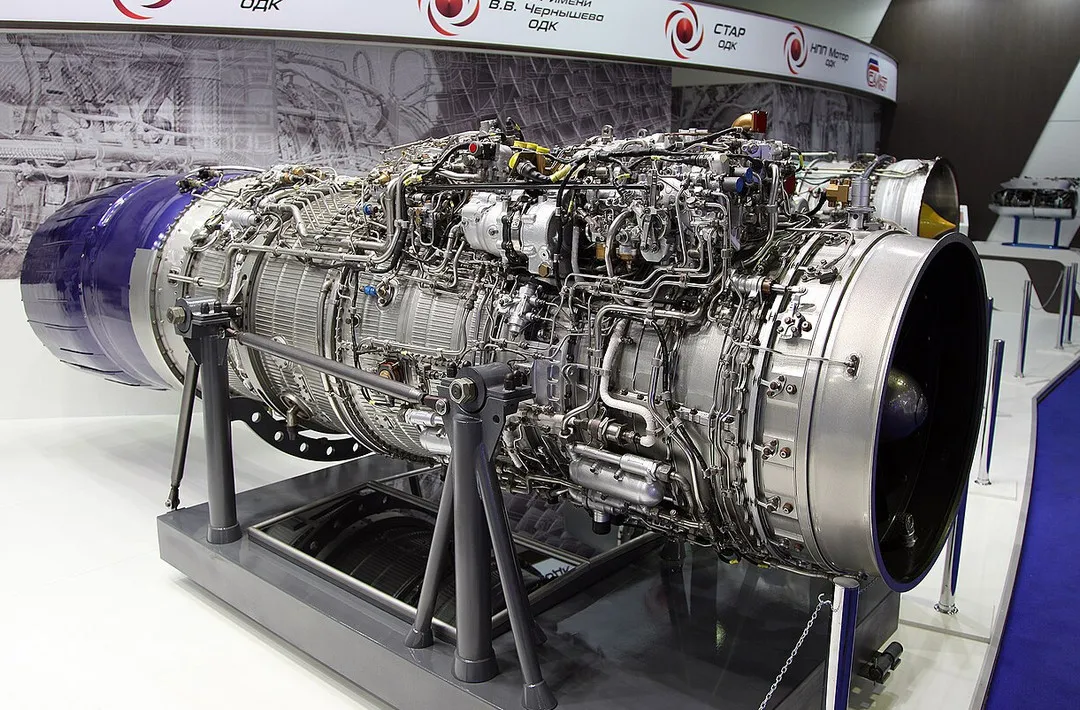
RD-93 aircraft engine
In its air-to-air configuration and without external fuel tanks, the JF-17 fighter, equipped with a digitally controlled RD-93MA engine capable of delivering 9300 kgf of thrust in afterburner mode, has a thrust-to-weight ratio of over 0,9, which provides a climb rate of 300 m/s and allows it to confidently engage in close air combat with other modern fighters.
In February 2015, testing of the single-seat JF-17A Block 2 began, and in April 2017, the double-seat JF-17B Block 2 took off. On the Block 2 modification, part of the airframe is made of composites, which made it possible to reduce weight, and an in-flight refueling system was introduced . The radar and avionics were improved, a tactical external data link was introduced, similar in capabilities to the NATO Link-16, and active jamming equipment controlled by a digital processor was used.
The maiden flight of the single-seat JF-17C Block 3 took place on December 15, 2019. This modification entered serial production at the Kamra plant in December 2020.
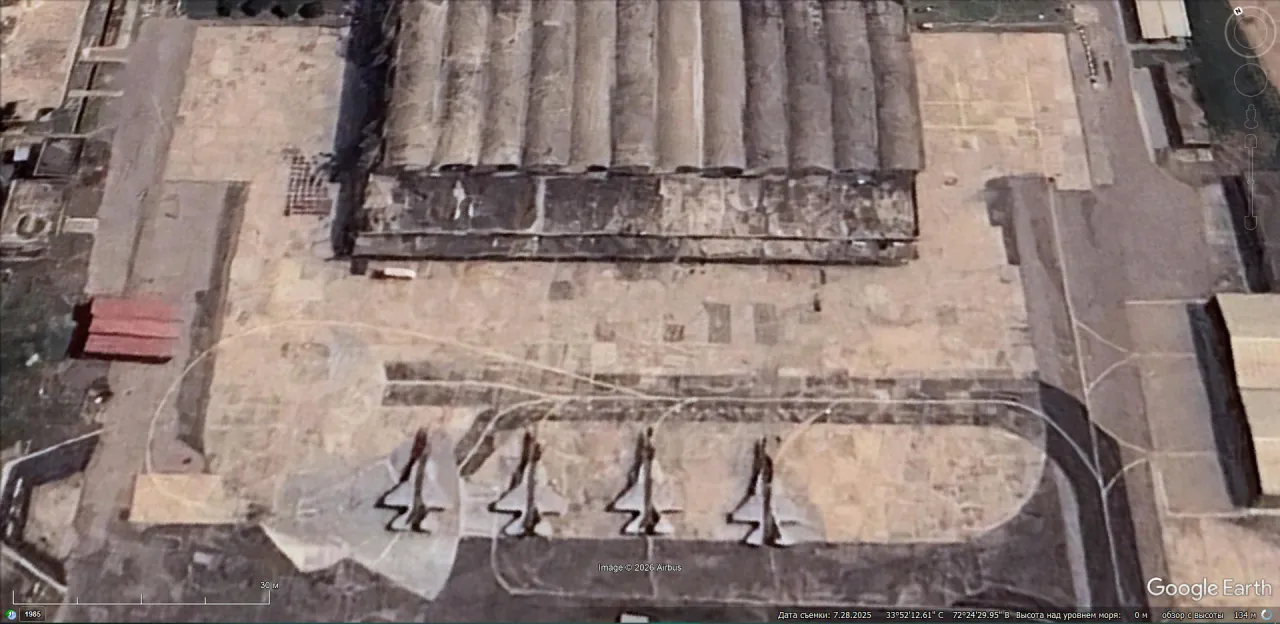
Google Earth satellite image of JF-17 fighter jets parked at the Kamra aircraft factory. The image was taken in July 2025.
The JF-17C Block 3 fighter is equipped with a Chinese-made KLJ-7A active electronically scanned array (AESA) radar, licensed in Pakistan, with a detection range of up to 200 km for targets with an RCS of 5 m². This radar can simultaneously track 15 targets and guide missiles to four. The aircraft is equipped with a redundant fly-by-wire flight control system, an infrared search and track system, a helmet-mounted display and targeting system, multifunctional touchscreen LCD displays, and a new, larger, and thinner holographic wide-angle projection screen.
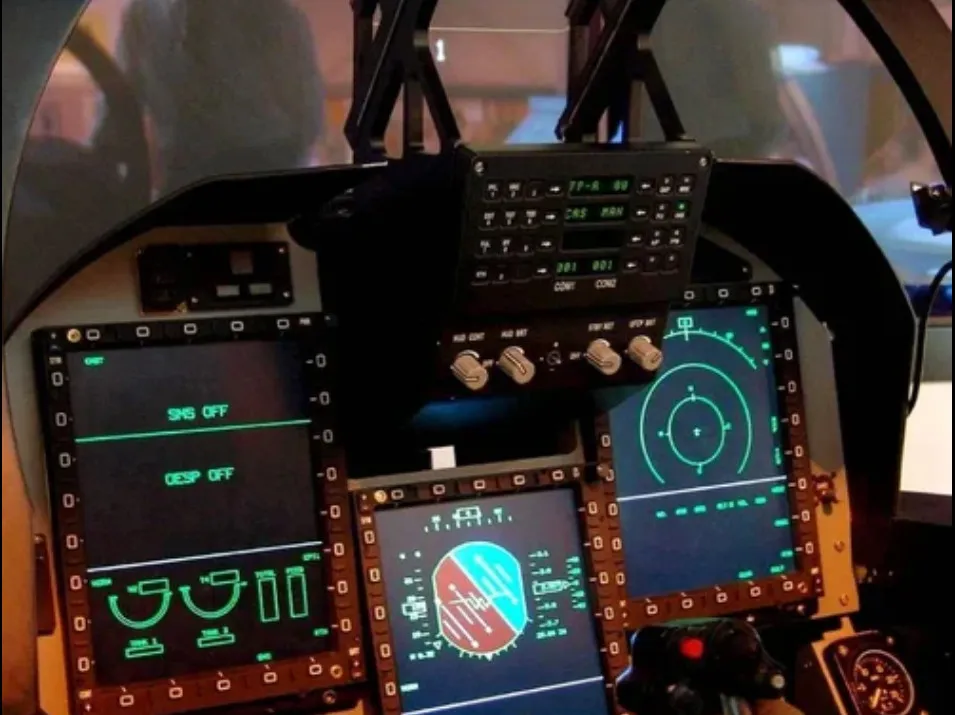
The airframe's composite content has been increased to further reduce weight. The Russian RD-93MA turbofan engine is to be replaced by the Chinese Guizhou WS-13, which produces approximately 10,000 kgf of afterburning thrust and produces less smoke. A Martin-Baker PK16LE ejection seat ensures pilot safety across the entire speed and altitude range.
The Pakistan Air Force has placed an order for 50 JF-17C Block 3 aircraft, with deliveries beginning in the first half of 2022. All early-variant JF-17s, which have significant airframe life, are expected to be upgraded to Block 3 status.
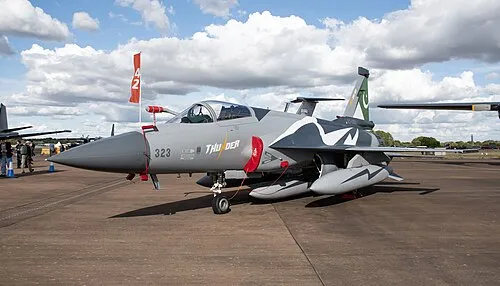
A Pakistan Air Force JF-17C Block 3 fighter jet at the RIAT 2025 air show.
The JF-17C Block 3 fighter, with a maximum takeoff weight of 13,500 kg, has a ferry range of 3480 km. Its range with a combat load and drop tanks is 1740 km. Its maximum speed at high altitude is 1910 km/h. At sea level, it is 1355 km/h. Its service ceiling is 16,900 m.
Pakistani Thunder fighters of all modifications are armed with a built-in twin-barrel 23-mm Type-23-2 cannon (a copy of the GSh-23-2).
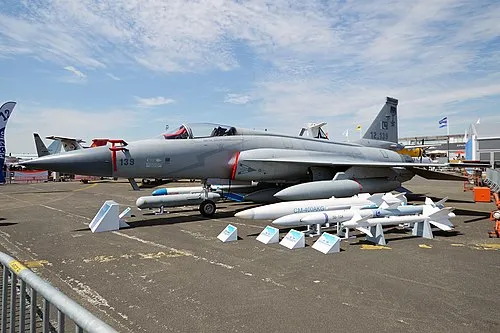
Eight hardpoints can accommodate a payload of up to 4000 kg. Chinese PL-5EII, PL-9C, and PL-10E heat-seeking missiles are designed for close-in air combat. For long-range attacks, the PL-12 (SD-10A) and PL-15E radar-guided missiles are available.
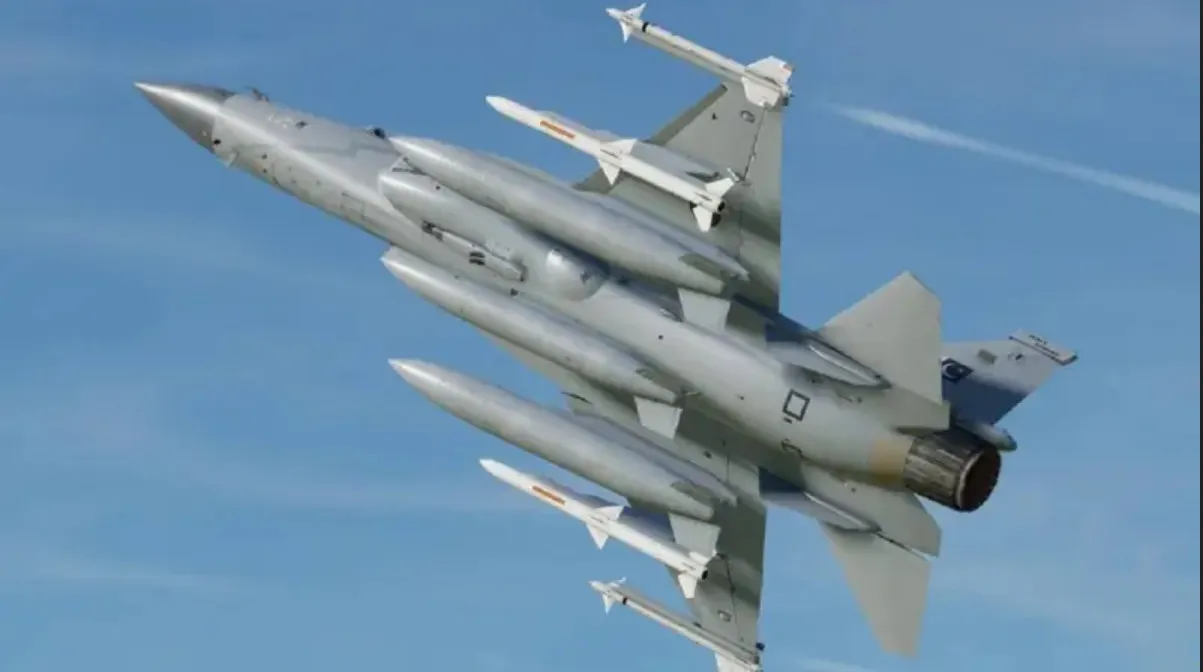
Unguided rockets and free-fall bombs, as well as anti-ship missiles, guided bombs, and missiles with various guidance systems from China and Pakistan, can be used against ground and surface targets. To enable the use of precision-guided air-to-air weapons at any time of day, JF-17C Block 3 fighters are equipped with ASELPOD pods containing targeting and search equipment manufactured by the Turkish company Aselsan.
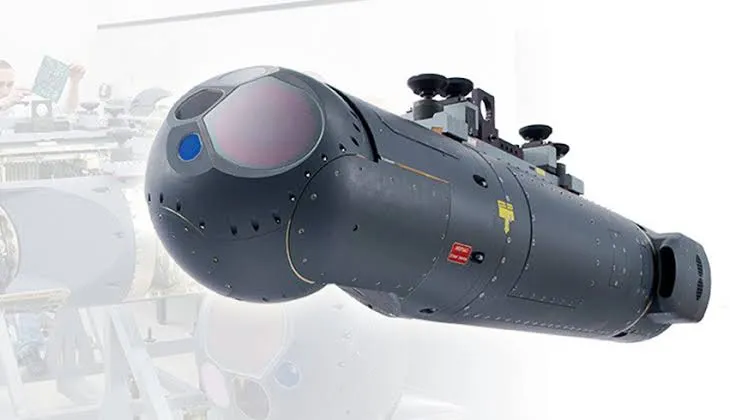
Aselsan ASELPOD target designation pod
The WMD-7 is the Chinese equivalent of the AN/AAQ-14 LANTIRN pod, also used on JF-17 fighters. The 280 kg WMD-7 pod, equipped with a thermal imager, a high-resolution television camera, and a laser rangefinder/designator, ensures reliable detection of ground targets in darkness at a distance of up to 18 km. The laser's maximum range in good air clarity exceeds 13 km.
The latest JF-17 modifications are protected by a defense system consisting of various integrated subsystems. A radar warning receiver, combined with onboard computers, provides data on the direction and range of enemy radars, while an onboard electronic warfare system, with an antenna housed in a fairing at the end of the tail, creates interference for enemy radars. EW It is also linked to the surface-to-air and air-to-air missile approach warning system.
Optical sensors located throughout the fuselage and wings are used to detect SAMs and guided missiles, providing 360-degree visibility and recording the thermal emissions of approaching missiles. Data on various threat types (direction and range) is displayed on displays and the head-up display, automatically activating the release of flares and chaff. External hardpoints can accommodate electronic warfare equipment pods designed to provide group cover for aircraft operating in the same combat formations as the active jamming station carrier.
In 2018, production of the two-seat JF-17B Block 2 combat trainer began, and by the end of 2020, more than 20 of these aircraft had been built. After the first single-seat JF-17C Block 3 entered service in 2022, some twin-seat aircraft were upgraded to Block 3 status.
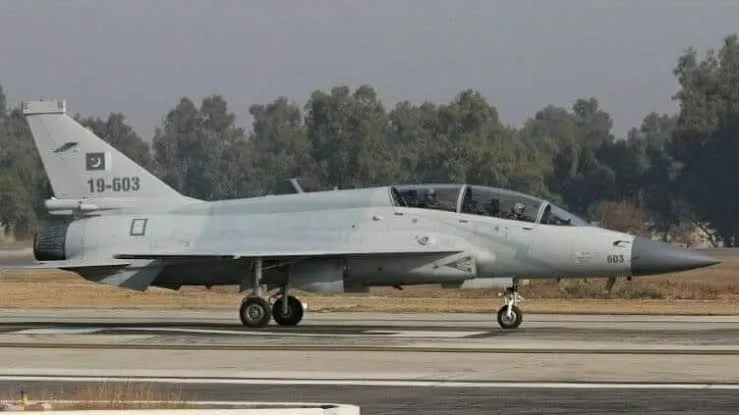
JF-17B Block 2 combat trainer aircraft of the Pakistan Air Force
The JF-17 Block 3 modification is quite refined in terms of reliability, and its key characteristics are comparable to later F-16 variants, yet it is significantly less expensive. Furthermore, the Pakistani-Chinese Thunder's popularity on the global arms market stems from its accessibility to countries that, for various reasons, cannot purchase combat aircraft from the United States or Western European countries.
The JF-17 Block 4 (PFX-Alpha) modification, billed as a 4,5+ generation fighter, is currently under development. In addition to a fundamentally new radar and avionics developed jointly with China, its armament will include new air-to-air and air-to-surface munitions. The fighter will be equipped with new Pakistani passive infrared sensors for target search and tracking, and an electronic warfare system capable of suppressing active phased array radars.
According to plans, key components of the JF-17 Block 4 fighter jet are to be manufactured in Pakistan, which will reduce dependence on foreign policy factors. Although no official timeline has been announced, a Pakistan Air Force representative at the IDEAS 2024 exhibition news Geo News TV channel said the plane is expected to make its maiden flight within the next four to five years.
More than two hundred JF-17 fighters of various modifications have been produced to date. Approximately 40% of components (primarily electronics and weapons) are manufactured in China, and the remainder in Pakistan.
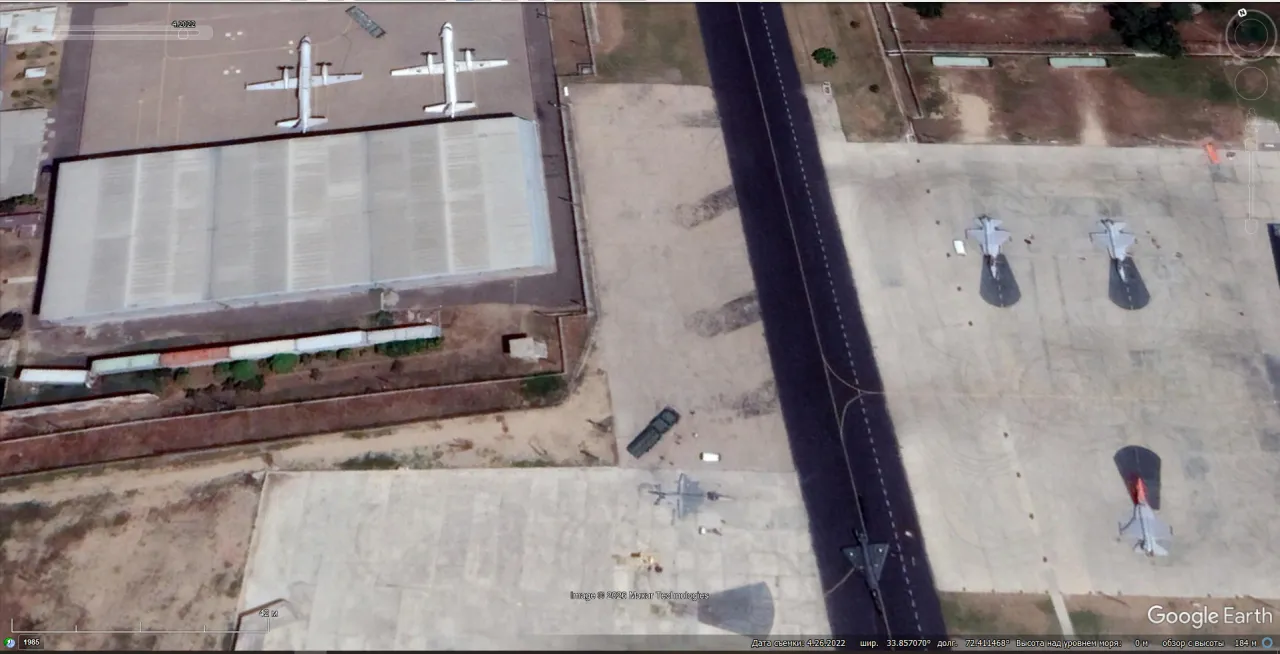
A Google Earth satellite image shows aircraft at the Aircraft Manufacturing Factory in Kamra. The image was taken in April 2022.
Final assembly of the aircraft takes place at the Aircraft Manufacturing Factory (AMF) in Kamra, Punjab province, approximately 65 km northwest of Islamabad.
Although the JF-17 fighters are produced jointly by China and Pakistan, the leading role in the creation of new modifications belongs to the Chinese state corporation Chengdu Aircraft Industries Company, and testing of improved versions is carried out in Chengdu.
JF-17 Thunder fighter jets in service with the Pakistan Air Force
The Pakistan Air Force currently operates approximately 180 JF-17 fighters (26 of which are two-seaters). These aircraft are operated by eight operational squadrons at air bases in Karachi, Kamra, Sargodha, Peshawar, Rafiqi, and Samungli.
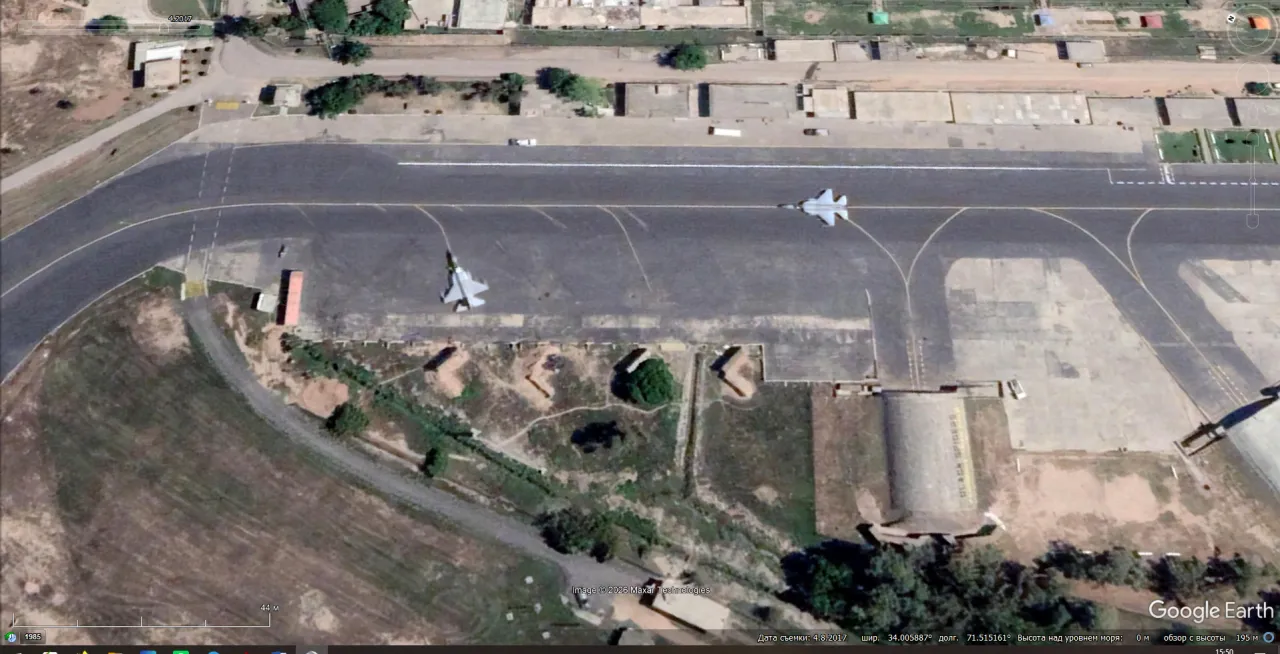
Google Earth satellite image of JF-17 fighter jets at Peshawar Air Base. The image was taken in April 2017.
Approximately fifteen JF-17s are also operated by the 18th Training Squadron, stationed at Bholari Air Base, northwest of Karachi. Several single- and two-seat Chinese-Pakistani fighters are operated by the Combat Applications Centre at Mushaf Air Base in Punjab Province.
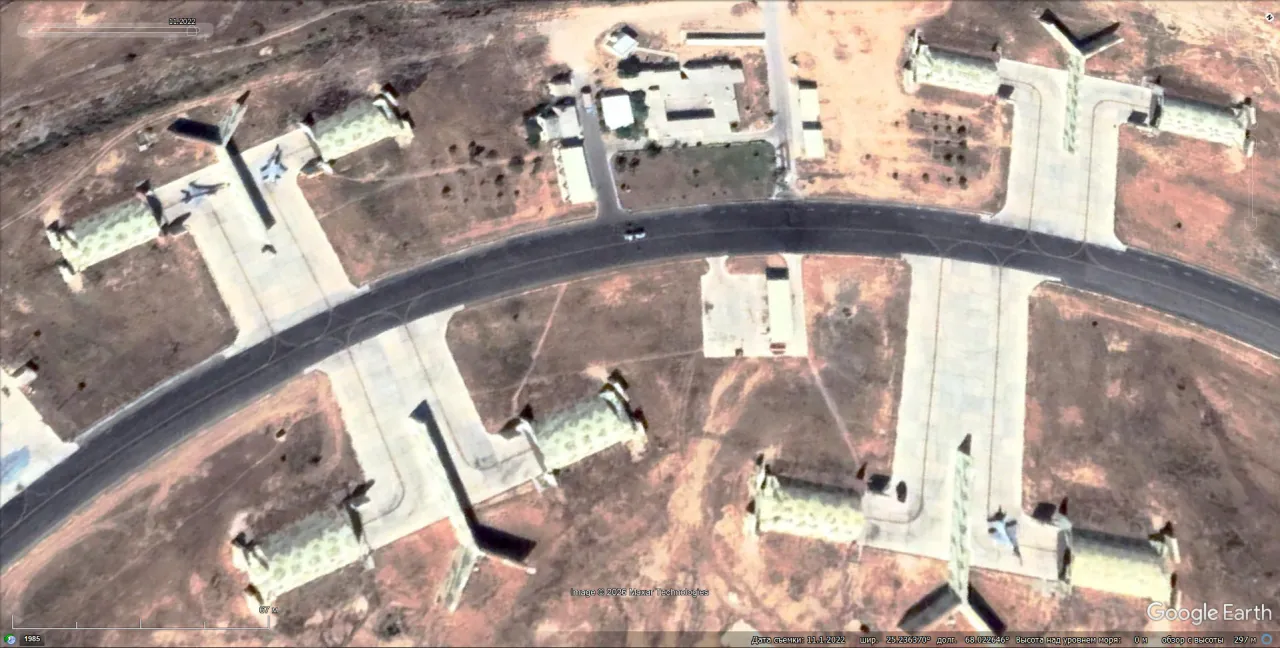
Google Earth satellite image of JF-17 fighter jets at Bholari Air Force Base. The image was taken in November 2022.
Between November 2011 and June 2024, four single-seat and one two-seat fighter jet were lost in flight accidents. On November 14, 2011, the pilot ejected but died due to parachute failure. In all other incidents, the recovery systems operated normally, and the pilots survived.
Pakistan's JF-17s are now considered capable of performing the missions Defense, to fight for air superiority, provide close air support to ground troops, as well as to strike deep into enemy territory and combat enemy fleet.
Pakistan Air Force Thunder fighters saw combat operations almost immediately after the first units were delivered. JF-17A Block 1 fighters, alongside F-16s, carried out strikes against Islamist militants in South Waziristan in late 2009. From 2014 to 2016, during Operation Zarb-e-Azb, they bombed terrorist positions in North Waziristan on the border with Afghanistan. On June 19, 2017, a JF-17 fighter shot down an Iranian UAV over Panjgur in Balochistan. In February 2019, two JF-17 fighters from the 16th Squadron of the Pakistan Air Force hit ground targets in India with 450 kg guided bombs. In February 2019, Pakistani officials claimed that an Indian MiG-21UPG Bison fighter jet shot down a JF-17 over Kashmir.
During the Indo-Pakistan conflict in May 2025, JF-17 Block 3 fighters used CM-400AKG supersonic long-range air-to-surface missiles to strike Indian air defense systems. S-400 anti-aircraft missile system positions were claimed to have been destroyed. However, Indian authorities deny destroying or damaging the S-400. In 2026, in accordance with the Pakistan-Saudi Arabia Strategic Defense Agreement, 16 JF-17 fighters were deployed to Saudi Arabia's King Abdulaziz Air Base.
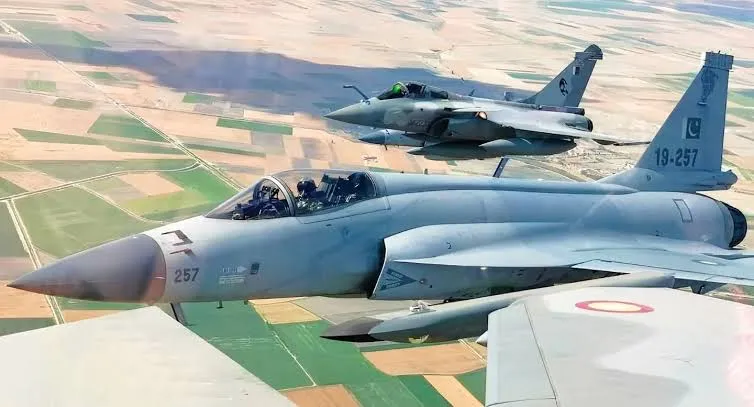
In the past, Pakistani JF-17s of various modifications have frequently taken part in various exercises with PLAAF combat aircraft, as well as in “joint maneuvers” with Western-made fighters, where they have consistently demonstrated their positive side.
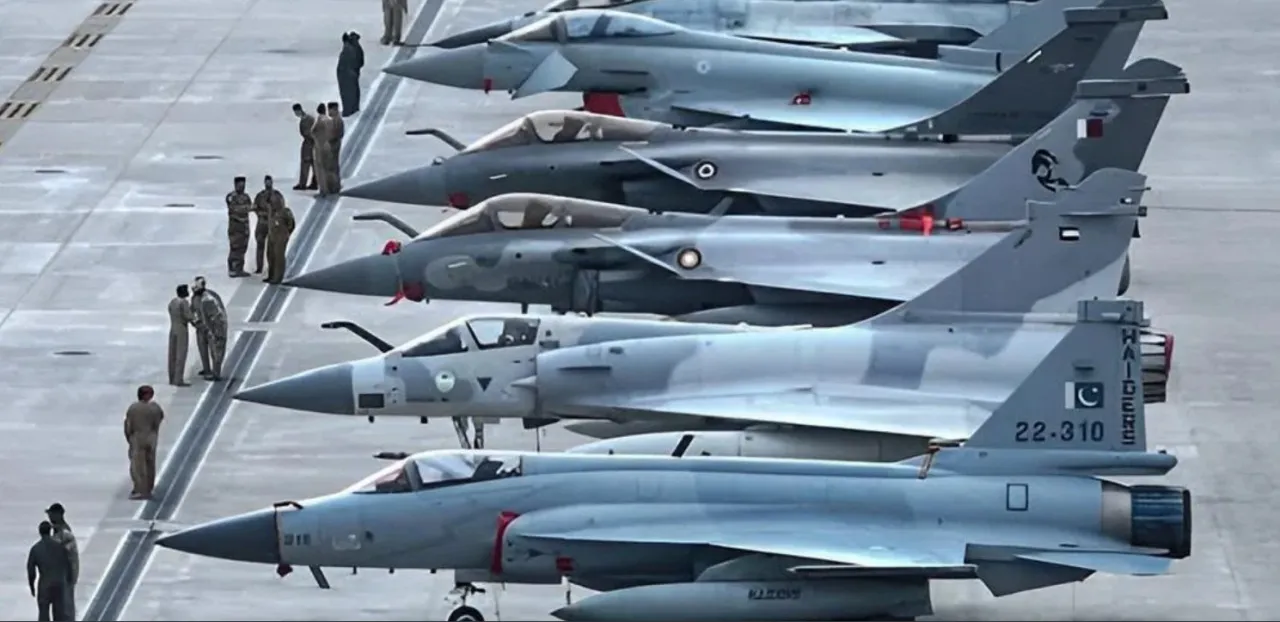
Foreign experts specializing in combat aviation note that the JF-17 Block 3 fighters are equipped with modern avionics, targeting and search systems, and jamming stations, and are capable of carrying weapons equal to or even superior to those in the arsenals of states with which Pakistan is at risk of armed conflict. The Pakistani Thunder also boasts excellent acceleration and maneuverability comparable to fourth-generation fighters, offering hope for victory in close combat.
A significant advantage is its significantly increased service life compared to the J-7 family of fighters. The JF-17 airframe has a designated service life of 4000 flight hours (approximately 25 years of service). During peacetime, operational overloads are limited to +8/-3 G and are limited by the control system. However, these restrictions can be lifted if necessary. In terms of life cycle costs, a single-engine fighter is much more preferable to a heavy twin-engine fighter for poor third-world countries. According to open sources, the cost per flight hour of a single-seat JF-17C Block 3 is approximately $25,000, while for a two-seat Su-30MKI, this figure is approximately $35,000.
Export of JF-17 Thunder fighters
According to media reports, the export price of the JF-17C Block 3 fighter in 2025 was approximately $26 million. Meanwhile, one F-16V Block 70/72 fighter costs customers approximately $65 million, and the less advanced F-16C Block 52+ was priced at $55 million. The JF-17C Block 3 is not significantly inferior to the F-16C. For the same price as one Fighting Falcon, you could buy two Thunderbolts.
Myanmar appears to have been the first customer for the JF-17 fighter jets. The contract for the delivery was signed in 2014, and the delivery of four aircraft occurred in December 2018. As of 2020, the Myanmar Air Force operated four specially modified single-seat JF-17AM Block 2 and two two-seat JF-17MB Block 2 aircraft. The total order amounted to 16 aircraft.
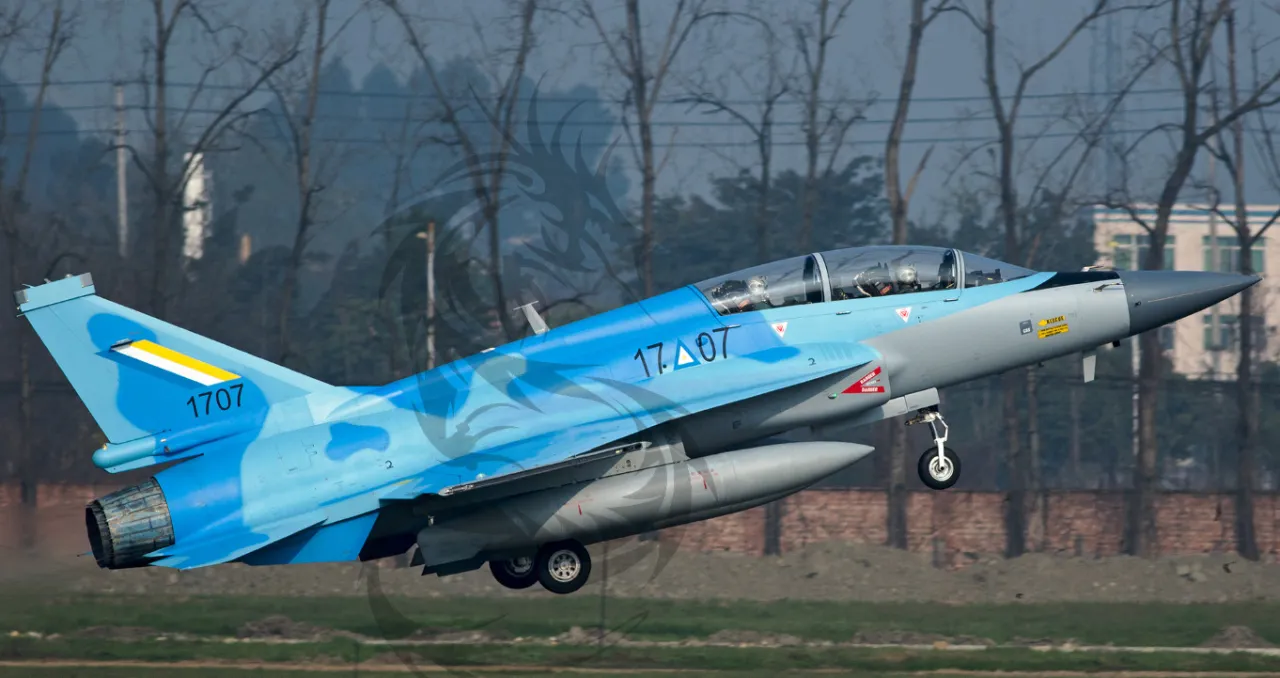
JF-17MB Block 2 combat-trainer aircraft of the Myanmar Air Force
JF-17AM and JF-17MB fighters are stationed at Meiktila Air Base in the central part of the country and at Pathein Air Base in the southwest.
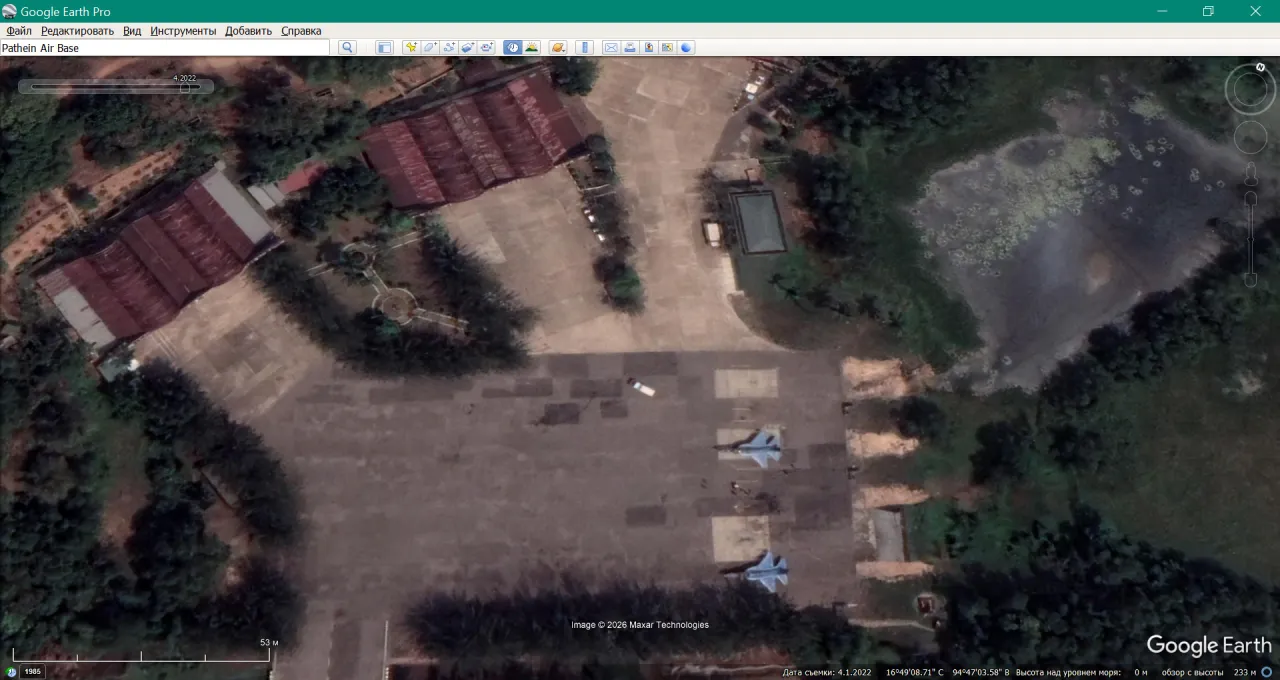
Google Earth satellite image of Myanmar Air Force JF-17 fighter jets at Pathein Air Base. The image was taken in April 2022.
Currently, Myanmar has at best half of its JF-17 fighter jets operational. Maintaining the aircraft in flight condition is hampered by poor maintenance and a shortage of spare parts, caused by international sanctions imposed by several Western countries against the military junta that seized power in the country. It was recently reported that Pakistan has sent a team of engineers and technicians to Myanmar to assist with the repair and maintenance of the JF-17 fighter jets.
In October 2018, the Pakistani government approved the sale of an unspecified number of JF-17A Block 2 fighter jets, spare parts (including engines), and weapons to Nigeria for $184 million. The contract also included training for pilots and maintenance personnel. These aircraft and their associated cargo were delivered by an Il-76 aircraft to Makurdi Air Base in March 2021 and officially entered service with the Nigerian Air Force on May 21, 2021.
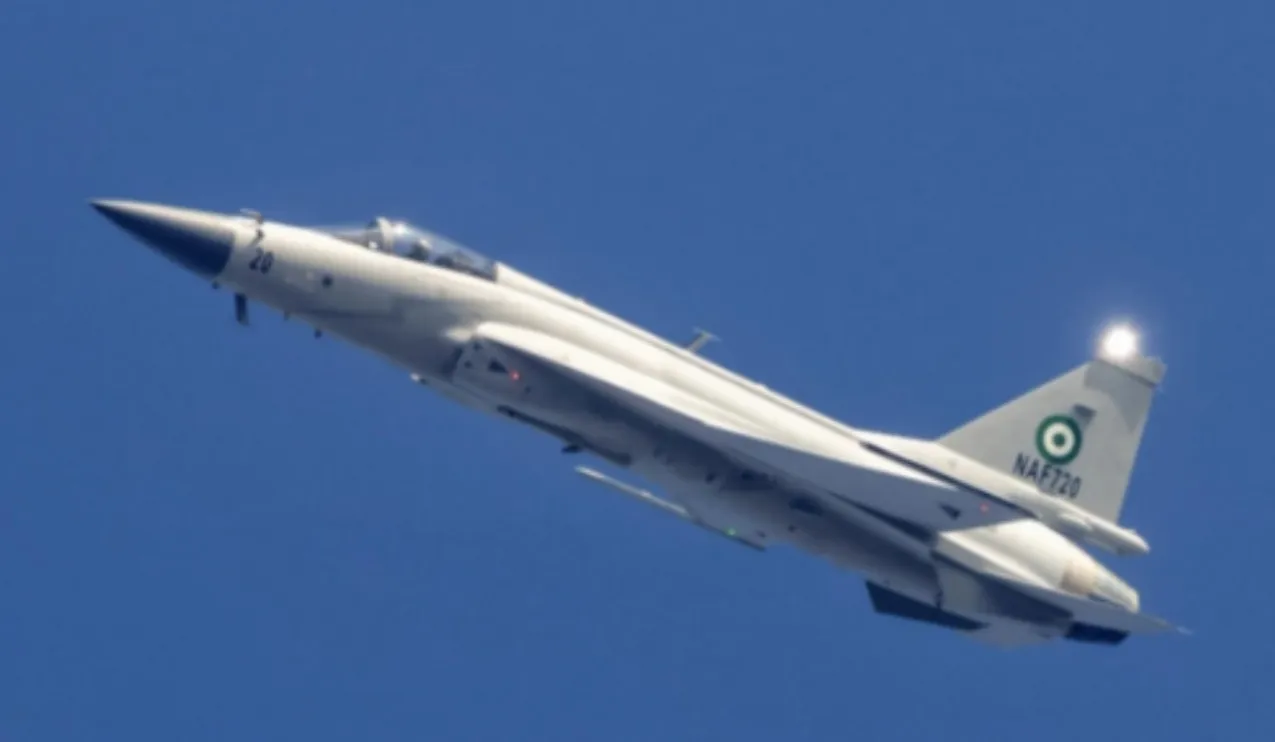
JF-17A Block 2 fighter jet of the Nigerian Air Force
In January 2023, the Chief of the Nigerian Air Force Staff, Air Marshal Isiaka Oladayo Amao, confirmed that JF-17s were being used in counterterrorism and counterinsurgency operations in Nigeria. In early December 2025, three aircraft were deployed to the Republic of Benin, where they carried out airstrikes against rebel forces during an attempted coup.
In 2018, media reports surfaced that Azerbaijan and Pakistan were negotiating the sale of combat aircraft, and it was clear from the outset that the deal specifically involved JF-17 fighters. On February 22, 2024, Azerbaijan signed a $1,6 billion contract with Pakistan for the purchase of an unspecified number of JF-17 Block 3 fighters, including aircraft, spare parts, training, and ammunition. Although the number of aircraft purchased was not disclosed, unofficial sources reported that the Azerbaijani Air Force would receive 40 fighters, which would be stationed at the Nasosnaya Air Base.
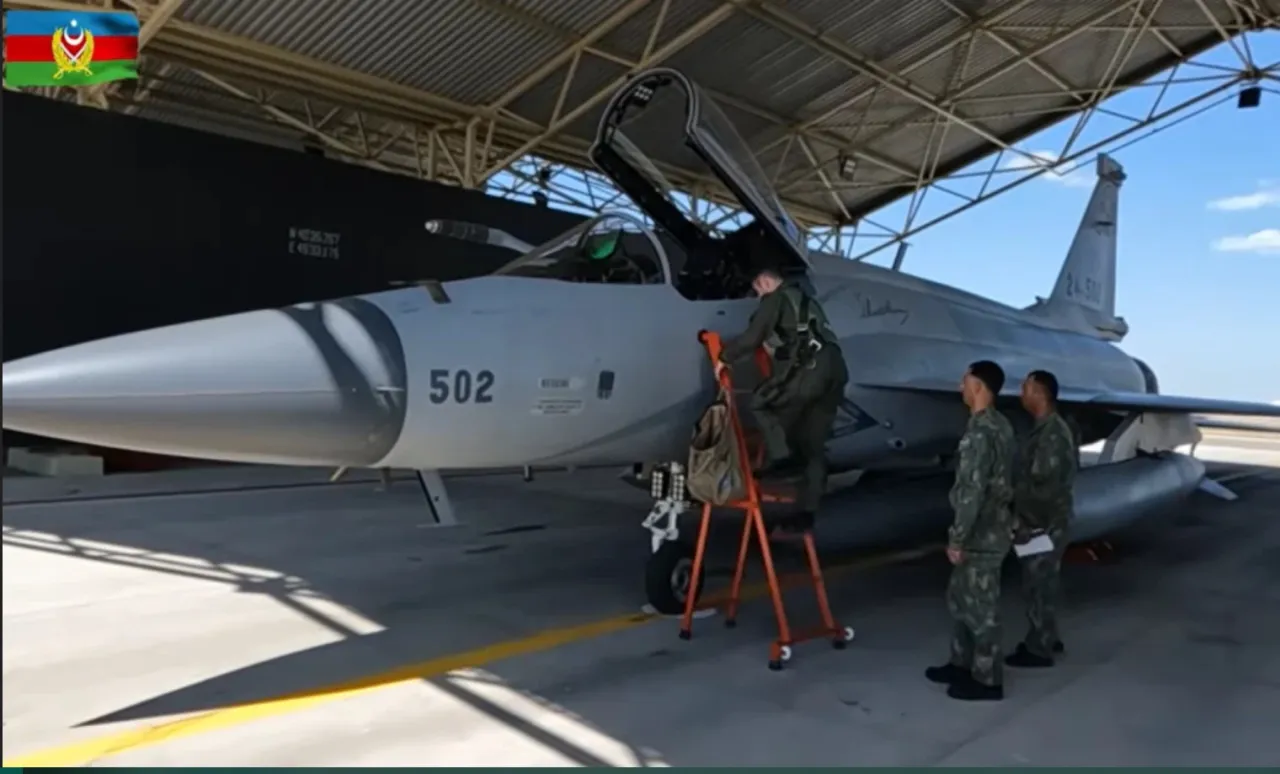
JF-17 Block 3 fighter jet of the Azerbaijan Air Force
On September 25, 2024, during the AIDEX-24 International Defense Exhibition, the JF-17 Block 3 fighter was demonstrated to the President of Azerbaijan. The aircraft was also featured in a television report. The official delivery of the first batch of four single-seat and one two-seat fighters to the Azerbaijani Air Force took place in October 2025.
Argentina, Bangladesh, Zimbabwe, Indonesia, Iraq, Morocco, Saudi Arabia, and Sri Lanka have expressed interest in purchasing JF-17 fighters. Confirmed customers include the Libyan National Army (16 fighters), led by Marshal Khalifa Haftar, and the Somali Air Force (24 fighters). Turkey is apparently financing Somalia's purchase of the JF-17.
JL-9 combat training aircraft
In the late 1990s, it became clear that the PLAAF and PLA Navy fighter aircraft would eventually phase out the J-7 fighters and the two-seat JJ-7 combat trainer. A key advantage of the JJ-7 was its ability to simulate the flight modes of supersonic fighters, and a new aircraft was needed for in-depth training, which could also be used to maintain the flight skills of Chinese pilots while preserving the service life of fourth-generation combat aircraft.
At the same time, in order to reduce the cost of development and serial production, it was desirable to build a new combat training aircraft based on already well-developed design solutions and to combine in the new combat training aircraft the flight characteristics of the modernized J-7 with modern avionics (in particular, a “glass” cockpit) and a weapons system that ensures the development of the use of modern and promising high-precision air-to-air weapons.
At the Zhuhai International Aviation and Space Show in November 2000, Guizhou Aviation industry Group (GAIC) demonstrated a model of the FTC-2000 Mountain Eagle combat training aircraft, and on December 13, 2003, the prototype made its maiden flight.
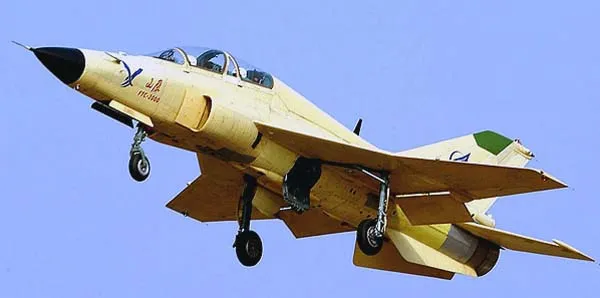
FTC-2000 combat training aircraft prototype
The FTC-2000, developed from the JJ-7, received a new nose, delta wing, side air intakes, and a "glass cockpit." The engine, tail unit, and controls were inherited from its predecessor.
The two-seat trainer has a maximum takeoff weight of 9800 kg. The WP-13F turbofan engine, with a maximum thrust of 4400 kgf without afterburning, provides a cruising speed of 880 km/h. The maximum speed closely approaches the speed of sound, and the engine's thrust-to-weight ratio (6450 kgf with afterburner engaged) allows it to exceed it, but for safety reasons, the maximum flight speed is limited to subsonic. The service ceiling is 16,000 m. When using external fuel tanks, the aircraft can remain airborne for three hours. The ferry range is 2400 km.
When armed, the operational range does not exceed 800 km. The integrated armament includes a 23mm cannon. Five external pylons can carry a payload of up to 2000 kg, including aerial bombs, unguided rocket pods, up to three jettisonable fuel tanks, and PL-8 and PL-9 air-to-air missiles.
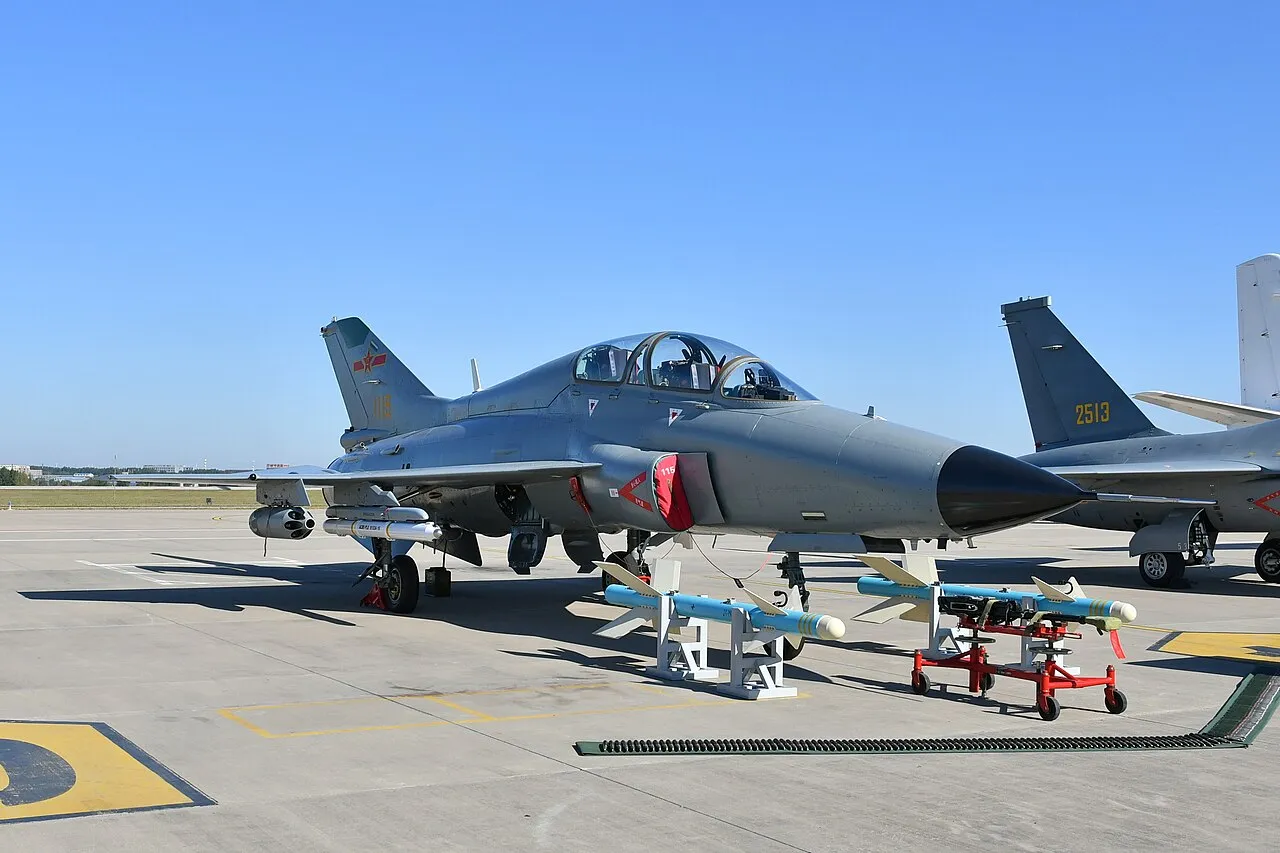
Armament of the JL-9 UBS
In 2013, following the official acceptance of the FTC-2000 into service with the PLAAF, it was designated the JL-9. Serial production is carried out at the GAIC facility in Anshun.
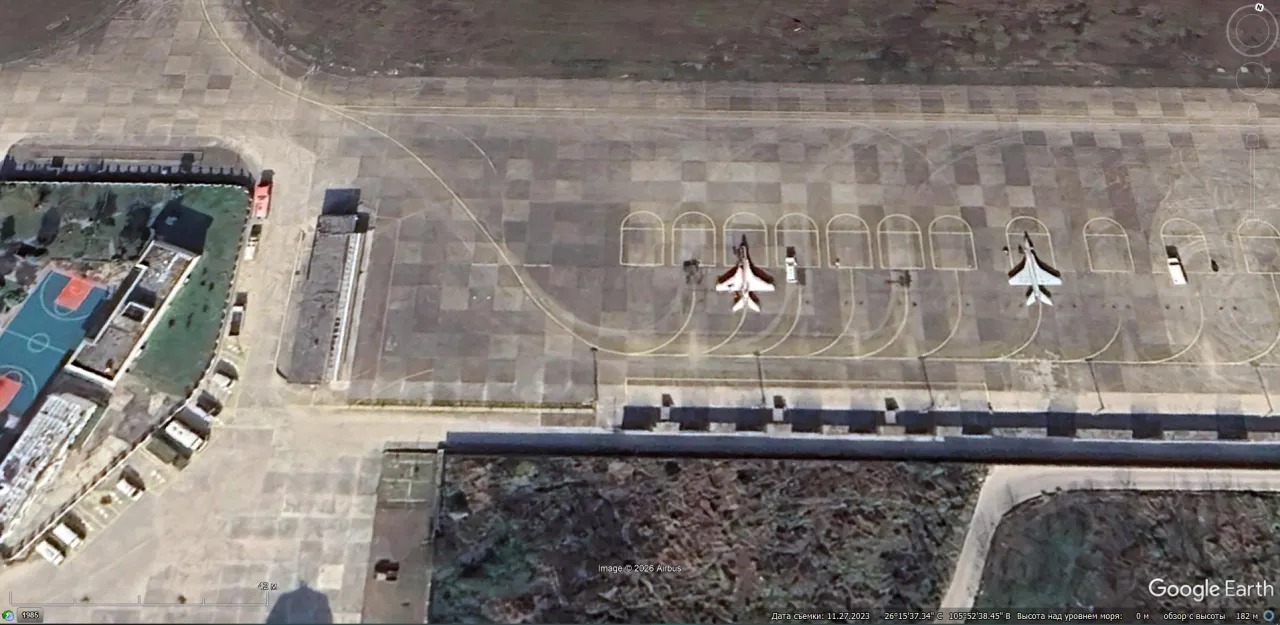
Google Earth satellite image of JL-9 combat trainer aircraft at the Anshun factory airfield. The image was taken in November 2023.
In 2014, three dozen JL-9 aircraft were delivered to the PLAAF's training regiment. The Navy ordered 28 of these aircraft to train pilots flying from coastal airfields.
China's large-scale aircraft carrier construction program and the rapid development of Chinese carrier-based aviation necessitated the development of a specialized combat trainer aircraft with greater endurance and specialized equipment. The carrier-based trainer, designated JL-9G (FTC-2000G), first flew in 2018. The aircraft's maximum takeoff weight is 11,000 kg.
This aircraft features an increased wing area, increased the number of hardpoints to seven, modified air intakes, reinforced landing gear, and a tailhook for deck landings. However, due to the increased weight, the range has been reduced by approximately 15% compared to the "land-based" JL-9. At the same time, the use of a WP-14 engine with a maximum afterburning thrust of up to 7500 kgf and a more robust airframe design have increased the maximum speed to 1470 km/h.
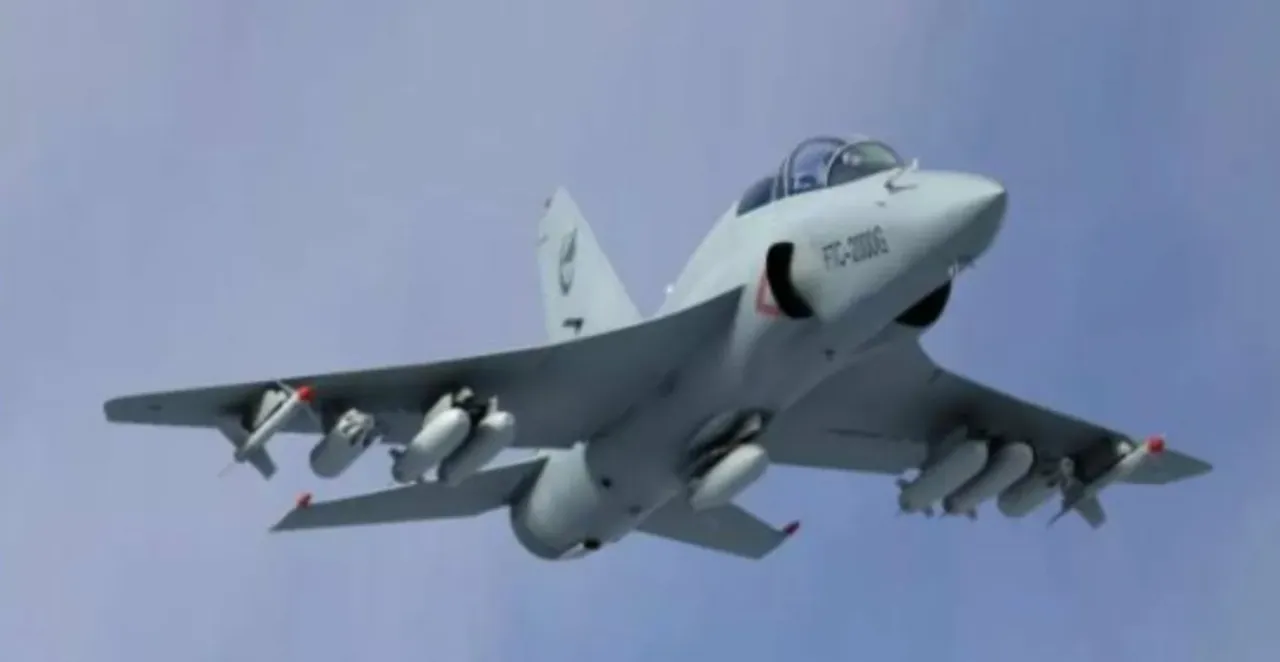
JL-9G combat training aircraft
Unlike the JL-9 used by the PLAAF, the carrier-based JL-9G is equipped with a radar, the type and specifications of which are not disclosed. The JL-9G's armament includes PL-12 air-to-air missiles with an active radar seeker capable of engaging aerial targets at ranges of over 100 km, as well as CM-102 anti-radar homing missiles designed to destroy ground and surface targets that emit high-frequency radiation at ranges of up to 90 km. According to reference data, the Navy has purchased 12 JL-9G aircraft.
Considering that the export FTC-2000 combat trainer possesses a certain strike potential and is capable of defensive air combat against fighters, helicopters, transport aircraft, and attack aircraft, and its cost does not exceed $10 million, this aircraft is of interest to foreign customers. However, it cannot be said that the combat use of FTC-2000 aircraft sold outside of China has been very successful.
Sudan purchased six FTC-2000s in 2018, and Myanmar received 12 aircraft in 2022. The militaries of these countries have actively used the Chinese-made fighter jets against rebels. In April, the rebel Sudanese Rapid Reaction Forces attacked Merowe Air Base, destroying one FTC-2000 and capturing the base. Several Egyptian MiG-29s stationed there were also damaged. On January 16, 2024, a Myanmar Air Force FTC-2000 was shot down by a MANPADS missile in Shan State, killing both pilots. In July 2025, another FTC-2000, providing close air support to junta forces during the battle for the town of Hpasaung, came under anti-aircraft fire and, damaged, crashed near a village in Bago District. The fate of the crew is unknown.
Compared to the volume of F-7 fighter jets (the export version of the J-7) delivered in the past, the success of the FTC-2000 aircraft on the global arms market, despite intense advertising, has been modest, which is unsurprising. By the standards of the second decade of the 21st century, its strike potential and weapons range are not particularly impressive. Furthermore, as experience has shown, attempts to use single-engine aircraft in the attack role, which lack ballistic protection for the cockpit and its most vulnerable components, are fraught with significant losses.
Regarding the use of the JL-9 in the PLAAF, judging by the modest volumes of training aircraft purchased by China, the attempt to introduce a low-cost Chinese analogue, the Northrop T-38 Talon, based on the J-7 fighter and designed for advanced training of cadets who would later transition to supersonic fighters, was unsuccessful. The JL-10 trainer, developed by Hongdu with the participation of Russia's Yakovlev Design Bureau, proved far more successful.
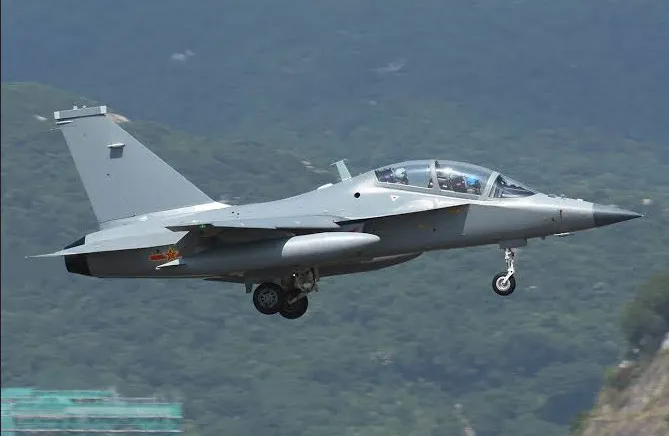
JL-10 combat training aircraft
This aircraft, with a maximum takeoff weight of 9500 kg, is powered by two AI-222K-25F turbofan engines (4200 kgf of afterburning thrust each), capable of reaching a speed of 1510 km/h at high altitude. The aircraft features an integrated aerodynamic design with extensive wing extensions, a digital quadruple-redundant control system, and a "glass cockpit" with multifunctional displays. This allows it to simulate the behavior of modern fighter jets at angles of attack of up to 30°. Its service ceiling is 16,000 m, and its ferry range is 2600 km. Seven hardpoints can accommodate a payload of up to 3500 kg. Serial production of the JL-10 began in 2013. As of 2025, more than 100 aircraft of this type have been built.
To be continued ...
Information