Twenty names in one act: who was shot in Kuibyshev and what were they accused of?
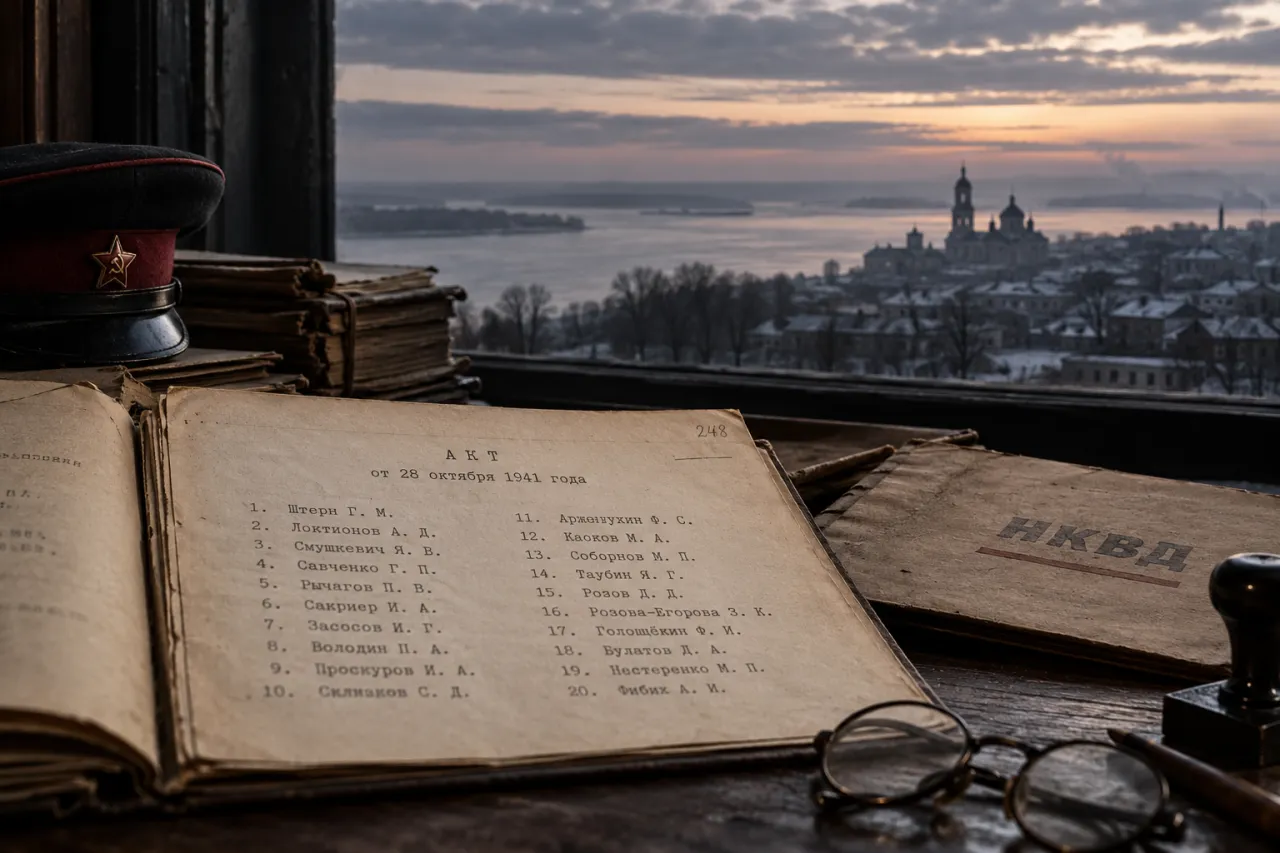
On July 9, 1941, the Military Collegium of the Supreme Court of the USSR acquitted Mikhail Kedrov and ordered his release. He never left prison: four months later, on November 1, he was executed by firing squad in Saratov—even though the acquittal was still in effect.
Kedrov was not among the twenty people executed on October 28 in Kuibyshev, but his name appeared on the same order from Lavrenty Beria, alongside those of generals, pilots, weapons specialists, and party officials. The Kuibyshev order referred to these people as "convicted," and the execution as the execution of a "sentence," even though there was no trial.
October 28th marks the 85th anniversary of the Kuibyshev massacre. Surviving documents allow us to determine when and in which city each of the twenty-five people listed in Beria's order was executed.
From twenty-five names to one act
By the fall of 1941, NKVD prisons were filled with people arrested in different years and for various reasons. Former First Secretary of the Omsk Regional Committee Dmitry Bulatov had been imprisoned since January 1938, and former leader of Kazakhstan Filipp Goloshchyokin since October 1939. Designer Yakov Taubin was arrested in May 1941; in early June, Grigory Shtern and Yakov Smushkevich were taken into custody. Colonel General Alexander Loktionov and Major General artillery Georgy Savchenko was arrested on June 19, even before the German attack. Rychagov on June 24, Nesterenko on the 25, and Volodin and Proskurov on the 27. The last arrests occurred during the first week of the war.
As German troops approached Moscow, the prisoners were evacuated. People previously unconnected ended up in Kuibyshev. They were united not by a common investigation or a common sentence, but by an order from the People's Commissar of Internal Affairs. The order does not explain the principle by which these twenty-five people were selected.
On October 18, Beria signed order No. 2756/B for the execution of twenty-five prisoners. It was published under No. 617 in the collection "State Security Agencies of the USSR in the Great Patriotic War" (Vol. 2, Book 2, Moscow, 2000, p. 215). Execution was entrusted to NKVD officer Demyan Semenikhin: under document No. 7/2-5017, twenty people were released to him from the internal prison of the NKVD Directorate for Kuibyshev Oblast.
On October 28, these twenty men were executed. The report was published in the same collection under No. 639 (p. 248) and retained all twenty names in a specific order. The charges listed in the biographical notes to the order show what the investigation imputed to each individual.
Stern and Smushkevich: From Khalkhin Gol to Kuibyshev Prison
In the summer of 1939, at Khalkhin Gol, Army Commander 2nd rank Grigory Shtern commanded the front group of Soviet troops, Georgy Zhukov commanded the army group, and Yakov Smushkevich led the Soviet aviationStern received the title Hero of the Soviet Union, Smushkevich received a second Gold Star; Stern became a Colonel General later, in 1940.
Two years later, their fates diverged. From October 11, 1941, Zhukov commanded the Western Front, which defended Moscow. Stern, who headed the Main Directorate at the beginning of the war, Defense, and Smushkevich, who served as assistant to the Chief of the General Staff for aviation, were imprisoned.
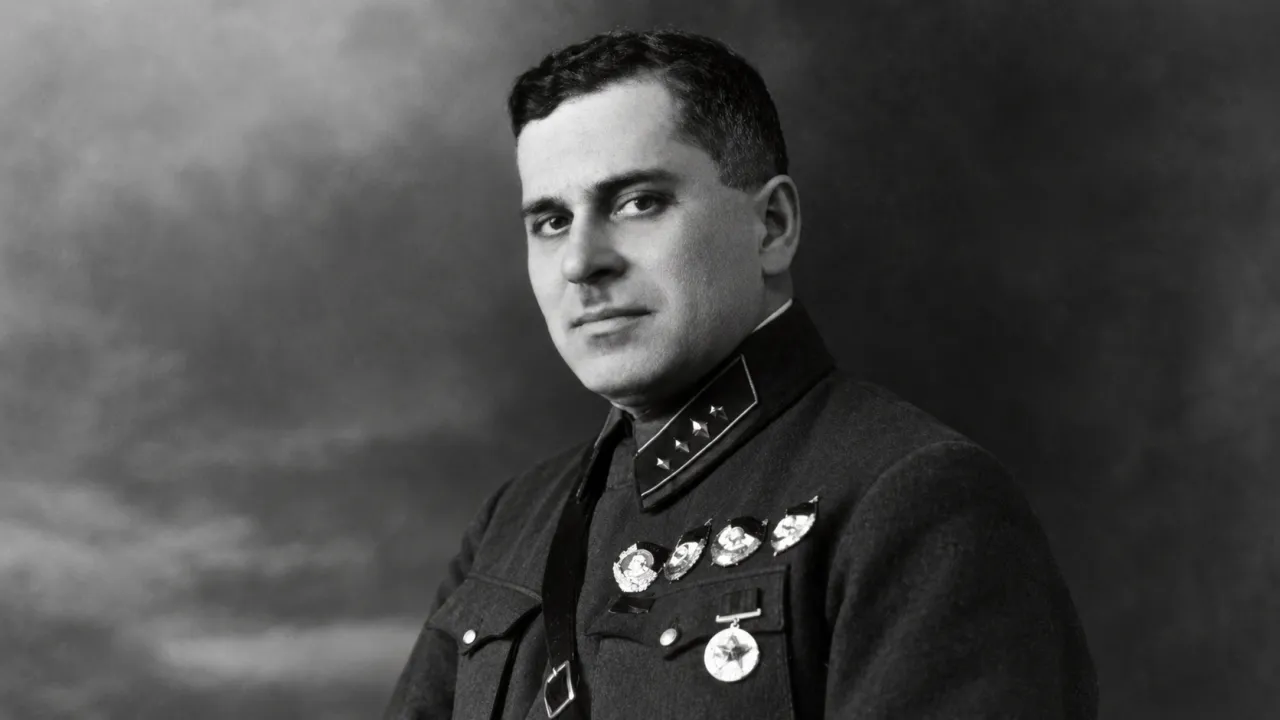
Grigory Stern. Photo: newspaper “Red Bashkiria”, September 14, 1939
By order of August 6, 1939, Smushkevich demanded that aircraft be brought to readiness and that flight crew training be organized, taking into account the experience of recent aerial battles. The order was published in the collection "Armed Conflict in the Khalkhin-Gol River Area. May–September 1939" (Moscow: Novalis, 2014); "Military Review" reported on the battles themselves in an article. “Once again about Khalkhin Gol”.
Two years later, Smushkevich was arrested. The Great Russian Encyclopedia dates the arrest to June 8 (in the notes to document No. 617, it's June 7). He was charged with military conspiracy, sabotage, and espionage, while Stern was accused of participating in a conspiracy and preparing a coup.
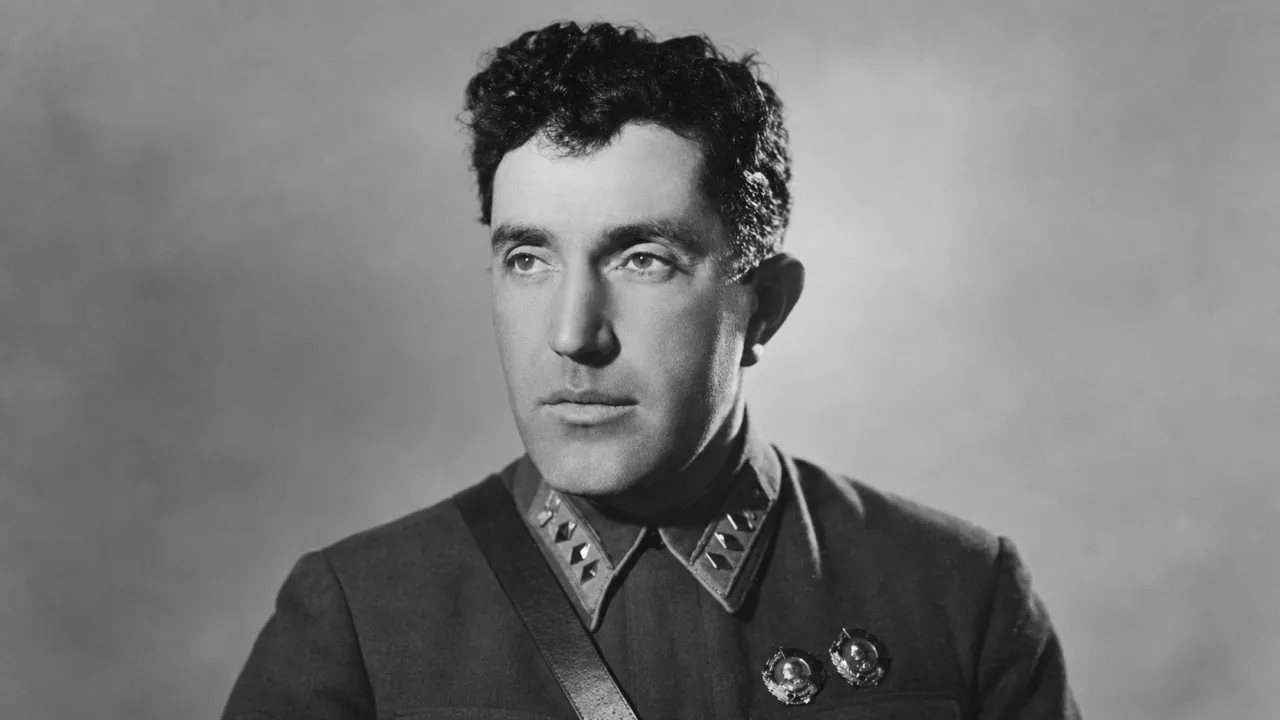
Yakov Smushkevich, 1938. Photo: Ogonyok magazine, No. 11
The same list also includes former Air Force commander Alexander Loktionov, Air Force Chief of Staff Pavel Volodin, Aviation Academy director Fyodor Arzhenukhin, and Air Force Lieutenant General Ivan Proskurov. The latter fought in Spain and led Soviet military intelligence, commanding the 7th Army Air Forces before his arrest. In a confrontation with Smushkevich on July 21, 1941, Proskurov denied involvement in criminal activity. His patronymic was mistakenly recorded as "Ivanovich" in the order, but was corrected to "Iosifovich" in the report.
Rychagov and Nesterenko: two biographies in one list
Lieutenant General of Aviation Pavel Rychagov fought in Spain and China and was a Hero of the Soviet Union. From August 1940, he headed the Main Directorate of the Air Force, and from February 1941, he held the position of Deputy People's Commissar of Defense; in the spring, he was dismissed amid criticism of the high accident rate. Admiral Ivan Isakov later recalled Rychagov's harsh remark about "coffin" aircraft in a conversation with Konstantin Simonov—although this conversation was recorded in 1962, many years after the events.
On June 24, 1941, Rychagov was arrested. In a memo to the CPSU Central Committee dated August 2, 1954 (collection "Rehabilitation: How It Was," Vol. 1, Moscow, 2000, pp. 164–166), Prosecutor General Roman Rudenko cited investigators' testimony regarding the pilot's beating prior to his confrontation with Smushkevich: investigator A. A. Bolkhovitin reported that Rychagov complained of a damaged eardrum. Rychagov denied the charge of espionage during the confrontation, and during a review of the case, the prosecutor's office found no objective evidence of his guilt.
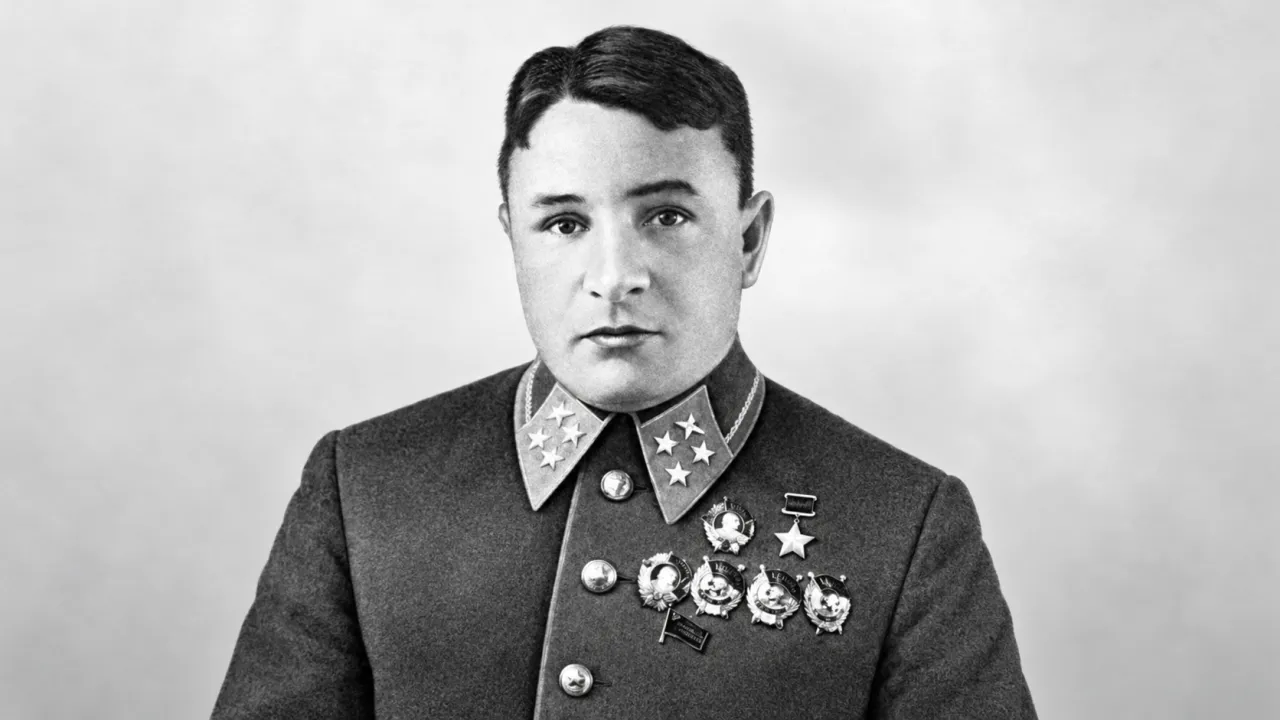
Pavel Rychagov, Lieutenant General of Aviation and Hero of the Soviet Union
His wife, Maria Nesterenko, was an aviation major and deputy commander of a special forces regiment. On July 27, 1940, she took off in the TsKB-30 "Ukraine." Together with co-pilot Maria Mikhaleva and navigator Nina Rusakova, the crew attempted to set a women's world record for nonstop flight distance from Khabarovsk to Lvov. Due to bad weather, the flight was not completed: after 22 hours and 32 minutes in the air, the plane landed in the Kirov region.
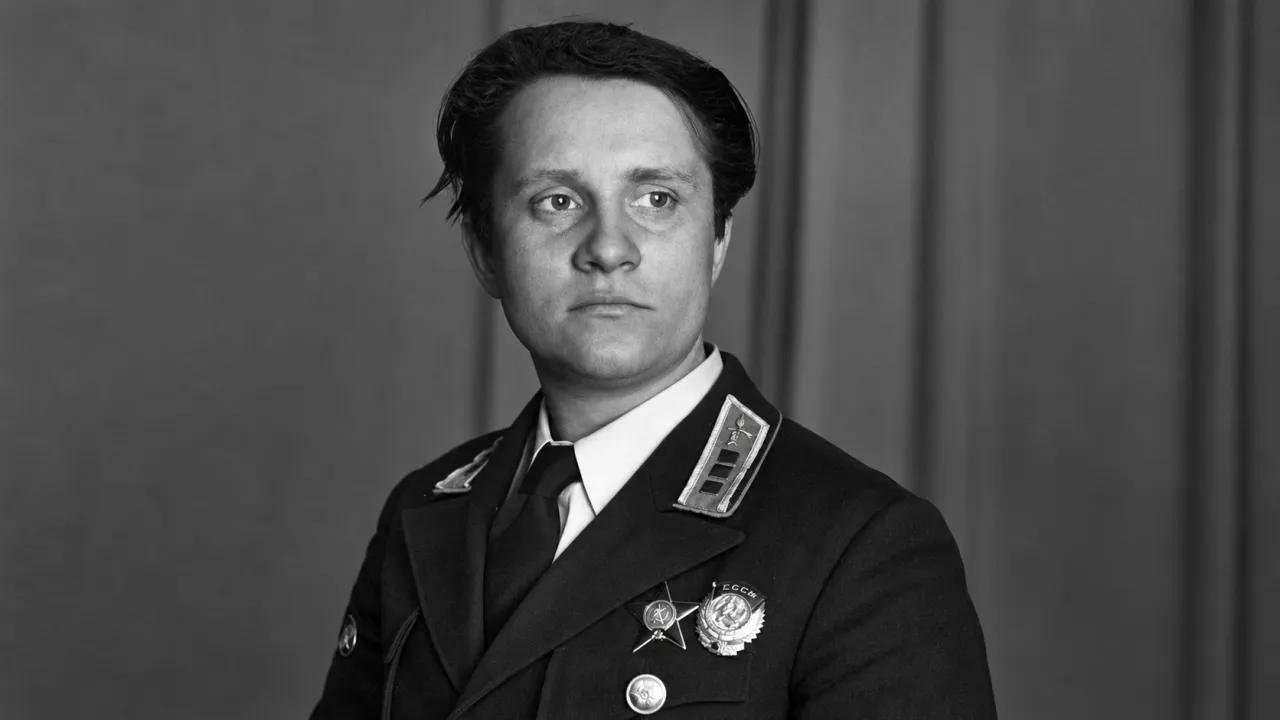
Maria Nesterenko, 1937. Photo: Mark Markov-Grinberg / TASS
Nesterenko was arrested on June 25, the day after her husband. According to the published case notes, she was accused of knowledge of his alleged anti-Soviet activities; this charge does not include any independent actions that the investigation would consider espionage or sabotage.
The charges against Alexandra Fibikh, the wife of Artillery Major General Georgy Savchenko, were similarly constructed: she was accused of knowing about her husband's alleged affairs and failing to report them. Both women were executed on October 28, along with their husbands. In the Kuibyshev case, Rychagov is listed fifth, Savchenko fourth, Nesterenko nineteenth, and Fibikh last. One document combined two family cases in which the charges against the wives were built primarily around their husbands.
The third couple—David Rozov and Zinaida Rozova-Egorova—differed from the first two: both spouses faced separate charges. David was accused of participating in an anti-Soviet organization and espionage for foreign countries, while Zinaida was accused of participating in a Trotskyist organization and espionage for Germany.
Taubin: technical failures and accusations of sabotage
Yakov Taubin headed OKB-16, which developed the automatic grenade launcher and the 23mm MP-6 aircraft cannon. Testing revealed serious flaws: the cannon experienced delays when firing, the magazine feed was unreliable, and the strong recoil when mounted on the LaGG-3 fighter damaged the mount to the M-105P engine. In the spring of 1941, the military preferred the Volkov and Yartsev (VYa) cannon, and MP-6 production ceased. "Military Review" examined the details of the cannon's development in an article. "The tragedy of designer Taubin".
Taubina was arrested on May 16. The investigation presented the design's failures as a deliberate failure to arm the Red Army. Technical story The existence of defects in the product allows us to establish that defects existed, but does not, in itself, prove the intent underlying the charges. These circumstances are examined by Ruslan Chumak in his study "The Highest Measure of Responsibility" (Kalashnikov, 2012, No. 12, pp. 32–39).
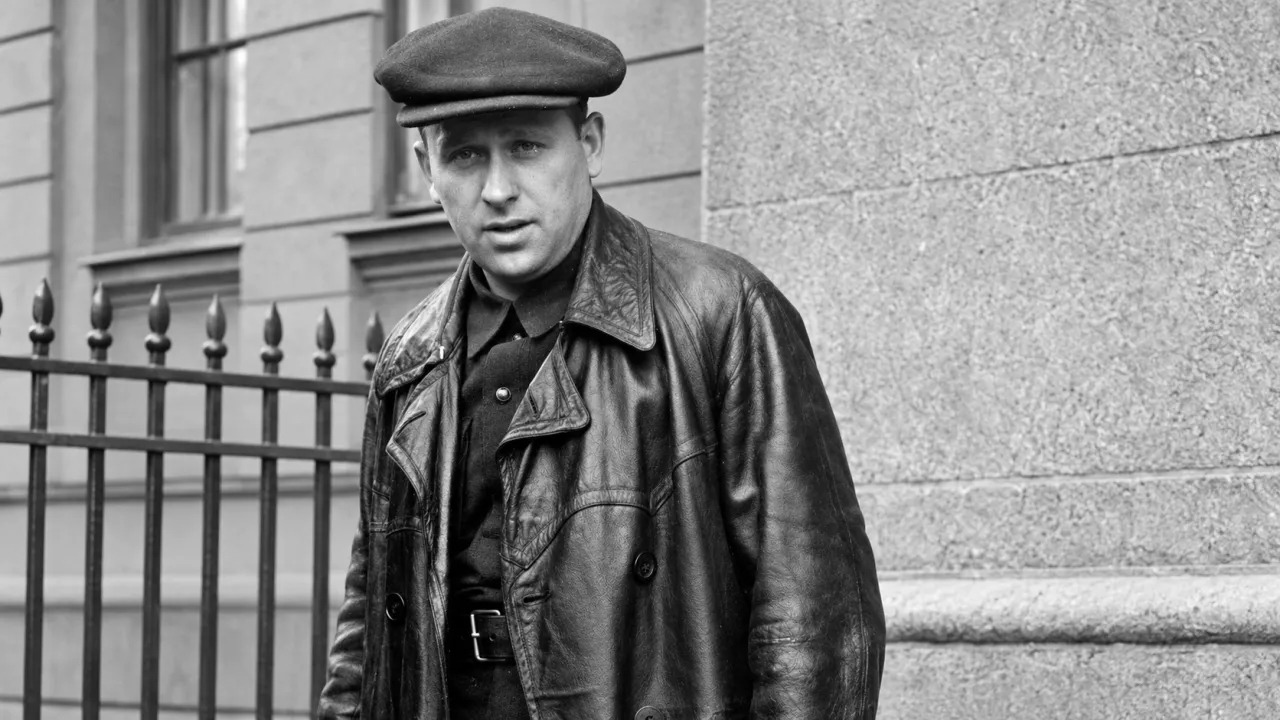
Yakov Taubin, head of OKB-16
On July 11, State Defense Committee Order No. 101 ordered the use of 400 already manufactured MP-6 anti-aircraft guns for anti-aircraft mounts and their installation with sights. According to Chumak's research, some of these guns were used to repel air raids on Tula in late October. Taubin himself was no longer involved with them: he had been in custody since May, and on October 28, he was executed in Kuibyshev.
The heads of various army armament departments were on the same list with Taubin: Georgy Savchenko, Ivan Zasosov, Stepan Sklizkov, Mikhail Sobornov, and Ivan Sakrier.
Kedrov: The acquittal was upheld.
Mikhail Kedrov previously headed the Special Department of the Cheka. In April 1939, he was arrested, and the investigation was led by NKVD officer Yefim Libenson. On July 9, 1941, the Military Collegium of the Supreme Court of the USSR acquitted Kedrov and ordered his release.
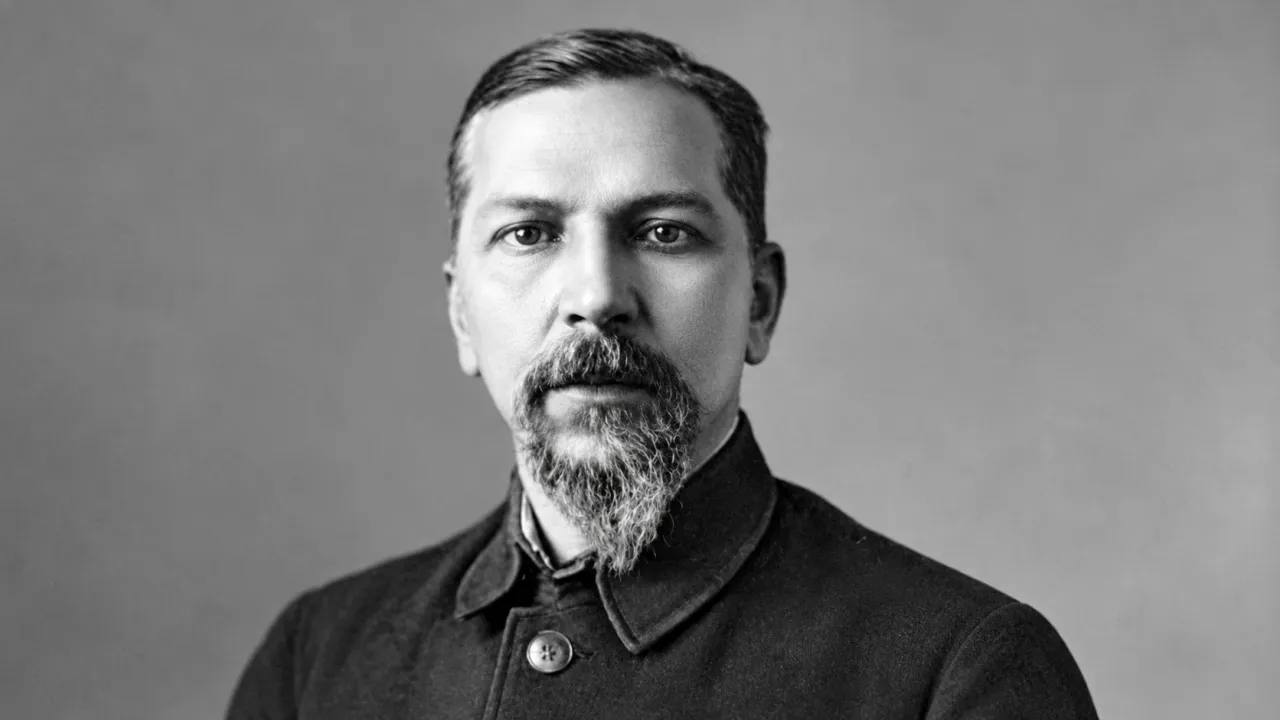
Mikhail Sergeevich Kedrov (1878–1941) was a Russian revolutionary, Bolshevik, and member of the Soviet secret services.
In 1955, Libenson's own actions were investigated. The draft indictment for his case, dated March 28, describes the investigators' attempt to overturn the acquittal; the Supreme Court, according to this document, found no grounds for this. Kedrov was still remanded in custody. Witness Adamov recalled Libenson's words that Kedrov would be tried "under a special procedure." The draft was published in the collection "The Politburo and the Beria Case" (Moscow: Kuchkovo Pole, 2012, pp. 816–824).
On November 1, Kedrov was executed in Saratov along with three other people from Beria's list. Samuil Weinstein, former deputy people's commissar for the fishing industry, was accused of participating in a right-wing Trotskyist organization, ties to Polish intelligence, and sabotage; Ilya Belakhov, director of the Institute of Cosmetics and Hygiene, was charged with an anti-Soviet organization and undermining party and government activities; and Anna (Khaya) Slezberg, head of the food industry department, was charged with belonging to a right-wing Trotskyist organization. Kedrov was charged with belonging to an anti-Soviet organization, despite the acquittal still in effect. The execution report for the four men was published in the collection "State Security Agencies of the USSR in the Great Patriotic War" (Vol. 2, Book 2, Document No. 650, Page 260); it records the time as 19:45 p.m.
Another man on Beria's list, the writer Yevgeny Dunaevsky, ended up in Tambov. He was accused of ties to British intelligence. The execution took place on November 6, and the report on the execution was sent on the 14th; it was published there under No. 675 (p. 305).
Twenty were shot in Kuibyshev, four in Saratov, one in Tambov – twenty-five in total.
The conclusion of October 17 and what was behind it
The notes to document No. 617 report on the general conclusion of the NKVD dated October 17, 1941. It was signed by the head of the investigative unit, Lev Vlodzimirsky, approved by Deputy People's Commissar Bogdan Kobulov, and approved by USSR Prosecutor Viktor Bochkov.
However, during the 1953 investigation of Beria's case, former NKVD officers claimed that the personal reports were compiled later, in 1942, and backdated: on paper, they preceded the executions, but in reality, according to these testimonies, they appeared after them. Prosecutor General Rudenko called the report on Rychagov's case a posthumous falsification. The group report of October 17 and the personal reports are separate documents, and information about their compilation should not be confused.
In the same note, Rudenko attributed the entire episode to the October 28 execution in Kuibyshev, but documents No. 650 and 675 record executions on November 1 in Saratov and November 6 in Tambov. Even the prosecutor's later summary must be verified against the actual execution reports.
There's also a chronological boundary. State Defense Committee Resolution No. 903ss, which expanded the powers of the Special Council of the NKVD of the USSR to include the death penalty in certain cases, was adopted on November 17, 1941, so Beria's order of October 18 could not be based on a resolution that didn't yet exist.
Twenty Names: Positions and Accusations
Below are all the names from Kuibyshev Document No. 639. They are grouped for ease of reading, and the number after the name allows you to locate the individual in the original order of the document. The wording of the charges is taken from the notes to Document No. 617; these are the findings of the investigation, not the crimes proven by the court.
Command and Aviation
- Grigory Stern (No. 1), Colonel General - military conspiracy, undermining defense capability, preparing a coup.
- Alexander Loktionov (No. 2), Colonel General, former head of the Red Army Air Forces - participation in an anti-Soviet conspiratorial organization.
- Yakov Smushkevich (No. 3), Lieutenant General of Aviation - conspiracy, sabotage, espionage in favor of two foreign intelligence agencies.
- Pavel Rychagov (No. 5), a lieutenant general in the Air Force – conspiracy and sabotage in the Air Force; the case materials also included suspicions of espionage and terrorism.
- Pavel Volodin (No. 8), Major General of Aviation, Chief of Staff of the Air Force - conspiracy and weakening of the defense.
- Ivan Proskurov (No. 9), Lieutenant General of Aviation - participation in a military conspiratorial organization.
- Fedor Arzhenukhin (No. 11), Lieutenant General of Aviation, Head of the Aviation Academy - conspiracy, weakening the Air Force, passing information to German intelligence.
Army armament and technical support
- Georgy Savchenko (No. 4), Major General of Artillery, Deputy Chief of the Main Artillery Directorate - military conspiracy and work for German intelligence.
- Ivan Sakrier (No. 6), divisional engineer, deputy chief of armament and supply of the Main Directorate of the Air Force – participation in an anti-Soviet organization. The note does not specify specific actions.
- Ivan Zasosov (No. 7), Colonel, Acting Chairman of the Artillery Committee of the Main Artillery Directorate - conspiracy and disruption of the army's armament.
- Stepan Sklizkov (No. 10), brigade engineer, head of the Small Arms Directorate of the Main Artillery Directorate - conspiracy, disruption of small arms equipment weapons and espionage for German intelligence.
- Matvey Kayukov (No. 12), Major General; in the note to document No. 617, his position is designated as "Adjutant General to the Deputy People's Commissar of Defense" - conspiracy and sabotage in the armament of the army.
- Mikhail Sobornov (No. 13), military engineer of the 1st rank, head of the experimental department of the Technical Council of the People's Commissariat of Armaments - conspiracy, preparation of terrorist attacks, disruption of supplies of new types of weapons.
- Yakov Taubin (No. 14), designer, head of OKB-16 - conspiracy and deliberate disruption of weapons.
Civil and party affairs
- David Rozov (No. 15), former Deputy People's Commissar of Trade of the USSR - anti-Soviet organization and espionage.
- Zinaida Rozova-Egorova (No. 16), at the time of her arrest - a student at the Institute of Foreign Languages, Rozov's wife - a Trotskyist organization and espionage for Germany.
- Philipp Goloshchekin (No. 17), the former leader of Kazakhstan - a right-wing Trotskyist organization, recruitment of its members, terrorist intentions.
- Dmitry Bulatov (No. 18), former first secretary of the Omsk regional committee - local right-wing Trotskyist organization, sabotage in livestock farming, preparation of terrorist attacks.
Accusations through alleged connections of husbands
- Maria Nesterenko (No. 19), aviation major - knowledge of the alleged criminal activities of Pavel Rychagov.
- Alexandra Fibich (No. 20), in a note to document No. 617, she is named as a housewife, the wife of Georgy Savchenko - knowledge of the connections imputed to her husband, failure to report and contacts with declared "enemies of the people."
Rehabilitation and what the act was silent about
After Stalin's death, the prosecutor's office returned to these cases. On July 23, 1954, the Rychagov and Nesterenko cases were dismissed, on August 27, the Stern case, and in 1955, decisions followed on Loktionov and Taubin. Biographical publications date Smushkevich's posthumous rehabilitation to 1954, while the notes to document No. 617 date the dismissal of his case to December 2, 1956. The sources use different legal formulations, and without the actual rulings, it is impossible to establish the correlation between these dates.
Goloshchekin's case was dismissed later than the others in the Kuibyshev Twenty—on November 14, 1961. Moreover, the forced collectivization in Kazakhstan, carried out during his leadership of the republic, was accompanied by mass famine; responsibility for this policy is a separate historical question. The 1961 ruling concerned charges of belonging to a "right-wing Trotskyist organization," for which he was executed.
Publications cite the village of Barbysh and the territory of today's Samara Gagarin Park as the site of the execution and burial, but the exact location remains a subject of debate.
The Saratov execution report even includes the time of the execution. The Kuibyshev report lists twenty names, the date, and the order number. There's no room left.
Sources and Literature
- State Security Agencies of the USSR in the Great Patriotic War: A Collection of Documents. Vol. 2: Beginning. Book 2 (September 1 – December 31, 1941) / compiled by V. P. Yampolsky et al. — Moscow: Rus, 2000.
- Rehabilitation: How It Was. Documents of the Presidium of the Central Committee of the CPSU and other materials: in 3 volumes. Volume 1: March 1953 – February 1956 / compiled by A. N. Artizov, Yu. V. Sigachev, V. G. Khlopov, I. N. Shevchuk. - Moscow: MFD, 2000.
- The Politburo and the Beria Case: A Collection of Documents / compiled by O. B. Mozokhin, A. Yu. Popov. Moscow: Kuchkovo Pole, 2012.
- Armed conflict in the area of the Khalkhin Gol River. May - September 1939: documents and materials / resp. comp. A. R. Efimenko, I. I. Kudryavtsev, S. G. Shilova, T. Oyuunbazar. - M.: Novalis, 2014.
- Chumak R. N. The highest measure of responsibility // Kalashnikov. - 2012. - No. 12. - P. 32-39.
Information