Production, operation and export of Chinese Q-5 attack aircraft
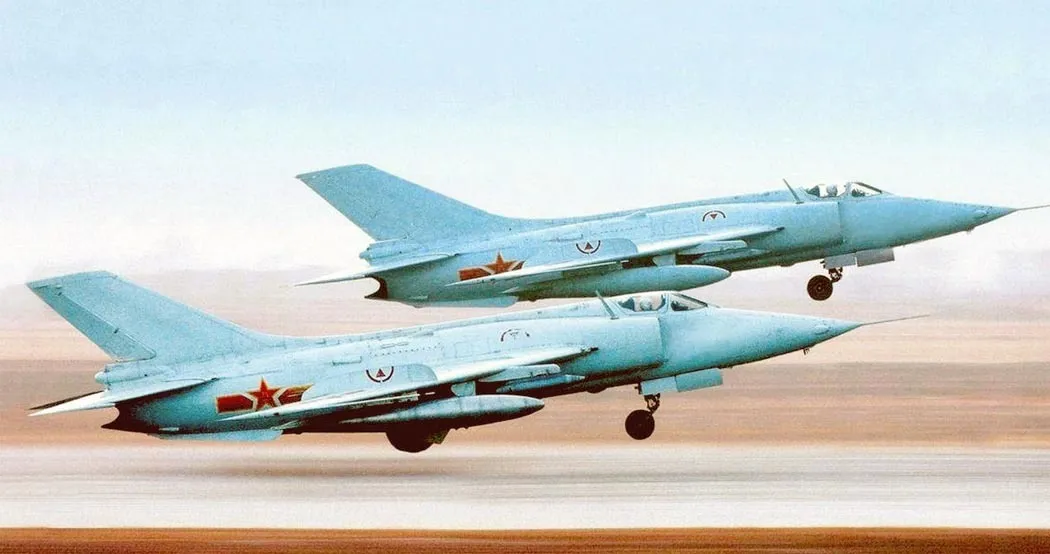
On October 1, 1949, Mao Zedong, leader of the Chinese Communist Party, proclaimed the founding of the People's Republic of China in Tiananmen Square in Beijing. Communist troops soon took control of the entire mainland, while the Kuomintang leadership and some Nationalist troops fled to Taiwan. Following the Communist victory in China, the Soviet Union provided significant assistance in strengthening its defense capabilities. Along with other weapons large deliveries were carried out aviation equipment and training of flight and technical personnel was carried out.
Along with the transfer of combat aircraft, Soviet support was also used to build aircraft factories. The Soviet Union supplied assembly kits and technical documentation, which enabled the rapid establishment of licensed production of then-modern jet fighters. However, due to the cooling of Sino-Soviet relations, the complete cessation of military-technical cooperation, and the onset of internal instability in China, the rate of combat aircraft production dropped sharply, and the quality of Chinese aircraft left much to be desired.
Moreover, due to the lack of necessary experience and an established design school in China in the 1960s and 1970s, the process of creating new aircraft was greatly slowed down, and Chinese specialists mainly concentrated on fine-tuning and improving models already launched into serial production.
It can be stated that during the Cold War, the PLA Air Force was largely equipped with obsolete combat aircraft, which were inferior in their main characteristics to the Soviet and American aircraft fleet.
The background to the Q-5 attack aircraft
After the PLAAF fighter regiments were relatively saturated with J-6 aircraft (a copy of the MiG-19), most of the existing subsonic J-5 fighters (a copy of the MiG-17) were repurposed for strike missions. Overall, the J-5 performed well in this role: its relatively low flight speed gave the pilot ample time to identify and target the target, and its powerful integrated cannon armament allowed it to effectively engage light armored vehicles and unarmored transport.
At the same time, the typical combat load of the Chinese MiG-17 clone, like its Soviet ancestor, designed for ground attack, consisted of a pair of 50-100 kg bombs or the same number of eight- or sixteen-round 57 mm rocket pods, which was considered insufficient even by the standards of the late 1950s. Furthermore, the J-5 lacked armor to protect the pilot from below, on the sides, and on the front, and if its single turbojet engine was destroyed, it had no way to return to its airfield. Ideally, a twin-engine attack aircraft, more survivable than the single-engine J-5, capable of carrying a greater payload, adapted for low-altitude flight, and with a long combat radius, was needed.
Design and description of the Q-5 attack aircraft
In 1958, the Shenyang Aircraft Plant's experimental design bureau began work on a strike aircraft based on the J-6 fighter (a copy of the MiG-19), which was in production at the plant. However, due to the heavy workload of the Shenyang design bureau with other assignments, the development of the strike aircraft was assigned to the Nanchang plant's experimental design bureau.
Compared to the original J-6 fighter, the new combat aircraft, designated Q-5 (Qiangjiji-5), featured a stretched fuselage with side air intakes. This layout improved forward-downward visibility from the cockpit and allowed for an internal bomb bay within the fuselage, as well as additional equipment within the streamlined nose. During the design phase, the aircraft was slated to be equipped with a radar designed to detect surface and large ground targets, but this was never implemented.
The attack aircraft received a new wing with increased area and a smaller sweep than the original fighter. This resulted in a reduced maximum speed at high altitudes, but the Q-5 was as fast as the J-6 at ground level. A detailed examination of the Q-5 reveals that, although it was based on the MiG-19, it is an original Chinese design, marking the first successful independent effort by Chinese aircraft designers.
The design was completed in 1960, allowing construction of prototypes to begin, but due to internal instability in China, work was frozen in 1961 and was resumed a couple of years later.
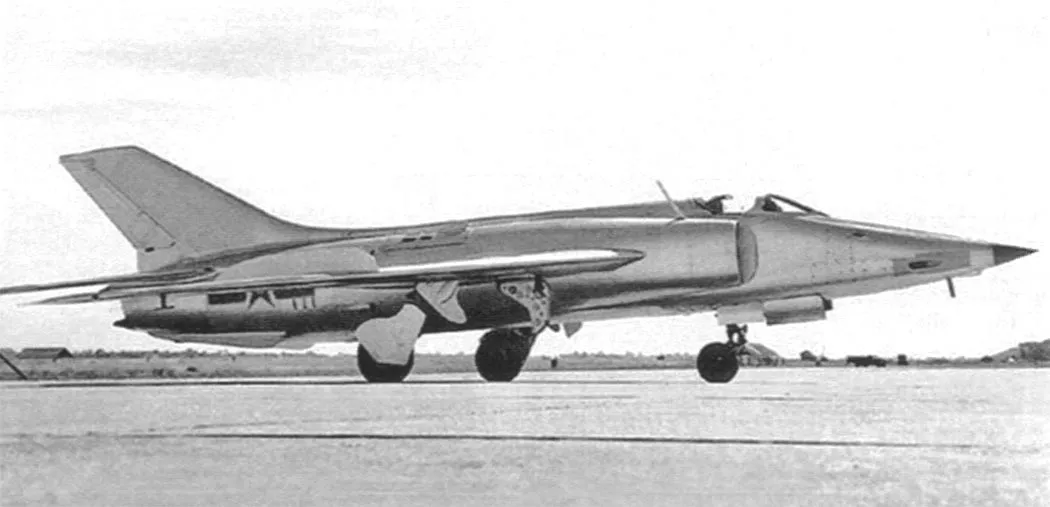
Q-5 attack aircraft prototype
The first flight of the prototype took place on July 4, 1965. Serial production began in 1969, and deliveries to operational squadrons began in 1970.
The production aircraft, the most widely produced Q-5I modification, had a maximum takeoff weight of 11,830 kg, approximately 1 ton heavier than the later-production J-6 fighter. Two Wopen-6A turbofan engines, each producing 3750 kgf of afterburning thrust, could propel the attack aircraft to 1240 km/h (750 mph) at high altitude without external combat load. Cruising speed was 880 km/h (550 mph). Service ceiling was 16,400 m (53,000 ft). The operational range was 2000 km (1,220 mi). The combat radius with a full combat load was up to 400 km (250 mi).
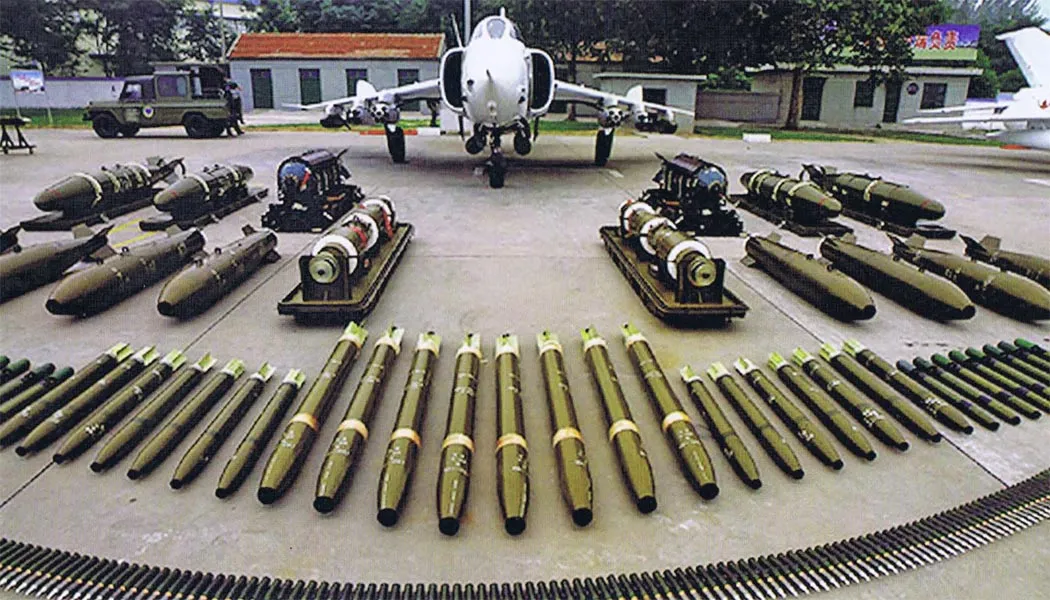
The Q-5I Attack Aircraft's Arsenal
The attack aircraft was armed with two 23mm Type 23-2K cannons with 100 rounds each. The maximum combat load was 2000 kg. Typically, a fuel tank was located inside the bomb bay to increase range, and the payload was suspended from six underwing and four underfuselage pods. Attack aircraft of the Q-5 family could carry a wide range of air-to-air weapons: free-fall bombs and cluster munitions weighing up to 500 kg, incendiary tanks, and pods with 57-, 68-, 90-, and 130-mm unguided rockets. Later modifications were also armed with rockets close-range combat with thermal homing heads, which increased survivability during close air combat with enemy fighters, and also allowed for more effective combat against enemy helicopters.
Although the Q-5 was originally designed as a combat aircraft intended for close air support, its protection compared to the original J-6 fighter was only slightly improved. The attack aircraft's cockpit was partially armored, protecting the pilot from rifle-caliber small arms fire. Local armor also protected the hydraulics and fuel systems, and the kerosene tanks were filled with neutral gas.
Production, operation and export of various modifications of the Q-5 attack aircraft
Aircraft of the Q-5 family were mass-produced in China for over forty years. The last two-seat JQ-5J was delivered to the PLAAF by Hongdu Aviation Industry Group in Nanchang on October 25, 2012. However, the production of single-seat variants remains unclear. Several sources claim that production of single-seat Q-5 attack aircraft for the PLAAF Air Force and Naval Aviation ended in the early 1990s. However, it is reliably known that new variants equipped with modern avionics and precision-guided weapons were developed in China as early as the 21st century. It is possible that these were not new aircraft, but modernized attack aircraft, modified during major overhauls. A total of approximately 1300 attack aircraft were built.
As relations between Beijing and Moscow became openly hostile in the late 1960s, the first air regiments equipped with Q-5 attack aircraft were based in areas bordering the USSR.
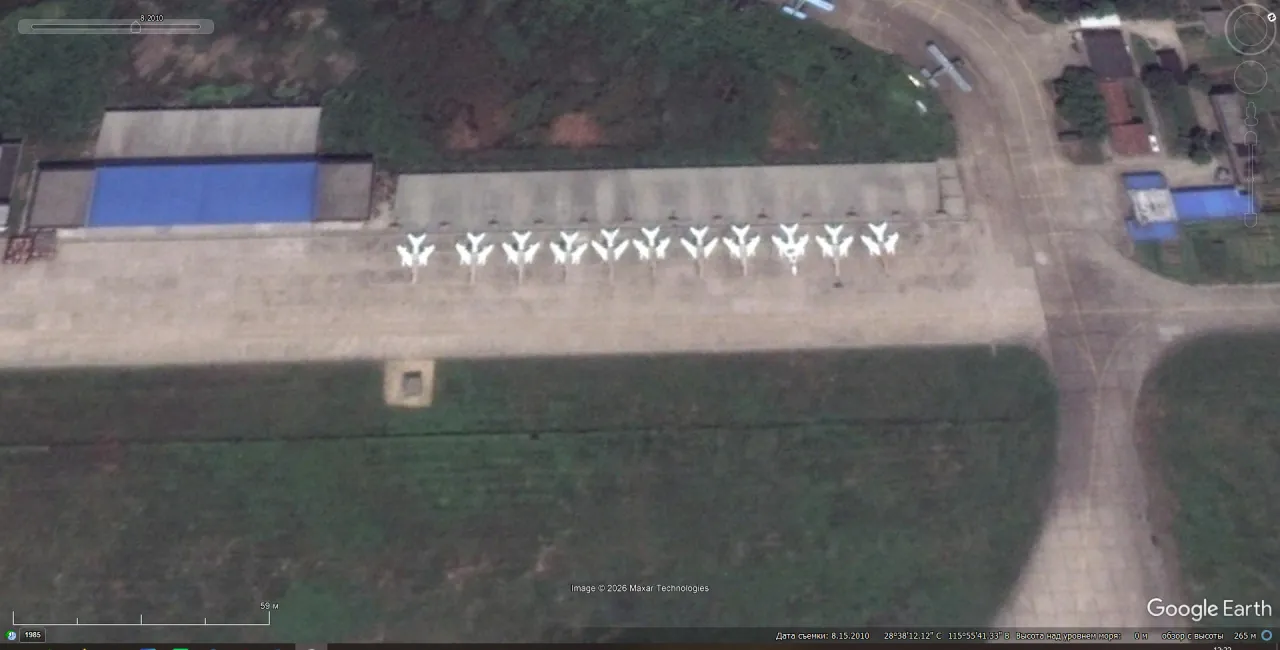
Google Earth satellite image of Q-5 attack aircraft at a factory in Nanchang. The image was taken in August 2010.
Over the years of production, the Q-5's basic flight characteristics remained virtually unchanged, but its onboard equipment was steadily improved. The first production version had only six hardpoints. It was followed by a "special" modification, the Q-5Jia, designed to carry the Ku-1 tactical nuclear bomb semi-buried under the fuselage. This "special device," approximately 2 meters long, weighed approximately 1000 kg, and had a yield of 8 kilotons of TNT. This nuclear bomb was detonated on January 7, 1972.
In the early 1970s, the PLA Navy commissioned the Q-5Yi torpedo bomber, capable of carrying two Yu-2 torpedoes. This 450mm torpedo, with a passive acoustic guidance system, was developed in China based on the Soviet RAT-52 jet-propelled torpedo. Weighing 627 kg and armed with a 200 kg warhead, the Chinese torpedo had a range of 5 km in the air and a submerged range of 1 km at 70 knots. However, by the time the attack torpedo bomber was developed, it was clear that hitting a modern warship with torpedoes at sea was unlikely, and the Q-5Yi never saw widespread use. The adaptation of YJ-8 anti-ship missiles to the naval version in the mid-1980s failed due to the insufficient detection range of the specially designed onboard radar.
In 1980, production of the most widely produced Q-5I modification began (approximately 600 units were built). This model differed from the initial attack aircraft variants by an additional integrated fuel tank in place of the bomb bay and an improved avionics suite. Beginning in the second half of the 1980s, newly built aircraft were equipped with improved engines with a maximum thrust of up to 4050 kgf. For safety reasons, the maximum ground speed was limited to the previous value, but the speed at high altitude increased by approximately 100 km/h, the hovering ceiling was also increased, and most importantly, the attack aircraft now accelerated better on takeoff with a maximum combat load, requiring a shorter runway length.
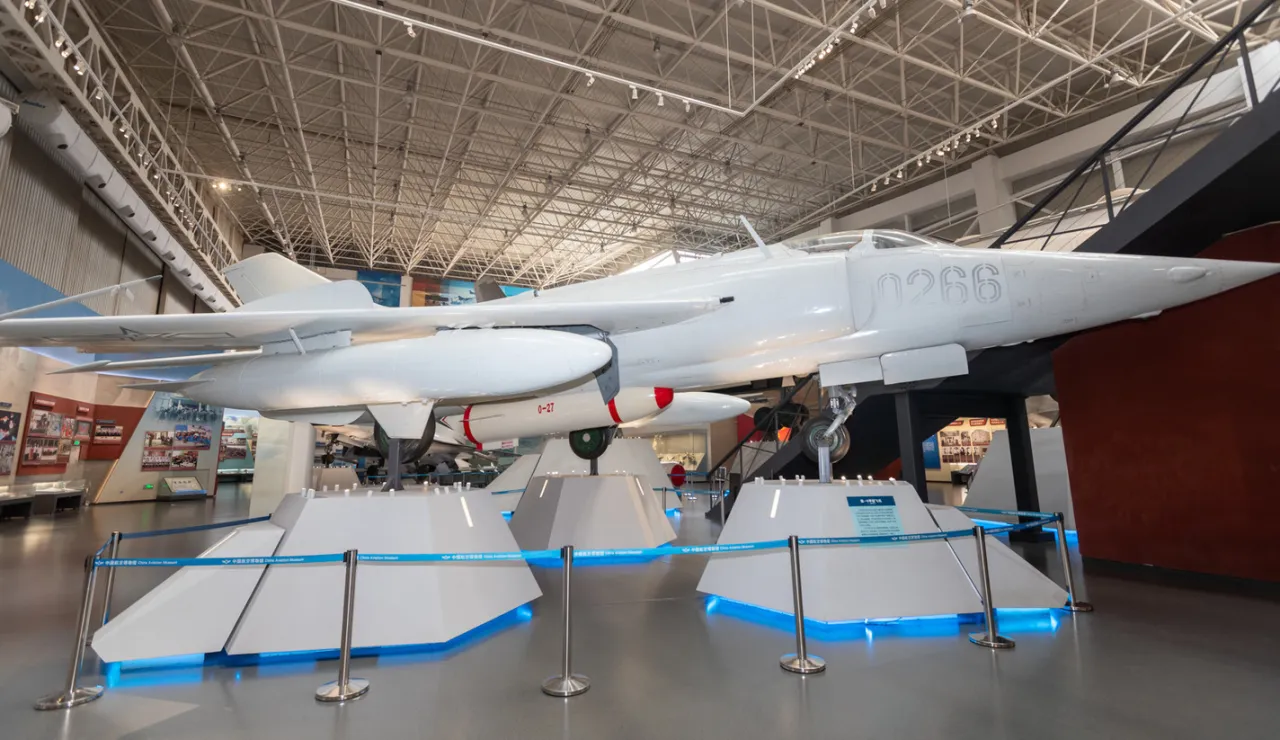
A Q-5I attack aircraft at the Datachang Aviation Museum
To improve the accuracy and effectiveness of ground strikes, the attack aircraft was equipped with a Type 79Y4 laser rangefinder. However, a significant portion of Q-5Is assigned to operational squadrons initially lacked a laser rangefinder, and these were installed later in service. Since 1985, upgraded aircraft have also been equipped with radar warning receivers, enabling them to evade radar. Defense, as well as a device for discharging heat flares and chaff. The armament included the PL-2 and PL-5 air-to-air missiles.
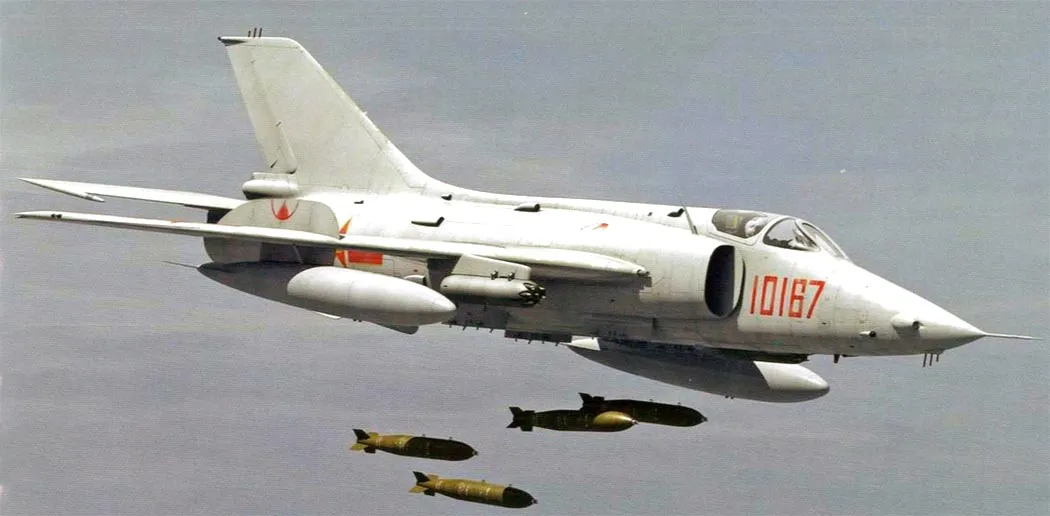
Bombing from a Q-5I attack aircraft
In the 1980s, several dozen Q-5I attack aircraft were modified to carry O-27 nuclear bombs. The "special munition," with a yield of up to 20 kilotons, was suspended semi-recessed under the fuselage. It was to be released at high speed from an altitude of at least 5000 meters, allowing the pilot to survive, or at low altitude, pitching up and performing a loop-the-loop, which required a high level of piloting skill. Moreover, the combat radius of the "nuclear" Q-5I, due to the removal of the auxiliary fuselage fuel tank, was shorter than that of aircraft that did not carry nuclear weapons.
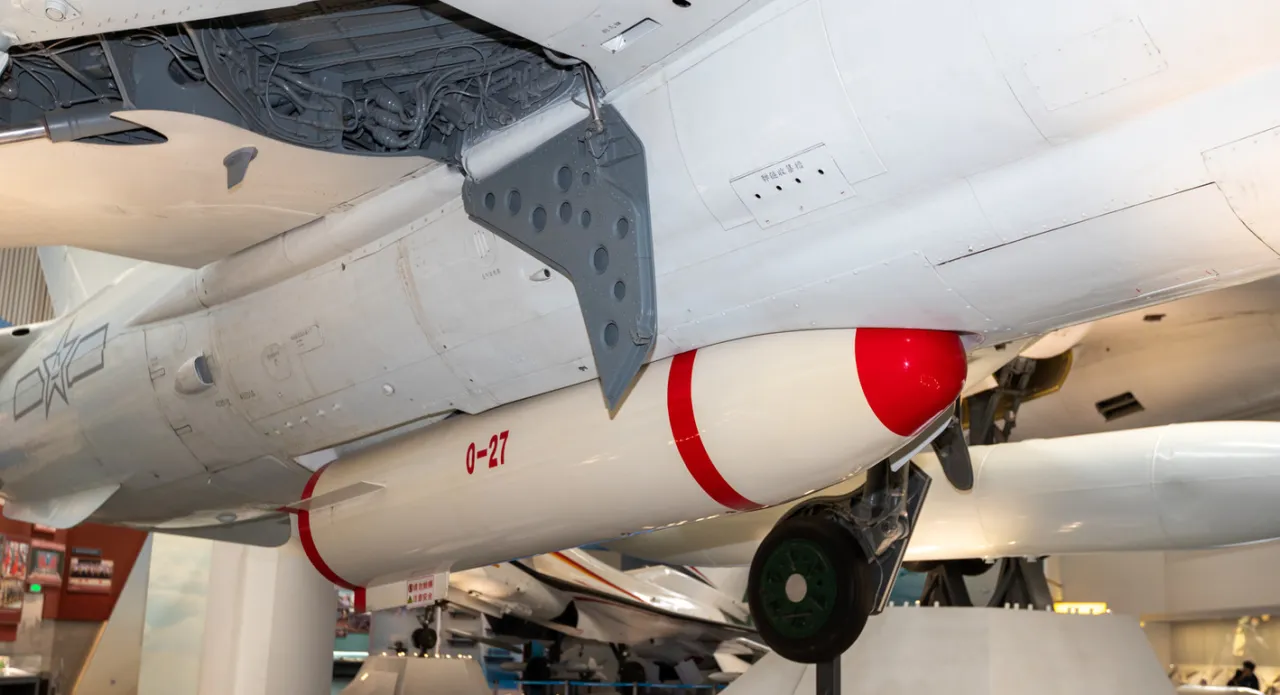
A mock-up of the O-27 nuclear bomb, suspended under a Q-5I attack aircraft, at the Data Trang Aviation Museum.
In the 1970s and 1980s, the top Chinese military-political leadership was aware that the Soviet Army had significant technical superiority over the PLA, and in the event of a full-scale conflict with the USSR, the large number of not very well equipped and trained Chinese manpower would mean little against the Soviet tank wedges, reinforced by motorized riflemen, the path for which will be cleared by self-propelled guns and rockets artillery, as well as fighter-bomber and bomber aviation regiments of frontline aviation.
By that time, the Soviet Ground Forces and Air Force also possessed a significant number of tactical and operational-tactical missiles with "special" warheads, as well as "special" free-fall bombs carried by frontline aviation aircraft. Army and front (district) commanders could authorize the use of such munitions in wartime. Tactical nuclear warheads could effectively destroy large concentrations of enemy troops and breach defensive pockets.
Meanwhile, the Chinese command, which possessed a relatively small number of tactical nuclear bombs, viewed them as weapons of mass destruction against Soviet armored vehicles. According to Chinese staff calculations, a single O-27 nuclear bomb, dropped in the right place, could halt the advance of a tank division. Thus, given the imperfections of conventional anti-tank weapons, several dozen Ku-1 and O-27 bombs were practically the Chinese generals' main hope for countering Soviet tank breakthroughs. This is why the PLA's primary airborne carrier of tactical nuclear weapons was not the subsonic H-5 frontline bomber (a copy of the Il-28), but the faster and more maneuverable Q-5 attack aircraft, which, while shorter-ranged, was faster and more maneuverable.
The Q-5II modification of the aircraft was equipped with new laser rangefinders with increased operational range, combined with an improved weapons control system, allowing for attacks on ground targets at a wide range of dive angles. The avionics were supplemented with an omnidirectional radar receiver with an extended frequency range. Some Q-5II aircraft were equipped with a navigation radar with a terrain mapping mode. Attack aircraft equipped with this radar were intended to act as leaders of strike groups, which would partially solve the navigation problem.
During serial production, new, improved modifications were developed, including those intended for sale to foreign customers. The Q-5II attack aircraft served as the basis for the export version, the A-5IIA, which was purchased by Sudan. Since 1989, the Sudanese Air Force has received two dozen of these aircraft. According to unconfirmed reports, several used attack aircraft, taken from the PLAAF, were delivered in 2003.
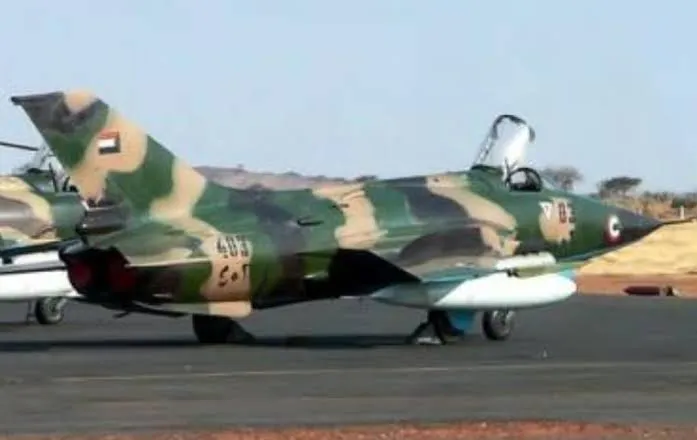
Sudanese Air Force A-5IIA attack aircraft
Aircraft deployed at Wadi Seidna and Nyala airbases were used extensively by government forces during the protracted Darfur conflict. Notably, the Chinese-made attack aircraft operated alongside Su-24M frontline bombers, Su-25 attack aircraft, and MiG-29 fighters supplied by Ukraine and Belarus.
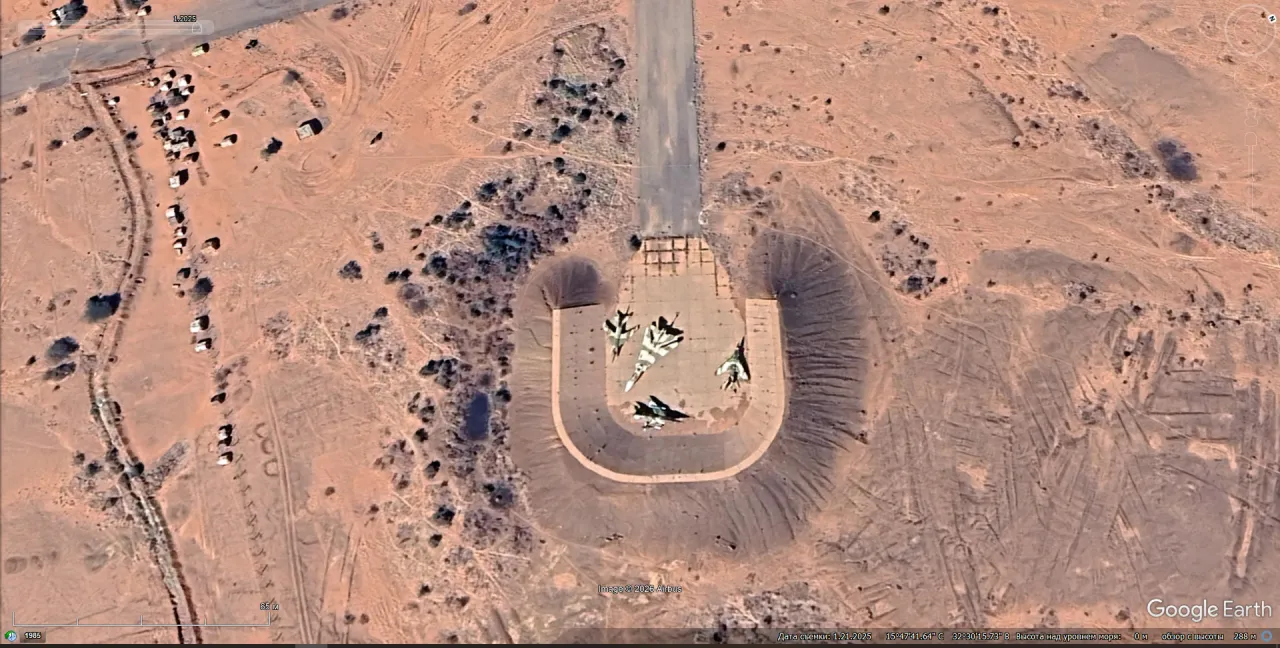
Google Earth satellite image of A-5 attack aircraft, a Su-24M frontline bomber, and a J-6 fighter jet at Wadi Seidna Air Base. The image was taken in January 2025.
The A-5 attack aircraft continued to be used in Sudan until 2023. Currently, all remaining aircraft of this type, along with other retired aircraft, are stored at Wadi Seidna Air Base, located 22 kilometers north of the capital, Khartoum.
After rapprochement with Washington on the basis of anti-Sovietism, Beijing gained access to modern Western technology and some types of weapons, after which the Chinese military-industrial complex made a qualitative leap.
In the 1980s, Chinese combat aircraft exported began to incorporate foreign-made components, equipment, and weapons. For example, the Q-5III, developed under the Long 6 (Dragon Six) project and better known by its export designation A-5C, could carry R.550 Magic or AIM-9P Sidewinder close-in missiles, as well as French 68mm SNEB rockets and Matra Durandal bombs designed to destroy runways. At the customer's request, the attack aircraft could be equipped with an American Rockwell Collins instrument panel and a Martin-Baker ejection seat. Pakistan became the first customer for the A-5C attack aircraft.
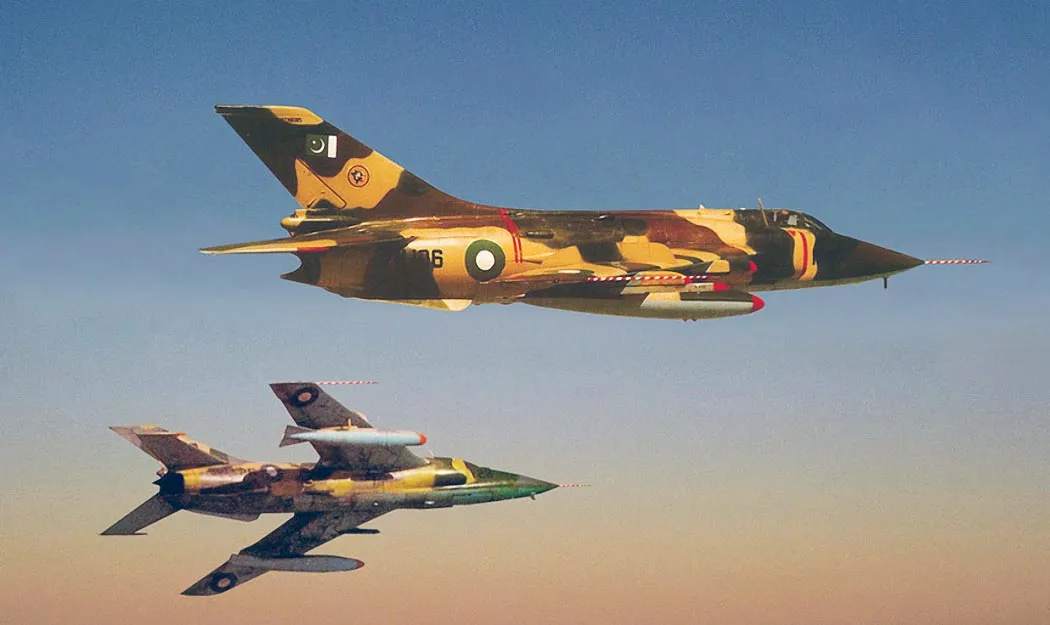
Pakistan Air Force A-5C attack aircraft
Deliveries of A-5Cs to Pakistan began in 1983. Three fighter squadrons based at Peshawar, Minhas, and Mauripur airbases operated 58 attack aircraft. Two more aircraft were stationed at the Training Center at Mushaf Air Base. Notably, pilots of these aircraft practiced not only ground strikes but also maneuverable air combat. Specifically, during exercises, A-5Cs were repeatedly used to intercept low-altitude aerial targets and frequently won training skirmishes with F-7P fighters (based on the MiG-21). The last A-5C attack aircraft were retired from the Pakistani Air Force in April 2011.
In 1986, Bangladeshi pilots began training with the A-5C. Information on how many of the Chinese-made attack aircraft the country received varies, but it is known that 21 aircraft were in service in 2003. This number dropped to 18 by the time the A-5C was retired in 2015.
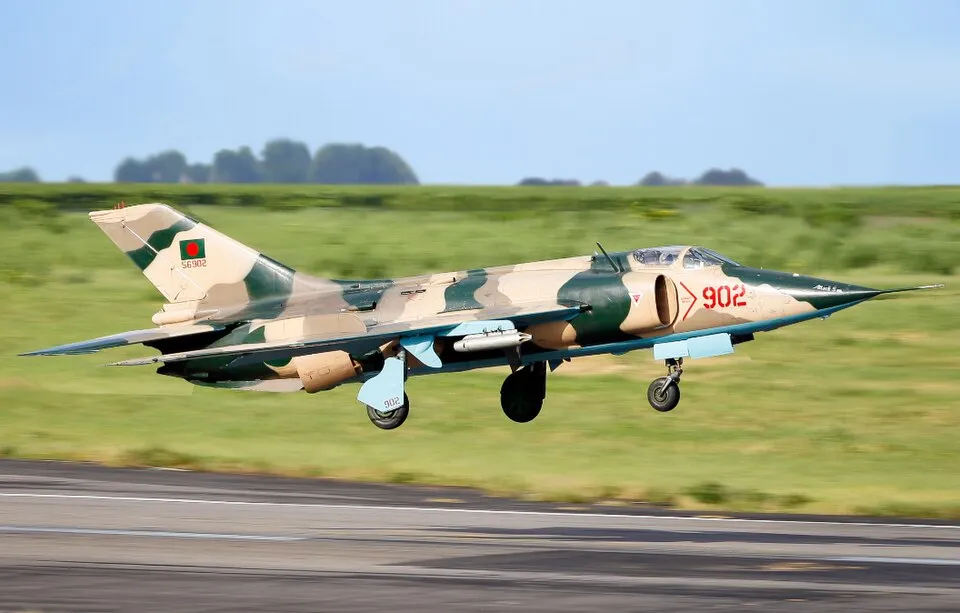
Bangladesh Air Force A-5C attack aircraft
The only country where A-5C attack aircraft still serve in combat squadrons is Myanmar.

A Myanmar Air Force A-5C attack aircraft with its drag chute deployed.
In 1997–1998, China exported 24 aircraft, of which 20 were still in service as of mid-2025. The Myanmar Air Force's capable A-5C attack aircraft are stationed at Pathein and Magway air bases, located in the southwest and central parts of the country.
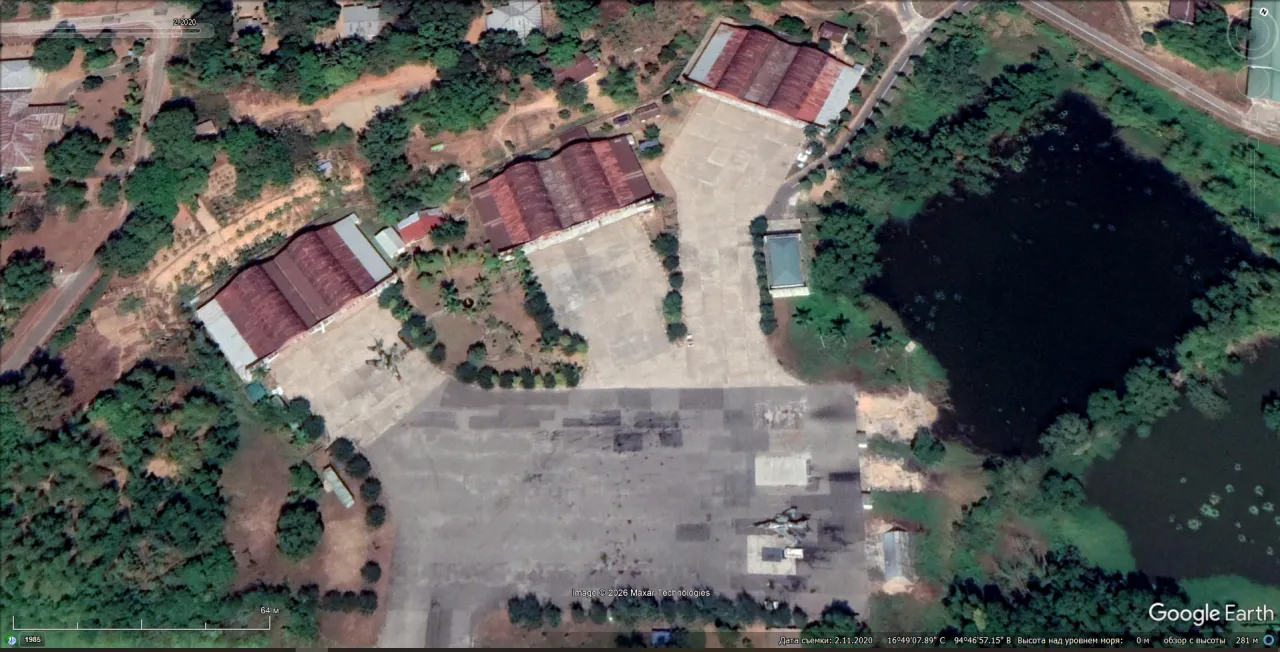
Google Earth satellite image of A-5 attack aircraft at Pathein Air Base. The image was taken in February 2020.
In March 2015, several A-5Cs sent to bomb rebels of the National Democratic Alliance Army (NDA) in Myanmar dropped their bombs on a Chinese village in Yunnan Province due to a navigational error, killing four local residents. In response, the PLA command deployed HQ-12 air defense missile systems to areas bordering Myanmar and deployed J-10 fighter jets and a KJ-200 airborne early warning and control aircraft to Luliang Air Base. Since the military took power in Myanmar in February 2021, A-5C attack aircraft have been repeatedly used to bomb populated areas outside the central government's control. However, since the 2015 incident, Myanmar Air Force combat aircraft have avoided flying close to the border with China.
Following the normalization of relations with the United States, China began developing Q-5 variants equipped with advanced foreign avionics for use by the People's Liberation Army Air Force (PLAAF). The Q-5IIGai (Q-5K) was a joint Sino-French project. This aircraft was intended to be equipped with advanced French avionics: a VE110 head-up display, a ULIS91 inertial navigation system, a TMV630 laser rangefinder, and modern communications equipment.
The Q-5IV (Q-5M) attack aircraft was developed using onboard equipment from the Italian-Brazilian International AMX strike aircraft, which was expected to increase combat effectiveness by approximately 25%. Following the 1989 events in Tiananmen Square, military-technical cooperation with Western countries ceased, but the resulting developments were used to develop new variants intended for domestic use.
In 1996, the updated Q-5D aircraft was introduced, using composite materials in its design to reduce weight. A side effect of using composites was a slight reduction in radar signature. Since flying in cloud cover and at night at maximum range on previous versions was difficult due to the difficulty of determining coordinates, the pilot now had access to an improved navigation system (inertial and radio beacons), combined with a Type 205 navigation radar.
Among the innovations introduced on this model were the ALR-1 laser rangefinder/target designator, the QHK-10 head-up display, and the new SH-1II targeting system. In the 21st century, Q-5D attack aircraft in operational squadrons were equipped with satellite navigation equipment.
An attempt to radically improve bombing accuracy was made on the Q-5E model in the second half of the 1990s. This aircraft received a new pylon capable of carrying LS-500J LGB laser-guided bombs, as well as an improved fire control system. However, due to its heavy onboard equipment, this attack version lacked laser equipment, and illumination was only possible from another aircraft or from the ground. However, this shortcoming was corrected in the Q-5F variant, and the combat aircraft was equipped with a pod for illumination and target designation.
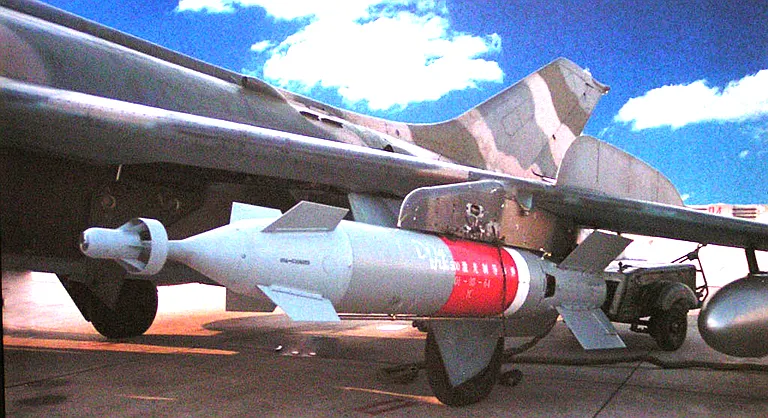
A Chinese LS-500J laser-guided bomb carried under the wing of a Q-5L attack aircraft.
The LS-500J LGB precision-guided bomb weighing 570 kg has a CEP of 5–10 m (depending on the drop altitude and flight profile) and is one of the most widely used Chinese precision-guided air-to-air munitions and is widely exported.
The Q-5E attack aircraft, equipped with a ventral conformal fuel tank and improved targeting equipment, was designated the Q-5G. The combat radius of this aircraft, with two drop tanks and a payload of two LS-500J LGB bombs, reaches 600 km.
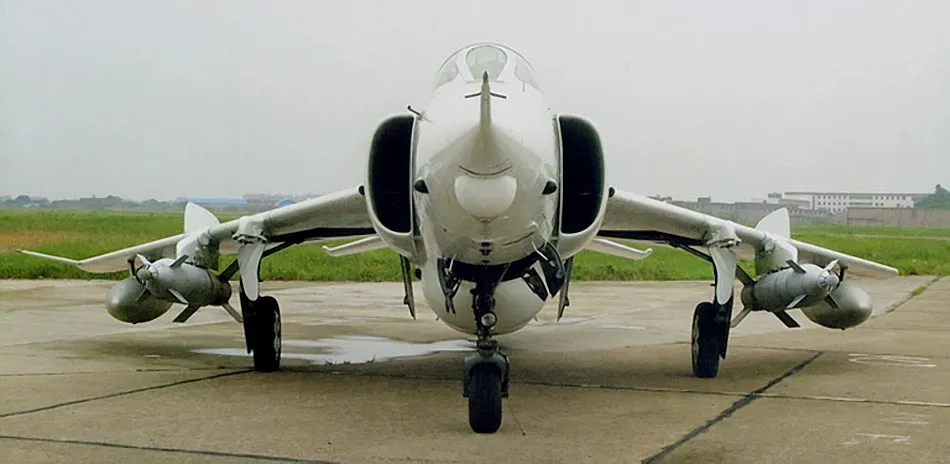
A Q-5G attack aircraft with a conformal fuel tank, two drop tanks and two LS-500J LGB bombs.
Perhaps the most advanced modification was the attack aircraft known as the Q-5L. This attack aircraft, developed shortly before the end of serial production of this family of aircraft, incorporated nearly all of the then-available Chinese advances in avionics, as well as the best design features implemented in other Q-5 variants. This aircraft was equipped with television and infrared cameras in the nose of the fuselage for day and night use.
Other improvements include a head-up display, GPS receiver, head-up display, automatic control system, external targeting pod, and equipment that analyzes various threats and automatically releases chaff and flares. A ventral conformal fuel tank can be installed to increase range. In addition to the already familiar air-to-air weapons, the armament now includes Chinese LS-500J laser-guided glide bombs.
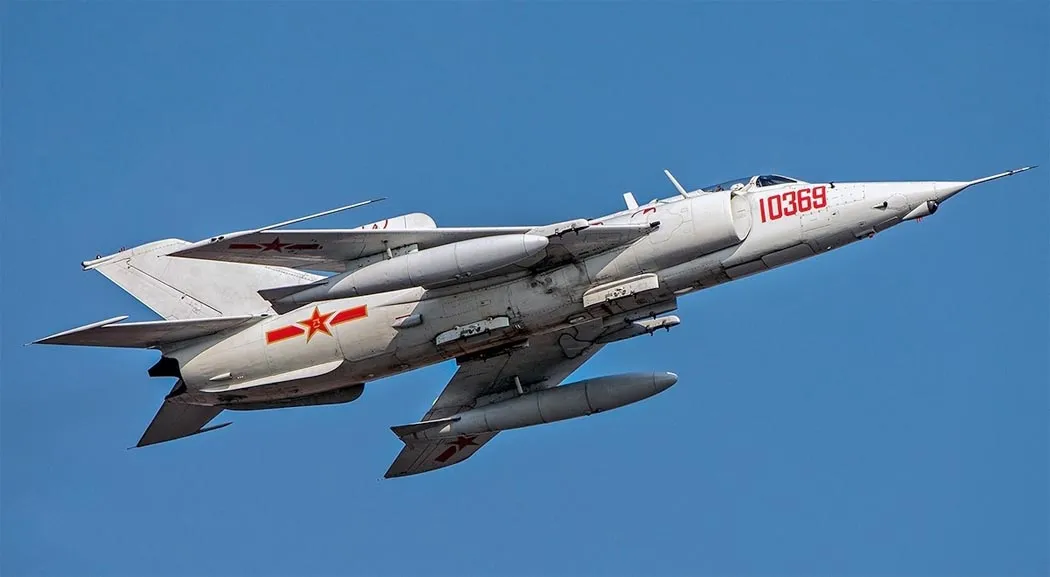
Q-5L attack aircraft
An export version of the Q-5L with Western equipment was offered to foreign customers under the designation A-5M. Pakistan and Myanmar were interested in this modification, but no orders were received due to the high cost.
Some Q-5D operational aircraft were upgraded to the Q-5N standard. This modification was roughly equivalent in capabilities to the Q-5L, but the navigation equipment remained the same as on the Q-5D.
A small number of two-seat JQ-5J aircraft with dual controls and a rear seat raised 286 millimeters higher than the front seat, providing the rear pilot with good forward and downward visibility, were also produced. The first flight of this aircraft took place on February 28, 2005.
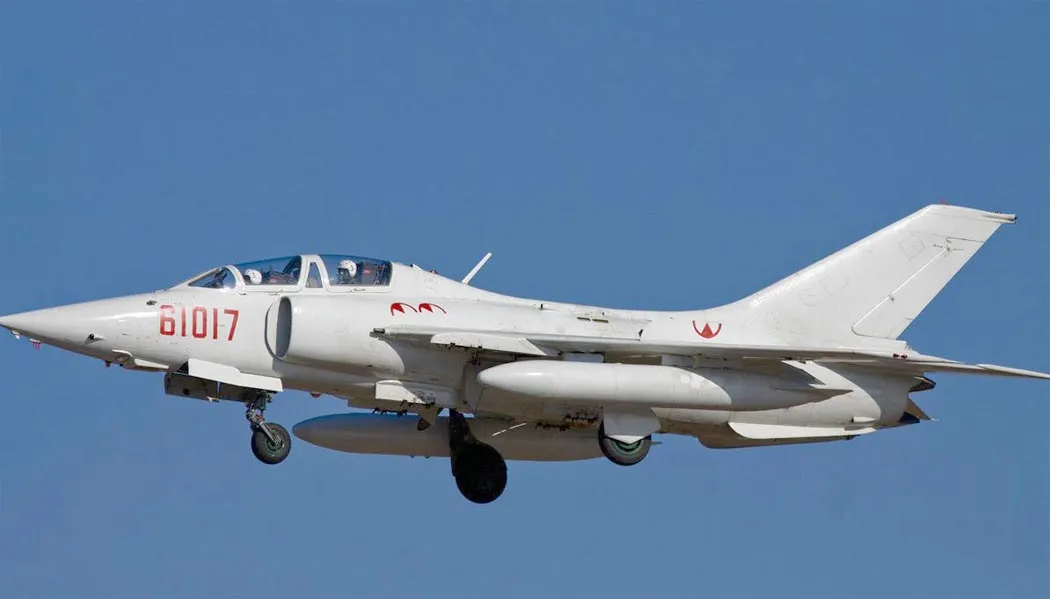
Two-seater aircraft JQ-5J
According to reference data, the dual-seat armament remained the same as on the Q-5I attack aircraft, but the payload weight did not exceed 1000 kg. Also, compared to the single-seat attack aircraft, the maximum speed, range, and ceiling were reduced.
The manufacturer claimed that, in addition to training pilots, the "dual-engine" could be used, similar to the American OA-10A attack aircraft, as an observation and artillery spotter. The two-seat JQ-5J might have been in demand abroad, but it arrived too late and was not widely deployed in the PLAAF.
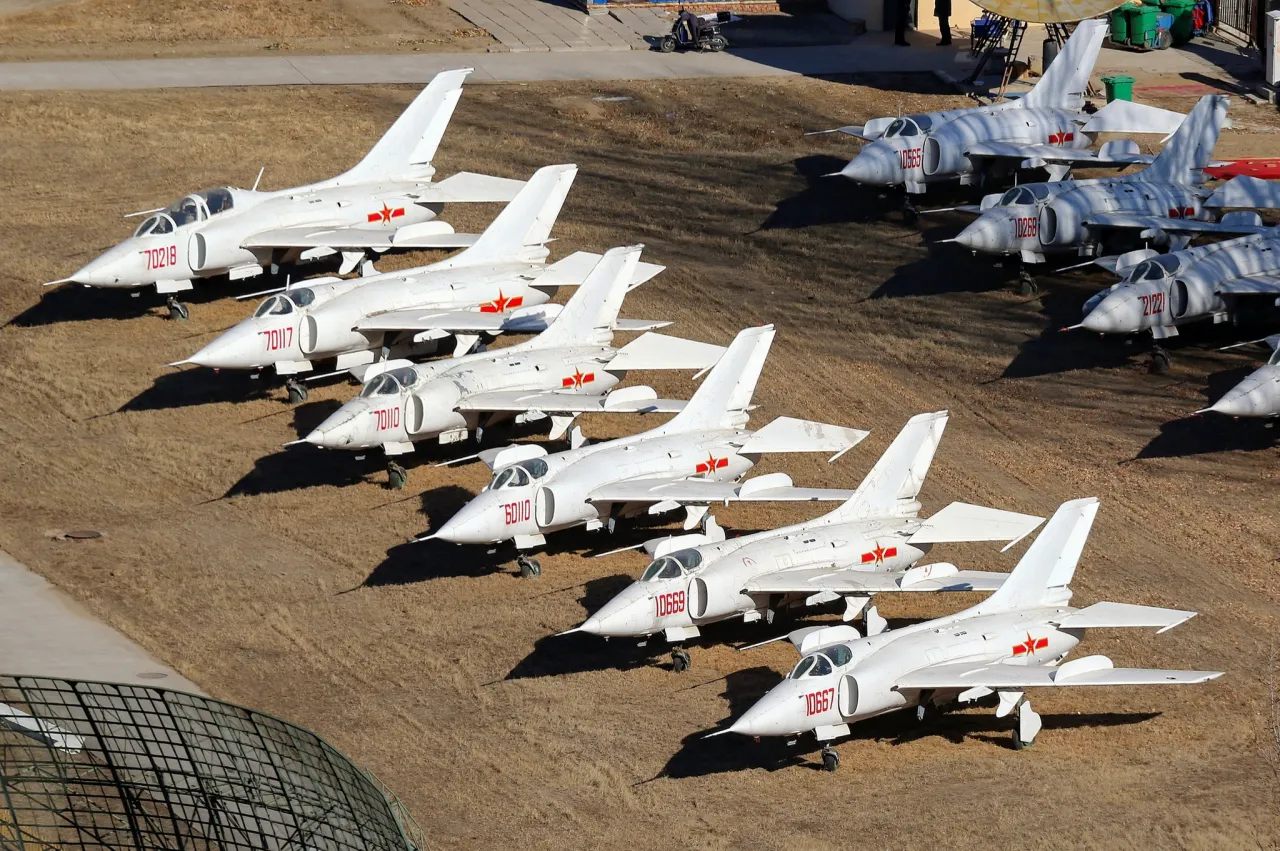
According to US estimates, as of 2003, China had approximately 500 Q-5 attack aircraft of various modifications in service and in reserve. Three dozen Q-5s served in the Naval Aviation until 2011, and they were retired from the PLAAF Air Force in 2017.
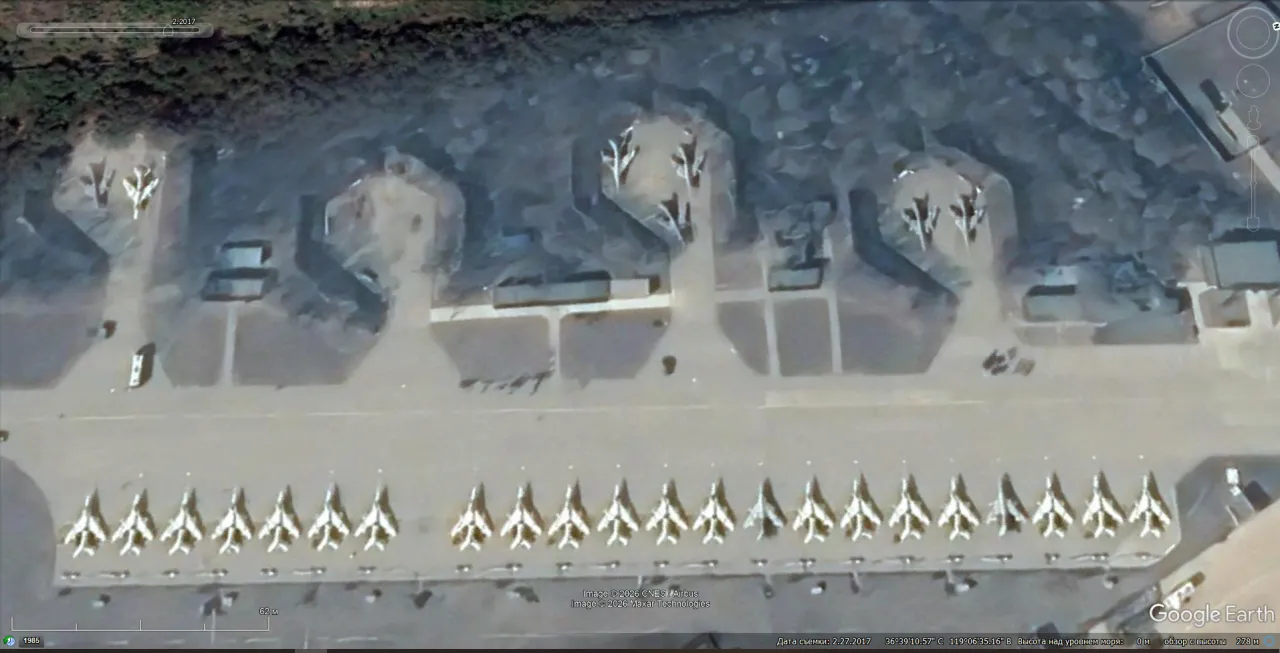
Google Earth satellite image of Q-5 attack aircraft at Weifang Air Base. The image was taken in February 2017.
At the time of their decommissioning, approximately 120 late-model aircraft remained in service. Unlike the decommissioned J-6 and J-7 fighters, the decommissioned Q-5 attack aircraft were used for aerial target shooting and Drones, designed to break through enemy air defenses, were not modified.
Q-5 Attack Aircraft Evaluation
Undoubtedly, during the Cold War, Q-5 attack aircraft were a vital part of the PLA Air Force. Until the arrival of serially produced JH-7 frontline bombers in the late 1990s, the Q-5 was the only dedicated Chinese attack aircraft capable of supersonic flight. J-5, J-6, and J-7 fighters could also be deployed for close air support missions. However, in terms of payload weight, bombing accuracy, and the ability to detect and identify small ground targets, fighters were significantly inferior to a dedicated attack aircraft.
The H-5 bombers could carry more bombs and drop them with relative accuracy. However, by the mid-1960s, the Chinese Il-28 clones were considered obsolete and could only successfully operate against opponents lacking modern ground-based air defenses and interceptors with onboard radars. Compared to the relatively slow and much bulkier H-5 bombers, the Q-5 attack aircraft had a much better chance of reaching their target, which was especially important when delivering nuclear bombs.
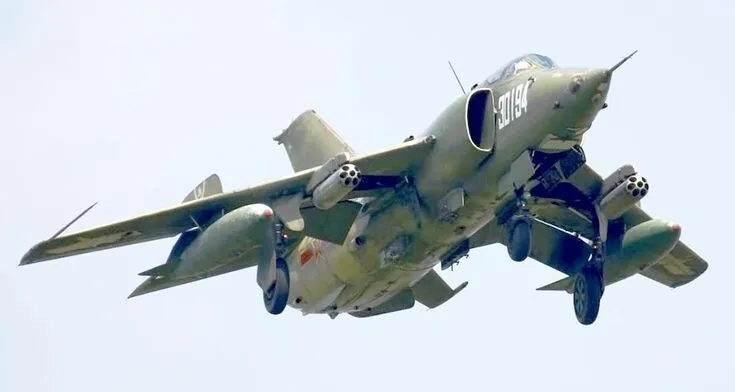
At the same time, given that these aircraft have never seen combat against technologically superior adversaries, it is difficult to assess the true combat effectiveness of China's first-generation attack aircraft. In China, these aircraft were a valuable reserve in the event of a major war with the Soviet Union and did not participate in the aggression against Vietnam in 1979. Pakistan also did not use export A-5Cs in border clashes with India, and in Myanmar and Sudan, attack aircraft operated against insurgents lacking modern air defense systems.
The most widely produced Q-5I modification was similar to the Su-7B fighter-bomber in its armament and targeting and navigation equipment. The Chinese attack aircraft's pilot had better forward and downward visibility, and its two engines provided greater survivability in the face of combat damage, a significant advantage for a strike aircraft. The Q-5I and Su-7B had similar combat loads and ranges. The Soviet fighter-bomber had superior maximum flight speed, but its cruising speed was virtually identical. At the same time, the Chinese Q-5 outperformed the Soviet Su-7B in maneuverability.

Soviet fighter-bomber Su-7B
With the introduction of the Su-17 and MiG-23B variable-wing fighter-bombers, the speed advantage of Soviet attack aircraft over the Q-5I became significant. Furthermore, Soviet attack aircraft produced in the 1970s and 1980s had a much more sophisticated targeting and navigation system. In this regard, the MiG-27K, equipped with highly effective targeting and search equipment, proved unmatched by the Chinese.
Although the Q-5 was designed from the outset as a low-altitude attack aircraft, its cockpit protection was roughly equivalent to that of Soviet fighter-bombers or the American Douglas A-4 Skyhawk, which, as experience in conflicts in the Middle East and Southeast Asia showed, was insufficient for a close air support aircraft.
The introduction of new modifications in the late 20th and early 21st centuries, equipped with modern avionics and precision-guided munitions, as well as the introduction of composite materials into the design, failed to breathe new life into the frankly outdated attack aircraft with their fuel-guzzling single-fan engines. And after the PLAAF began mass deliveries of JH-7, J-11BS, Su-30MKK, and J-16 aircraft, all Q-5 attack aircraft variants (including those equipped with the new avionics) quickly disappeared.
Продолжение следует ...
Information