Su-57 modernization: how was it supposed to be done?
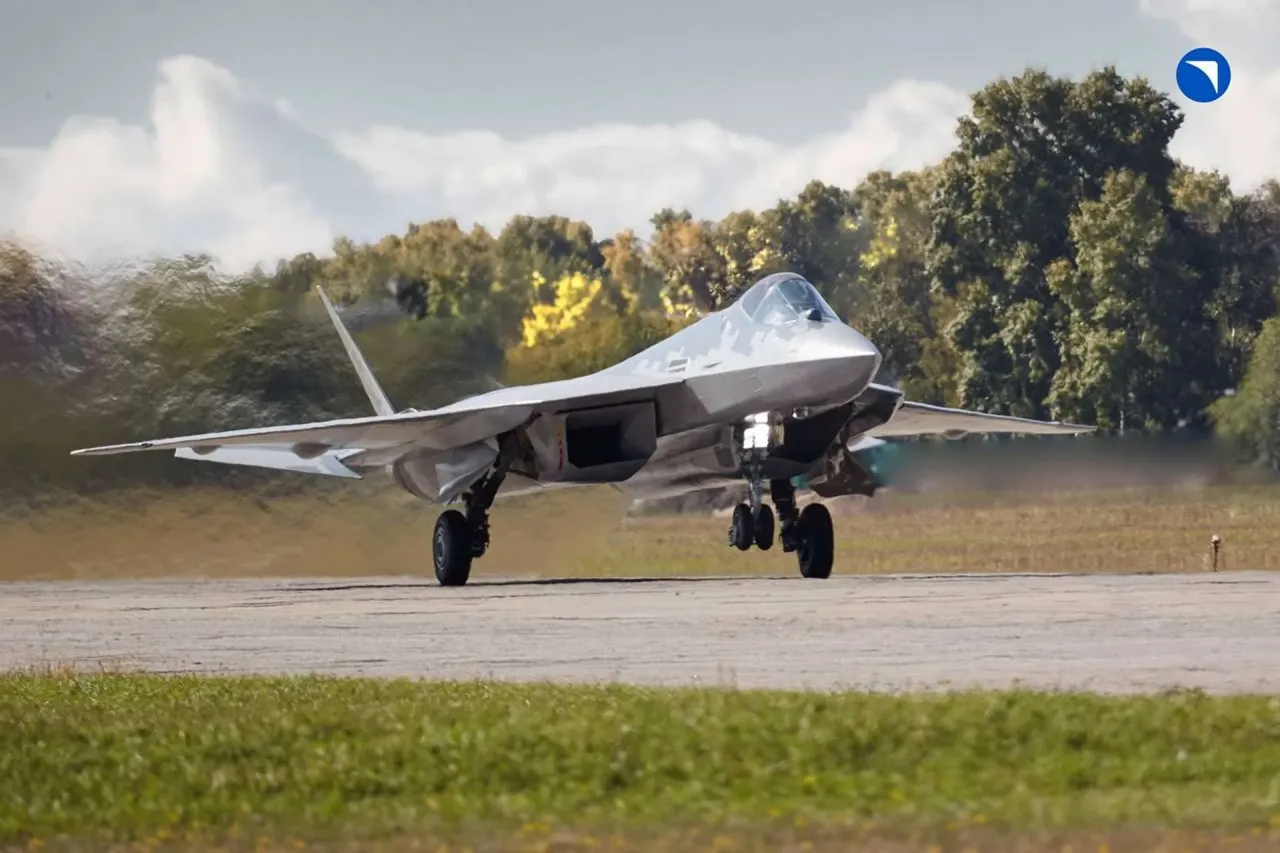
The global expert community was stirred by news that seemed to be nothing out of the ordinary. The United Aircraft Corporation delivered a new batch of fifth-generation Su-57 fighters in an "updated technical configuration, modified based on operational experience." The updated production standard is intended to increase the fighter's combat flexibility, as Russia continues to adapt the Su-57 to evolving combat requirements.
Naturally, no data is published; everything is kept top secret, which is quite logical and understandable.
The new configuration expands the range of missions available to the Su-57 and allows for the integration of additional aviation weapons, although the United Aircraft Corporation is not disclosing information about the specific systems represented in this batch. This delivery demonstrates a commitment to directly incorporating combat experience into serial production, which will potentially accelerate improvements in weapon utilization and the overall combat capabilities of fifth-generation fighters.
The phrase is long, but the essence is short: modernization under the influence of accumulated combat experience and taking into account operation over the past several years.
Actually, how should it have been done?
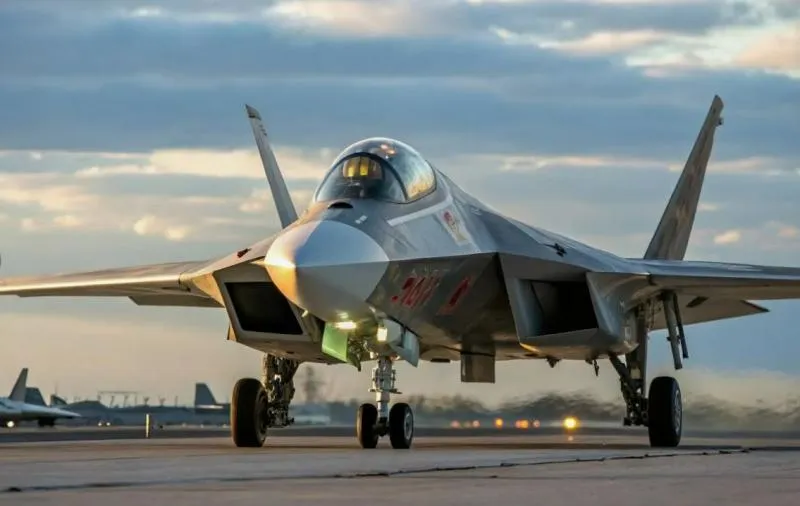
In fact, to put it bluntly, the Su-57 made its maiden flight in 2010. That's 16 years ago. Not a lot of time by today's standards; the Rafale itself made its maiden flight in July 1986. And the French Navy accepted the ailing aircraft into service in 2004 and 2006, respectively. And no one's making light of the tragedy of a long-delayed construction project.
But here another question arises: if an aircraft has been kept in storage for 20 years, how modern is it when it is put into service?
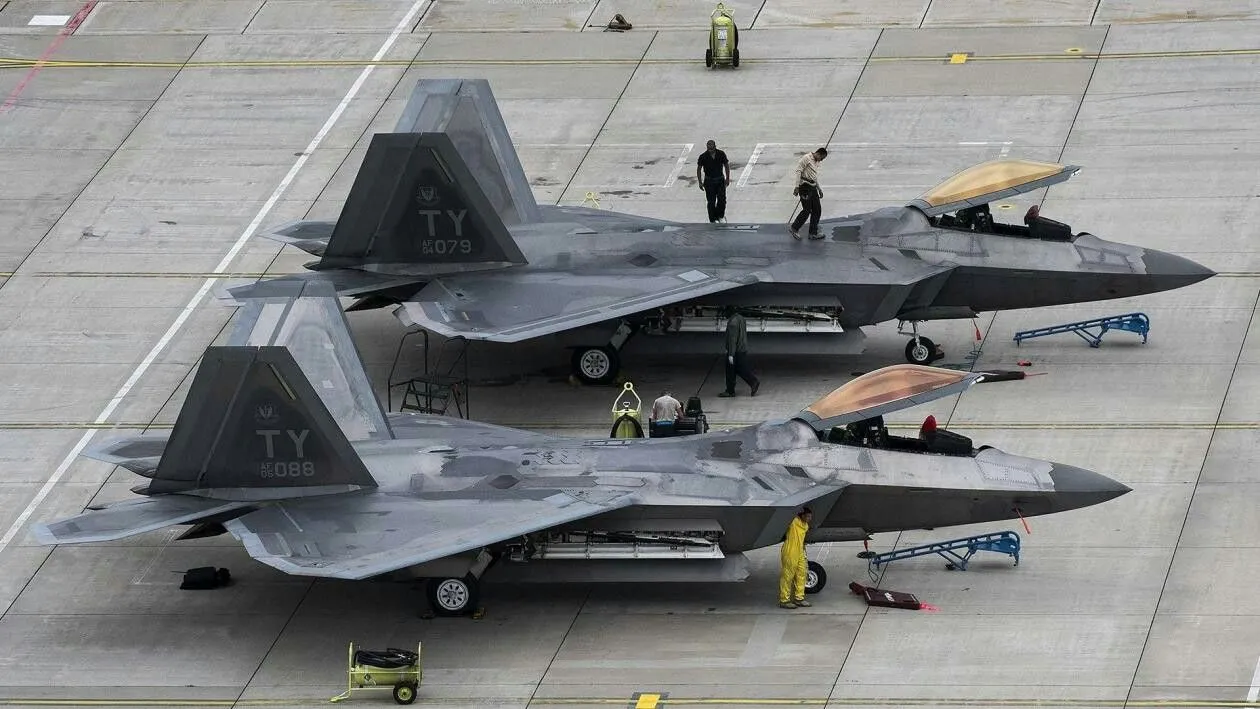
Although the Raptor itself flew in 1997 and entered service in 2005. And then, in 2011, everyone said, "Good job!" and stopped production. So, in this regard, it seems that speed doesn't always mean quality.
In our case, 16 years is quite sufficient, and considering that the Su-57 has been participating in full-scale combat operations since 2022, a year actually counts as three. And there's more than enough time to draw specific conclusions based on combat use, translate them into recommendations, and submit them to the UAC.
Yes, the UAC has less time to react “in the metal”, but, as practice has shown, everything is possible.
On September 24, 2026, the United Aircraft Corporation announced the delivery the new batch of Su-57, what became next stage of the ongoing modernization of the fifth-generation combat aircraft fleet.
The words highlighted here are the ones worth paying attention to. This latest stage of modernization means that the work is ongoing.
UAC also stated that the new aircraft were delivered in a "new technical configuration," based, in part, on operational experience. In addition to increasing the number of aircraft in service, this delivery highlights the improvement of the Su-57's production standard and the commitment to incorporating operational experience into the production of new fighters.
UAC did not disclose the number of fighters in the batch this time. However, the corporation emphasized that the Su-57 aircraft currently rolling off the production line differ from those produced during the initial phase of combat operations. According to corporation representatives, the platform has undergone significant changes during this time. The testing and acceptance process also demonstrates that these aircraft are being delivered as production prototypes, not experimental platforms. This demonstrates the United Aircraft Corporation's ability to produce, test, and implement new configurations while maintaining the required production rate.
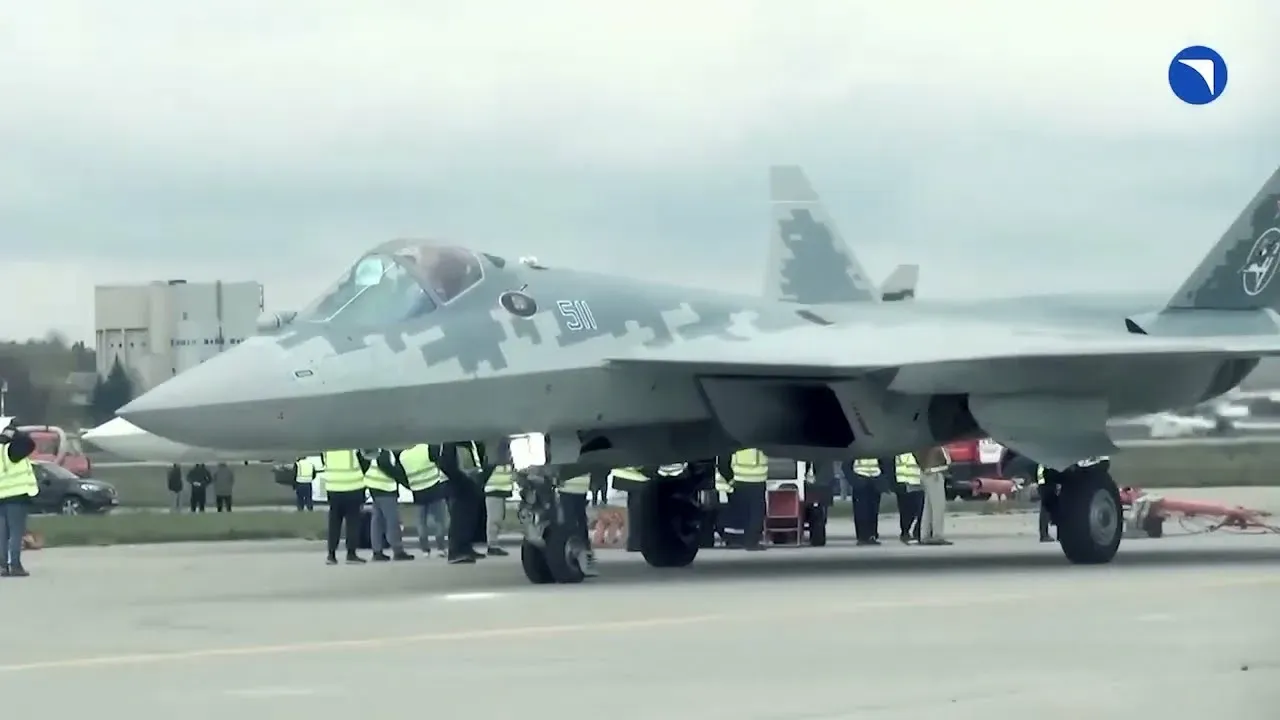
In fact, this is key to understanding the latest deliveries. The Su-57 program is increasingly being presented not simply as a fifth-generation aircraft entering serial production, but as an evolving combat platform whose configuration can change as operational experience accumulates and new subsystems and weapons are refined. Generally speaking, this is indeed the case, and this applies fully not only to the Su-57 but also to other aircraft in service with the Russian Aerospace Forces.
The United Aircraft Corporation explicitly stated that extensive combat experience influenced the development and modernization of the aircraft. However, the corporation is not disclosing which sensors, avionics, electronic warfare systems, communications systems, software changes, or airframe modifications distinguish the September batch. Combat experience may influence some of these aspects, but attributing specific undisclosed hardware changes to these aircraft is beyond the scope of information worth publicly releasing.
One of the most obvious indicators of this evolution's direction is the aircraft's armament. The new technical configuration will expand the range of missions assigned to the Su-57, and the capabilities built into its weapons system will allow the use of new types of air-to-air weapons.
This suggests that the modernization is being carried out not only to improve the aircraft's performance, but also to increase the fighter's operational flexibility when performing air-to-air and strike missions.
Rostec separately presented new weapons and unmanned systems designed for the Su-57 family, providing insight into the program's development, although these announcements do not mean that each of the systems presented has already been integrated into the aircraft delivered in September.
The latest commissioning also fits into a broader pattern of gradual changes in Su-57 production. Russian industry has previously stated that previous deliveries included updated technical configurations and improved weapons capabilities, indicating that the modernization is being implemented in parallel with ongoing serial production, rather than being considered solely as a mid-service upgrade.
This approach reduces the time between receiving feedback from operators, implementing technical changes, testing, and entering service. Furthermore, each production batch can potentially provide insight into the development of the base aircraft model.
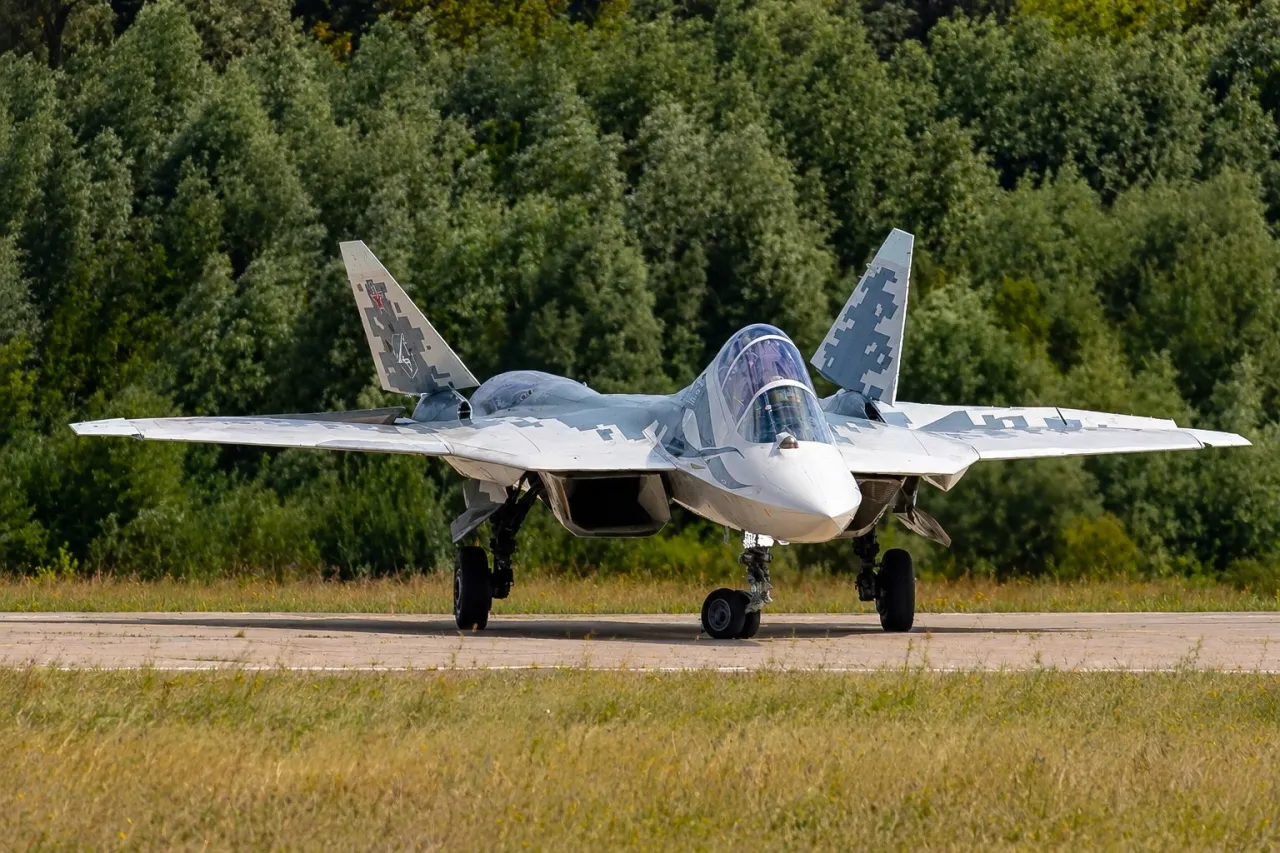
Available publicly available information does not allow us to assert that all recent batches have the same configuration, but direct technical comparison of individual deliveries is difficult without more detailed disclosure from the United Aircraft Corporation or the Russian Ministry of Defense.
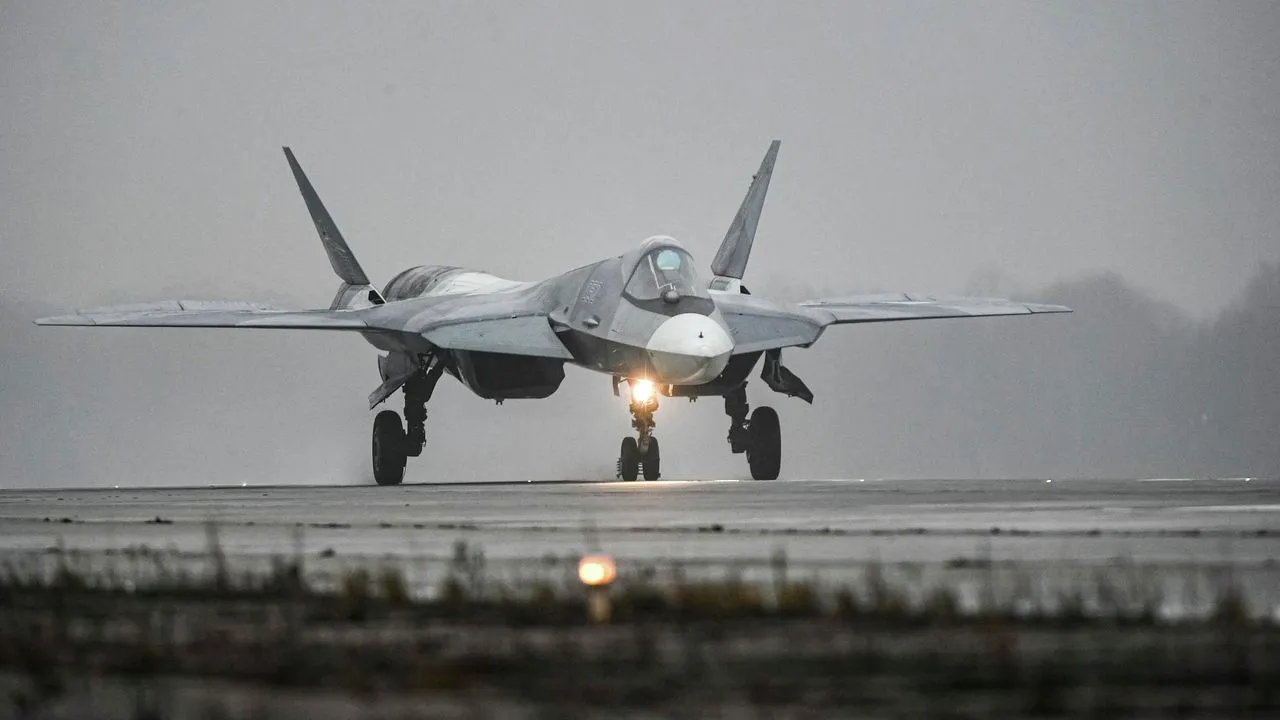
From an operational perspective, the broader question is how effectively these incremental improvements can be implemented, from individual production batches to the entire fleet. Incorporating combat modifications during serial production can allow an aircraft program to more quickly respond to emerging needs, the introduction of new weapons, and changes in the electronic or tactical environment. At the same time, operating aircraft built to different standards, a "mixed-use" approach, as was the case with the Soviet submarine, can lead to navy, for example, can lead to problems with training, maintenance, software support, spare parts, and configuration management unless upgrades are standardized across the fleet.
There is currently insufficient publicly available information to determine how widespread these differences are in the Su-57s currently in service with the Aerospace Forces. The undisclosed size of the September delivery also makes it difficult to accurately assess how this delivery will change the overall composition and availability of the aircraft fleet.
However, model continuity has always been a strong point of Soviet and Russian aviation technology, and the transition between them has always been smoothed through "smooth" changes in the design and equipment of aircraft.
Deliveries in September ultimately signal the Su-57 program's transition from simply creating a fifth-generation aircraft to operating an aircraft that continually improves as it is produced. The most important indicator of this process will not be any single batch or individual technical modification, but the ability to produce aircraft in large quantities, integrate new weapons and onboard systems, maintain uniform operational standards, and distribute improved capabilities across the entire operational fleet.
Moreover, "large volumes" don't necessarily refer to the US, where dozens of F-22s and hundreds of F-35s are idle for various reasons. The most realistic figure is the size of an air regiment as the primary tactical unit of the Aerospace Forces.
For those monitoring the program, the central question is the relationship between technological progress and force development: how quickly improvements made in combat can move from practical use to mass production, and how effectively these improvements can be used to maintain military potential.
Due to the secrecy surrounding state defense procurement, the exact number of aircraft in a batch and delivery dates are not published, but on average, the Russian Aerospace Forces receive new batches of Su-57s two to three times a year. This allows us to make some predictions about the speed at which the Su-57 fleet will be updated.
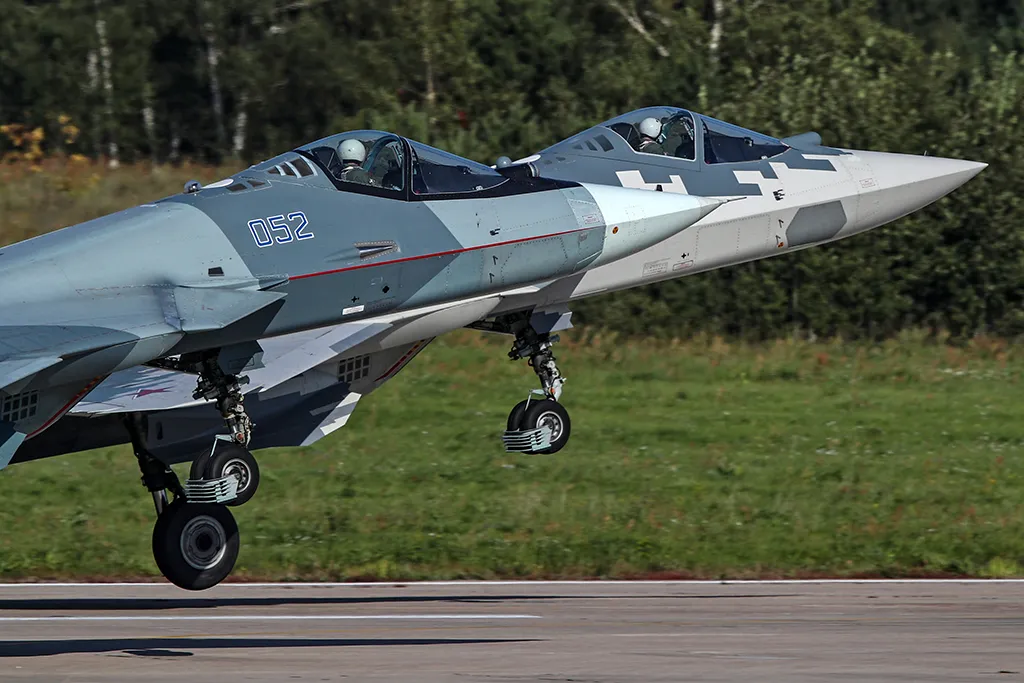
UAC CEO Vadim Badekha emphasized that the Su-57 has already proven its worth in special military operations. Its new technical configuration will facilitate the expansion of the aircraft's missions, and the aircraft's advanced weapons capabilities are highlighted, allowing for the use of new types of air-to-air weapons.
But the main development prospects must come from experience that will be quickly incorporated into serial production. Specifically, the fighters received improved control systems, enhanced flight indicators, new infrared targeting sensors, and a refined avionics architecture, all of which were the result of a thorough analysis of combat experience.
The modernization affects not only individual aircraft systems, but also the methods of its use.
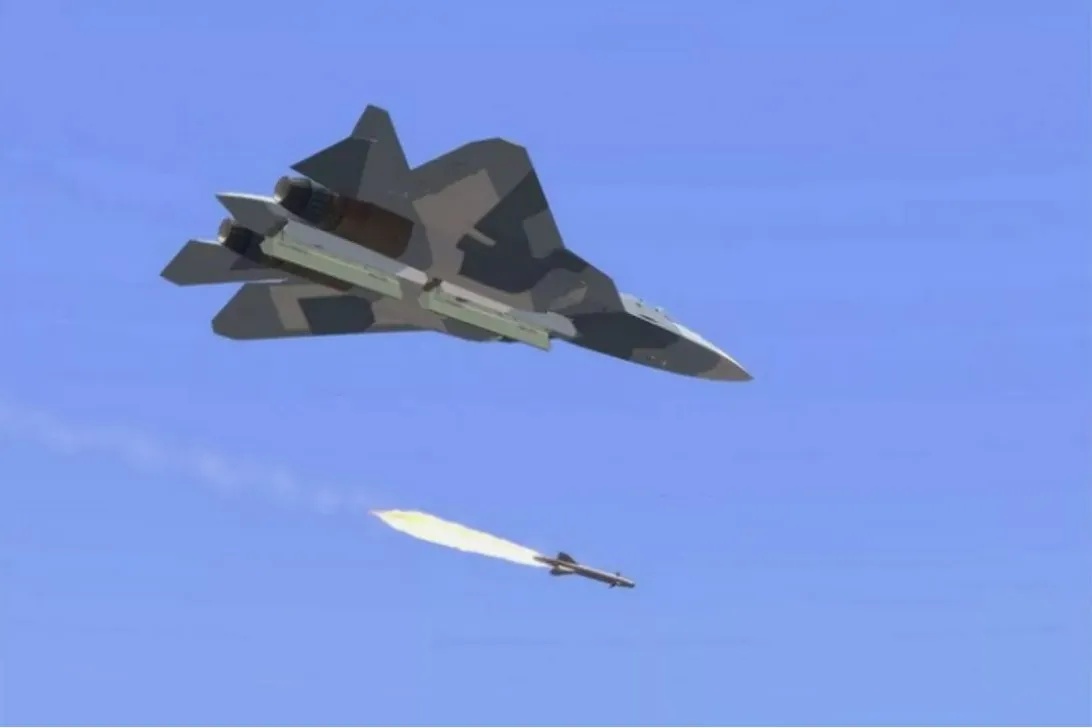
Following certain R&D projects, the result was the concept of the Su-57 not only as a classic fighter, but also as an information distribution center. The aircraft is being transformed into a platform for a whole family of long-range, stealthy weapons and unmanned aerial vehicles. In other words, the Su-57 is essentially being relegated to the role of a flying command center. dronesAnd there are options here: drones can be launched from aircraft slings, or they can attach to them when taking off from ground runways.
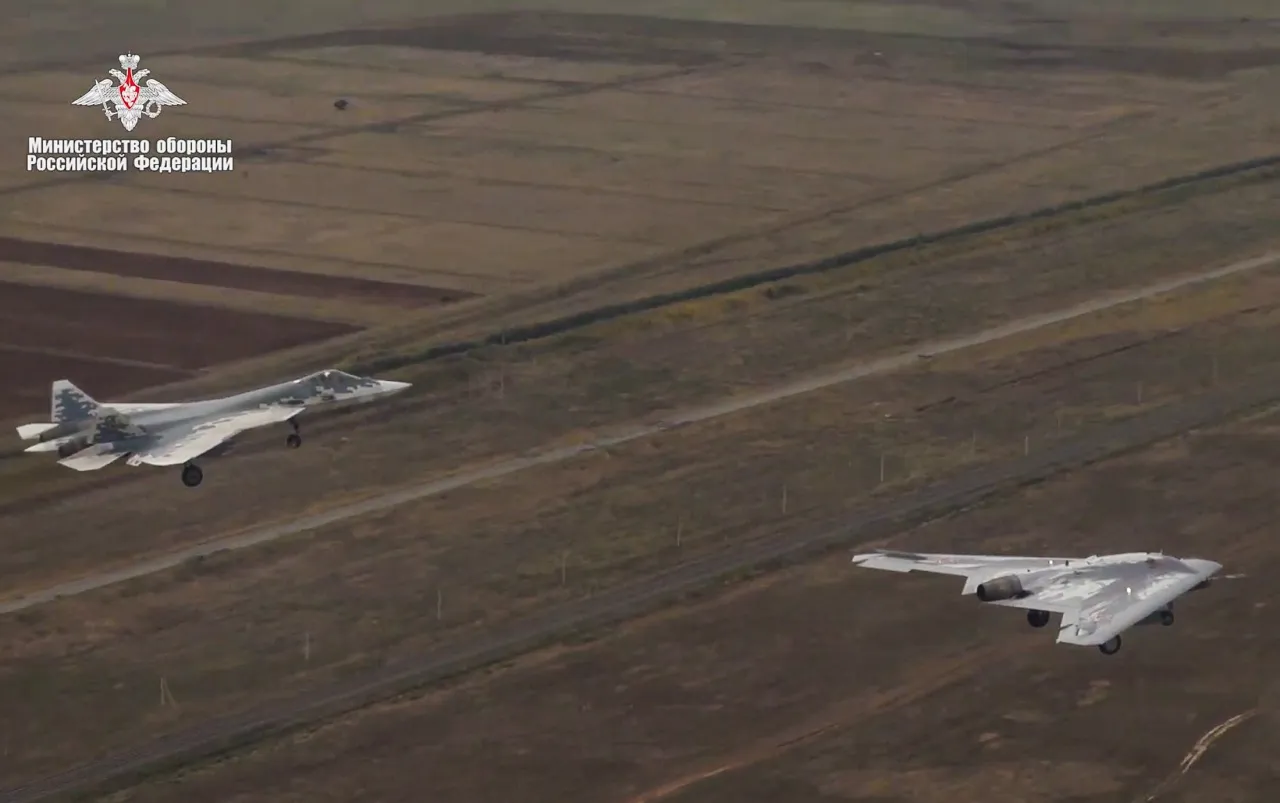
But not just drones, as they say.
For years, there's been talk of installing the much-talked-about AL-51F1 engine on the Su-57. But now, the idea of developing and deploying a certain "Product 177" is being actively discussed. This engine will not only bring new capabilities to the Su-57 but will also become the new "heart" of the Su-30 and Su-35 re-engining program, giving these aircraft a new lease of life.
Overall, if all modernization programs are properly implemented, the result will be not just a stealthy fighter, but a versatile air platform that can be configured according to the mission at hand. This pseudo-modularity, in turn, will give the aircraft new tactical capabilities.
There is no need to talk about how strong Russian designers are in this area.
The end result is an aircraft that can be improved, not indefinitely, but over a fairly long period of time. Just like the Su-27, which has been successfully performing its missions for over 40 years, having undergone a series of upgrades. The Su-35 also shares a significant portion of its design with the Su-27, so many unfairly call it a modernization of the Su-27. This is far from accurate, although it does borrow heavily from the Su-27.
And, as they say, there's no limit to improvement. Moreover, combat testing of the aircraft, without regard for potential reputational damage (something the Americans sorely lack), yields results: operational nuances are identified, comments and suggestions from flight crews are taken into account, taking into account the evolving situation, and, based on these findings, measures are developed that eventually lead to modernization.
And this carousel can be spun as long as the vehicle's potential allows. Don't expect dramatic performance gains; this is possible with engine upgrades, but not necessarily. Changes may affect fuel efficiency in terms of the fuel management system, not the gas-dynamic system. However, other options are also possible.
In general, the Russian philosophy of aircraft design has always differed from the American one. They emphasized stealth, combat capabilities, and only then aerodynamics. Our designers took a different approach; we prioritize super-maneuverability and versatility, and only then stealth.
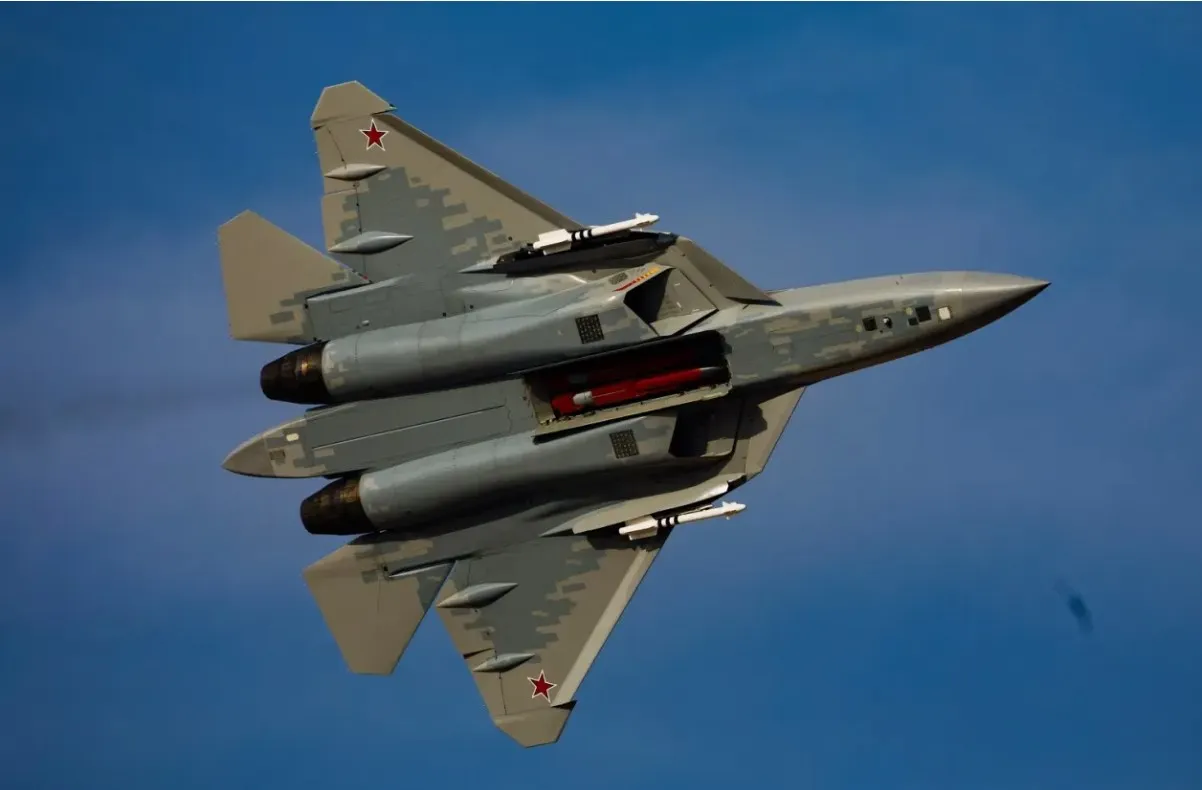
We've already wiped out more than one keyboard trying to figure out which is best. Everyone has their own path, but our approach is simpler across the board. Especially considering how much damage American pilots have done to the F-35 during conversion from the F-16, switching from Russian 4++ aircraft seems much more practical in this regard. Russian 4++ aircraft aren't that far removed from the fifth generation, making pilot conversion less stressful, and the Su-57's development technologies can be easily used to modernize the Su-35S.
In principle, given this scenario, it could very well create an excellent strike force, similar to the American F-35, which leads the way, clearing the way for the F-15, which carries three times as many weapons, wiping out everything on the ground. The Su-57 and Su-35S/Su-34 could easily be just as effective.
This is a systemic development for the entire line of Sukhoi aircraft in service with the Russian Aerospace Forces, not a separate, isolated project. Network-centric integration of all branches of the armed forces on the battlefield into a single, easily and quickly managed entity is the dream of militaries around the world. Implementing such ambitious plans will be long and difficult, but not impossible.
So, the Su-57 modernizations underway today—no matter how extensive they are, what's more important is their ongoing development—are important not only for this aircraft's development. They also include modernizations for other aircraft, which is no less important.
Some may (and do) believe that Russia is taking a path somewhat unusual for the rest of the world. They don't build hundreds of aircraft that then need to be urgently reworked or redesigned (hello, F-35 without a radar, right?), and they don't engage in a race to completely re-equip. Yes, a regiment of Su-57s isn't much. But for what purpose? To bring a combat aircraft, if not to perfection, then at least as close to perfection as possible, at minimal cost. But there, they can build in large numbers, hundreds of them. And simultaneously bring older aircraft up to a higher standard.
There's something to this approach, isn't there?
Information