65 years since its first flight: How the Il-38 waited more than seven years for the Berkut – and what came of it

A Soviet Il-38 anti-submarine aircraft (NATO reporting name: May) flying over the deck of the American aircraft carrier USS Midway (CV-41)
From a prototype without equipment to an anti-submarine system and its successors, 1961–2026
Sixty-five years ago, in September 1961, the prototype Il-38 took to the air without buoys, radar, or computer. The aircraft flew, but it wasn't yet capable of performing its intended missions. More than seven years passed between the carrier's first flight and the official acceptance of the anti-submarine system: three different dates, three different stages of readiness for the same product. Why this happened is discussed in this article.
In the fall of 1966, another series of test flights for the Berkut system was underway over one of the test ranges. On October 27, the buoy failed to deploy—the parachute system malfunctioned. On October 29, the flight was aborted due to a computer failure. On December 24, the onboard radar transmitter failed. On December 26, the results of the test release of the weapon were recorded: a deviation from the target of 5–7 km—significantly exceeding what was required to reliably engage an underwater target. These were not accidents or exceptions—this was the working rhythm of the system's many years of development. And by that time, the aircraft itself had already been flying for five years.
Planner for a new task
In the late 1950s, Soviet designers were faced with the challenge posed by a new threat: American ballistic missile submarines. rockets The Polaris could engage targets at ranges beyond the reach of ship-based anti-submarine weapons. An aircraft was needed that could operate for hours in a remote ocean region—searching for, tracking, and deploying weapons at the crew's discretion.
Before the designers began working on a specific design, they had to choose a platform. An amphibious aircraft was inferior in terms of weight and aerodynamics for the same task, and it was rejected during the "Elm" and "Juniper" research and development phases. They settled on the Il-18 family—a passenger turboprop aircraft already in production and operation. This streamlined the process: the cockpit, empennage, landing gear, powerplant components, and power sources—all of these could be transferred from the "civilian" to the "hunter" without any reworking.
The technical specifications called for a tactical radius of approximately 2200 km and three to three and a half hours of patrol time in the area. This was a design requirement, not an achieved result—the difference was fundamental, and it would be explored over the next decade.
The decree of June 18, 1960, formalized the assignment. The design bureau was headed by S. V. Ilyushin; his deputy, Ya. A. Kutepov, became responsible for the program, and the lead designers were V. M. Germanov and R. P. Papkovsky.
However, "simply installing the equipment into a ready-made passenger aircraft" wasn't an option. The weight distribution of the anti-submarine aircraft was fundamentally different: two dedicated cargo bays, a heavy radar in the nose, a magnetometer tail boom, and operator accommodations. The center of gravity was off. The solution was to move the wing forward. three meters relative to the original position on the Il-18. According to a 1999 study, the wing of the second Il-18 prototype was used, later used on the Il-18D; some reference books cite the Il-18V as the base. Sources differ on this point, and without the factory specifications, it's impossible to pinpoint the donor modification: structurally, it was a member of the family with a wing of the required geometry already developed.
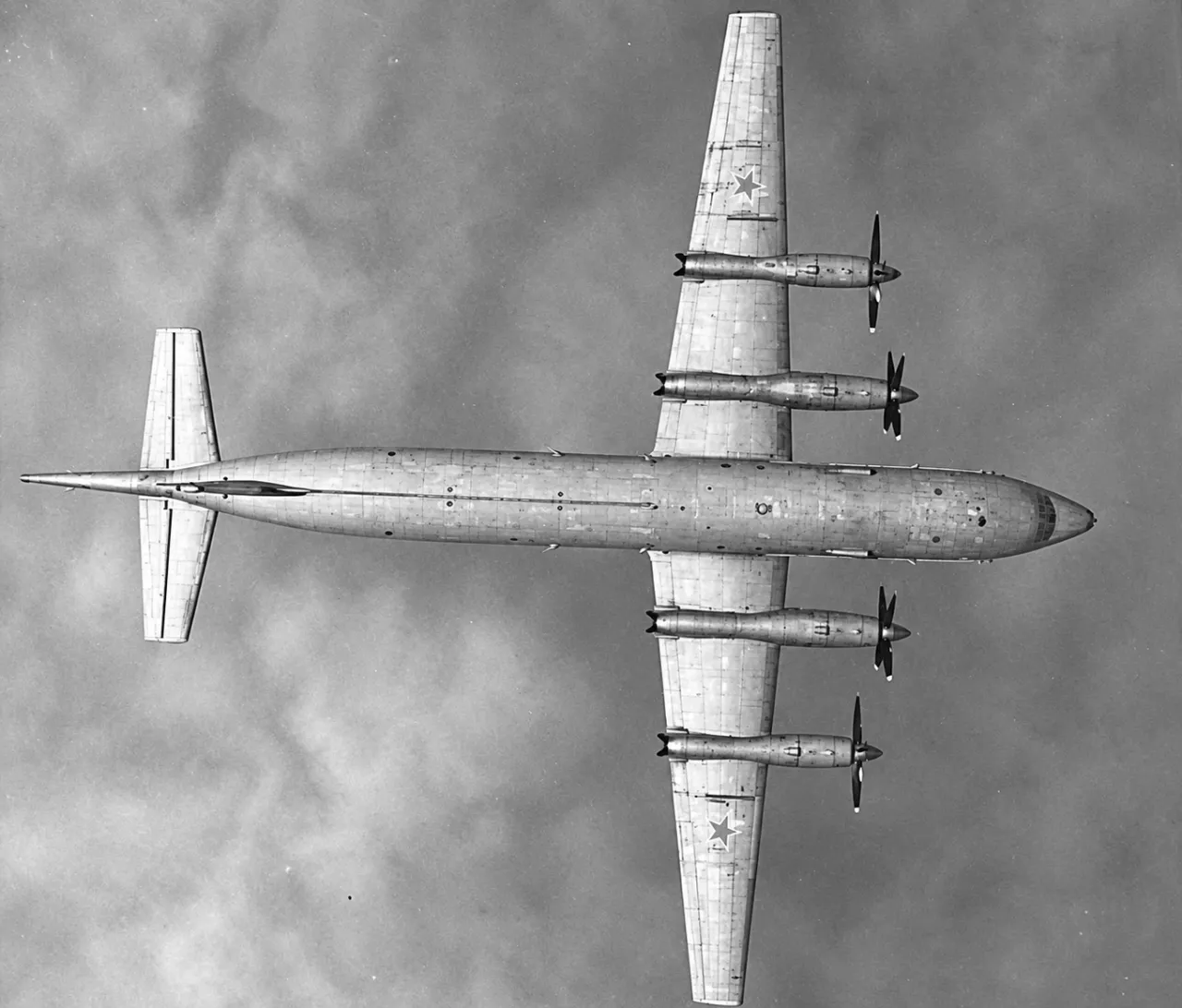
September 28 (or 27), 1961
The first flight of the Il-38 prototype took place in September 1961, ahead of the scheduled submission for state testing in the second quarter of 1962. Test pilot V.K. Kokkinaki was at the controls; the crew included co-pilot E.I. Kuznetsov, navigator V.F. Voskresensky, and radio operator I.S. Siliminov. M.S. Goldman, sometimes counted among the flight crew, served as lead engineer.
The exact date differs in open sources: a 1999 study, an anniversary industry report, and a table of first flights cite September 28th; historian N.V. Yakubovich and several reference books cite the 27th. Both dates are cited conscientiously, but none of these authors appear to have had direct access to the original flight log. Until this document becomes available, there can be no dispute about the "correct day"—the month and year have been reliably established.
What's more important is that the experimental aircraft took off. without the Berkut search and targeting system — that's how the launch vehicle's test program was planned. It was an aircraft without a job. The machine still had to acquire a job—and that turned out to be incomparably more difficult than getting a completed airframe into the air.
Three systems that didn't want to work together
The Berkut search and targeting system (STS) combined several fundamentally different components. An onboard radar searched the surface and periscopes. Three types of sonobuoys performed different tasks: passive non-directional RGB-1 provided initial contact, passive directional RGB-2 provided bearing, and passive-active directional RGB-3 provided bearing and range. The TsVM-264 combined all this information, calculated data for the use of weapons, and provided automated release based on crew decision. At the time, it was one of the earliest Soviet anti-submarine systems. aviation complexes with on-board digital data processing.
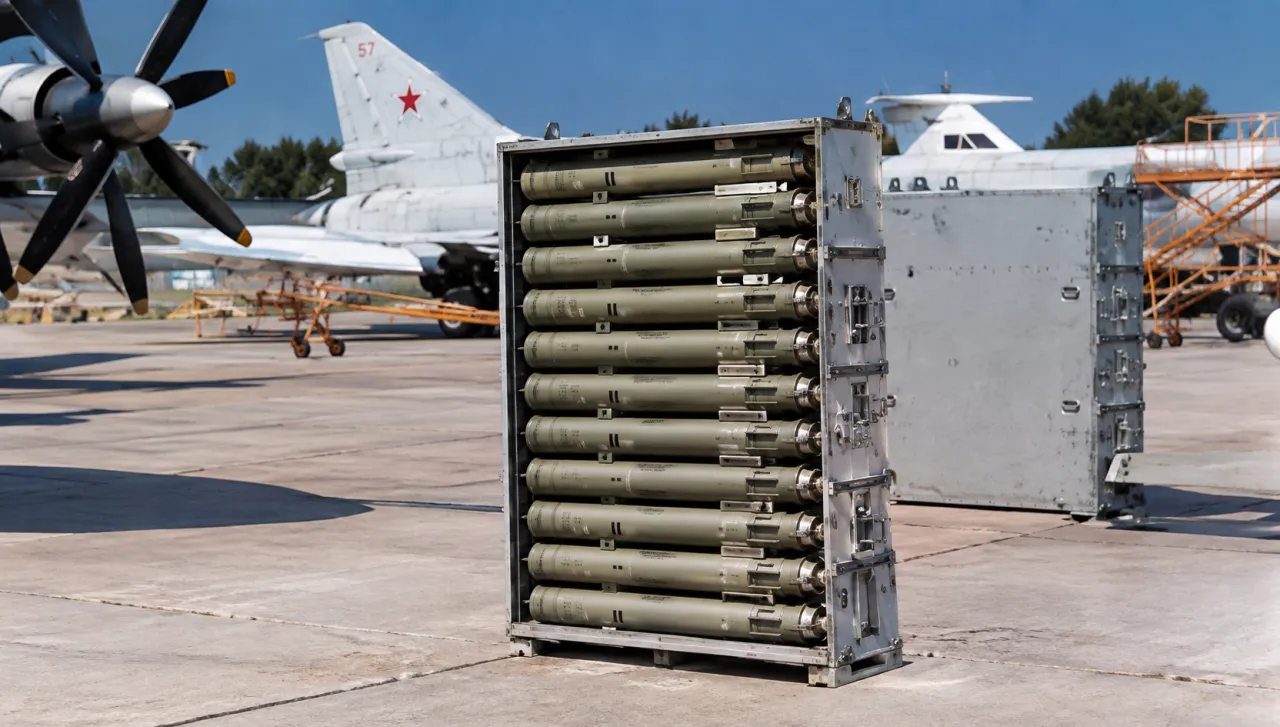
In February 1964, ground and flight docking with the digital computer were completed. That fall, 19 flights were conducted, logging 61 hours and 40 minutes. The commission's conclusion was blunt: during testing, the Berkut digital computer, which integrated the system's main components, experienced failures in almost every flight.
The next two years were spent fine-tuning the system. A method of "smoothing" incoming information was introduced for the RGB-2 radio beacons to more accurately determine the bearing of a noisy submarine. The TsVM-264 software was rewritten several times. The beacons themselves, the sensors, the radar, and the TsVM failed one after another. It's impossible to combine all this. history "Unreliable computer"—published excerpts from the test log provide a specific list of several independent sources of failure. The sources do not establish the exact contribution of each component to the overall delay.
In 1965, the state commission made a remarkable decision: to launch serial production but not to accept the system into service. The carrier's flight characteristics were satisfactory; the PPS's reliability was insufficient. This distinction most accurately describes the essence of the protracted program.
Serial number 10106 and acceptance in 1969
Production aircraft began rolling out of Plant No. 30 "Znamya Truda" in 1967, before the Berkut received official approval. There was a serial number, but no approved system. In October 1967, testing was transferred from the prototype aircraft to the first production aircraft, No. 10106. Test flights continued until January 1968 and, according to researchers, demonstrated a slight increase in equipment reliability. This is a cautious assessment, but a significant improvement was observed.
On January 17, 1969, the Il-38 anti-submarine system with the Berkut system was officially accepted into service. More than seven years passed between the carrier's maiden flight and this acceptance.
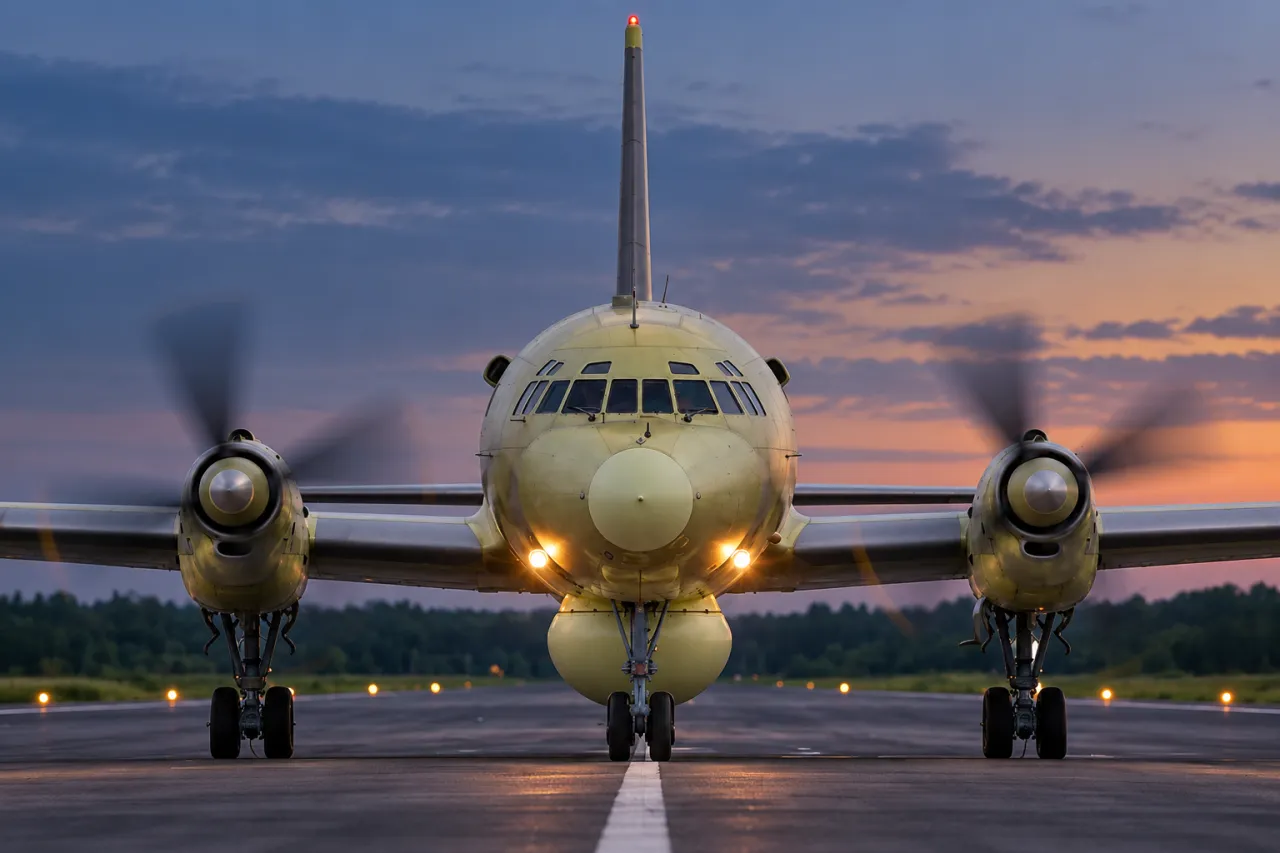
The exact number of aircraft built is inconsistent in open sources. A study based on factory documents lists the 58th aircraft, delivered on February 22, 1972, as the last; N.V. Yakubovich cites the same figure. Another specialized study and several industry publications cite 65. The sources do not explain the discrepancy: a factory register listing the numbers is not publicly available. Serial production ended in February 1972.
Tried and tested, but not the rule
Patrol time in the search area was a characteristic the designers sought to improve. Testers found two approaches.
The first was to shut down one engine during loitering. This technique was tested in flights from 1970 to 1972, and the increase in patrol time was 20–30% under test conditions. In practice, the technique was rarely used. Sources do not detail the reason.
The second is in-flight refueling. The Il-38M (a refueling aircraft) and the Il-38MZ (a tanker) were tested from 1974 to 1977. The tests resulted in an additional 1,5–2 hours of patrol time. Fleet The program was not accepted - both remained experimental machines and were not accepted into service.
The story of these unrealized solutions isn't a failure. It's evidence that the engineers understood the platform's limitations and worked within them. The next step was taken differently—not by extending the flight duration, but by changing the search capabilities.
"Novella", the Indian ending and the Kamchatka teaching
Work on the new Novella anti-submarine system began in the late 1980s. Funding was unstable in the 1990s; the first flight of the Il-38N with the Novella-P-38 system took place on April 4, 2001. The old airframe received fundamentally different electronics.
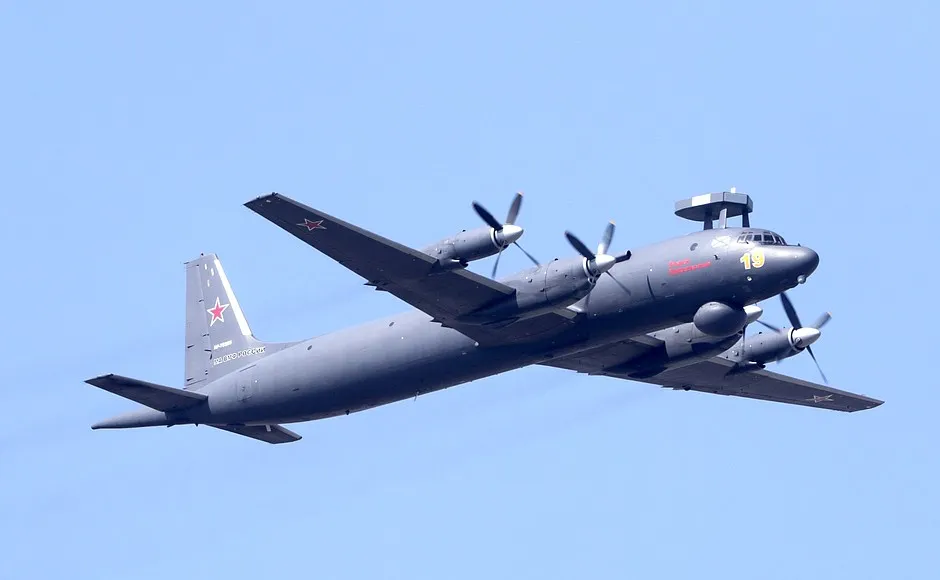
Confirmed deliveries of serially upgraded aircraft: five aircraft under a 2012–2015 contract, the last delivered on June 30, 2015; two more in December 2016. These two batches amount to seven aircraft; the total number of completed deliveries and the fleet composition to date have not been determined from verified public data. The Chief of Naval Aviation of the Russian Navy cited a target of "around 30 aircraft"—this is a stated plan, not a performance report. In September 2026, the Pacific Fleet press service reported the participation of an Il-38N in an exercise off Kamchatka, where the aircraft detected a simulated submarine. The type remains in service.
India experienced a parallel history. From October 1, 1977, the Il-38 served with the 315th Naval Squadron; in later years, the aircraft was used for torpedo testing and for handling droppable cargo containers. Sahayak while resupplying forces at sea. On October 31, 2023, the Indian Il-38SDs were ceremoniously sent off from service after 46 years of flight. The airframe had survived several generations of electronics—this was precisely the scenario being developed at the time in other countries as well.
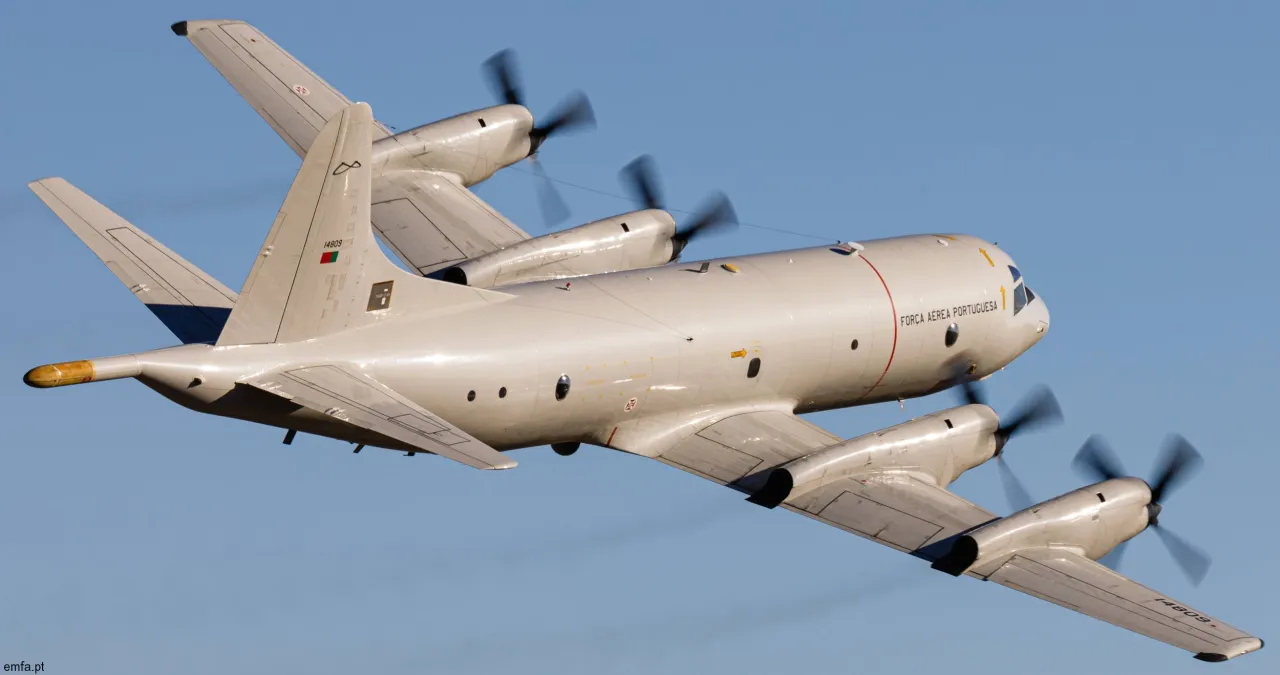
The Lockheed P-3 Orion, which entered service with the US Navy in 1962, was based on the Model 188 Electra turboprop airliner; the British Nimrod HS801, whose prototype flew on May 23, 1967, inherited the airframe of the de Havilland Comet 4C jet, but received a new lower fuselage with a radar, a tail magnetometer, and turbofan engines. SpeyAll three solutions are similar—the task was similar, and the choice of tool was similar.
* * *
The Il-38 took off in September 1961 as a carrier without a system. Production aircraft began rolling out of the factory in 1967, before the Berkut received official approval. Acceptance took place in January 1969. Three different dates, three different stages of readiness for the same product. The delay wasn't caused by the aircraft's design: the 1965 commission explicitly separated these two issues. Onboard processing of acoustic, radar, and navigational information in real-world conditions required fine-tuning that couldn't be expedited by administrative action—buoys, sensors, radar, and digital computer all failed, one after another, and all at once. The platform waited for its system. Then it waited for the next one.
Information