Vietnam: More bombs for the god of bombs!
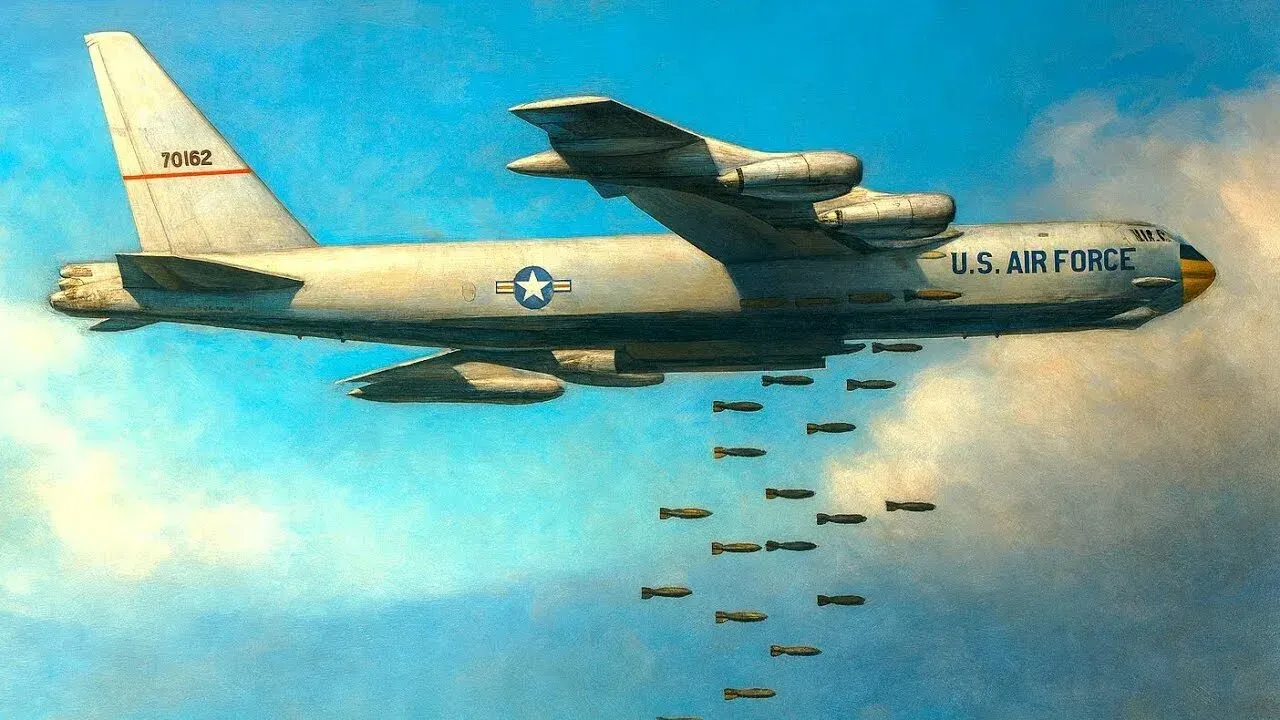
"I'm no longer a pilot, but an executioner..."
It's not entirely accurate to say that American society disliked the Vietnam War. It disliked the losses its troops suffered in that war. It had no objection to the deaths of Vietnamese. Therefore, the withdrawal of troops from the country didn't mean an end to hostilities: the Americans simply began fighting the way they always preferred. From the air.
What does this have to do with Soviet-American and Chinese-American relations, you ask? What does it have to do with it? Less than 20 years had passed since the end of the Korean War, so the intense dogfights between Sabres and MiGs were still fairly fresh in the memory. And there was no desire to repeat anything similar. And after negotiations with the Russians and Chinese, it became clear: Soviet and Chinese MiGs would not be flying to Vietnam; there were few Vietnamese MiGs (and the pilots' training was not the highest), so the ball was in the air!
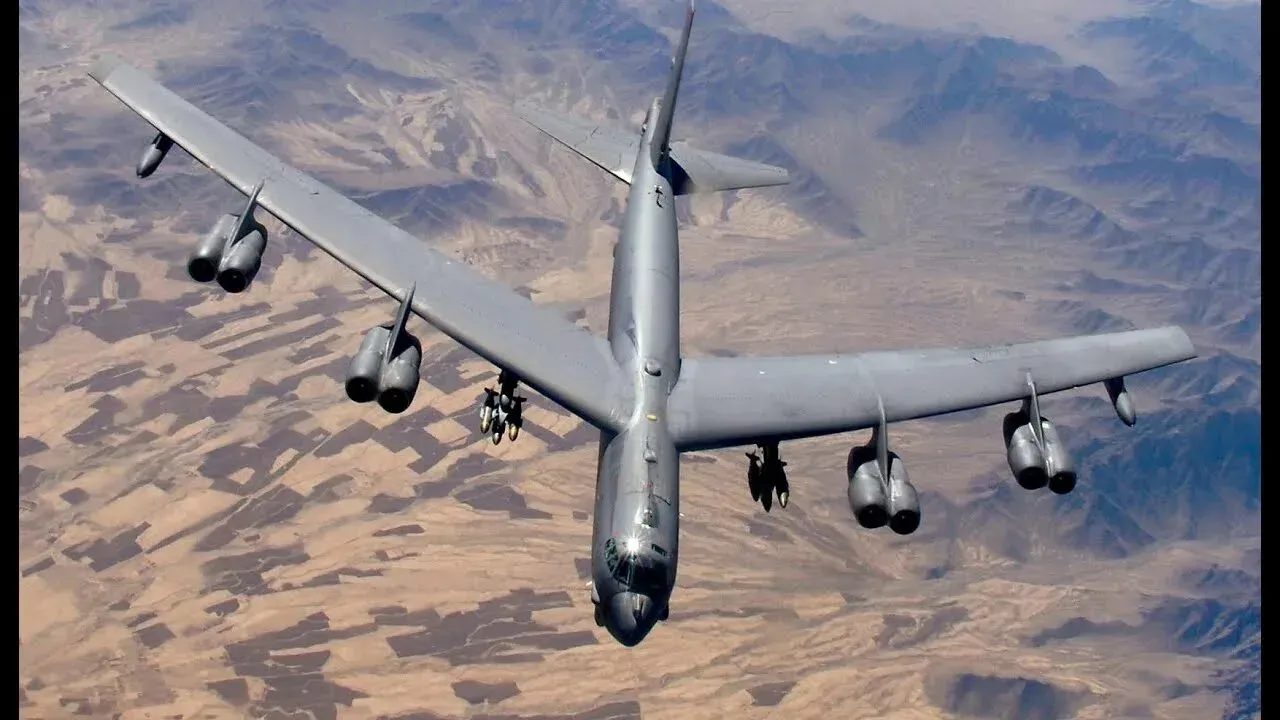
B-52 brings democracy...
The Nixon administration considered the "Easter Offensive" an act of inappropriate audacity. An act for which the enemy should be punished. Punishment on the ground is costly in terms of casualties and is poorly received by the public. So, bombing was the way to go! And so the US Air Force began. From May 1 to June 30, 1972, the Americans conducted 18 combat sorties. This operation, dubbed "Linebacker," involved 330 sorties against Vietnamese infrastructure, carried out by 210 B-52s and 374 F-4s.
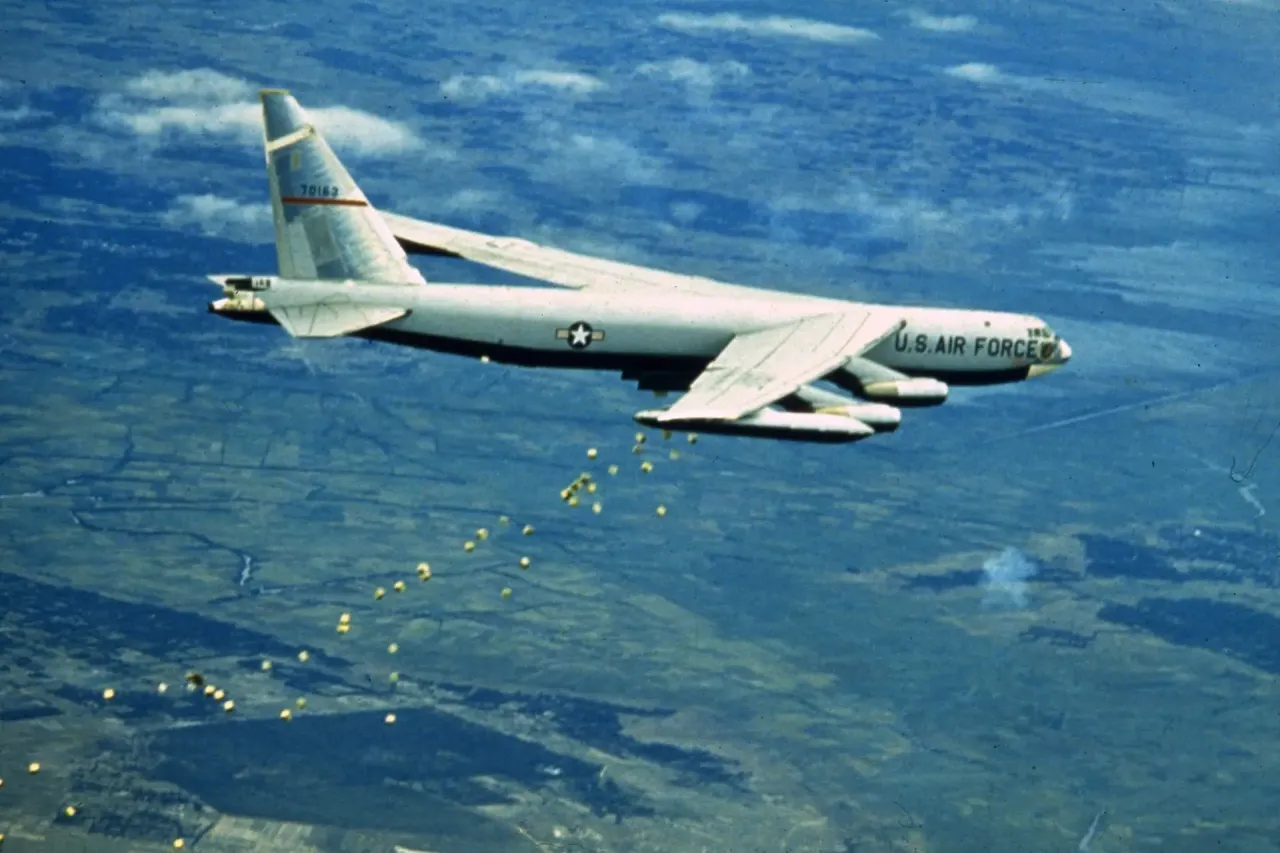
Bombs...
Railroad stations were heavily bombed, and in Hanoi, the Paul Doumer Bridge was destroyed with 29 laser- and electro-optical-guided bombs. From April to October, 155548 tons of various iron ore were dropped on the DRV. However, bombing wasn't the only measure: the US Navy began mining Haiphong Harbor and its approaches, while five carrier strike groups, three cruisers, and 38 destroyers provided fire support to the Viet Cong. This response, which didn't require the valiant GIs to get their boots dirty, was greatly appreciated by the public, and Nixon's popularity soared!
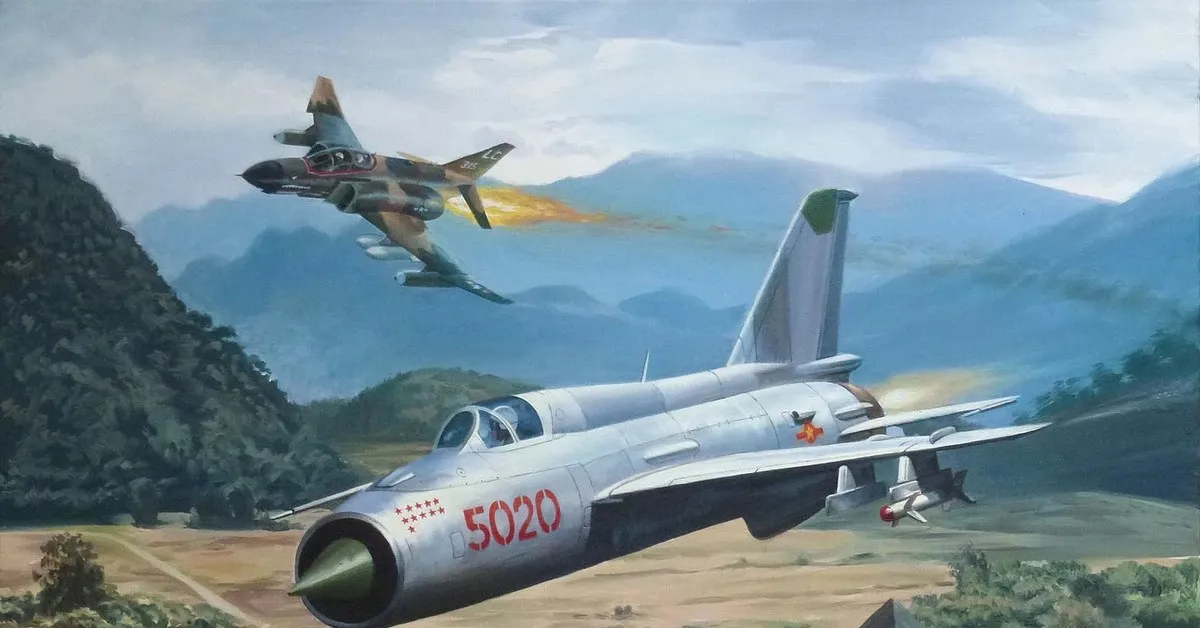
My "Phantom", fast as a bullet, in the blue and clear sky I will never see again...
These measures produced the desired result: land shipments to Vietnam fell from 160 tons to 30 tons, and sea shipments fell from 250 tons to zero. The DRV lost 70 percent of its power generation and almost all of its oil storage facilities. However, it's not as if this was a massacre of the innocents: the Vietnamese Defense The air force pilots were in the lead in the aerial duels, shooting down seven American aircraft while losing only two of their own. But the real heroes of the day were the S-75 crews, who clearly explained that bombing a foreign country without declaring war was wrong for the pilots of 37 aircraft.
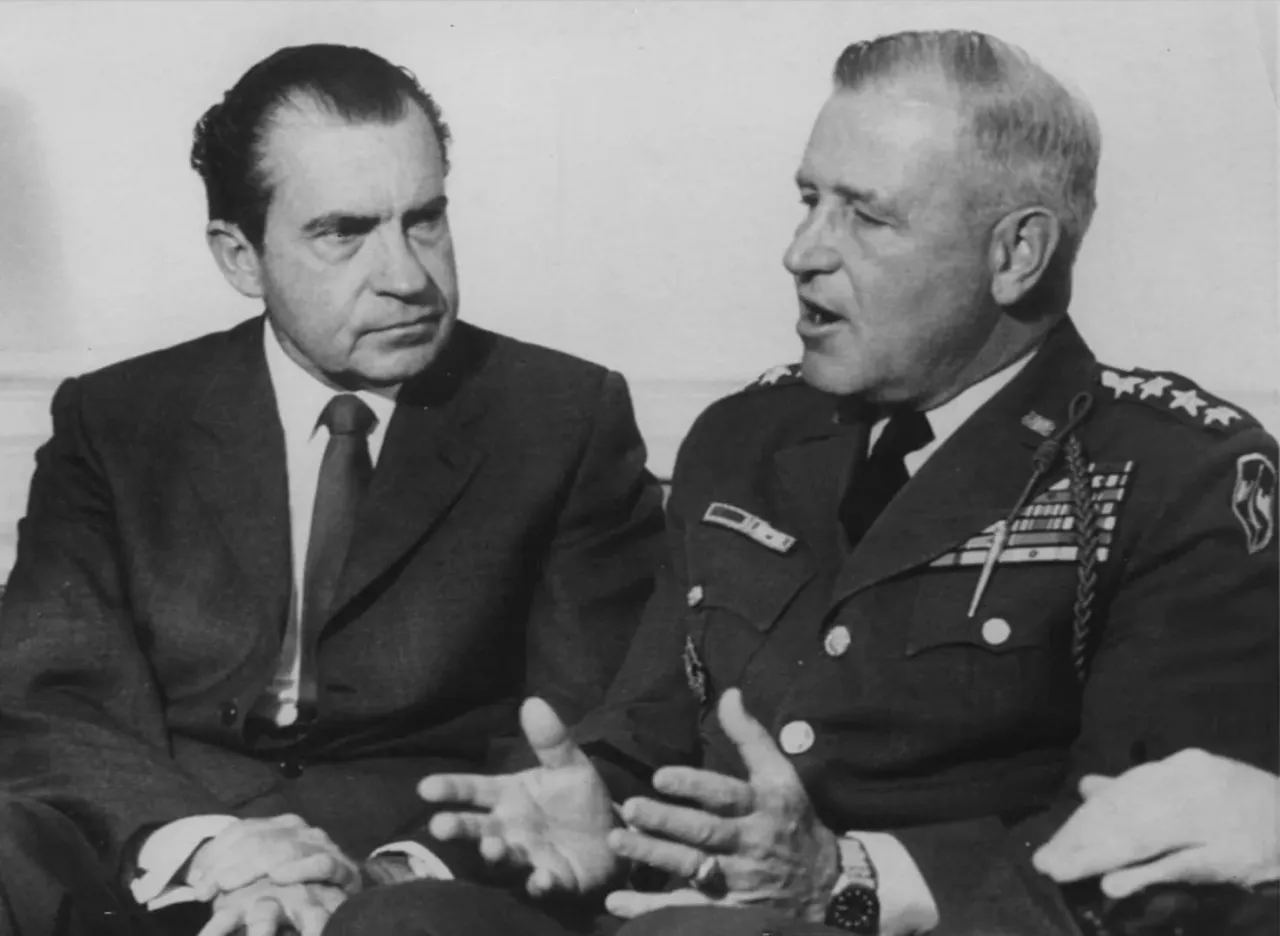
Nixon and Abrams, Kissinger is on the far right...
Be that as it may, the actual results of the first Operation Linebacker weren't particularly encouraging. The Americans managed to pat themselves on the back, but the actual damage from strategic bombing was minimal: the DRV's infrastructure was, to put it mildly... underdeveloped. And the VNA wasn't overly dependent on its own military industry, making do with the remaining supplies from China by land. Creighton Abrams spoke out against continuing the operation: if all the resources spent on it had been spent on tactical airstrikes, the effect would have been far greater—the Americans had become quite adept at targeting troops on the battlefield. But this proved to be an old man's mistake: Nixon assessed strategic bombing not from a military perspective, but from a political strategy perspective—they appealed to the electorate, therefore...
The general's coup de grace was dealt by the cunning and schemer Kissinger, who told the president, "He's worn out. He's gotten fat, drinks too much, and can no longer fulfill his duties." It's a strange statement: if all the alcoholics in the 70s-era US Army were discharged, there would be no one left to serve. But it worked on Nixon (his grandfather was a serious drinker, even by the standards of the day), and Abrams was promoted, which was tantamount to being removed from office.
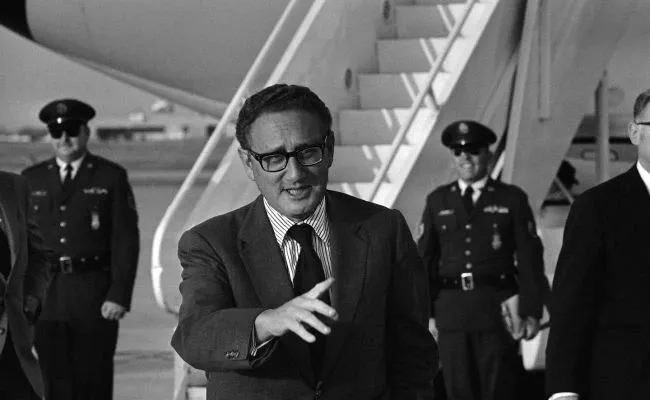
Kissinger arrived for another round of talks.
Meanwhile, negotiations continued in Paris. The Vietnamese were digging in their heels, the Americans were demanding that the Soviet leadership moderate their position, and the Soviet leadership said, "Just look at your Israel—if you calm them down, we'll come to an agreement with Hanoi." The Americans argued that Israel was a sovereign state and they had no leverage over its government. To which their Soviet comrades rolled their eyes and replied that the DRV was also a sovereign state, and that they had no more leverage over it than Washington had over Tel Aviv. But in reality, both the USSR and the US were far more concerned with mutual nuclear disarmament and détente than with the problems of their Middle Eastern or Far Eastern vassals.
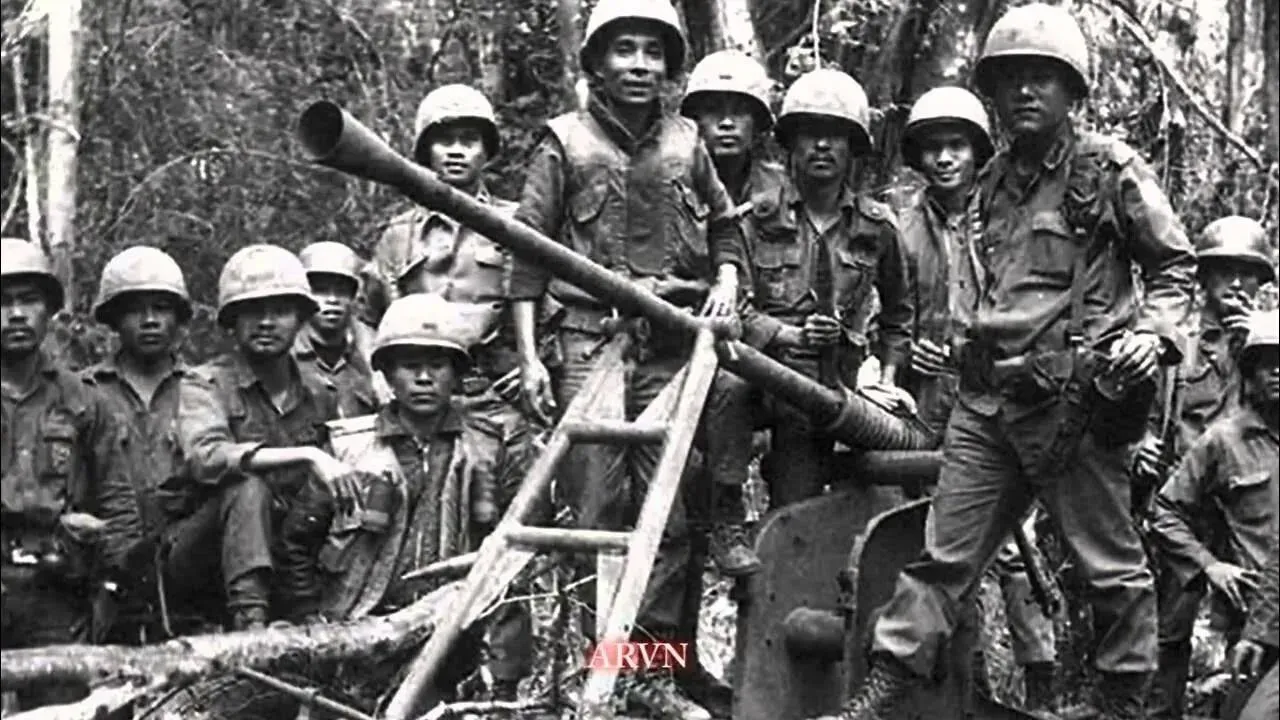
Arwen's fighters in position
Meanwhile, the summer and early fall proved to be exceptionally difficult for the VNA. Arven, with the help of the US Air Force, launched Operation Lam Son 72, recapturing the territories captured during the Easter Offensive from the North. The VNA's losses were so severe that unit commanders sent letters to the Politburo demanding the campaign be ended, otherwise there would simply be no personnel left at the front. In short, as Western historians have noted, "the Northerners were taught a bitter lesson: aviation, while of limited effectiveness against guerrilla forces and jungle communication routes, is a powerful weapons against large military formations engaged in classical military battles, and especially against moving armored vehicles."
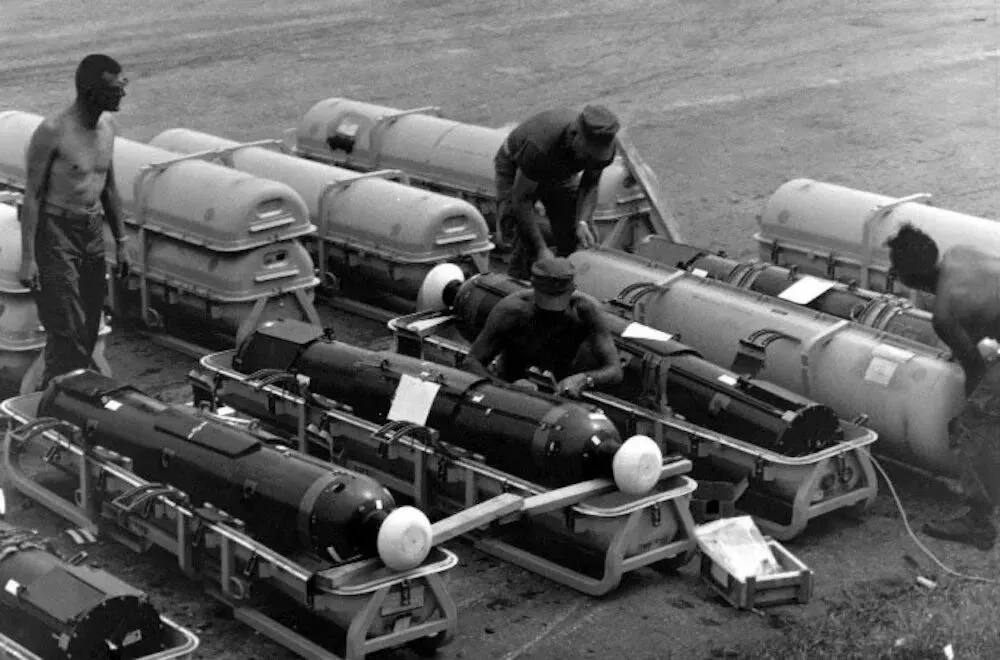
The CBU-55 is the US Army's most powerful non-nuclear weapon.
On July 11, the Southerners landed a helicopter assault force a couple of kilometers from Quang Tri, the path cleared by American air strikes. The assault force was tasked with blocking Highway 560, the main supply line for the Vietnamese Army. Two helicopters were shot down and 25 were damaged, but the Northerners were forced to retreat west. During the battle for the city, the Southerners used CBU-55 fuel-air bombs, which the Americans considered their most powerful non-nuclear weapon. The Vietnamese Army responded. artillery and mortar fire, which the northerners learned to conduct with maximum effectiveness.
Street fighting in the city lasted 35 days, and it wasn't until September 16 that the Confederate Marines raised the yellow flag of the Republic of Vietnam with three horizontal red stripes over the Quang Tri citadel. The Confederate losses were horrific: of the 3658 Marines who began the battle, the brigade lost 977 dead alone, while the paratroopers and rangers suffered comparable losses. After the fighting, Quang Tri was compared to Berlin in May 1945. The Vietnamese lost between 4 and 10 men, according to their own estimates, while the Confederates counted 8135 enemy corpses on the battlefield, so the figures are roughly consistent.
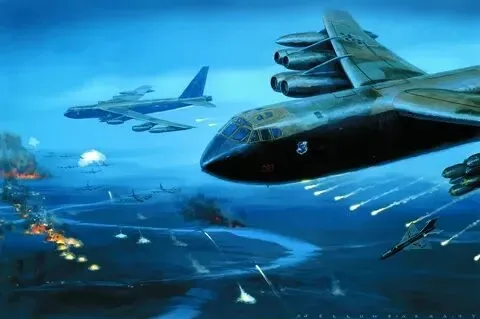
Linebacker
Operation Linebacker ended early, on October 23, 1972. Its costs had exceeded $4 billion, and securing additional appropriations for the Vietnam War in Congress was becoming increasingly difficult.
The capture of Quang Tri was called a "Pyrrhic victory" by the Southern press, and one American adviser drew an analogy from professional boxing: "They were like two fighters in the 14th or 15th round. They could barely do anything but hold on to each other." Nevertheless, both sides frantically attempted to advance—the military was pressured to give diplomats "trump cards" at the negotiations in Paris. The negotiations once again became bogged down in the conflicting demands of the two sides: Le Duan demanded elections in the South with the participation of the Communist Party, while Saigon "President" Nguyen Van Thieu, buoyed by optimism following the ousting of the Northerners from the territories captured during the Easter Offensive (a tenth of South Vietnam remained under Northern control, but they had lost most of what they had captured), began to voice such conditions through the American delegation (the return of all captured military bases near the border, etc.) that the Northerners, who had already seemingly agreed to a ceasefire, left Paris on December 13. This was not a final refusal to negotiate. The fact is that Congressional elections were scheduled in the United States, and the DRV delegation decided to take a break in order to continue negotiations under the assumption that the American president had a new Congress.
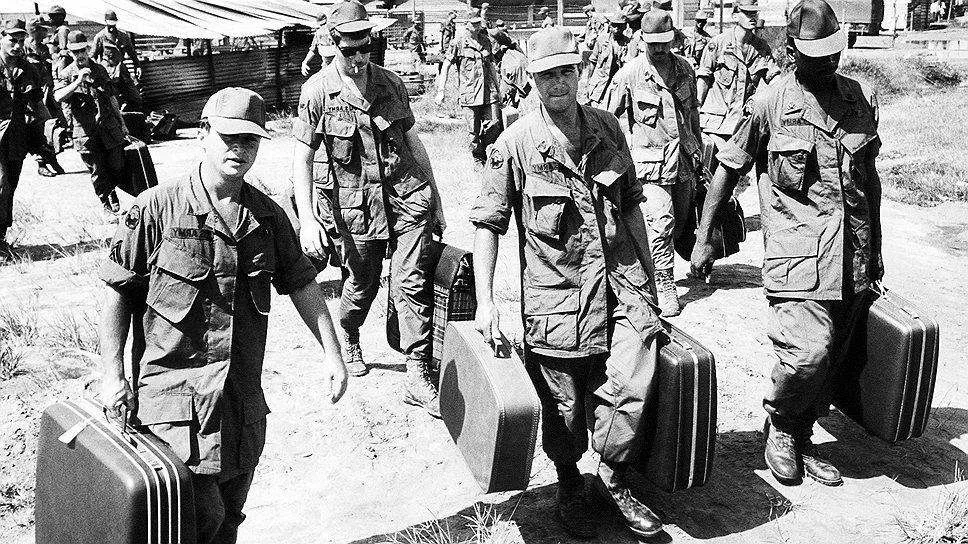
The last Americans leave Vietnam
It must be said that at that point, the only way the Americans could bring the North back to the negotiating table was through bombing. Even during the most tense days of the Easter Offensive, the Americans continued to withdraw their troops, and in August 1972, the last American battalion left Vietnam. And... Naturally, Nixon issued an ultimatum to the North—return to the negotiating table within 72 hours—and after no one returned, he ordered Operation Linebacker II.
More than 200 B-52s and 14 tactical air groups, totaling 1077 aircraft of all types, took part in the bombing of the DRV. The operation was entirely "political" and had no military purpose. To some extent, those historians who consider it a means of exerting pressure not on Hanoi, but on... Saigon, are correct! It was important for Nixon to demonstrate to Thieu that American support for his regime would continue despite the troop withdrawal. Simultaneously with the bombing of the North, additional shipments of the most modern weapons and vast quantities of ammunition were transferred to the South.
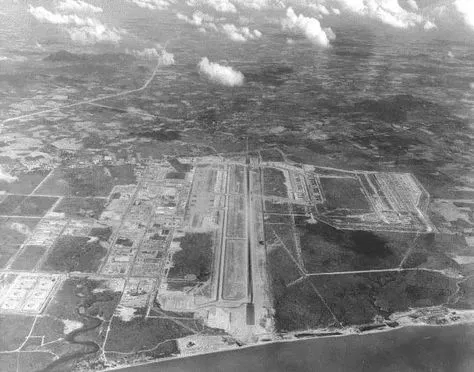
U-Tapao Air Force Base in Thailand
The B-52s bombing the Democratic Republic of Vietnam were based at U-Tapao Air Base in Thailand (54 aircraft) and Guam (154 aircraft). Air Force command strongly opposed the operation: B-52s had long been out of production at the time, so replacing losses was impossible, and the plan was to use almost half of the existing fleet. There was a second reason. Serving on strategic bombers in the United States was incredibly prestigious, so the B-52 crews were elite not only in training but also in background—they included many children of senators, congressmen, and generals. And the plan was to use them in the Hanoi area, which was well protected by Soviet S-75 air defense systems and Vietnamese air defense aircraft.
According to the operation plan, the bombers were to approach their targets at night, in three waves, along the same trajectory and at the same altitude. After dropping their bombs, they were required to turn west, which was quite dangerous: firstly, the aircraft would have to fly into the wind, which reduced their speed by 190 km/h, and therefore increased their time in the enemy's air defense zone. Secondly, the aircraft's antennas EW They turned away from the radars they were trying to jam, making the bombers visible to North Vietnamese air defense forces.
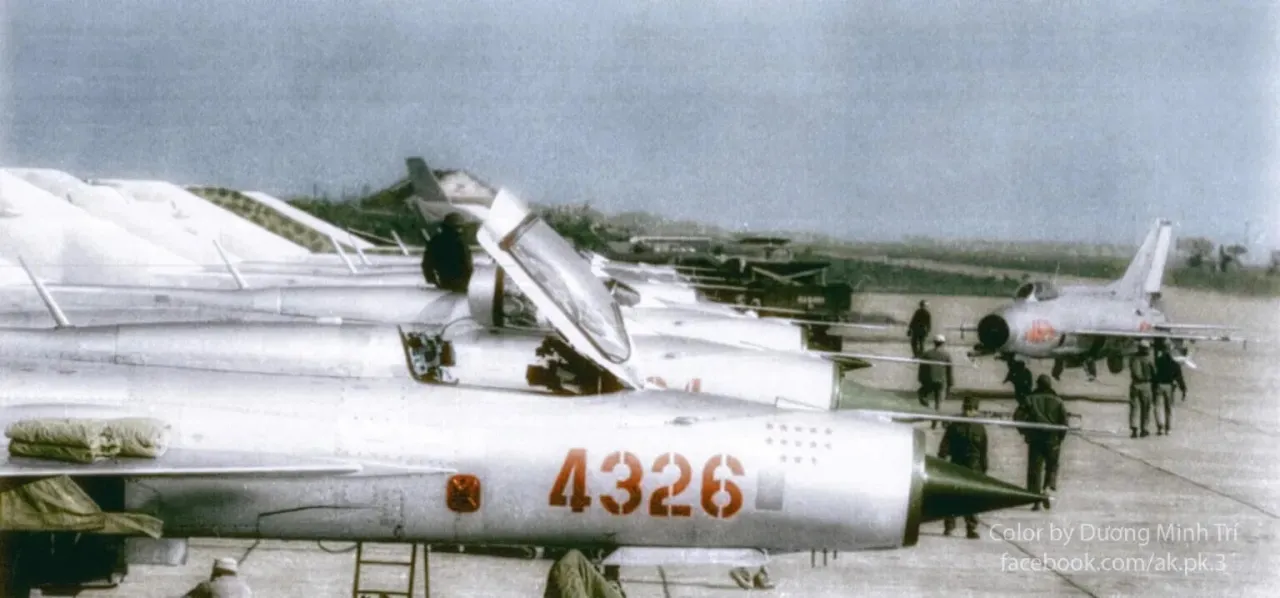
MiG-21 of the DRV Air Force and their pilots
What could the VNA air defense forces do against this armada? The capital of the DRVN was protected by 36 S-75 battalions. These systems were no longer new, but they were still quite operational. The North Vietnamese Air Force was small, and only 31 MiG-21s and 16 MiG-17s posed a threat to the B-52s. Worse, of the 200 DRVN pilots, only 13 MiG-21 pilots and 5 MiG-17 pilots were qualified to fly at night and in adverse weather conditions. Overall, the level of training of Vietnamese pilots was not the highest—the fledgling Air Force was staffed with young and inexperienced pilots.
The first airstrike of the operation took place on December 18, 1972. 129 B-52 bombers, plus F-4 Phantoms, F-105 Thunderchiefs with the "Wild Weasel" configuration (for suppressing air defenses), B-66 Destroyers, and EA-6 Prowler electronic warfare aircraft refueled the entire armada with KC-135 Stratotankers. The first wave targeted Vietnamese airfields in Kep, Phu Kean, and Hoa Loc, as well as a storage facility in Yen Vien; the second and third waves struck targets in the Hanoi area.
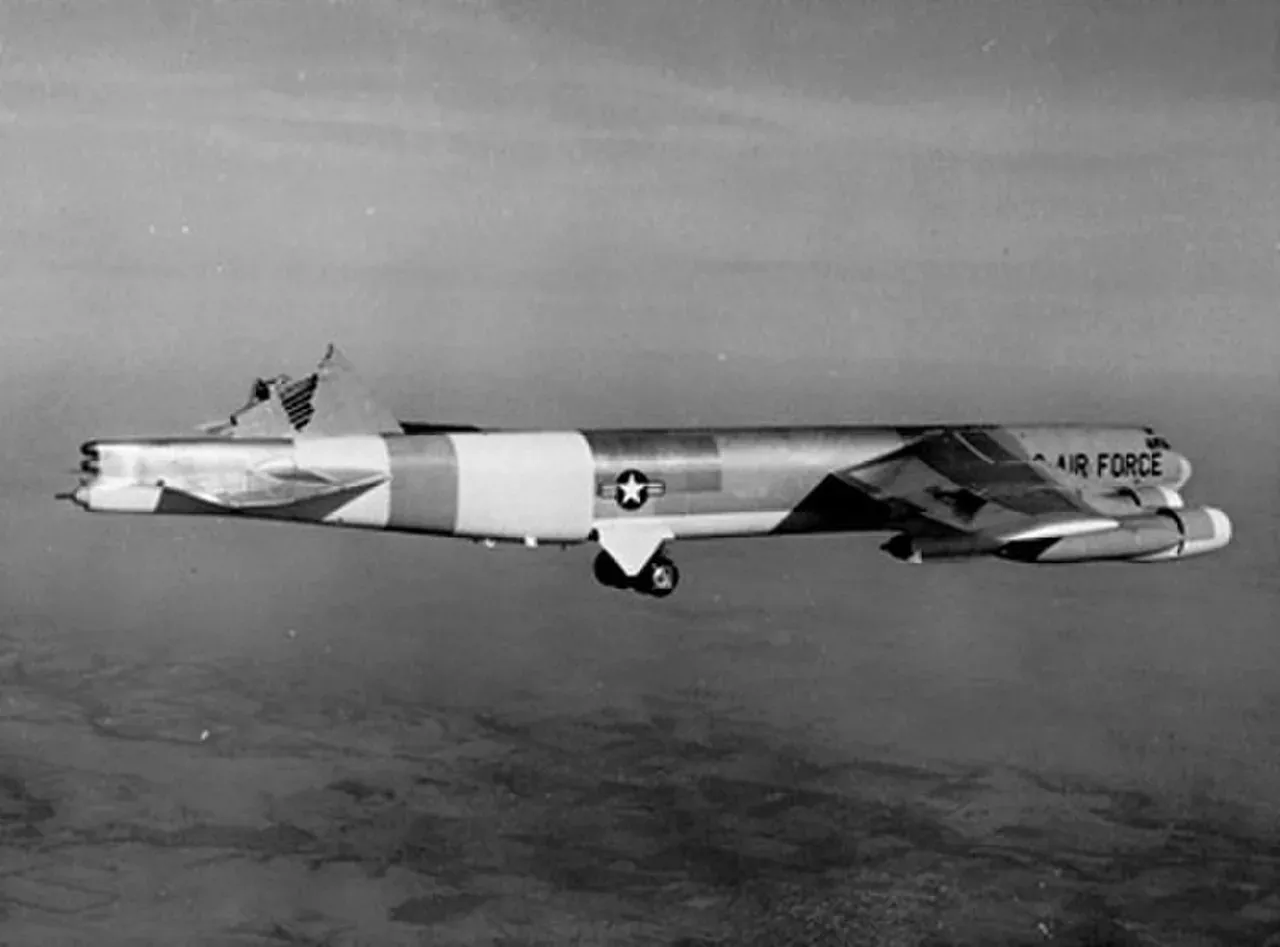
A damaged B-52 might look like this...
The first night cost the Americans three B-52s shot down (two bailed-out crews were captured, one was rescued in Thailand) and two heavily damaged aircraft that managed to reach their base at U-Tapao. Furthermore, an Ardwark F-111 was shot down after attempting to bomb Radio Hanoi (Trinh Thi Ngo really got on the Americans' nerves!). Interestingly, while the first Operation Linebacker was carried out in response to the PLA offensive, as President Nixon himself announced to the world on television, the second... Explaining the rationale for such a strain on the US Air Force, including the Strategic Bomber Command, was much more difficult. Kissinger held a press conference at which he accused the DRV of reneging on certain agreements, but without providing specifics.
Emblem of the Strategic Bomber Command
On the second night, the Americans bombed the railway, warehouses in Kinhsho, the Thaiguen Thermal Power Plant, and again, warehouses in Yongven. This time, no aircraft were shot down, although several B-52s were damaged by anti-aircraft fire. missilesAnd then... Then there was the night of December 20, 1972...
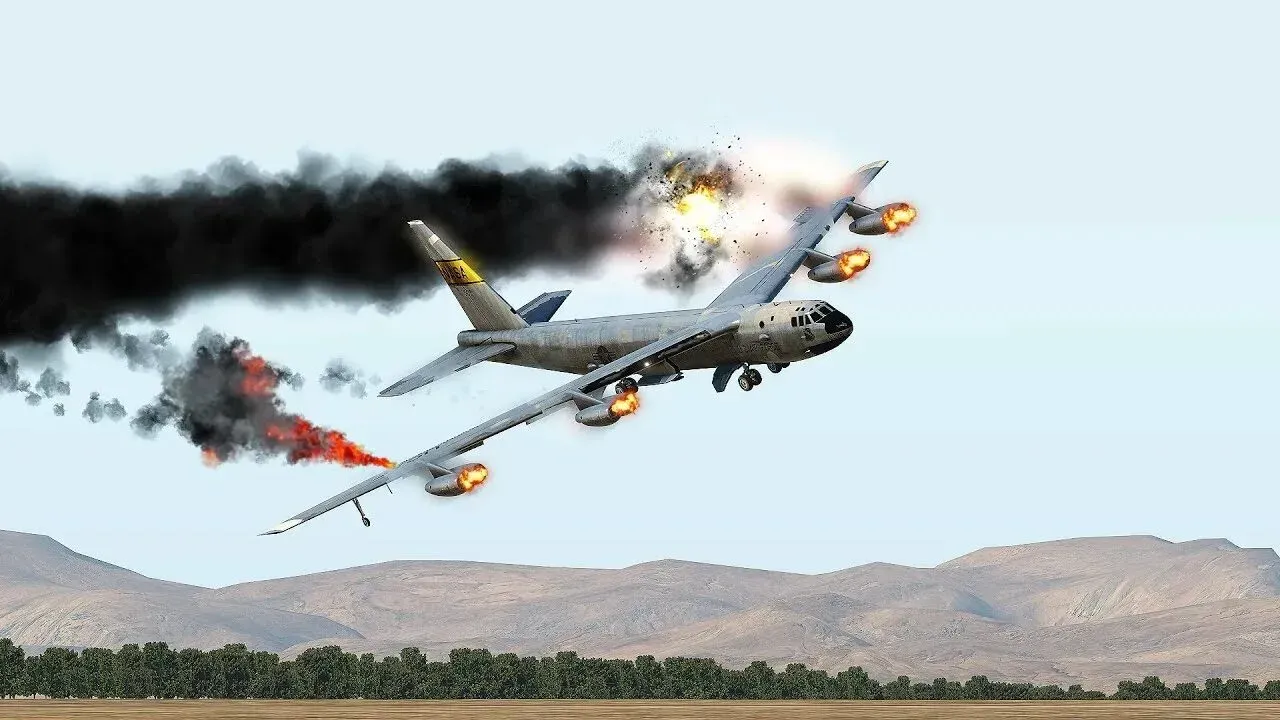
A B-52 in flight is simply beautiful, and the picture of a downed one is simply breathtaking!
What happened that night in the skies over Hanoi is best described by the film "Black Hawk Down," or rather, what it doesn't tell. Americans love to follow a pattern, and that's exactly how the Rangers were caught by Somali militias in Mogadishu. The American bombers were "punished" in exactly the same way by the DRV air defense forces. They figured out the pattern of the raids and waited.
While the first raid fired 68 anti-aircraft missiles, downing three B-52s (and damaging several others), and the second raid's 20 S-75 missiles failed to bring down a single aircraft, on December 20, 34 anti-aircraft missiles sent seven B-52s into the wilderness, and the eighth was so badly damaged that it crashed in Laos. Of the eight crews, only two were found and rescued by search and rescue teams. As anonymous Strategic Air Command officers later admitted to journalists, years of safe and uneventful bombing raids along the jungle-snaking Ho Chi Minh Trail had weakened the staff planning the operation, leading to the loss of precious aircraft and their elite crews.
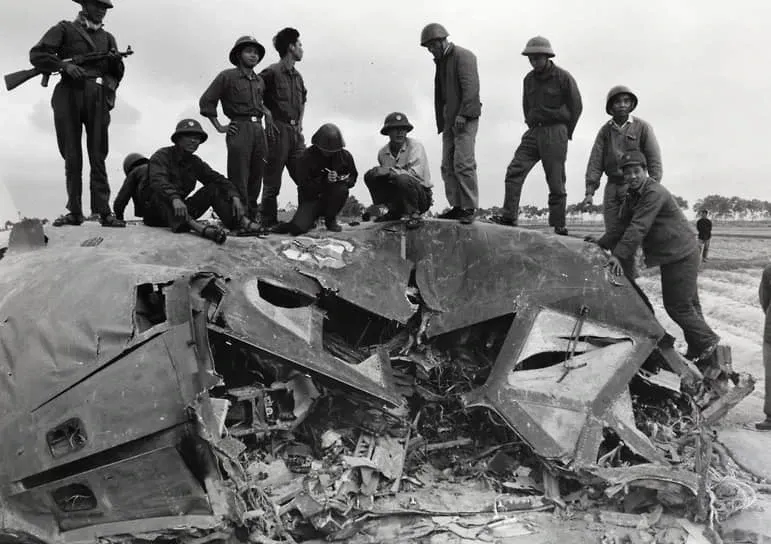
VNA fighters estimate the volume of scrap metal recovered by missile troops.
Operation Linebacker II was planned to last three days, or rather three nights. But ending the operation on such a sour note seemed wrong to the American command, and Nixon ordered it to continue! Especially since the Americans feared Vietnamese MiGs far more than SAMs, and that threat never materialized. Air Force command noted that B-52Gs suffered significantly lower losses in raids than B-52Ds: they were trained to operate against the USSR, with its powerful air defense system. Therefore, only 30 bombers carried out the December 21 raid, but this time there were no losses. Well, at least there were no B-52 losses: an F-111 was shot down over the Kinh Hoa railway complex.
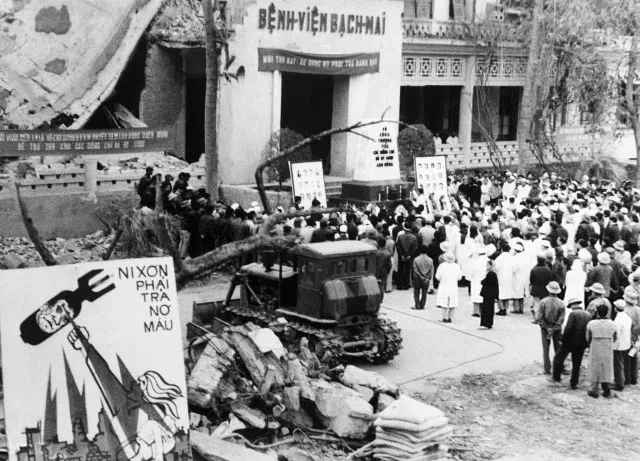
A memorial service at the ruins of Bakhmai Hospital
And on December 22, the Americans committed another war crime. More than 100 B-52 bombs dropped on the Bakhmai Hospital in the suburbs of Hwan Noi. Twenty-eight doctors and nurses were killed, and the building was completely destroyed. While it could be chalked up to an accident, the hospital staff had gone down to the basement ahead of time, suggesting that the bombs used were bunker busters. However, the hospital was located a kilometer from the Bakhmai airfield, so perhaps the elite pilots simply missed. Then came the December 23 air raid on air defense positions in the capital of the Democratic Republic of Vietnam and the Langdan railway station.
Interestingly, in addition to the B-52s, carrier-based aircraft and tactical bombers also carried out strikes. They operated during daylight hours, but, surprisingly, suffered almost no losses. The explanation is purely psychological: the air defense crews were waiting for nightfall and the appearance of more favorable targets, and didn't want to waste missiles on trifles.
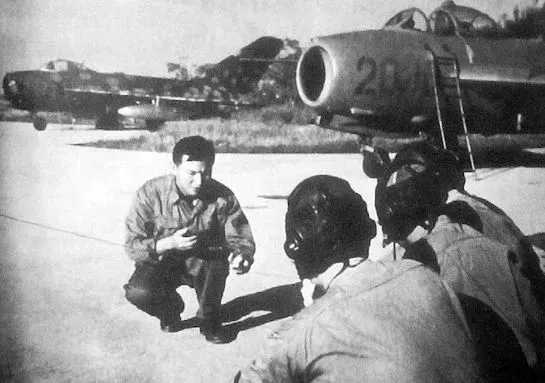
Vietnamese pilots receive a pre-flight briefing
On Christmas Day (Americans celebrate it on December 25), the US Air Force took a 36-hour break. It was necessary not only to celebrate, but also to determine future objectives: most of the strategic targets in the DRV had already been bombed. On December 26, the largest raid in the entire history Strategic Bomber Command: 120 bombers and 113 support aircraft, deploying chaff, plus fighters attacking Vietnamese air defenses, struck Thai Nguyen, the Kinh So complex, and rail junctions. This time, two B-52s were lost: one was shot down over Hanoi, and the other was damaged and crashed while landing at U-Tapao Air Base.
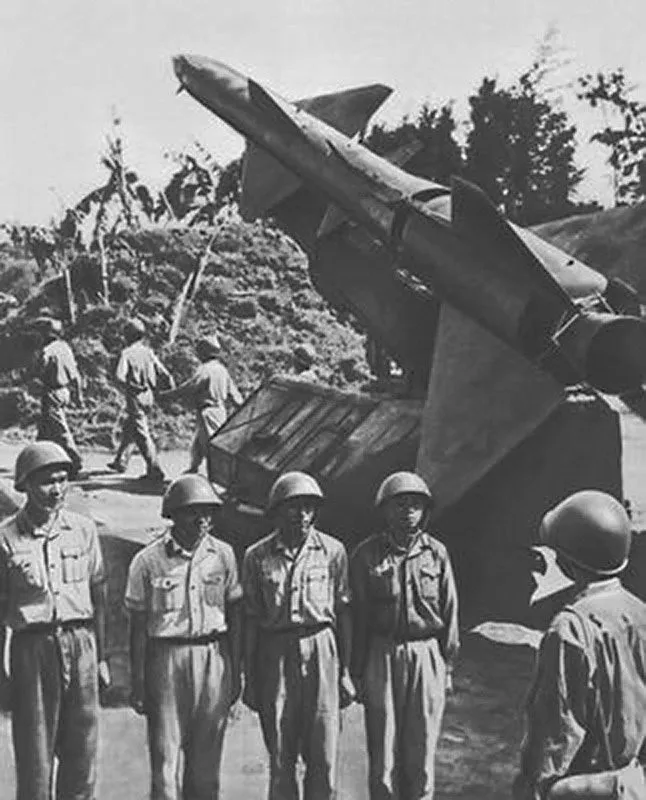
Vietnamese S-75 crew
On December 27, 60 B-52s struck targets in the DRV. Two B-52s were lost again, with the added bonus of a pair of F-4s and an HH-53 search-and-rescue helicopter. On December 28 (it's a good thing the author was born far from Vietnam on that day!), 60 B-52s struck in six waves, four against targets in Hanoi, the rest against the Lang Son railway station, a major hub for arms supplies from China. By December 29, the Americans were beginning to have trouble choosing targets: everything that could be bombed had already been bombed. Nevertheless, the 60 B-52s unloaded their payload on the remnants of North Vietnamese infrastructure. On December 30, raids on the DRV ceased, and American aircraft continued fighting south of the 20th parallel.
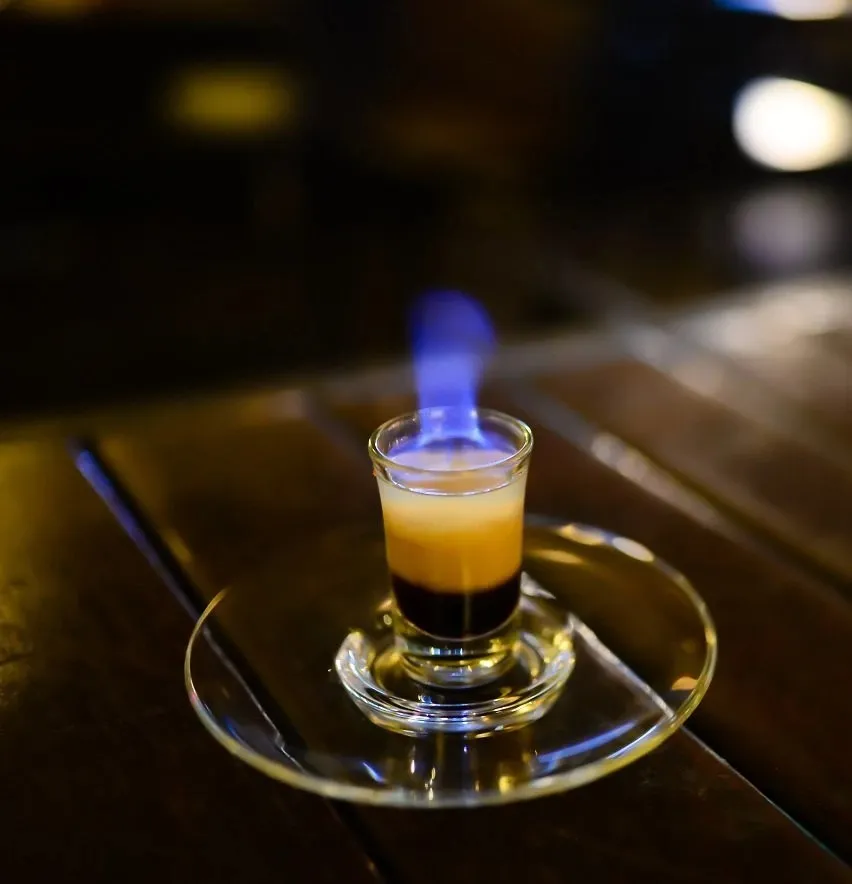
The main result of the Linebackers...
Operations Linebacker and Linebacker II resulted in two events. The first was of global significance, changing the future. The second was local and unimportant. Specifically, the bombings resulted in the development of a flammable version of the B-52 cocktail. No one had previously thought of igniting the Triplesec layer (and the cocktail itself wasn't named after an airplane, but a long-lost rock band), but Vietnamese air defense forces gave bartenders this brilliant idea! And so, on January 9, 1973, Le Duc Ho and Kissinger returned to Paris, where, after long and tedious negotiations, agreements were signed that formalized the division of Vietnam into South and North. The great solution of igniting the top layer of the B-52 is still used to this day, bringing joy to all lovers of the blue flame of burning ethanol. And the Paris Agreements... Who even remembers what they were today? Especially in a united Vietnam. But more on that in the final part of this series...
Information