Product 8K64: The Anatomy of the Fire Disaster at Site 41
Prologue to the Tragedy
In the autumn of 1960, work was underway at the Tyura-Tam test site (the future Baikonur) that would determine the fate of the Soviet missile programs for decades to come. For Mikhail Kuzmich Yangel and the team of the Dnepropetrovsk OKB-586, a decisive stage was approaching: they needed to prove the viability of the new concept of intercontinental weaponsKorolev's R-7 was already on combat duty, but it required bulky launch facilities, cryogenic fuel, and over ten hours of preparation time. Instead, a fundamentally different design was being developed—a rocket powered by high-boiling, long-lasting components, capable of remaining fueled for weeks and months.
The divergence between the Korolev and Yangel schools was not only technical but also strategic: the former emphasized the versatility of the design and oxygen-kerosene engines, while the latter emphasized a narrow military focus and the self-igniting heptyl-amyl fuel pair. Yangel was supported by Valentin Glushko, whose OKB-456, after breaking with Korolev, began developing precisely these engines, as well as by Defense Industry Minister Dmitry Ustinov, who saw this as an opportunity to close the gap with the United States in the number of intercontinental missiles.
The R-16 (index 8K64) was developed as a response to the growing American Titan and Atlas missile fleet and became a key element of this program. The two-stage missile, with a decreasing body diameter from the first to the second stage, was intended to fly 13-14 kilometers and carry a megaton-class thermonuclear warhead. Development proceeded at a frantic pace: the preliminary design from February 1957 envisioned conical stages, but by November of that year, the preliminary design had adopted a cylindrical shape with a characteristic "step" between the stages—a solution subsequently used in all subsequent Yuzhnoye Design Bureau missiles. The fuel—asymmetrical dimethylhydrazine (heptyl) and AK-27I nitric acid oxidizer (amyl)—provided tactical advantages, but the system was developed under severe time pressure, organizational confusion, and, as subsequent events demonstrated, underestimation of the technical risks.
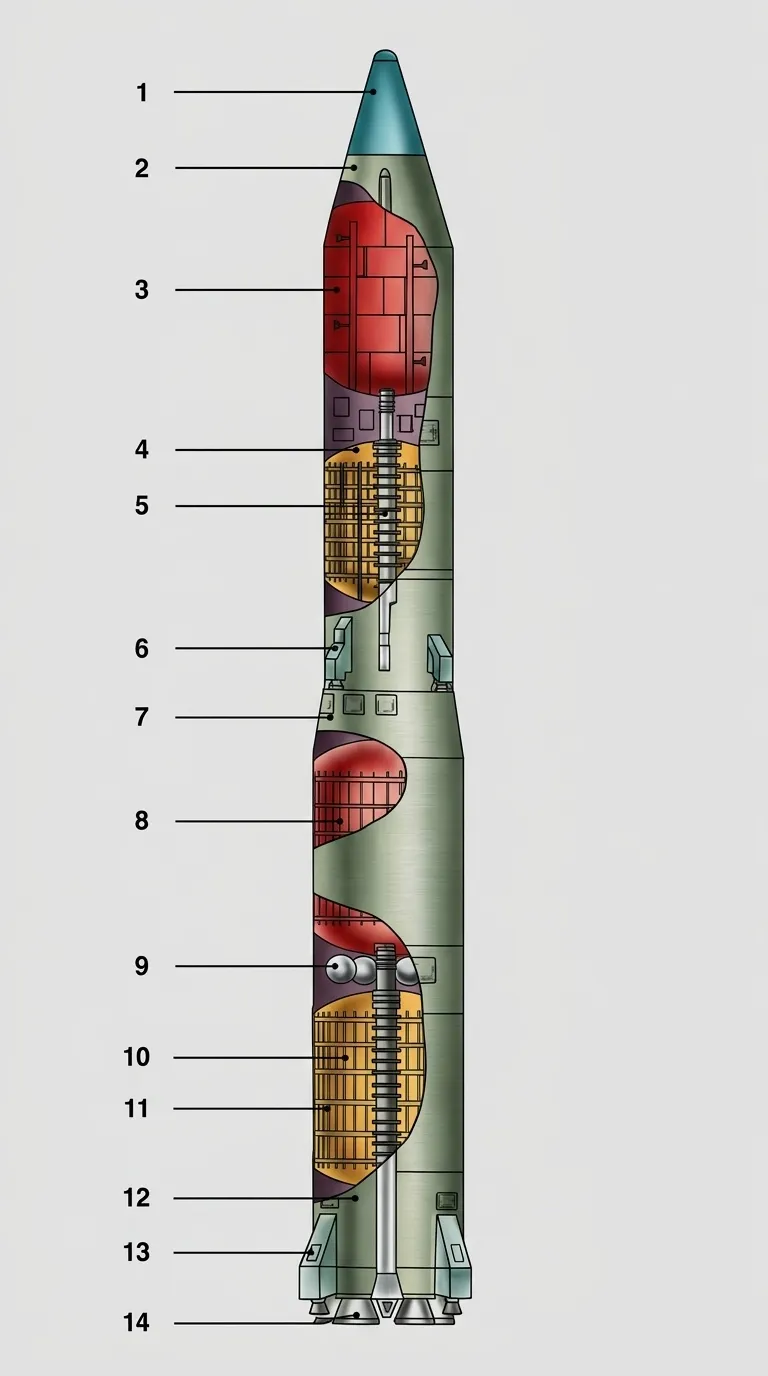
Structural layout of the R-16 missile:
1 ‒ warhead; 2 ‒ instrument compartment; 3 ‒ second stage oxidizer tank; 4 ‒ second stage fuel tank; 5 ‒ oxidizer tunnel pipeline; 6 ‒ second stage steering engine; 7 ‒ transition compartment; 8 ‒ first stage oxidizer tank; 9 ‒ spherical cylinders of the onboard pressurization system; 10 ‒ first stage fuel tank; 11 ‒ oxidizer tunnel pipeline;
12 ‒ tail section; 13 ‒ first stage steering engine; 14 ‒ first stage cruise engine combustion chamber
The rocket's design incorporated several solutions that were new to Soviet rocketry at the time. Instead of graphite gas rudders, which were difficult to manufacture and subject to thermal wear, pitch and yaw control were provided for the first time by four-chamber liquid-fueled steering engines—8D63U on the first stage and 8D64U on the second. Developed by a dedicated propulsion division of OKB-586, they ran on the same fuel as the sustainer engines, ensuring stable ignition and precise control impulses.
The sustainer engines were developed by a team led by Glushko's OKB-456 using a modular design: a two-chamber 8D515 module with a turbopump assembly in the middle was used in a three-module cluster (the 8D712 engine) for the first stage, while its high-altitude version, the 8D713 with extended nozzles, was used for the second stage. This design simplified production and bench testing, but complicated the launch pneumatic hydraulics: a single erroneous command could simultaneously ignite a large volume of propellant.
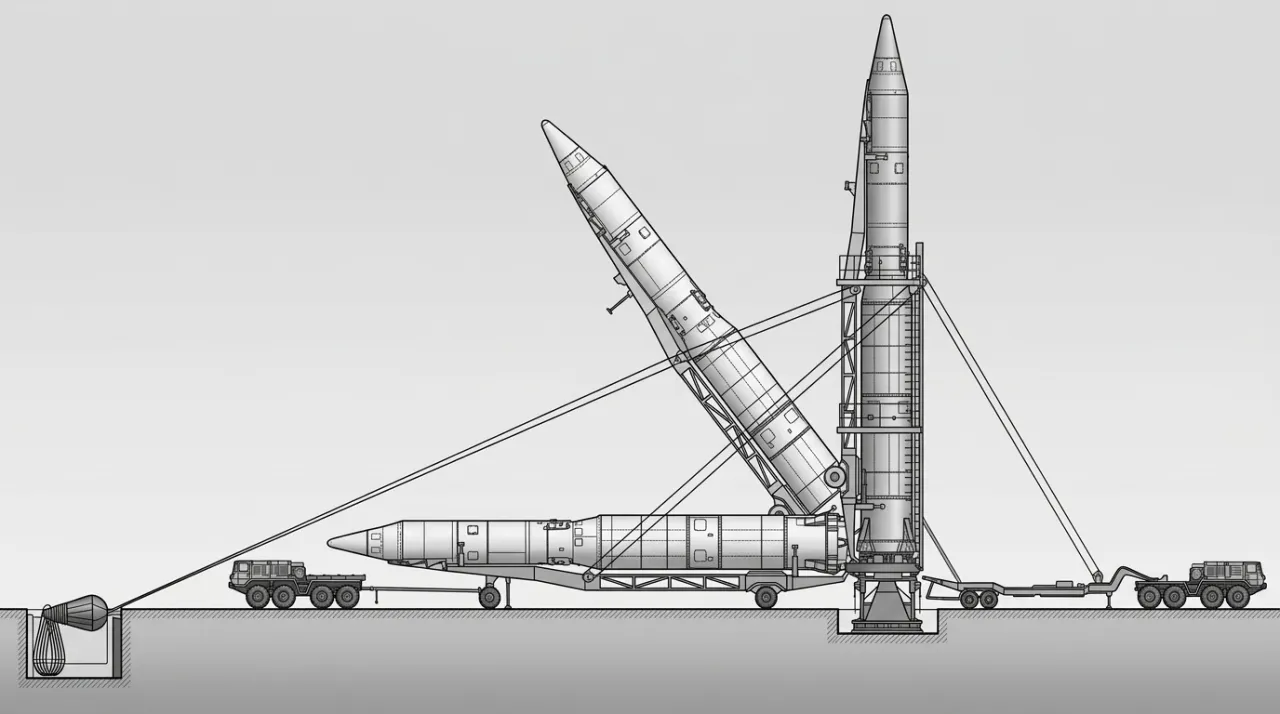
Diagram of the R-16 installation on the launch pad
The control system was developed by the Kharkiv-based OKB-692, under the leadership of Boris Konoplev. It was the first fully autonomous system in the USSR, without radio control stations like those on the R-7 and R-9. This reduced prelaunch preparation to 24 minutes, increased the concealment of the launch vehicle, and paved the way for silo-based launchers. The system included a gyrostabilized platform, automatic range control, a system for simultaneous fuel tank emptying, and a timing system with stepper motors—the same system that later caused the disaster.
Responsibility for the system was unclearly divided: formally, it was overseen by Viktor Kuznetsov, the chief designer of gyroscopic instruments, but the control logic and ground-based electrical equipment were implemented by Konoplev's team, which lacked the experience to handle such complex systems. This division, enshrined in a decree of the CPSU Central Committee and the Council of Ministers on August 26, 1958, left the electrical circuit without any oversight—it lacked an interlock that would have prevented the engine from starting when the software mechanisms returned to their initial position.
Sequence of events
On October 23-24, 1960, a series of technical failures occurred. Test management, rushing to meet deadlines, dismissed them as fixable issues rather than signs of a serious problem. During fueling, a heptyl leak was discovered through the first stage drain tubes—142-145 drops per minute. The fuel was simply collected in a metal container, although contact between the heptyl and the nearby oxidizer would have ensured immediate spontaneous combustion. Another solution proved risky: the engineers preemptively blew the separating pyromembranes before the turbopump assembly to bypass a defective squib cartridge (their circuit was sometimes shorted by combustion products, creating a false fault signal). As a result, fuel leaked into the lines long before launch—one of the safety interlocks had been removed.
Here are the thoughts of experts from the specialized publication "Bulletin of the Baltic State Technical University":
The question arises: "What compelled the testers to detonate the pyromembranes in advance and use a control panel, although specially designed, that is completely unnecessary for standard pre-launch operations?" The purpose of the pyromembranes will be explained using the diagram (below) of the second-stage engine startup (recall that a cluster of three such engines makes up the first-stage engine). Pyromembranes 6 and 7—special separating devices—are installed on the flanges of the oxidizer and fuel lines at the entrance to the engine's turbopump assembly. They are designed to reliably seal the fuel tanks and supply lines and prevent aggressive rocket fuel components from entering the engine pump cavities during the extended stay of the fueled rocket at the launch site. Normally, the pyromembranes are detonated during pre-launch operations upon command from the ground-based electrical operations preparation panel. After detonation, the propellant components fill the cavities of the turbopump assembly and the lines up to the main separating valves (14, 15), which close the entrance to the combustion chambers. However, before the start of flight testing, a reliable alarm confirming the membrane rupture had not been developed. The developers simply did not have time to create one. This was due to the design of the pyromembrane. The igniter built into it burned when an electric current passed through, initiating an explosion, and the electrical circuit itself was broken. The circuit break was recorded on the control panel as a rupture. However, in reality, the burnt combustion products of the pyromembrane often shorted out the supply circuits of the electrical circuit, and then the test gave false information about the pyromembrane rupture. Therefore, it was impossible to objectively monitor the pyromembrane rupture. Of course, it was impossible to conduct flight tests of a missile with such a defect in the automatic engine startup system: such a defect could lead to engine startup failure. So, they decided to play it safe and detonate the pyromembranes in advance, preventing the startup circuit from monitoring their condition (thereby disabling one of the interlocks preventing unauthorized engine startup). OKB-692 developed a special control panel for this purpose, which, as it turned out, had a design defect.
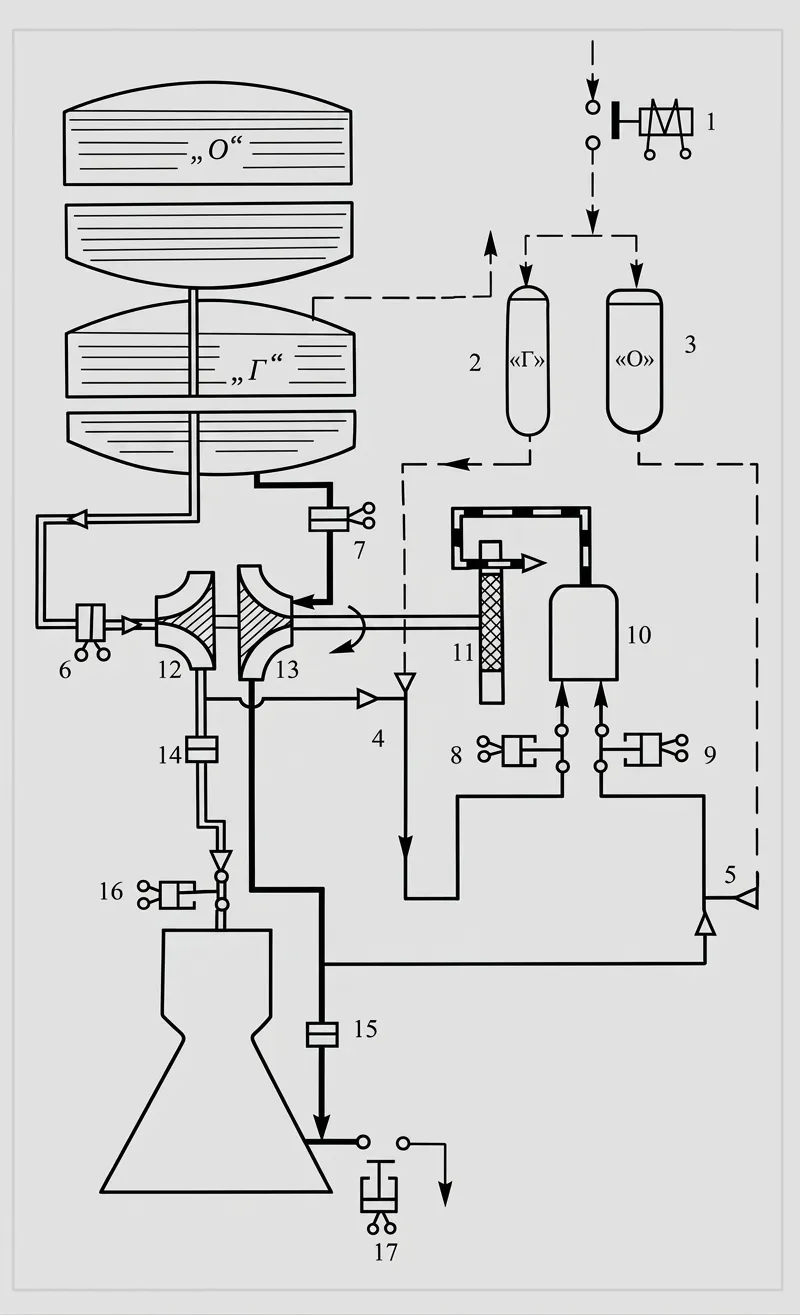
The launch and release diagram of the R-16 rocket's liquid propellant rocket engine (one of the two combustion chambers is shown):
1 - EPK VO-8 pressurization of starting tanks; 2, 3 - starting tanks G and O, respectively; 4 - pipeline for feeding G from the starting tank to the gas generator (GG); 5 - pipeline for feeding O from the starting tank to the GG; 6 - pyromembrane G (feeding G to the pump inlet); 7 - pyromembrane O (feeding O to the pump inlet); 8 - shut-off valve for feeding G to the GG; 9 - shut-off valve for feeding O to the GG; 10 - gas generator; 11 - turbine; 12 - pump O; 13 - pump G; 14 - main valve O; 15 - main valve G; 16 - shut-off valve O;
17 – EPC drainage G
The membranes' operation was checked by ear—by the sound of a hydraulic shock. This is how the suspicious activation of extra pyrotechnic cartridges was noticed a few minutes after the main operation. Preparations were stopped for analysis; faulty devices were partially replaced directly on the fueled rocket, with a soldering iron in hand—an unthinkable practice today from a safety standpoint.
At a State Commission meeting on the afternoon of October 24, Georgy Firsov, deputy chief designer of OKB-456, insisted on canceling the launch for a full check, but the majority favored timing the launch to coincide with the anniversary of the October Revolution. At 18:45 PM, during the routine procedure of resetting the stepper motors, a previously undetected logic error in the circuit generated a false command to the boost valve of the gas generator's starting tanks. This triggered a chain of events: nitrogen injection, propellant displacement into the gas generator, turbine spinup, and propellant injection into the combustion chamber. The second-stage engine ignited at full power right at the launch site, near people and equipment.
Pad 41 was designed without such a scenario in mind. Construction of the "fortieth pad" began in November 1959, and by September 1960, military builders under the command of General Tabakov had erected the launch facilities, the assembly and testing building, and the living quarters. This rush led to serious shortcomings. The launch pad was surrounded by an open pit for oxidizer drainage; before launch, the gratings above it were removed to prevent damage from the engine blast. Subsequently, people escaping from the fire fell into these trenches filled with nitric acid.
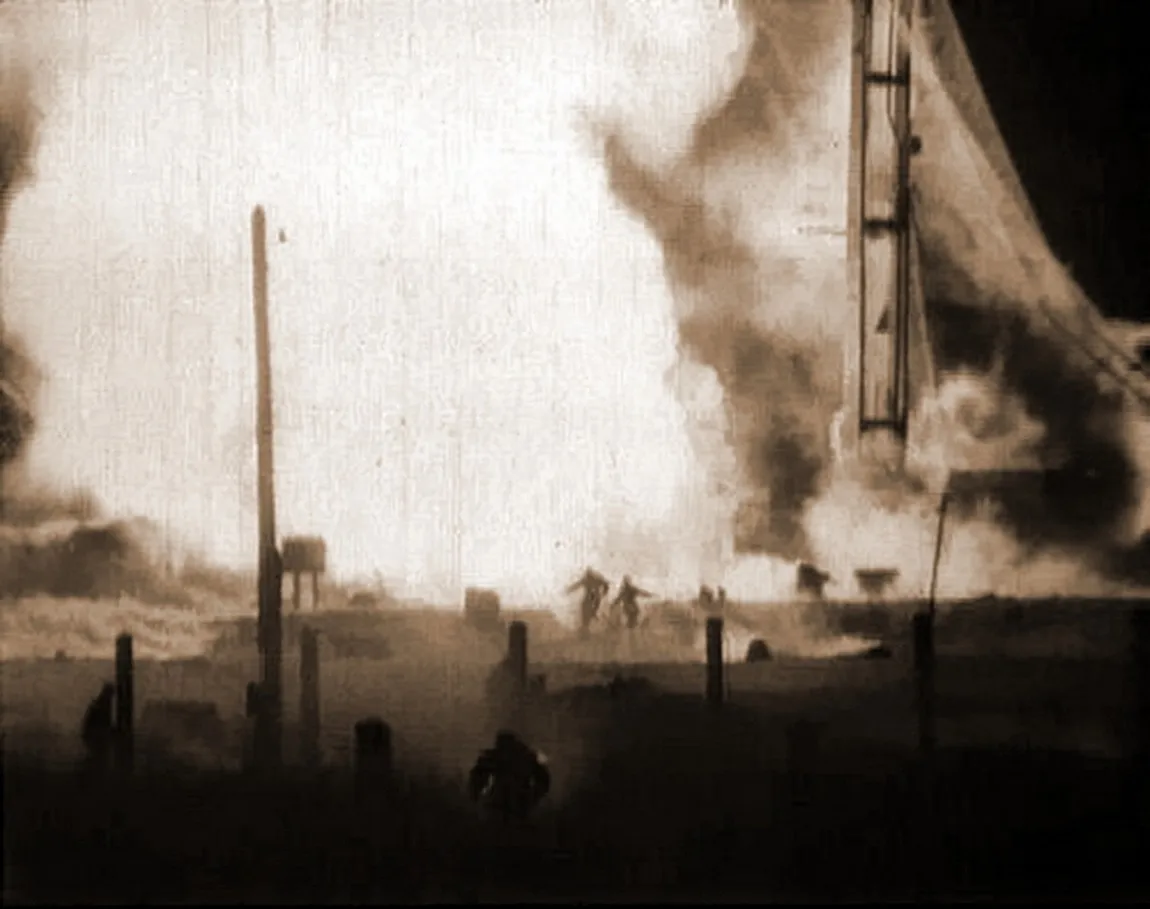
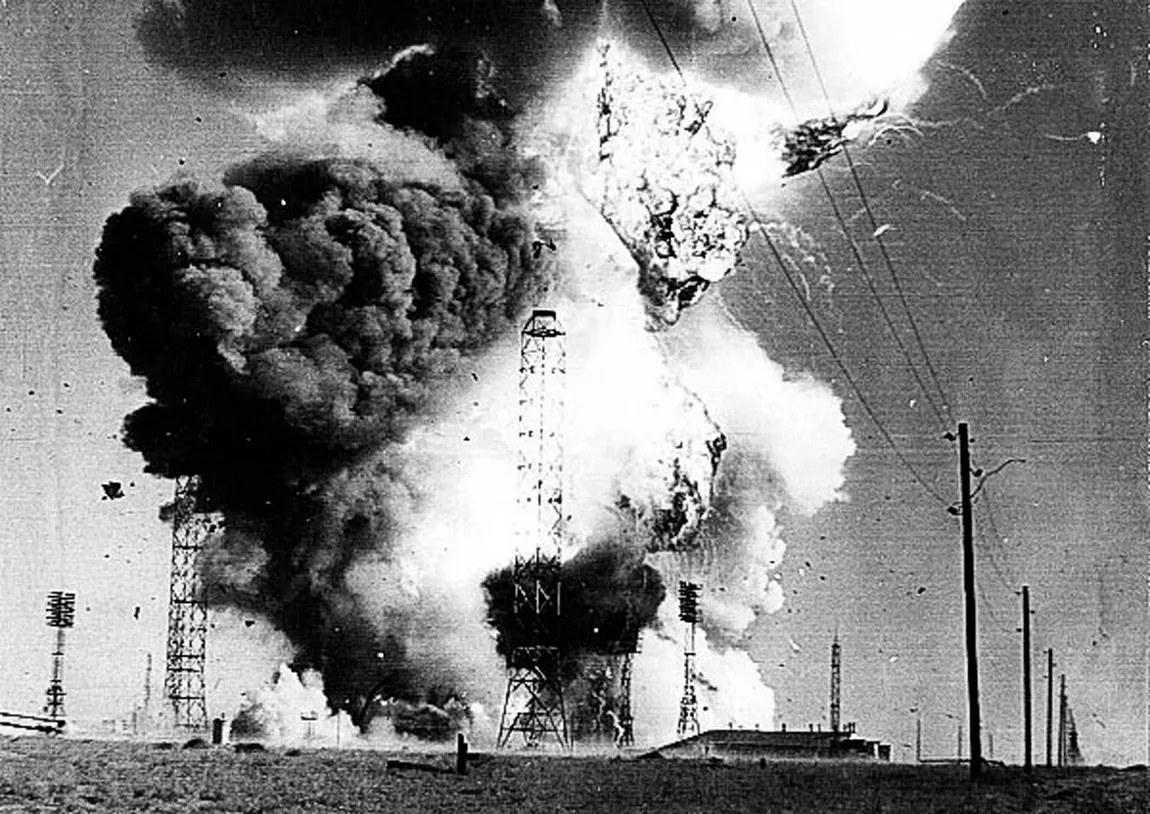
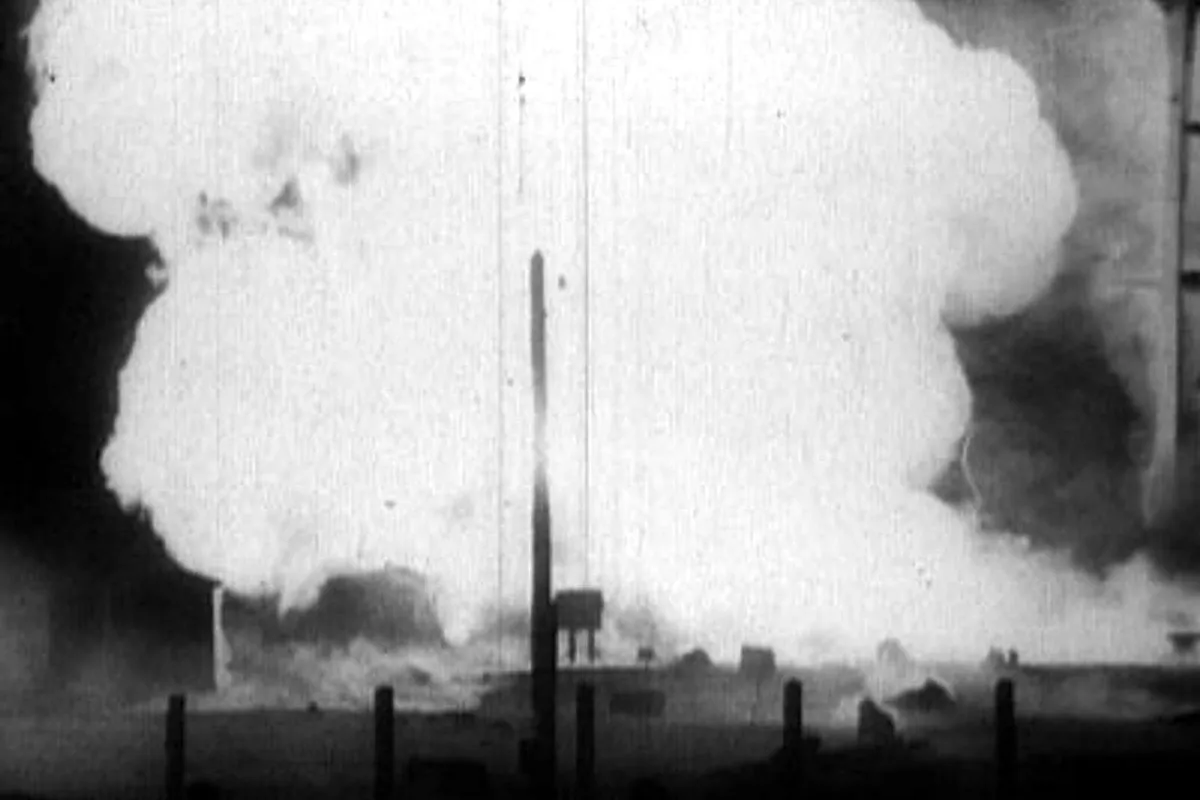
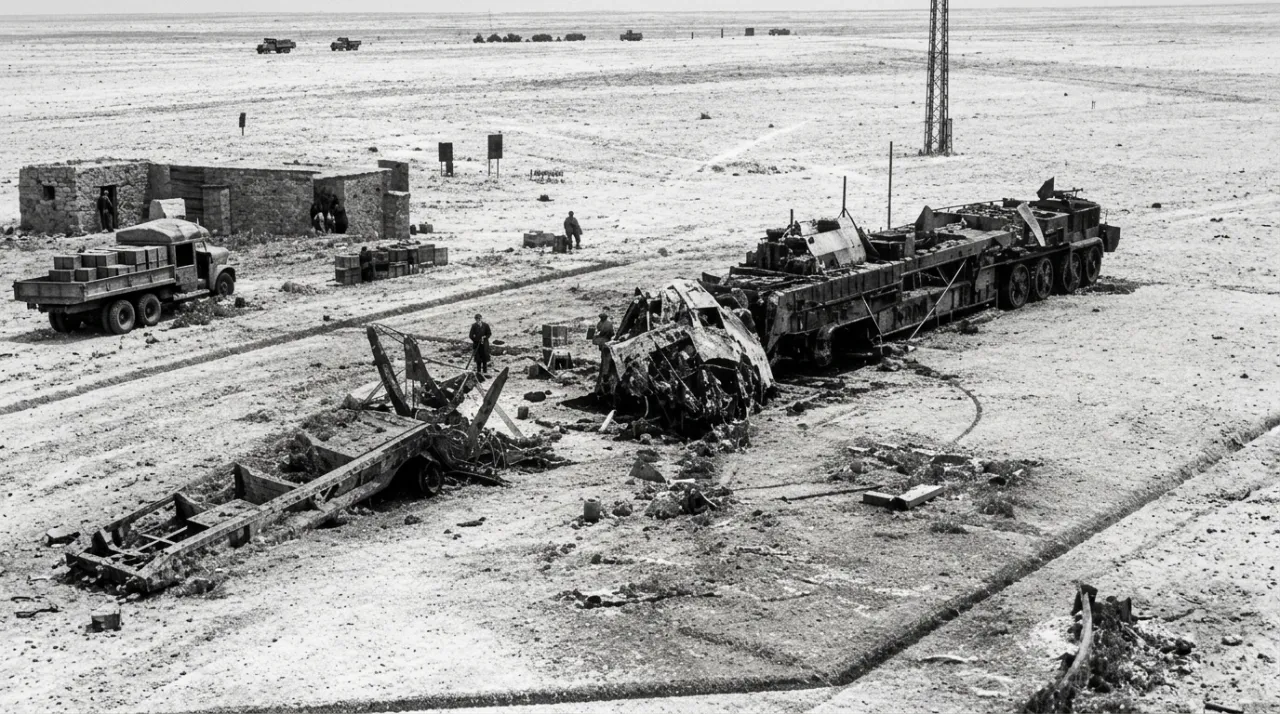
The site's asphalt surface melted in the first seconds of the fire, turning into a sticky mass that made it difficult to move. Later, only fireproof items—coins, belt buckles, and surgical instruments—were found at the sites of the dead. Evacuation routes were blocked by a ditch over a meter deep and several rows of barbed wire—people became entangled in it instead of trying to smother the flames by rolling in the sand.
Another problem was the lack of toxicological preparedness: this was the first time that heptyl had been handled on a large scale at this test site, so neither the testers nor the doctors at the garrison hospital knew how to treat poisoning from this fuel's vapors. Gas masks were not required—they obscured visibility. After the accident, doctors didn't even have precise data on the fuel's composition, as the formula was classified, which delayed aid to the victims. The lack of protective structures, insufficient rehearsal procedures, and the site's non-fire-resistant surface were a direct consequence of the shortened preparation period, which was at the expense of safety analysis.
A key factor was the presence at the launch site of the Commander-in-Chief of the Strategic Missile Forces, Marshal Mitrofan Nedelin, a veteran who oversaw the development of nuclear weapons in the USSR. Contrary to regulations requiring the removal of anyone not directly involved in preparations, Nedelin remained to personally oversee the situation due to delays. Being close to the decision-making point was typical for someone with frontline experience, but with the untested technology, this approach didn't work. The marshal's chair was located just 15-20 meters from the launch pad, with a bench for members of the State Commission nearby.
The presence of senior management had a strong influence on the personnel: as Boris Chertok later recalled, a certain bravado developed among the officers and engineers—evacuation orders were carried out perfunctorily or ignored entirely. Even experienced specialists Alexei Bogomolov and Andronik Iosifyan, who proposed suspending preparations, were unable to sway the general decision to continue. Investigative reports later described this as "overconfidence in the safety of the entire complex"—a formulation that reflected a failure to understand that the equipment had not yet undergone a full reliability check.
At 18:45 PM local time, an unauthorized ignition of the second stage cruise engine occurred. A jet of hot gases destroyed the adapter between the stages and damaged the first stage's oxidizer and fuel tanks, which contained tens of tons of propellant. The nuclear charge did not detonate—the warhead was loaded with inert ballast—but a powerful chemical fire broke out, engulfing an area of 100-120 meters around it. The first stage disintegrated into pieces, and the second collapsed, destroying the equipment and the crew. The active phase of the fire lasted about twenty seconds, but the fire burned for approximately two hours in total, burning through aluminum tanks, cables, and other materials. Only the engines, made of heat-resistant steel and designed for temperatures exceeding three thousand degrees Celsius, survived.
Among the 74 people killed at the site were Marshal Nedelin (identified by his surviving Hero of the Soviet Union Gold Star), chief designer of the control system Boris Konoplyov and his deputy Ivan Rubanov, deputy chief designers of the rocket Leonid Berlin and Vasily Kontsevoy, and deputy chief engine designer Georgy Firsov. Another 11 people later died in hospitals from burns and poisoning, including Lev Grishin, deputy head of the State Committee for Defense Technology, bringing the final death toll to 85. Various sources cite other figures—92, 123, and 126—due to different counting methods.
Mikhail Yangel survived by chance: he had stepped away just minutes before the disaster. He was joined by General Alexander Mrykin, Bogomolov, and Iosifyan. The test site commander, General Konstantin Gerchik, who was near the missile, suffered severe burns from a strong gust of wind, but returned to duty after treatment. Although the information was classified, the West learned of the tragedy: on December 8, 1960, the Italian news agency Continentale reported the death of Marshal Nedelin and approximately 100 others in a missile explosion at a secret test site. The official Soviet version of the marshal's death in a plane crash persisted until the early 1990s, when declassified documents revealed the true circumstances.
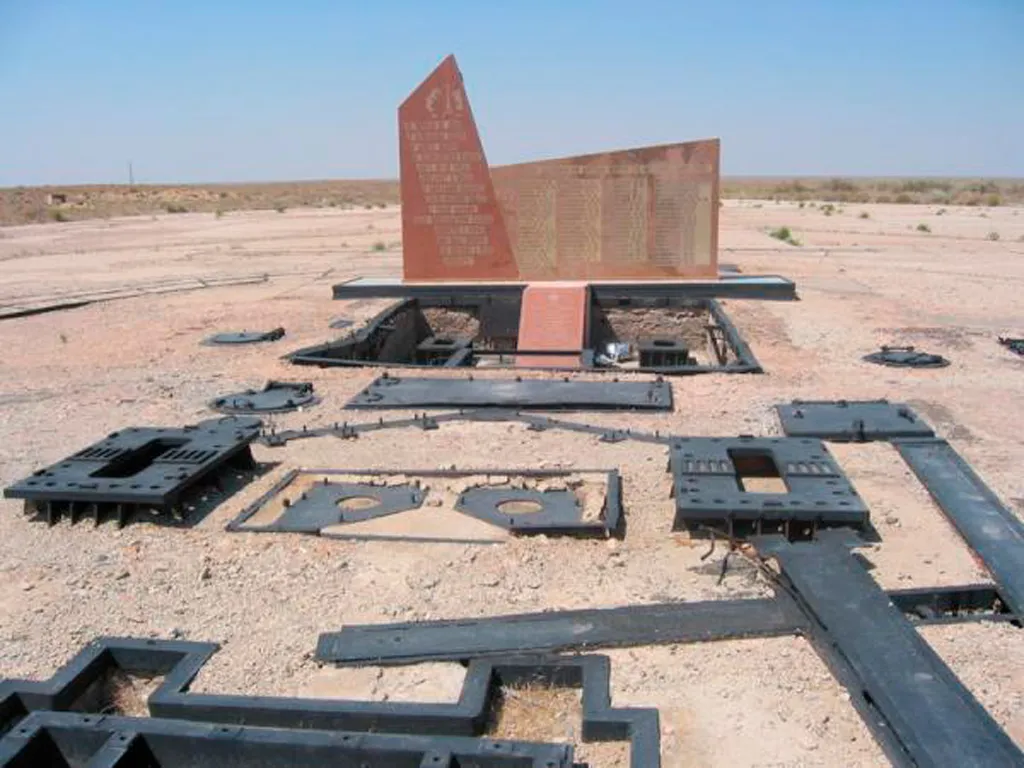
A government commission led by Leonid Brezhnev, meeting on October 26, 1960, blamed the direct cause of the disaster on a flaw in the electrical circuit, which caused a false command to the boost valve when the stepper motors returned to their initial position. However, a more thorough analysis reveals that haste, unclear responsibility for the control system, and poor electrical circuit monitoring combined to create the conditions for a catastrophic failure. As Chertok noted, the habit of timing technical achievements to political milestones, coupled with the genuine military imperative of accelerated missile deployment, created a whole host of risk factors that ultimately came into play at launch.
The punishment primarily affected the deceased specialists and one of the surviving developers of the circuit—Ivan Doroshenko, head of the OKB-692 laboratory, who was dismissed without the right to work in the defense industry. The rest, according to Brezhnev, were required to correct the deficiencies as quickly as possible. The task was accomplished: the new chief designer of OKB-692, Vladimir Sergeev, refined the control system, adding limiting resistors to the circuit of each pyrotechnic cartridge, automatically breaking the circuit after a standard pulse, and multi-stage interlocks against accidental commands. The key change was the creation of a comprehensive test bench that reproduced all operating modes of the equipment under conditions close to real-life conditions.
On February 2, 1961, the first successful launch of the R-16 took place, and on October 20 of that year, the missile was accepted into service. In 1963, the silo-based version of the R-16U appeared, and the first combat training launch from a silo took place on October 22, 1963. By the mid-1960s, the R-16 and R-16U group consisted of 186 launchers and formed the backbone of the Soviet nuclear missile shield during the Cuban Missile Crisis and beyond. They were later replaced by the R-36 and then the R-36M missiles, but the design continuity of the 8K64 project was evident in developments for decades to come. The disaster of October 24, 1960, remains one of the most tragic episodes. stories Soviet rocketry is a reminder of the price that had to be paid for strategic parity with the United States.
Information