Too long a goodbye

11 695 52
Too long a goodbye


The U.S. Air Force completed the 66th Squadron's final training flight on A-10C Thunderbolt II attack aircraft at Nellis Air Force Base, concluding specialized training on these aircraft at the Air Force Weapons School. This move further reduces the service's ability to accumulate and, more importantly, transfer advanced tactical experience in operating the A-10, as the fleet is scheduled to be retired only by 2030.


This event follows the closure of the A-10 pilot training program at Davis-Monthan Air Force Base and marks another step in the gradual dismantling of the aircraft's training infrastructure. Existing instructors can still continue to improve their qualifications and undergo retraining, but the end of the Weapons School program will gradually reduce the number of specialists trained to develop and teach high-level tactics for this platform during its remaining service life.
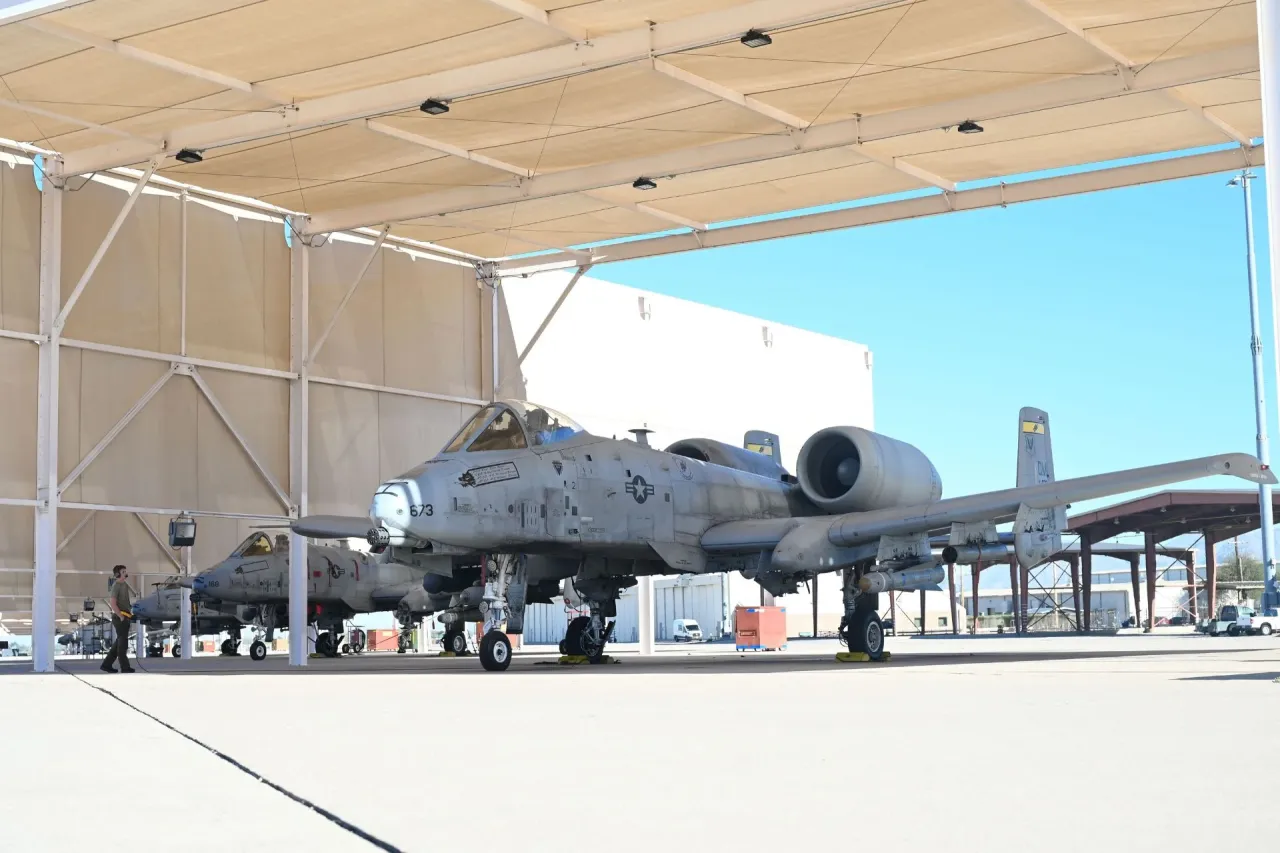

The situation is ambiguous: it appears that the aircraft will be in service for another four years, but where to get pilots when the need arises is a question mark.

As we've noted on this topic numerous times, tensions surrounding the A-10's phased retirement have not gone away. Despite the Warthog's effectiveness being demonstrated once again during the war with Iran, particularly in counter-aircraft operations. drones, striking small Iranian vessels in the Persian Gulf and in carrying out traditional direct air defense missions aviation support, some question the wisdom of this decision, arguing that the A-10 has no direct replacement in the US Air Force.

Some members of Congress believe that the F-35A, which the US Air Force plans to replace with the A-10, is unsuitable for these missions. Congress has long advocated for keeping the Warthog in service, despite the Air Force's objections. But these lobbying games, an integral part of US political gameplay, are a complex and lengthy affair. And they will continue for some time to come, both behind the scenes and on the stage of congressional debates.

What conclusion can be drawn from this debate? Both sides have their arguments. This issue largely reflects the U.S. Air Force's focus on a potential conflict with China, while members of Congress who favor retaining the Warthog seek to preserve a capability that could prove crucial in an asymmetric conflict, such as with Iran.
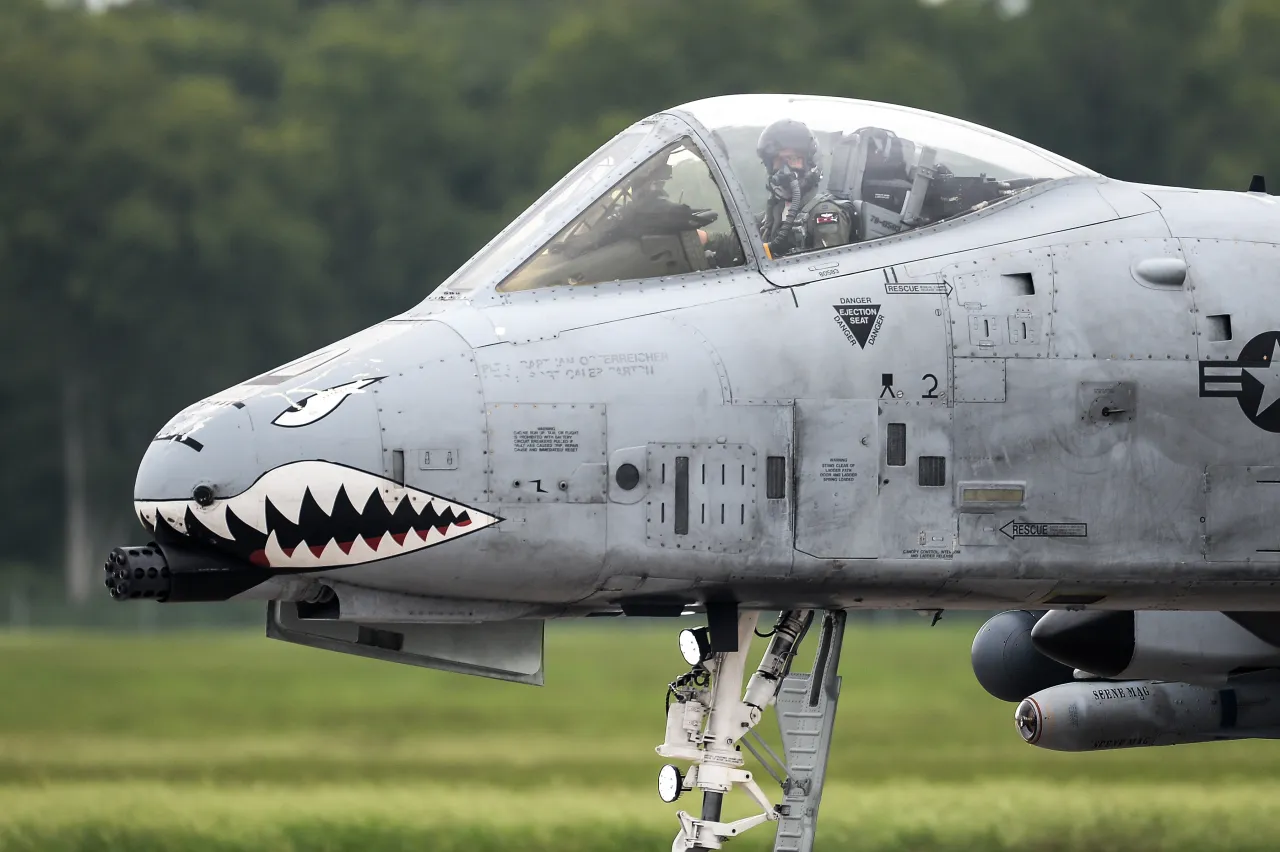

The A-10 was developed with lessons learned from the Vietnam War in mind. It was designed with an emphasis on low-speed maneuverability for air-to-air combat, high survivability under enemy fire (preferably not heavy-caliber), and the ability to operate from minimally prepared airfields. Its effectiveness during the Iraq War demonstrated the relevance of this approach.

The F-35A, by contrast, was designed as a multirole stealth fighter, capable of both strike and air superiority missions. During Operation Epic Fury in 2026, the F-35A demonstrated its ability to operate in well-defended airspace and penetrate sophisticated enemy defenses. But not as an attack aircraft.
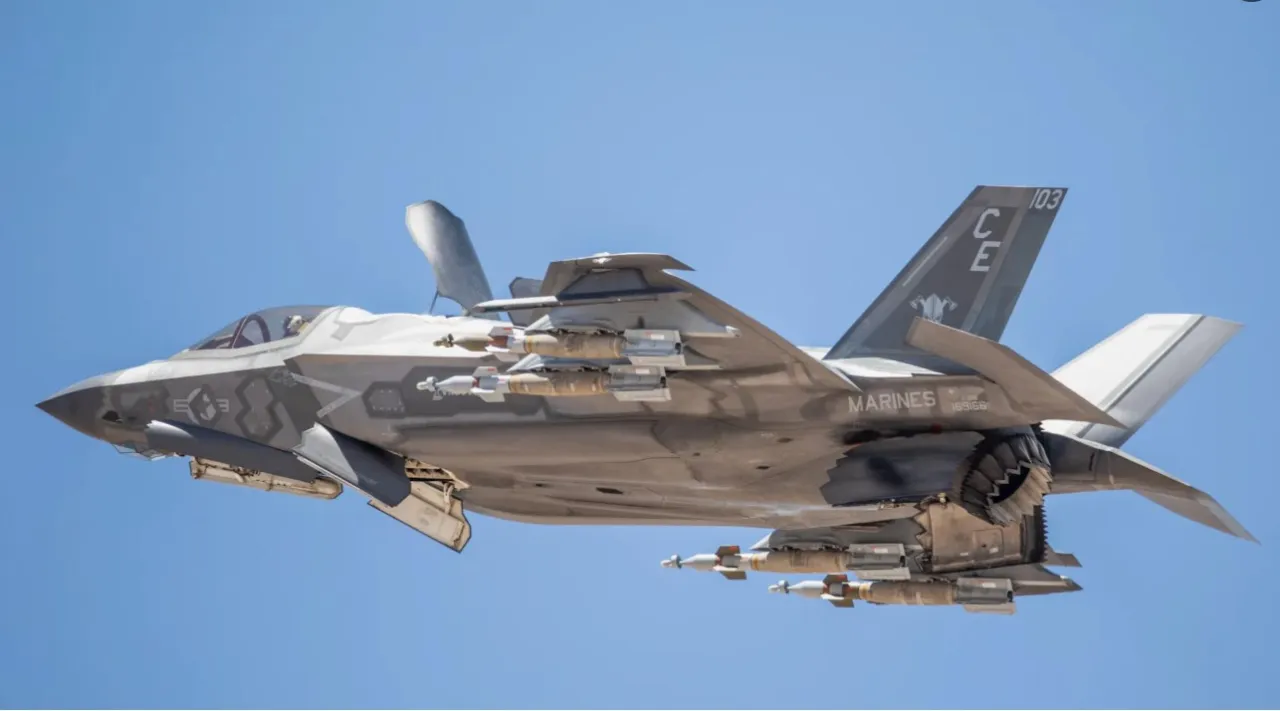

Another key difference is the role of data. The F-35 is designed for extensive sensor integration and information sharing, allowing it to receive and distribute data across the battlefield. It can detect targets, transmit targeting information, receive it from other combatants, and so on.

The A-10 was not originally designed for networked combat. Future software and hardware upgrades are expected to further enhance the F-35's information sharing capabilities, but frontline combat isn't always network-centric. Sometimes it's just a quick skirmish.

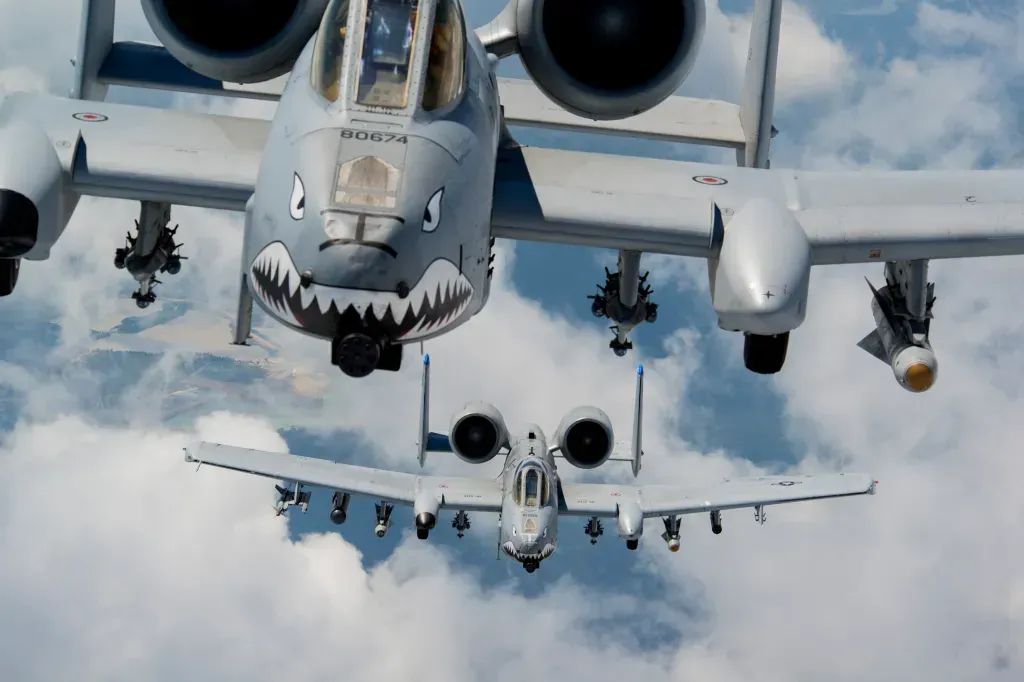
The A-10 can carry up to 16 GBU-39 small bombs, while the F-35A can carry up to eight internally when operating in a stealth configuration. The A-10's 30mm GAU-8/A cannon carries 1174 rounds and is capable of shredding several armored vehicles in a single pass. The F-35A's 25mm cannon carries 181 rounds and lacks the same anti-tank capability as the GAU-8/A.

Of course, not just a cannon, but... And a cannon too.
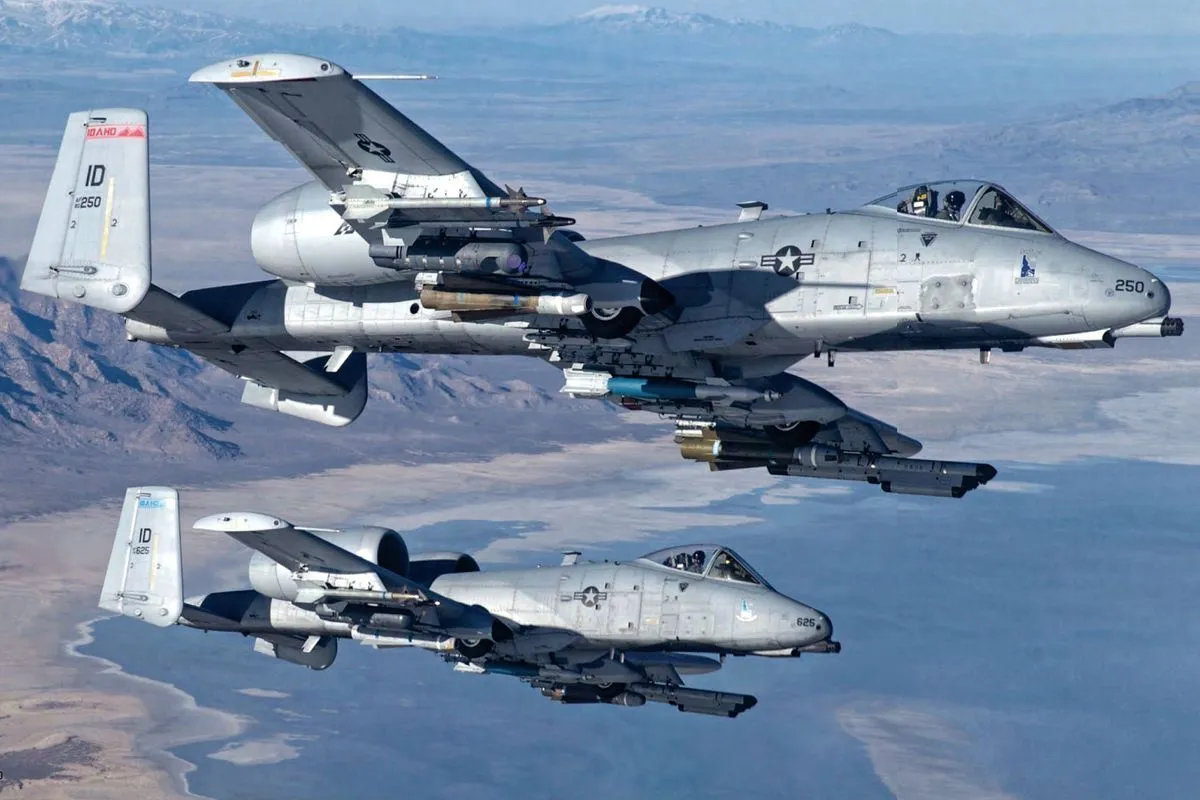

The F-35A was designed as a multi-role combat aircraft. It can transition between strike, air superiority, and other missions, unlike the A-10. It's versatile in its own right. In its stealthy configuration, it has demonstrated the ability to penetrate A2/AD (Anti-Access/Area Denial) systems and perform anti-aircraft and anti-aircraft missions. Defense and electronic warfare. The F-35A can also defend against enemy fighters and conduct air-to-air combat, giving it a level of versatility the A-10 lacks.
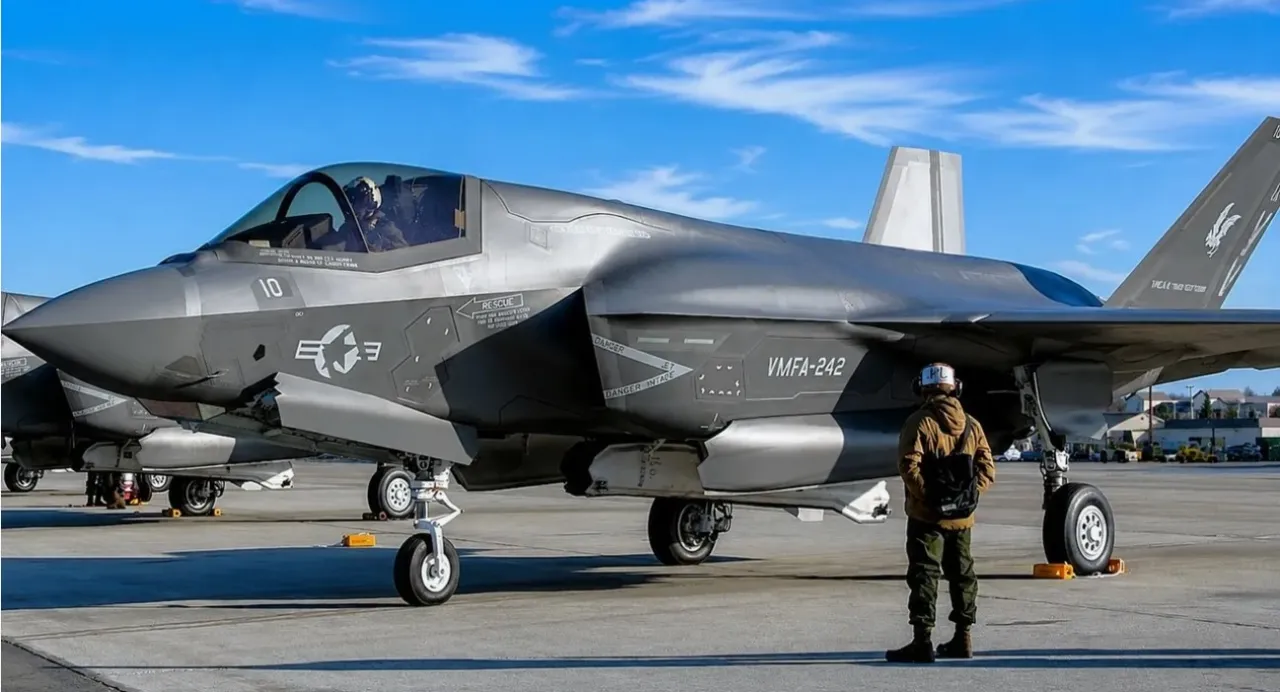

But this versatility also conceals a nuance: the F-35 can do a lot, but not perfectly. The A-10 can only reduce everything in a given area to a bloody pulp, but the attack aircraft does so with terrifying efficiency. A graceful swordsman versus a landsknecht in armor and with a two-handed sword. For the former, a duel is a natural, for the latter, cutting a swath through the enemy's ranks is a piece of cake.

According to a 2024 US Department of Defense report, the F-35A costs approximately 60% more per flight hour than the A-10C. The broader issue of F-35 sustainment costs is also more complex; reducing operating and maintenance costs remains a top priority for the US Air Force. Like a price war, it's winnable, but very difficult.

For some missions, especially counter-drone operations that utilize inexpensive targets and weapons, the F-35A may not be cost-effective. "Could be" is like shooting down Geraniums with Patriots—a surefire way to financial ruin. It's in these situations that the A-10 can remain relevant, as demonstrated by its use during Operation Fury.
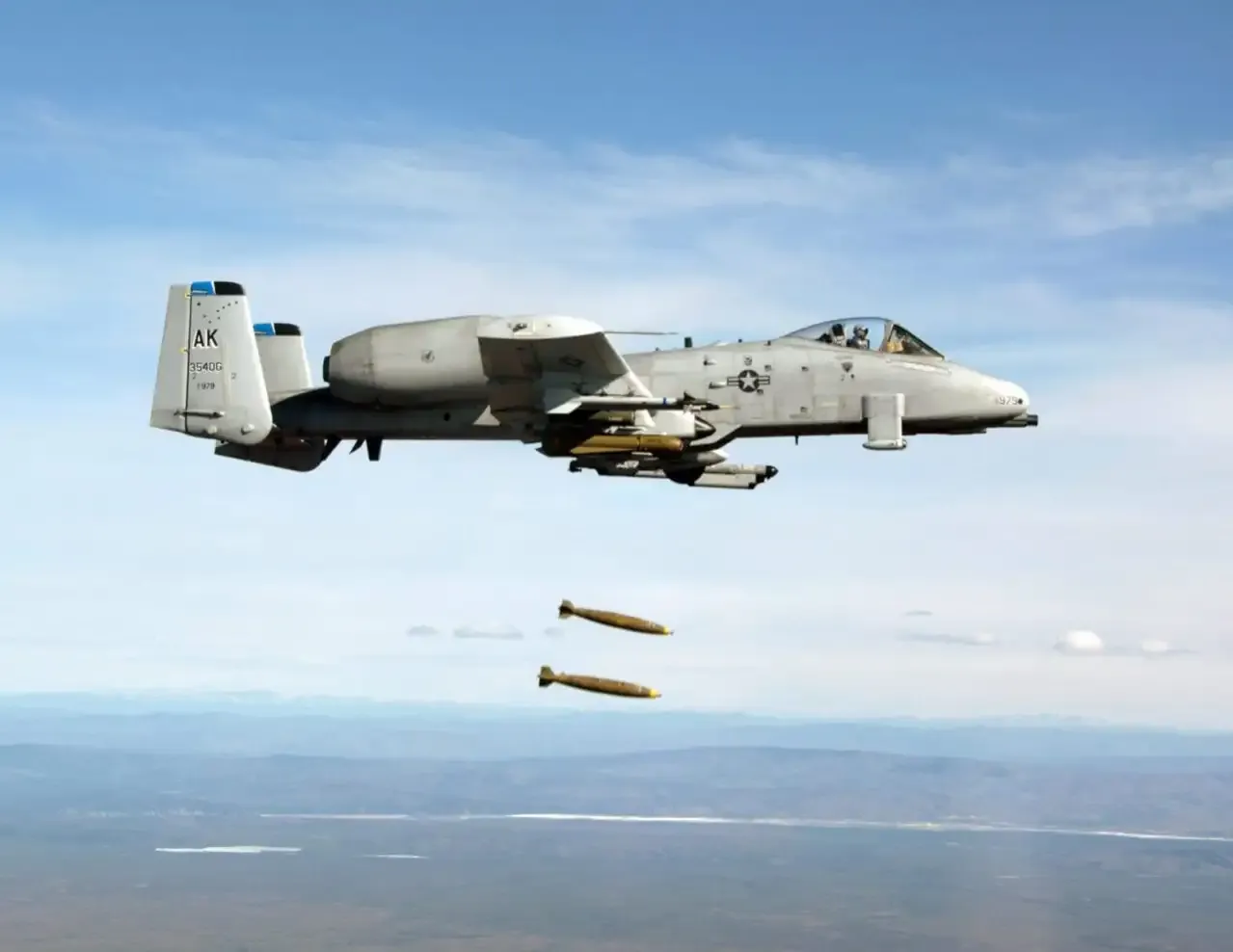

On the other hand, the US Air Force estimates that retiring the entire A-10 fleet will save approximately $423 million per year in operations and maintenance costs. The temptation, as they say, is strong. These funds could be redirected to other priorities. The US Air Force also argues that the A-10 fleet is aging and will not be able to continue its missions indefinitely without costly modernization. Maintaining a small fleet of very old aircraft also increases infrastructure, logistics, and maintenance costs.

Let's agree that the US Air Force's logic becomes clearer when considering the lessons of the war in Ukraine. In a situation where dense air defenses prevent attack aircraft from safely approaching the front lines, the A-10's effectiveness may be reduced, and it will likely be used for long-range strikes, as is increasingly the case with the Su-25 on both sides of the front.

This could be particularly relevant in a potential conflict with China, where American aircraft would likely face sophisticated, multi-layered air defense systems.

The F-35A, by contrast, was designed for high-level air-to-air combat. Its speed, internal weapons bays, and stealth capabilities allow it to operate within complex air and missile defense systems or to bypass them and exploit gaps in enemy air defenses.

However, its new anti-drone capabilities may not be enough to justify using such an expensive aircraft against low-cost targets.

Of course, there are other platforms, such as the Air Tractor L3Harris/OA-1K Skyraider II, or cheaper unmanned systems that could potentially perform some of these missions at a lower cost.
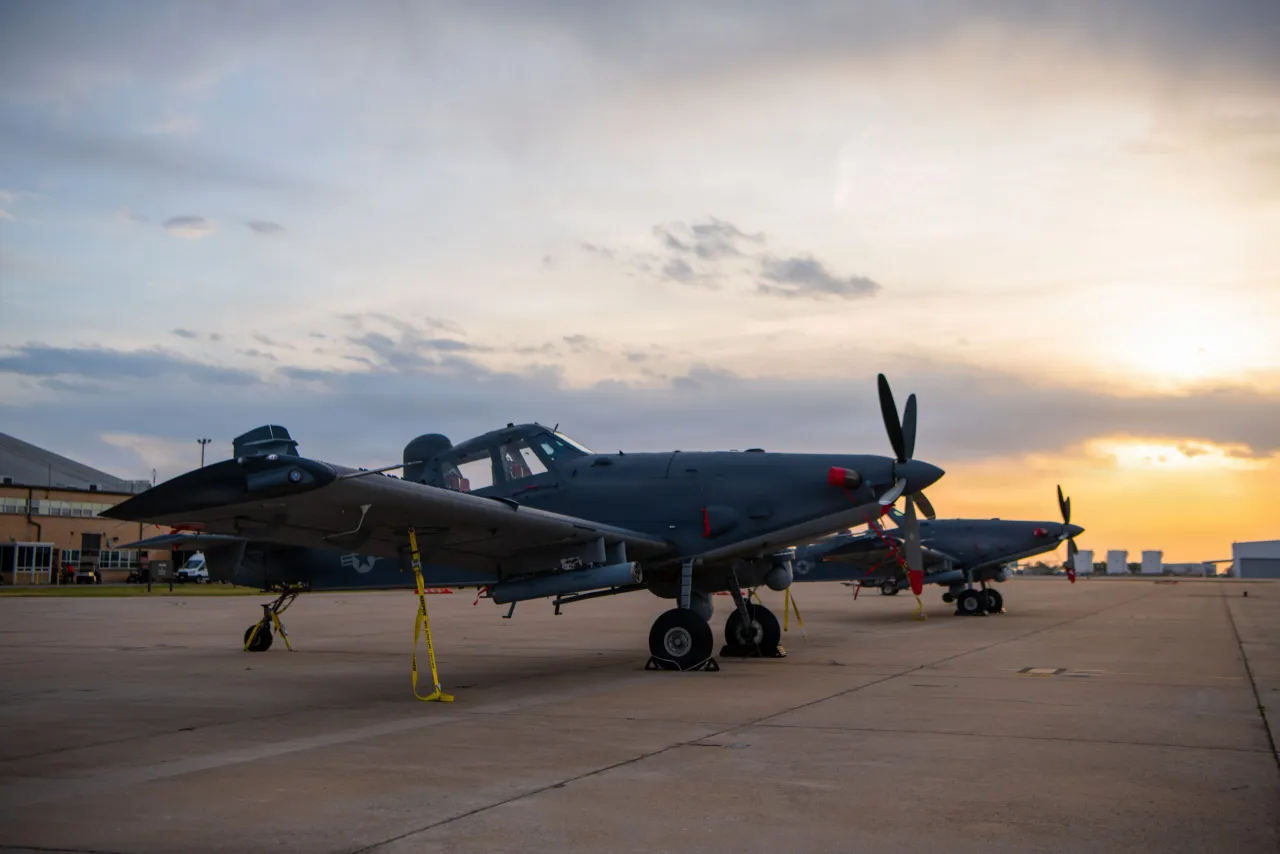

On the other hand, in asymmetric conflicts where one side is significantly technologically superior to the other, or in more liberal rules of engagement using conventional weapons, the A-10 can provide ground troops with accurate and powerful fire support at a relatively moderate cost.

The F-35A requires more advanced infrastructure for deployment and has significantly higher operating costs, both in terms of weapons and hourly operating costs.

And here we mustn't forget the reputational damage in the event of a disaster: the damage to the reputation of the US Air Force and the A-10's manufacturers in the event of an aircraft loss is minimal. The attack aircraft has long been out of production, and its manufacturer, Fairchild Aircraft, has been out of business for 20 years, so the loss of an old Warthog, which was never exported, would be of no interest to anyone.
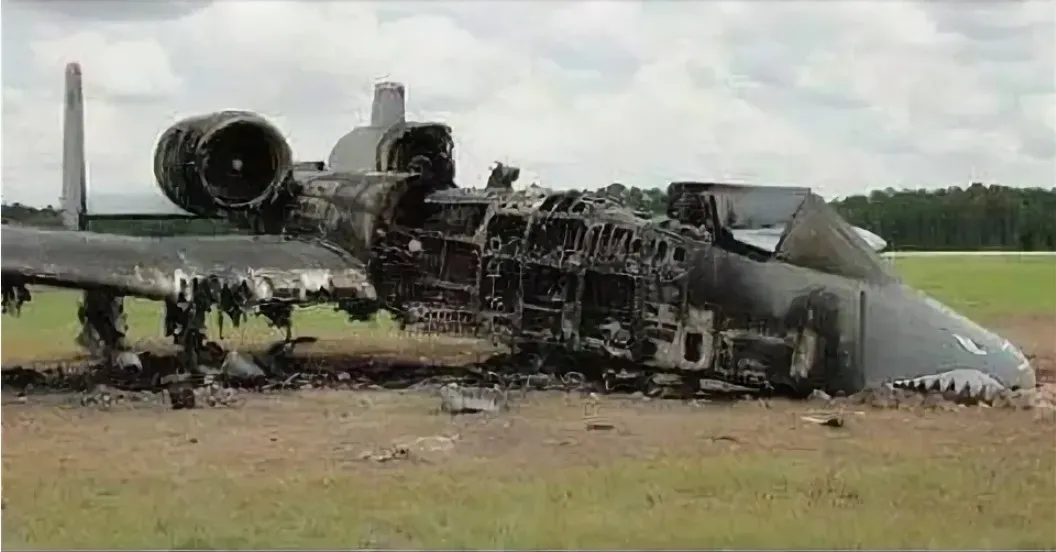

But if the F-35 crashes somewhere in the sand... Nine countries already operate the "penguin," and nine are on the waiting list, so given the cost and expense of the 35th, many may consider continuing to wait.

After all, why do they buy F-35s, after all? To guarantee a loss-free solution to any problems in the air or on the ground. Easily and effortlessly, much like what Israel does. But if bearded optimists in sandals, or even worse, the Chinese, start raking hundreds of millions of dollars down to earth, then, excuse me, no one needs that. Not the US, which sells F-35s to others, nor the leaders of the countries that buy this miracle.

And half of the operators and future operators there view the F-35 solely as a matter of prestige. Just tell me, what will Italy, Denmark, Norway, Singapore, and the other belligerent Netherlands do with the F-35?

The US has it easier. They have the deployment infrastructure, all those network-centric features that could allow the F-35 to pay for itself on the battlefield. And the fact that the US manages that battlefield for itself, unlike the Netherlands and Denmark, is a no-brainer.

But what can I say, the planes are completely different. And in our age of simply rapid growth in the effectiveness of anti-aircraftmissile Replacing the A-10 with the F-35 is only possible in the most optimistic conflict in Yemen with the local Houthis. And even then, with some backup—they're hard to predict.

But alas, the US Air Force's personnel supply has already been curtailed, so we're left with old pilots flying old planes. That happens.

Okay, so the A-10, while it made a big splash in the Iran conflict, is going away. And now for another thing: it would be very interesting to see how the F-35 will handle the frontline challenges facing the US Marines, who will be squeezed by yet another bunch of guys who don't respect the principles of network-centric combat at range and operate with the simplest set of countermeasures.

So, everything should turn out according to the American scenario... The main thing is that it doesn’t go downhill like in Afghanistan.

But I really want to see the F-35 as a frontline attack aircraft. And the Warthog... Well, it's really taking a long time to say goodbye to it. If we're going to cut it, we'll cut it. Retire it, then.
52 comments
Information
Dear reader, to leave comments on the publication, you must sign in.
  1. +7
    29 September 2026 05: 30
    But I really want to see the F-35 in the role of a front-line attack aircraft.
    Why look at it when there is a whole pantheon of drones available for this purpose?
    1. +7
      29 September 2026 05: 56
      To be honest, I wanted to answer, but after seeing the “author” the desire disappeared!
    2. -3
      29 September 2026 22: 38
      There is no forward edge in Modern Warfare (MW). There is no battlefield, no line of contact. These concepts are a thing of the past and exist only in backward armies that conduct Combat Operations (CO) using outdated methods, like the Air Defense Forces, for example. Even the "zone of combat operations" is also an outdated concept. Combat operations in MW are conducted in the Information Space (IS). IS covers the entire territory of the enemy. In MW, if you see (detect in real time), you destroy. All MW components exchange information and successfully use external target designation. From this perspective, the A-10 is long outdated. But if the war is waged against backward armies that lack a Combat IS, or the few technical reconnaissance and detection assets have been destroyed, the A-10 can be successfully used... These provisions are set out in the Russian Federation Military Doctrine of 2014, which no one has read, and there is no talk of its implementation. According to our documents, we have a backward, unreformed army... What achievements can we talk about, and what advanced and innovative things can be found in the SVO if it's led by such an army? All questions should be directed to the leadership, primarily the military. Study the Russian Federation Military Doctrine and draw your own conclusions; it was approved by Putin... Points 15 and 46 should be carefully considered...
  2. +2
    29 September 2026 06: 12
    It's funny that we think about the Americans' potential future problems with decommissioning the S-10, but when there was a series of articles about our Su-25, such options weren't even raised; they were sent straight to the morgue...
    1. 0
      29 September 2026 21: 23
      Quote from turembo
      But when there was a series of articles about our SU-25, such options were not even raised, they were sent straight to the morgue...
      It seems they want to replace the Su-25 with the Yak-130M.
      1. 0
        1 October 2026 14: 10
        Quote: Lt. air force reserve
        It seems they want to replace the Su-25 with the Yak-130M.

        The Su-25 is armored against small arms fire, but the Yak is not.
        1. 0
          1 October 2026 14: 43
          Quote: Alex777
          The Su-25 is armored against small arms fire, but the Yak is not.

          The Ka-52 helicopter is partially armored; it does not have bulletproof glass, unlike the Mi-28, but this does not prevent it from being an effective helicopter.
          1. 0
            1 October 2026 15: 26
            What I meant was that abandoning the Su-25 makes sense, but replacing it with something else is a dubious idea.
            The US is also seriously considering helicopters. The new attack helicopter program was cancelled.
      2. 0
        2 October 2026 10: 10
        The Su-25 and A10 are only replaced by the "Wing" from ZAL, which is a flying camera over the battlefield. Anything larger (FORPOST and ORION) has difficulty flying over the LBS.
        Next, the Wing transmits data (FPV operator, Artillery, Su-34 (Any aircraft that is not assigned to the SAM system), Tornado, Iskander) And the faster this can be done, the more useful it will be.
    2. +2
      30 September 2026 12: 08
      Quote from turembo
      It's funny that we think about the Americans' potential future problems with decommissioning the S-10, but when there was a series of articles about our Su-25, such options weren't even raised; they were sent straight to the morgue...

      So, in the series of articles about the Su-25, the exact same application scenarios were considered as those of the A-10 today. And the exact same conclusion was reached: It's possible, but why? In principle, it is possible, but not because of efficiency, but because the aircraft already exists and writing it off before its service life is exhausted is irrational.
      Flying a UAV on a subsonic attack aircraft with unnecessary armor (and for the Yankees, a monstrous cannon), but without a proper detection system, is hardly effective. And to use it to strike small vessels and provide close air support, you first need to suppress their air defenses and gain air superiority. And even then, there will be questions, since completely disabling MANPADS is impossible.
      Nowadays, close air support is all about "take more, throw further." Attack aircraft-level armor protection is unnecessary because only medium and heavy SAMs and missiles reach the payload release point, and their warheads are impossible to defend against structurally (well, you can, but that piece of crap won't fly).
  3. IVZ
    +3
    29 September 2026 06: 43
    There's a fundamental difference in purpose between a battlefield attack aircraft and other types of strike aircraft. The latter are optimized to penetrate air defense systems and then deliver a strike. A close-air support attack aircraft is optimally suited for operations directly within air defense zones. It's durable, easy to repair, and relatively inexpensive. These are the design features dictated by its tactical use, and no other aircraft type can fully replace the attack aircraft in its true form.
    1. +2
      29 September 2026 07: 54
      The very concept of trading an aircraft for SAMs is flawed. If an aircraft can't perform its missions due to air defenses, it should be abandoned.
      1. +1
        29 September 2026 08: 39
        It's not all that clear-cut. The Ukrainian Armed Forces currently have strong air defenses in the frontline zone, but our aircraft don't fly there.
        But this doesn't mean we should abandon all aviation at once. We need a new, 5+ strike aircraft that can carry out assigned combat missions in a strong air defense environment.
        1. +1
          29 September 2026 16: 55
          Currently, the Ukrainian Armed Forces have strong air defense in the frontline zone; our aircraft do not fly there.

          Couldn't we have done something about this instead of acting like a navy—the sea is under fire—we're hiding! If there's air defense there, that means there are important, high-value targets there that need to be sought out and taken out first. That is, we need to fight, not avoid.
          1. 0
            29 September 2026 18: 52
            It's reminiscent of Desert Storm, when both Apaches and special forces were used to breach the SAM/RADAR line. The Russian Aerospace Forces' actions are reminiscent of the U-boats in the Battle of the Atlantic, when the Germans fought ONLY with boats...without support (either from the air or from the surface - although the Bismarck raid ended, in part, due to the lack of interaction with the U-boats). So, the Russian Aerospace Forces must gnaw through air defense zones THEMSELVES...where are our Airborne Forces, where are our tactical missile systems...in short, we learn from our mistakes...it's a trend, though.
            1. -1
              29 September 2026 19: 10
              to break through the SAM+radar line
              I can hardly recall any examples of the Aerospace Forces attacking enemy air defenses. Iskanders, Kh-101s, Lancets, Gerani, FPV drones, grenade drops from Mavics, and I think they even used artillery at some point. But our aviation against enemy air defenses... recourse Probably only in the first hours of the SVO when an Mi-8 in the Kherson region shot at a Buk on the road with Nursam at point-blank range
              I remember in 2023, our guys were dropping FABs from UMPKs over the Sumy region for a couple of months. The bastards brought in Patriots, shot down several planes, and then no one flew there for about six months. Something similar happened in Krynki, when two of our planes were shot down, and after that, no Aerospace Forces aircraft flew to Krynki for a long time.
              I don't think the Germans acted that way. Our commanders in their place, after losing several submarines, would have hidden the rest in ports and languished in territorial waters...
              1. 0
                30 September 2026 12: 13
                Quote from alexoff
                I can hardly recall any examples of the Aerospace Forces hitting enemy air defenses. Iskanders, Kh-101s, Lancets, Gerani, FPV drones, grenade drops from Mavics, and I think they even used artillery at some point.

                Apparently because the Aerospace Forces operate without visual detection or video recording of the strike. Meanwhile, artillery and UAV operators always have reconnaissance drones hovering over the target, the footage from which is then posted online.
                1. 0
                  30 September 2026 12: 14
                  And then they don't know whether the air defenses were hit or not? Just in case, we won't fly here...
            2. 0
              30 September 2026 12: 11
              Quote: WapentakeLokki
              It's reminiscent of Desert Storm, when both Apaches and special forces were used to break through the SAM/RADAR line.

              Yeah... the Coalition destroyed Iraq's air defense system. But the air defense systems, albeit autonomous, remained.
              The Coalition Air Force was forced to switch to medium altitudes because low altitudes (and close air support) were blocked by MANPADS and small anti-aircraft missiles. Even at medium altitudes, there were problems due to undamaged and suddenly reactivating SAM systems.
              1. 0
                30 September 2026 19: 38
                ..the VKS actions over Syria are identical...from the air defense - Stingers, and problems were solved by raising the drop altitude, but...with the new element base, cast-iron high-explosive shells hit like expensive GBUs...but Ukraine is not Syria...however, let's not lie, the 404th air defense ended in 2022, and then NATO is fighting against us...and let's be honest, the VKS lost the battle...MAX 100 is capable of bombs + wing + JPS...FPV and other Shahed-Gerani missiles are not the VKS...
          2. 0
            30 September 2026 09: 56
            Ideally, massive use of anti-radar missiles would be required to punch holes in continuous radar coverage.
            1. 0
              30 September 2026 11: 43
              Ideally, there should be aircraft and drones for electronic reconnaissance and electronic warfare, with various weapons like Geraniums, Lancets, airplanes, and helicopters circling and flying ahead. So that as soon as a radar is activated, they'll immediately fly in to destroy it, completely and irrevocably. Whereas an anti-aircraft missile might miss a switched-off radar, only for it to turn back on and start fighting back. For the first case, headquarters and industry need to work; it's complicated. But in your case, you need to churn out more missiles and hang them everywhere. It's easier; generals don't have to think, but the result is far less convincing.
              1. 0
                30 September 2026 19: 43
                By the way, you raised an interesting topic... the US Air Force already had "Wild Ermine" SEAD units in Vietnam... first F-4s and then naval F-18s... and what about the Aerospace Forces... are there special units for combating (suppressing) air defenses???... and I haven't heard of such units (perhaps the SVO is the first normal modern combat with a European power)...
                1. +1
                  30 September 2026 20: 43
                  We have a different strategy: give a fighter a fantastic plane, tank, or ship—and let him defeat them all single-handedly! Or with his brothers in arms. A tank should be able to withstand drones and artillery. Can't handle it? The UZ makes bad tanks, we don't let them into LBS! Establish electronic warfare, reconnaissance, counter-battery warfare, operate in accordance with treaties and aviation, conduct night operations? No, that's too complicated; you have to coordinate a lot with a bunch of generals! A plane can't dodge a Buk missile from 1990? We don't fly to LBS. Our generals' organizational skills seem to be lacking; they're still at the level of parades; they can't even formulate the technical requirements properly. fool
                  1. -1
                    1 October 2026 19: 35
                    ...alas and ah, but...let's remember the words of our comrade Stalin...I have no other generals for you...no, not even Hindenburgs...no Zhukovs...
                    1. +2
                      1 October 2026 19: 46
                      Yeah, and I don't have any other ministers for you. Chubais, Shoigis, Manturovs, Gerasimovs, Ospanovs—they're the wrong bunch, there's no one to choose from. Well, at least he's recruited some professionals, according to criteria known only to him.
                      1. -1
                        2 October 2026 20: 20
                        ..well, it's no secret that...there's one criterion...they're recruiting loyalists...but they're holding them accountable as if they were smart...that's where all the trouble comes from...a smart person can't be loyal to someone (yeah, a dumb person is even dumber) than themselves...
                      2. 0
                        2 October 2026 20: 33
                        Yeah, I think they're recruiting based on connections. Because loyalty isn't exactly a thing there. Look at what former advisor Illarionov writes online. recourse
                        and they ask questions as if they were smart
                        No one's asking. Have the national projects been implemented? Who cares, the important thing is that the funds have been fully utilized and there's a whole host of reports and journals. Yes
                2. 0
                  5 October 2026 17: 33
                  Since Vietnam, a separate unit called "Wild Ferrets" has been created, where they search for radars and launch anti-missile missiles.
              2. 0
                5 October 2026 17: 29
                It won't miss; modern ones can detect a location and aim even when the radar is turned off.
                1. 0
                  5 October 2026 18: 00
                  During the entire period of the SVO, I never once saw a destroyed radar or air defense system with fragments of such a missile sticking out of it. And I saw these missiles found in the walls of houses, on lawns and meadows.
                  1. 0
                    6 October 2026 11: 46
                    Precisely PRR? They usually do it more simply: if they're within range, they launch the Lancet.
                    1. 0
                      6 October 2026 11: 48
                      Precisely PRR?

                      Exactly, right, a missile, a real anti-radiation one. Zero examples, absolutely zero. And a whole bunch of examples of them being found who knows where.
                      They usually do it more simply: if they are in the area of ​​effect, they launch the Lancet.
                      Yes, and they do. And besides, there's not a single confirmed example, except for what one old woman said, absolutely zero.
        2. 0
          29 September 2026 21: 32
          What does this new one need to have to prevent strong air defenses from knocking it out? A power bubble?
          1. -1
            30 September 2026 09: 58
            It's just stealth technology, unlike the Su-57, which Western experts rate as 4+++.
            1. +1
              30 September 2026 18: 25
              There are no such things as invisible flyers, let alone "shock troops." They have to work on the front lines. All this high-tech, network-centric super-duper stuff is a bluff. Wherever the Yankees have tried recently, they've gotten the full brunt. They've only done it on the chin, with minimal "flavoring," like us or the Jews (when dealing with a serious opponent).
              1. 0
                5 October 2026 17: 31
                Now over Iran, they have not lost any F-35s.
                1. 0
                  6 October 2026 08: 34
                  Are they flying over Iran? Probably not entering the zone. And there haven't been any ground operations for attack aircraft yet.
                  1. 0
                    7 October 2026 08: 47
                    Not quite. Remember the strikes on IRGC and air defense bunkers? They used the GBU-57A/B Massive Ordnance Penetrator. The GBU-57 bomb is 6,2 meters long and 800 mm in diameter. The finished product weighs 12,8 tons.
                    Only the B-2A and B-52H can carry such bombs.
                    The B-52H is too easy a target for air defense, but the B-2As flew calmly through Iranian airspace and dropped their deadly payload.
                    Incidentally, for the first time in the history of bunker buster use, video was shown of the inside of bunkers, i.e., fire impact on a protected facility.
                    1. 0
                      7 October 2026 10: 32
                      Are you sure this video is real? Mattresses are renowned masters of Hollywood effects. And no one has denied the potential of AI. Trump has already bombed and bent them over several times. lol
                      Until there's a result, no arguments are relevant. The flag over the Reichstag and the capitulation of the Reich—that's the indisputable truth.
                      1. 0
                        Yesterday, 12: 08
                        Hmm...looks authentic.
      2. IVZ
        +3
        29 September 2026 20: 35
        The very concept of exchanging an aircraft for a SAM is flawed.
        No. Your logic is flawed. If we follow it, we can continue: trading a tank for anti-tank weapons, trading a soldier for bullets and shrapnel—absurd. Don't you think so?
        If an aircraft cannot perform its tasks due to air defense, then it must be abandoned.
        And what aircraft is better suited to fulfill its missions than a purpose-built one? Drones are not a panacea. Their success is temporary, driven by their novelty and the TEMPORARY unpreparedness of troops for their widespread use. This phase will pass, and is already passing. And if you trace the evolution of those same Geraniums, you can see how, from piston-driven drones, due to improved countermeasures, they are gradually taking on the appearance of cruise missiles. Lasers, strobe lights, electronic warfare, and various shooters will sooner or later relegate drones to the category of the most common and least effective weapons. It's unlikely they will completely replace manned aircraft.
  4. 0
    29 September 2026 08: 36
    The attack aircraft has been out of production for a long time, and the manufacturer, Fairchild Aircraft, has been around for 20 years, so the loss of the old Warthog, which was never exported, won't interest anyone.

    It was not exported, but remained effective, like the Su-25.
    The concepts of an attack aircraft (or, as the Sukhoi Design Bureau called the Su-25, "Battlefield Aircraft") and a multirole strike fighter differ. The attack aircraft is optimized for operating at extremely low altitudes in weak air defense conditions, destroying everything on the ground. A stealth strike fighter, on the other hand, stealthily penetrates air defenses, strikes, and immediately retreats. However, it is unarmored and immune to ground fire; one hit and the armor is destroyed, making it visible to all those ancient radars.
    1. 0
      30 September 2026 16: 22
      Quote: dragon772
      The attack aircraft is optimized for operation at extremely low altitudes. in conditions of weak air defense,destroying everything on earth.

      The key is highlighted.
      In the USSR, if I remember correctly, in 1982 they simulated the use of Su-25s—classic attack aircraft—on the ETVD. When attacking a mechanized column of a potential enemy covered by standard army air defense, the attack aircraft failed to accomplish their combat mission.
      In fact, this modeling led to an attempt to convert attack aircraft to guided missiles, which resulted in the Su-39, a "first attempt at failure." Even for test pilots, the workload of combat use (piloting, detection, use of guided missiles, and countering air defenses) was prohibitive.
      Moreover, the attack aircraft concept didn't work well even in Third World countries. In Afghanistan, for example, with the advent of the Stinger, the Su-25s became poor fighter-bombers: flying to the target at high altitude, making one or two passes with the entire payload dumped in one go, and then back up and home.
      1. 0
        5 October 2026 17: 30
        And in Syria, the Su-25 operated successfully.
    2. 0
      1 October 2026 14: 20
      The gringos had another reason why they delayed the A-10.
      They have fewer and fewer pilots capable of flying a pure aircraft, not a computer (F-35, etc.). That's why many were worried about this. In case of a TMV.
      But if the United States returns to purchasing the F-16, as was recently reported here, then this will definitely put an end to the A-10.
  5. +3
    29 September 2026 09: 06
    But I really want to see the F-35 in the role of a frontline attack aircraft.

    A frontline attack aircraft has long been a UAV! No need for any wild guesses here...
    1. -2
      29 September 2026 12: 43
      Utter nonsense. UAVs and attack aircraft complement each other, but they don't replace each other. The attack aircraft has the fastest reaction time and the most powerful weapons.
  6. 0
    29 September 2026 12: 09
    Everything comes and goes, concepts and methods of warfare change. Consequently, the weaponry mix will also change based on the realities on the battlefield. What was highly effective yesterday may be completely ineffective today, or have little effect.
  7. +1
    29 September 2026 13: 15
    As a recommendation to the author, please reread what you have written at least occasionally before publishing.
    The first sentence: "The United States Air Force has completed the 66th Squadron's final training flight on the A-10C Thunderbolt at Nellis Air Force Base, completing specialized training on these aircraft at the U.S. Air Force Weapons School."
  8. 0
    29 September 2026 21: 52
    Efficiency is a symbol of the times. Political expediency is its loss... Weak power seeks expediency. Strong power strikes its target...
  9. 0
    7 October 2026 08: 49
    Quote from alexoff
    Exactly, right, a missile, a real anti-radiation one. Zero examples, absolutely zero. And a whole bunch of examples of them being found who knows where.

    I have not seen any confirmation from reviews or overviews.