There and back or just to the target: how drone range is actually calculated
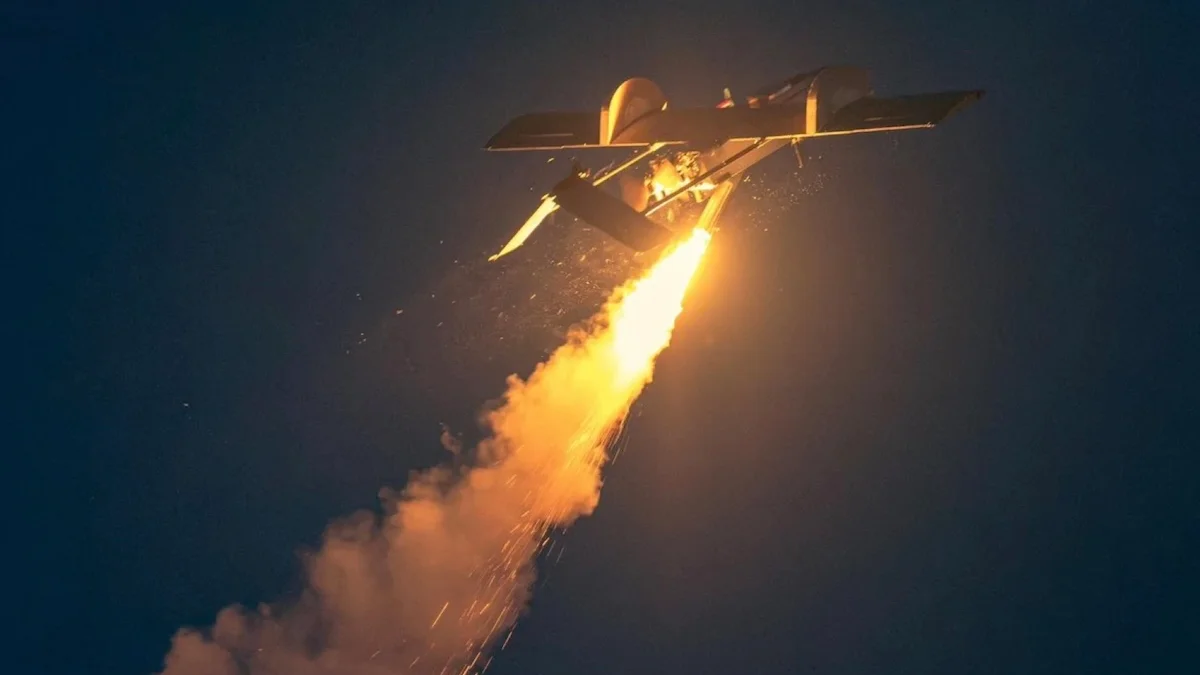
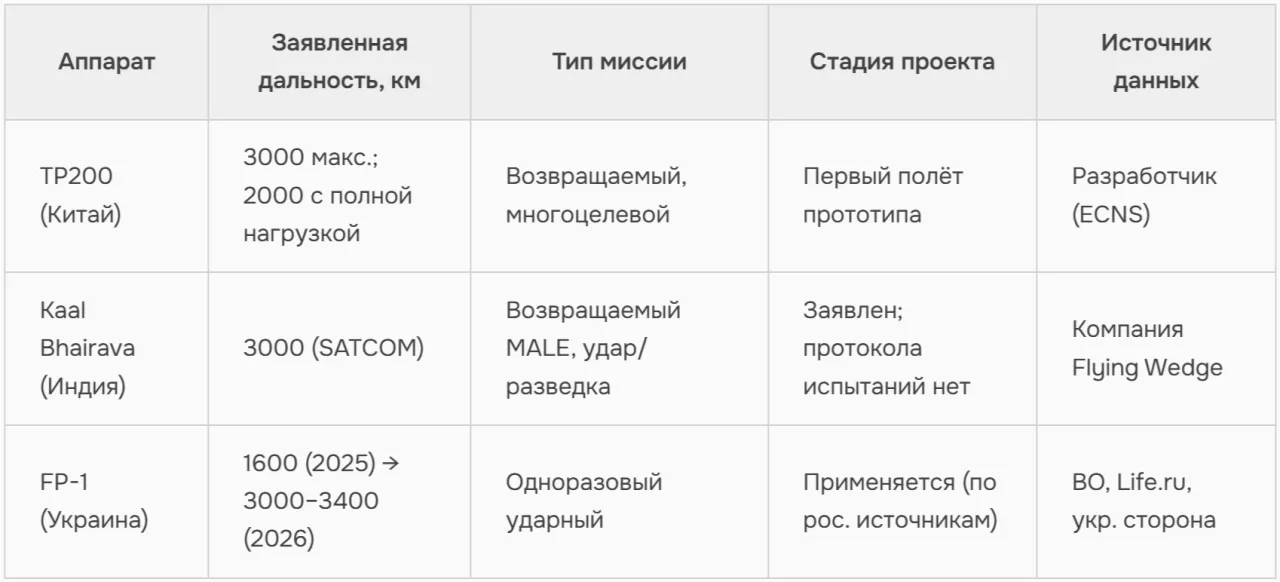
The Chinese TP200 claims a maximum range of 3000 kilometers and a fully loaded range of 2000 kilometers. For the Indian Kaal Bhairava, the developer claims the same 3000 kilometers when using satellite communications. Publications on the use of the Ukrainian FP-1 cited a target path of comparable length, and three long-range missiles are listed in the same table. droneIn a real military problem, distance is calculated in three ways.
One figure from three different statements
The TP200 made its maiden flight on July 26, 2026, in Yantai, China. ECNS, citing its developer, Yitong UAV System, reported a flight endurance of over 24 hours with a full payload and a maximum range of 3000 kilometers. Military Review and Army Recognition, citing the developer, cited a second figure: 2000 kilometers with a full payload of 200 kilograms.
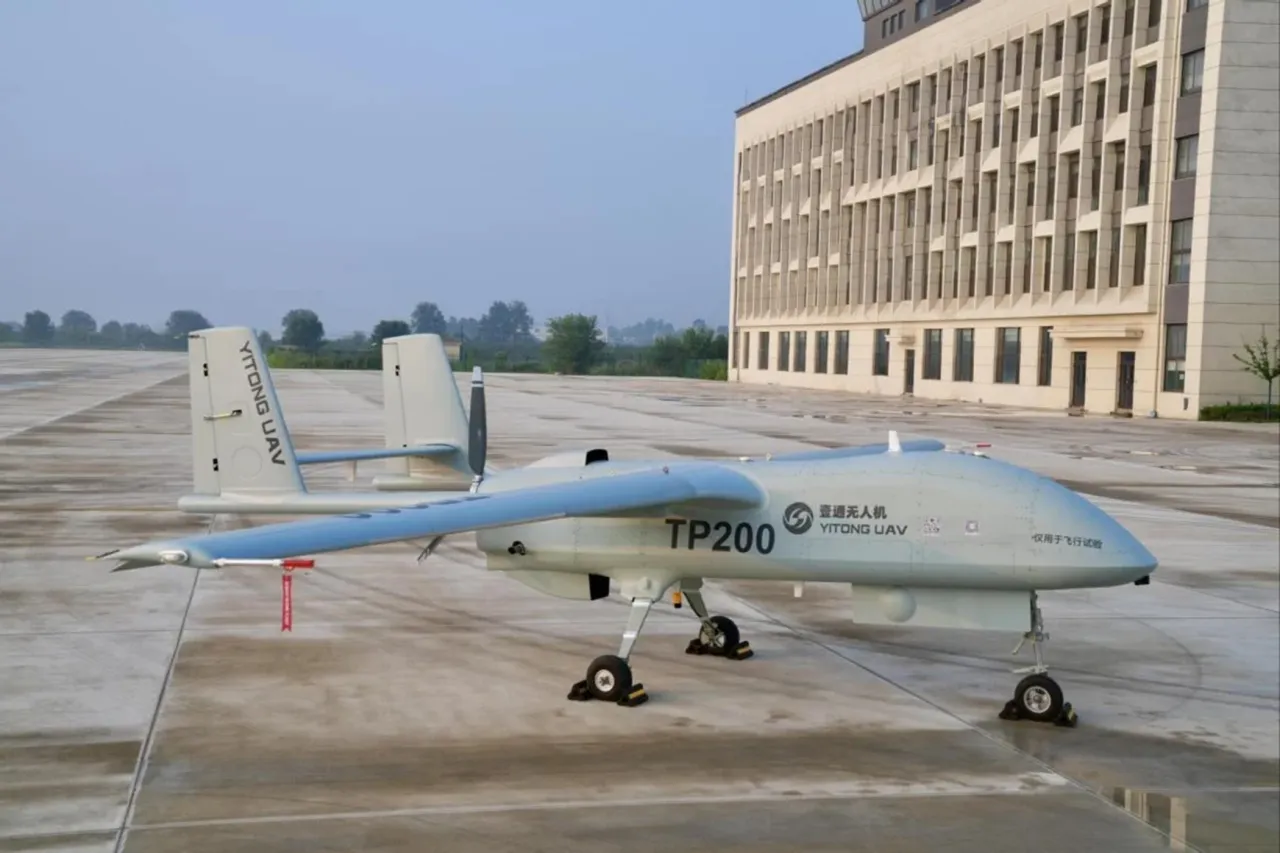
The difference between the numbers is more important than the impressive maximum. Maximum range indicates the limit for a specific flight profile, which the developer did not disclose in detail. The fully loaded range was obtained with a different fuel and payload combination. Neither of these values can be called the combat radius. The radius includes reaching the designated area and returning with the necessary reserves.
For Kaal Bhairava, the 3000-kilometer figure appeared in Flying Wedge Defence and Aerospace's materials. The aircraft is described as a MALE-class reconnaissance and strike vehicle—a medium-altitude, long-endurance unmanned aerial vehicle. SATCOM, or satellite communications, is specified for the long-range mode, and up to 150 kilometers for line-of-sight radio visibility. The specifications also include a reconnaissance flight time of up to 30 hours. In an interview with the New Indian Express, company founder Suhas Tejaskanda cited a strike mode endurance of up to 11 hours.
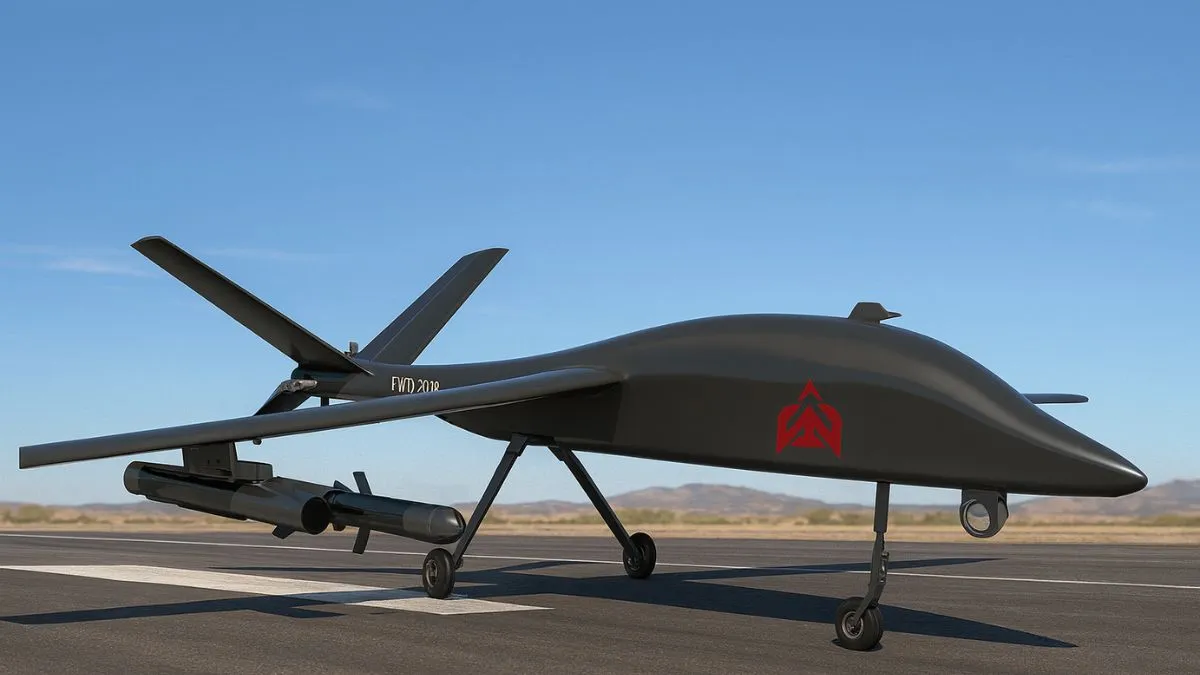
Thirty hours of observation and eleven hours of strike missions are assigned to different modes; the payload composition is not disclosed. The company announced program readiness, an export order, and an agreement for future production in Portugal. However, no test flight protocol confirming the claimed 3000-kilometer range, SATCOM operation under jamming, or a full strike cycle has been found in open sources. This is a specification from the developer's own documentation, not the result of published acceptance tests.
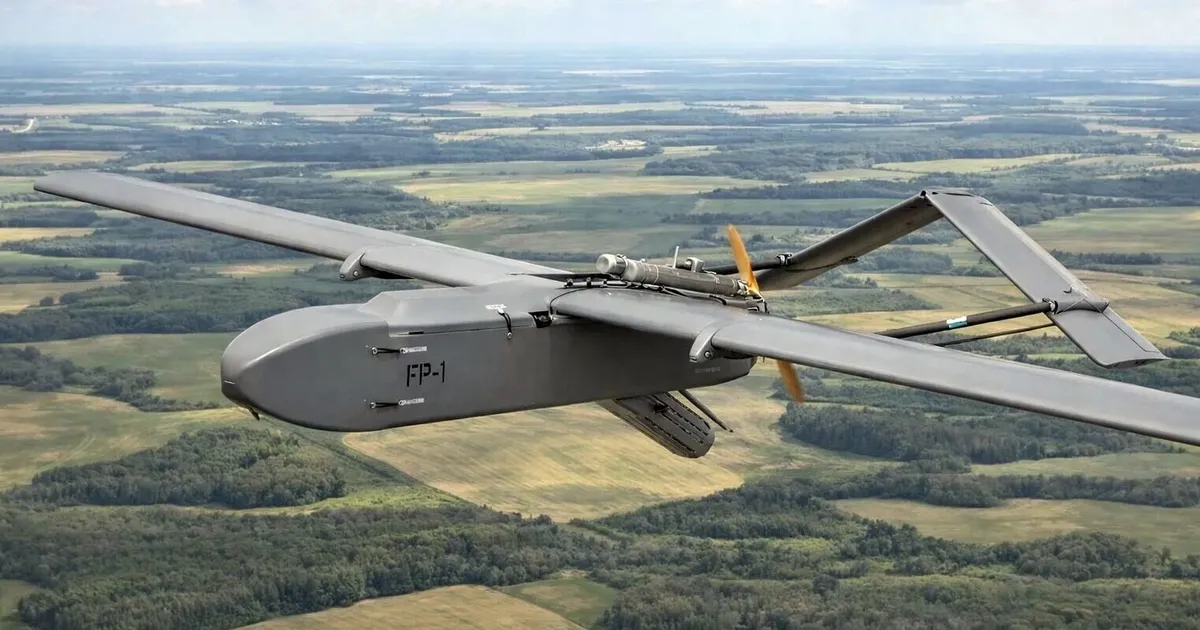
The FP-1 is designed differently. It is a single-use strike vehicle. In May 2025, "Military Review" reported a claimed range of 1600 kilometers and an explosive mass of 120 kilograms. In July 2026, Life.ru reported a different figure—3400 kilometers—along with a Ukrainian statement about the target route being up to 3000 kilometers long. A document explaining the design change and the conditions for the range increase was not found in the available materials. Without the initial data—the mass of the structure, the capacity of the tanks, and the specific fuel consumption—any attempt at a calculation would be mere speculation.
This results in three statements with different columns, rather than confirmation of a single class. The TP200 has a maximum range and a full payload. The Kaal Bhairava has a declared performance characteristic of a project dependent on satellite guidance. The FP-1 has the range of a disposable vehicle to its target. A kilometer alone is not a military specification.
Comparison table
A one-way ticket does not require return fuel.
A return vehicle requires fuel for the return trip, reserves for rerouting, and landing capability. It requires a serviceable runway, ground support, and a functioning control channel. The TP200 is specified with 300 meters for takeoff and landing. Kaal Bhairava's long-range route is directly connected to SATCOM. Therefore, its range cannot be estimated separately from the necessary infrastructure. Increasing the return vehicle's range is achieved by adjusting the fuel load, payload, speed, or a combination of these factors.
The disposable FP-1 solves a different problem. It doesn't need to return to the airfield, land, and conserve fuel for the next flight. The disposable craft uses the fuel the returning vehicle reserves for the return flight to reach its destination.
This doesn't mean that the claimed 3000 kilometers of the TP200 or Kaal Bhairava should simply be halved. The result is affected by load, altitude, wind, engine speed, route, and fuel reserves. The developers haven't disclosed this data. But the full route of the recovery vehicle and the one-way flight of the strike vehicle can't be compared: for one vehicle, the range ends with the return to the airfield, for the other, with the rendezvous with the target.
First flight, press release and application
Methods for calculating range vary, as do project stages. The TP200 has flown, but its serial operator and delivery volumes have not been disclosed. The maiden flight confirms the existence of a flight prototype. It does not confirm completion of the 3000-kilometer route with the specified payload, nor does it transform the experimental platform into a fully operational strike system.
The lack of public confirmation doesn't mean work wasn't done. It simply prevents the stated parameters from being considered confirmed characteristics of the operational system—that would require a test report with measured range, payload, and flight profile.
Satellite communications, long flight endurance, and the ability to operate from a short, prepared runway truly fulfill a sought-after military function. If the stated parameters are confirmed, the operator will receive a long-term surveillance and remote strike capability.
Russian sources describe the FP-1 as a deployed aircraft. This is a more advanced practical stage than the project's presentation. However, the fact of deployment does not automatically confirm every subsequent range figure. Without the launch point, route, flight profile, and identification of each aircraft, the reported range remains an unconfirmed assertion by a party to the conflict.
Our own sources also need to be assessed critically. A Russian publication might also juxtapose the manufacturer's data sheet, a newspaper retelling, and an enemy report on the strike's results. Essentially, they're confusing the calculated characteristics, the design stage, and a combat episode. Such a conflation doesn't strengthen the threat assessment, but rather obscures its uncertainty.
Military capability doesn't emerge with the appearance of a large number. It develops when a characteristic is combined with a series, an operator, trained crews, stable communications, and a repeatable mission. The three vehicles under consideration have different levels of confirmed readiness.
Air defense doesn't count kilometers, but missions.
Range expands route selection. Targets in the depths now require more coverage. Detection assets are more difficult to distribute. But range alone doesn't predict how many devices will arrive simultaneously, from what directions, at what altitude, or with what visibility.
Economics of Mass Raiding and the Limits of Replacement aviation drones have already been discussed in the article "On politics, the air defense of Iran and Ukraine, and the role of UAVs in modern warfare"The differences between long-range weapons in terms of trajectory, speed, warhead, and accuracy were discussed in the material "Versus. Iskander or Kalibr?"In this case, another parameter is added to these: what exactly the source called the range.
TP200 requires an assessment of the return route of the multi-purpose platform, its payload, and the airfield cycle. Kaal Bhairava adds the question of the satellite link and the actual stage of the program. FP-1 poses Defense a one-shot strike mission in which the entire available route can be directed toward the target. Each of these threats will require a different force composition.
Threat assessment is based on mass, route, speed, and visibility. Additionally, reconnaissance quality and control stability are crucial. Range indicates potential depth, but does not prove the ability to navigate a specific route and complete a mission. A slow aircraft can remain in the detection zone for a long time. A vehicle with a satellite link depends on external infrastructure. A disposable asset is lost after each mission.
We need to compare missions, not kilometers. Then 3000 kilometers cease to be seen as a sign of a single class and become the beginning of a staff check: with what payload, in one or two directions, through which channel, and at what stage. According to their stated characteristics, the TP200, Kaal Bhairava, and FP-1 are all long-range satellites, but they accomplish different tasks.
Information