Russian artillery received new UAV units.
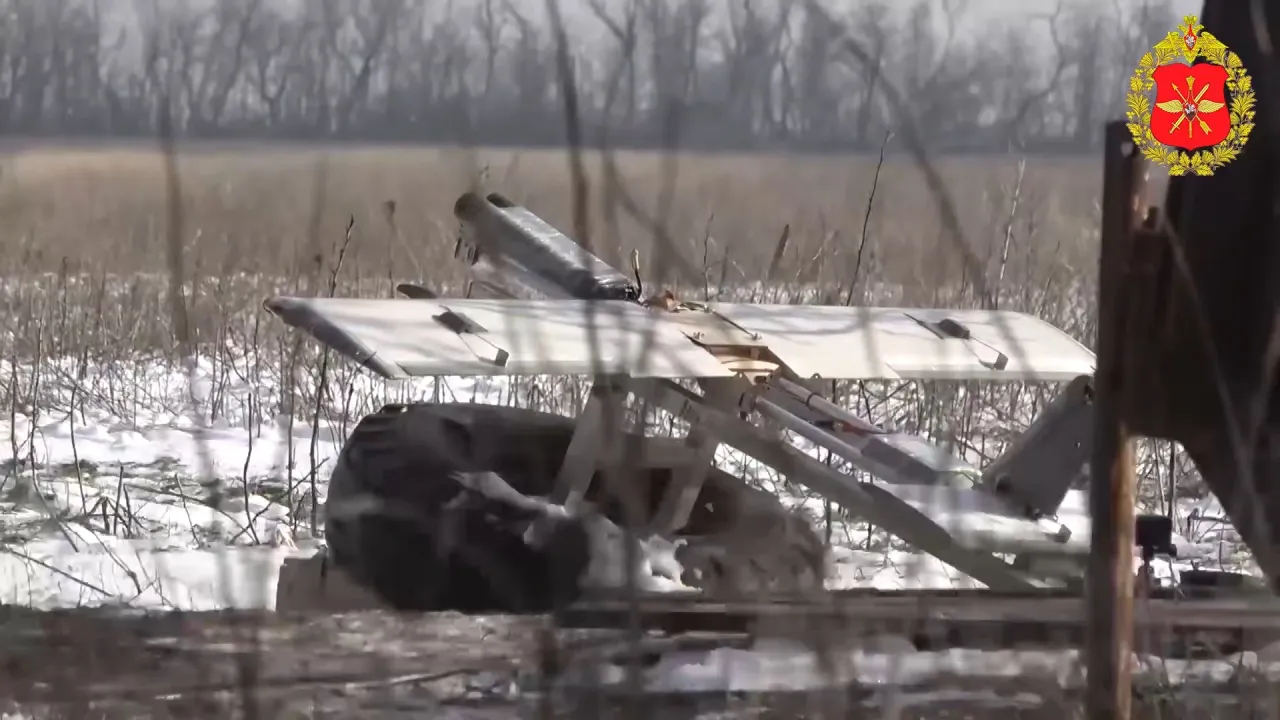
According to Izvestia's September 4 report, ground forces artillery brigades have acquired their own units equipped with unmanned aerial vehicles (UAVs). According to the publication's unnamed sources, these units are intended to assist batteries and divisions in counter-battery operations by searching for targets or independently destroying them.
Reconnaissance and strikes
Information about this innovation was obtained from sources familiar with the current processes. They revealed some specifics, but the bulk of the information remains classified.
According to Izvestia sources, counter-battery UAV units have been established and are now operational within artillery brigades. They are intended to supplement existing reconnaissance assets, improving the ability to locate enemy positions.
The new units received two types of modern UAVs, but their models are not being disclosed. One is designed for long-term airborne surveillance, reconnaissance, and target acquisition. The second is a strike aircraft, capable of independently targeting identified targets.
Unmanned aerial vehicles are complemented by ground-based radio systems. These are proposed to be used to detect enemy communication and control channels and suppress them with jamming. In addition to traditional ground-based systems, EW can also be placed on the UAVs themselves, expanding their reconnaissance and suppression capabilities.
The main objectives of the new units are: artillery enemy systems in position, on the move, or at rest, as well as counter-battery radars and electronic warfare systems. An additional task is the detection and suppression of enemy UAVs, especially FPV-drones and target designation devices.
A UAV unit provides target designation to artillery or other strike systems within its brigade. A typical counter-battery cycle includes target acquisition, classification, confirmation, coordinate transmission, selection of a weapon, fire delivery, and evaluation of the results. The standard inclusion of UAV units in artillery brigades reduces the time it takes to process data between stages, particularly during coordinate transmission and target confirmation.
The number of new units already formed and which brigades they operate in has not yet been determined. It is possible that all artillery units may receive such capabilities in the foreseeable future, but there is no public information on plans for mass deployment.
The evolution of intelligence
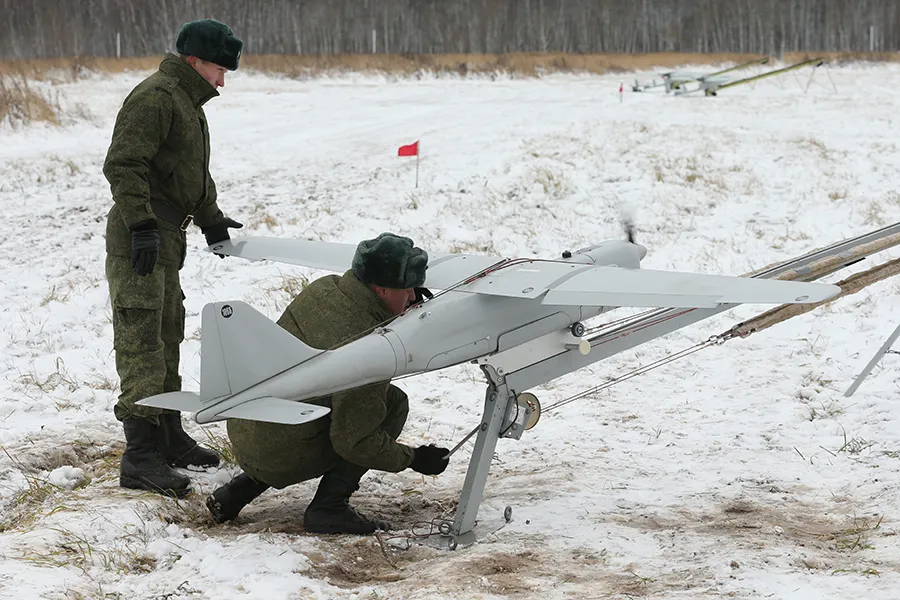
Russian artillery units have been using unmanned aerial vehicle support for quite some time now. aviationSince the beginning of the last decade, artillery exercises have been regularly conducted using data from reconnaissance UAVs. The Orlan-10 was developed in 2010; its serial production began in 2012. It has been tested in large-scale exercises, including interaction with artillery.
However, at that moment Drones They weren't standard equipment for most artillery units and subunits. Support from third-party units had to be sought and coordination with them organized. This created delays in data transmission, reduced flexibility, and increased response time—a critical parameter in counter-battery warfare.
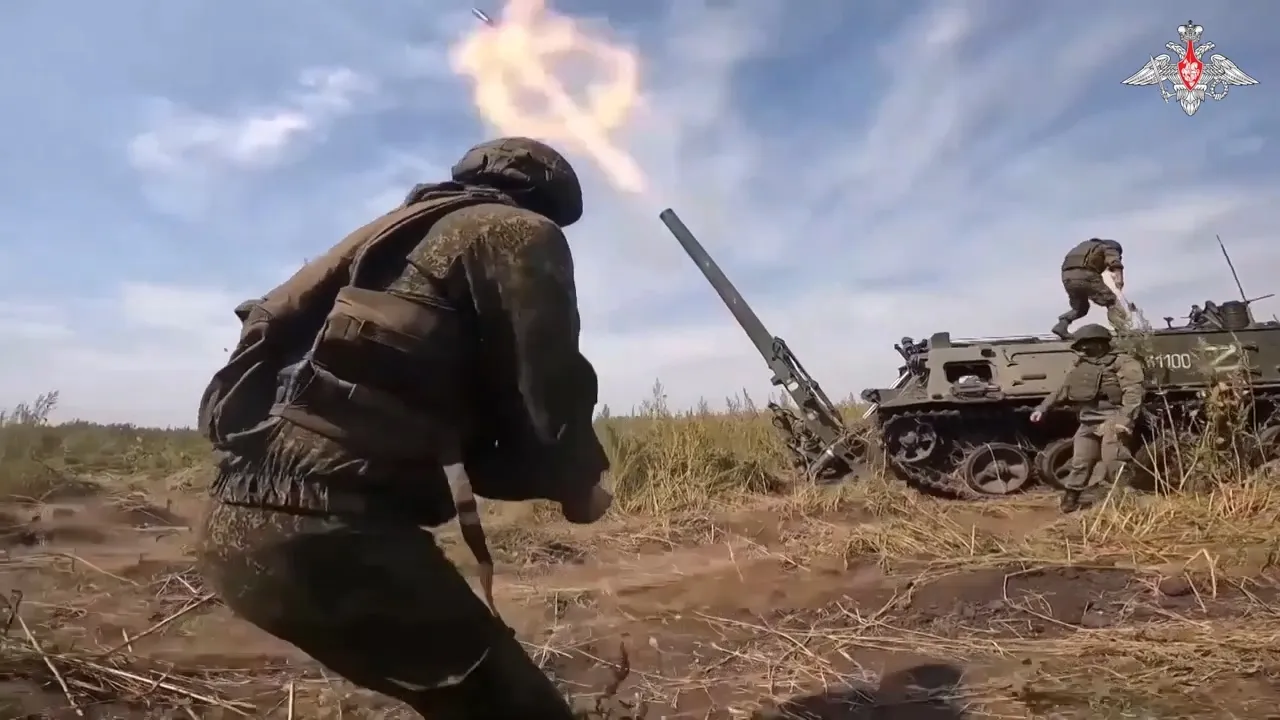
The situation changed radically after the start of the Special Operation. The proliferation of UAVs among units was facilitated by volunteer supplies, government procurement, and grassroots adaptation. Reconnaissance and target acquisition capabilities improved dramatically, reducing response times and increasing firepower.
The number of UAVs in the armed forces, including artillery, was constantly growing. Various units were formed to acquire new capabilities. The creation of the Unmanned Systems Troops was initiated in December 2024 by Defense Minister Andrei Belousov. Completion of the formation was planned for the third quarter of 2025. On November 12, 2025, a representative of the Unmanned Systems Troops announced that their structure had been determined and their authorized units and subunits had been formed.
Based on combat experience, new plans were drawn up for the development of artillery and its support assets. The next step was the creation of its own UAV units responsible for counter-battery warfare. According to Izvestia sources, they have already begun service and are participating in combat operations.
Confirmed information and possible equipment
Izvestia disclosed only the most general information about the new units' equipment: two types of UAVs (reconnaissance and attack) and electronic equipment. Specific models were not named.
Below are the author's assumptions about what technology can be used based on the described functions. These assumptions are not supported by any sources.
The use of medium-sized fixed-wing UAVs capable of taking turns in the air and conducting continuous surveillance is likely. Based on the mission description, Orlan-type UAVs or similar systems are suitable. Open sources indicate a communication range of up to 120 km with the ground station for the Orlan-10; values of up to 600 km apply to configurations with relay or autonomous routes. Flight endurance is up to 16 hours, with a ceiling of up to 5 km. Optical-electronic stations with television and thermal imagers can be used as payloads.
Various domestically produced UAVs can perform the strike function. The Lancet family of loitering munitions is likely to be used. The disclosed specifications depend on the model (Lancet-1, Lancet-3, and their variants). According to some reports, the range reaches 70–80 km, the warhead weighs up to 5 kg, and the maximum attack speed is up to 300 km/h.
The publicly available specifications for the Molniya family of devices vary depending on the model. Various sources cite a range of up to 50–60 km, a payload of up to 10 kg, and an operating time of up to 40 minutes.
Domestic manufacturers offer a wide range of electronic reconnaissance and suppression systems, from portable devices to systems for mounting on self-propelled platforms and devices for suspension on UAVs.
Capabilities and limitations of the system. The effectiveness of new units depends on weather conditions (visibility, cloud cover, precipitation), the quality of enemy target concealment, the intensity of electronic countermeasures, the capacity of communication channels, and the need for target confirmation before engagement. These factors can reduce the efficiency and accuracy of the reconnaissance-strike cycle.
Improved features
Specialized UAV units are expected to improve some of the capabilities of their artillery brigades. This primarily involves accelerating detection, data transmission, fire adjustment, and reducing the reconnaissance-fire cycle.
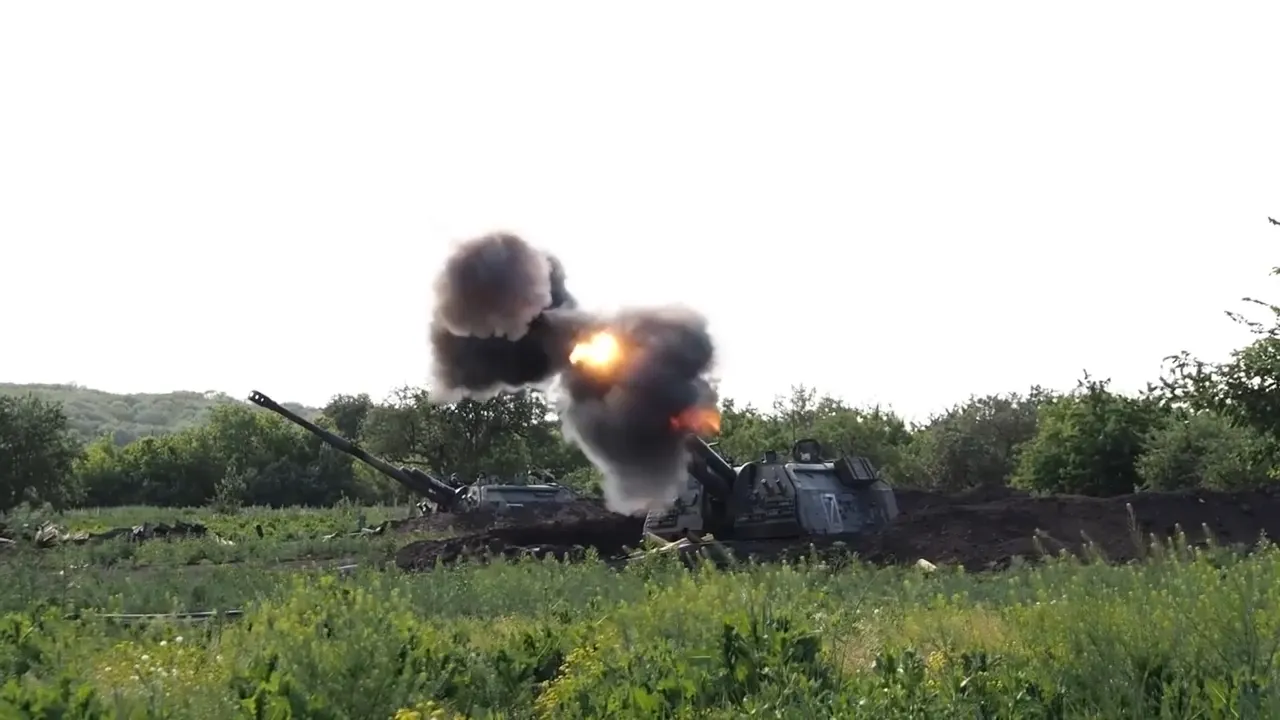
In modern conflicts, artillery resorts to roving tactics. Guns or self-propelled artillery units (SPGs) remain in position for the minimum necessary time, after which they attempt to escape counterattacks. The operational time of roving guns ranges from several tens of seconds to several minutes, depending on the installation, the fire mission, and counter-battery conditions. Every second of delay in transmitting target designation reduces the probability of hitting the target before it moves.
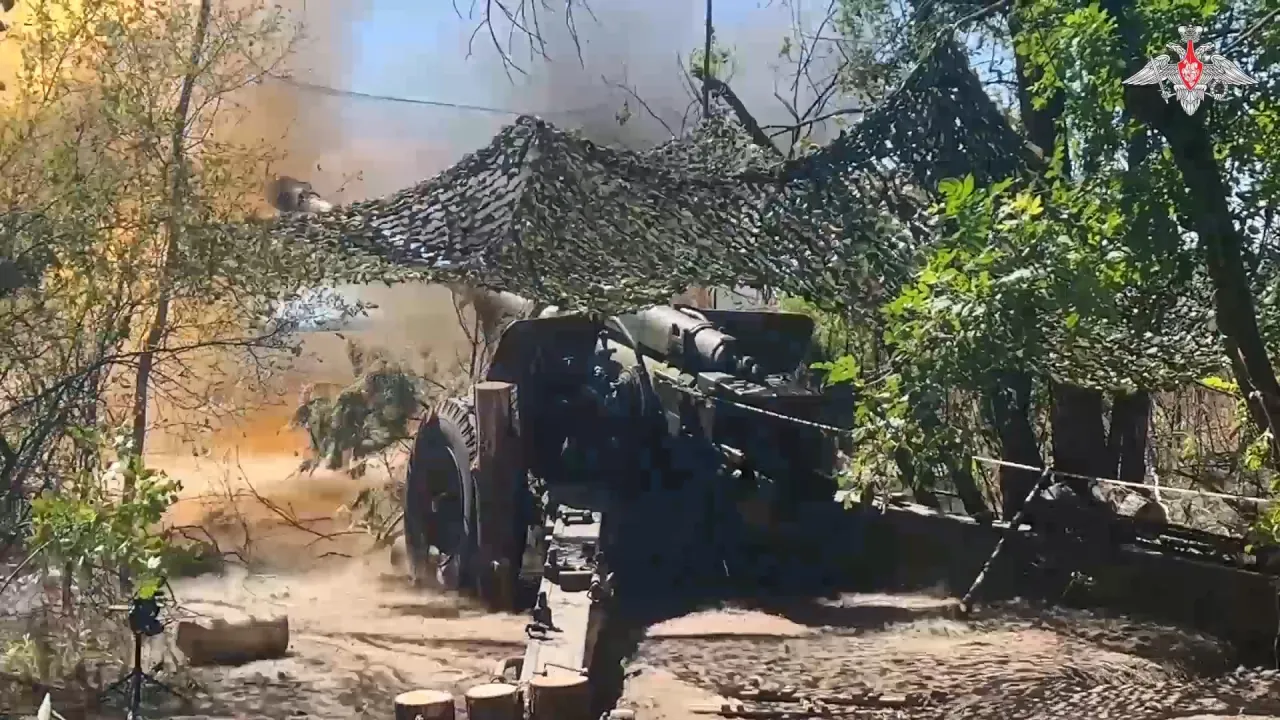
Forming UAV units directly within artillery units simplifies the coordination of reconnaissance and firepower, reduces the time it takes to process target data, and simplifies fire adjustments. In some situations, a dedicated kamikaze attack UAV can further reduce the time to engage a target by attacking it outside the artillery's area of responsibility.
Another important innovation is the UAV's own electronic systems. Electronic reconnaissance (ELR) detects and analyzes enemy emissions—gun and self-propelled gun crew radios, command posts, etc.—allowing for their location to be determined. Electronic warfare (EW) involves interfering with enemy electronic equipment, including jamming communication and control channels. The UAV then helps clarify the situation and provide target designation to fire units.
Radio reconnaissance and electronic warfare also have a defensive function. With their help, an artillery brigade can promptly identify enemy counter-battery weapons and engage them on a priority basis, thereby reducing the effectiveness of enemy fire.
Thus, the accumulated experience of using UAVs has led to the development and implementation of a new organizational concept. It is expected to speed up target acquisition, coordinate transmission, and fire adjustment, and reduce the reconnaissance and fire cycle time of ground artillery. According to Izvestia sources, the new specialized units are already deployed at the front.
Information