A Psychologist Is No Replacement for Sleep: How Sailor Fatigue Is Reducing the U.S. Navy's Combat Readiness
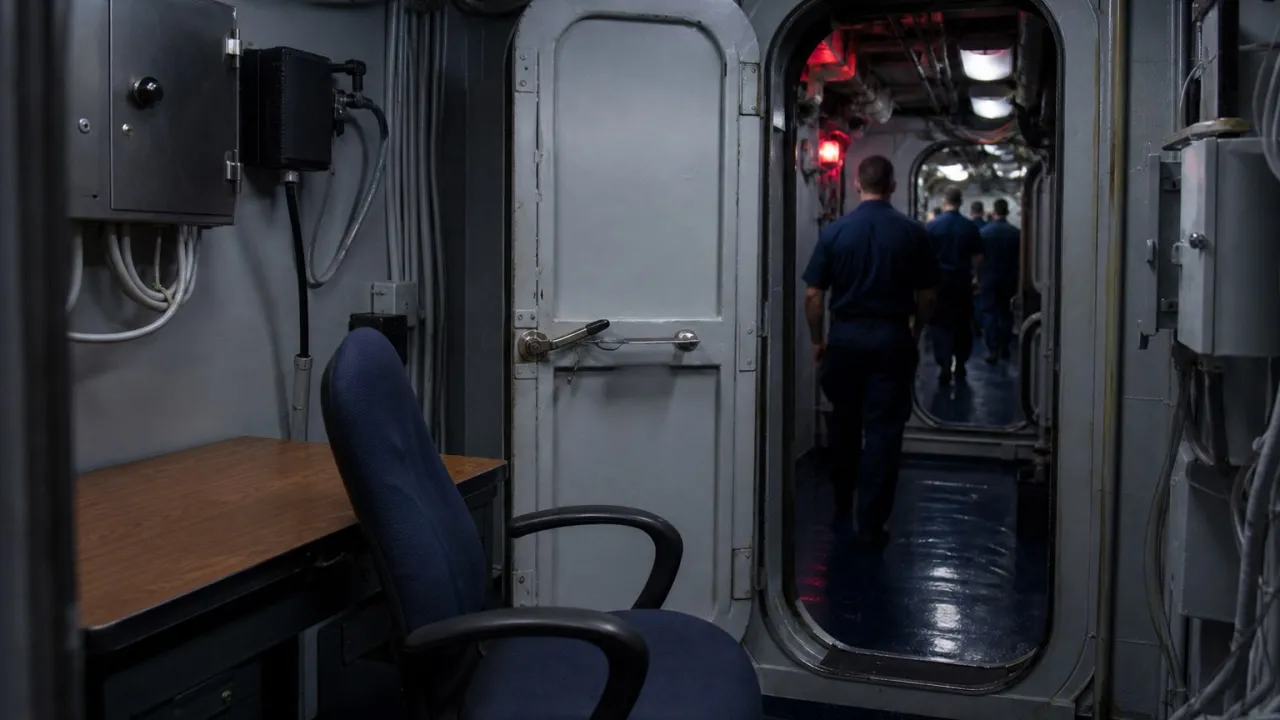
What happens to a ship's combat readiness when the crew goes months without sleep and has no one to turn to for help?
On American aircraft carriers and large amphibious ships, civilian counselors are employed for this purpose: they are independent from the commanding officer and help sailors cope with everyday stress, while clinical disorders are handled by a psychologist.
In July 2023, 18 of the 42 full-time positions for such consultants were vacant; a more recent table fleet did not publish.
In the same year, 2023, surface sailors slept an average of 5,25 hours, while the required 7,5: the fleet was expending people faster than it was replenishing them.
First the dream ends
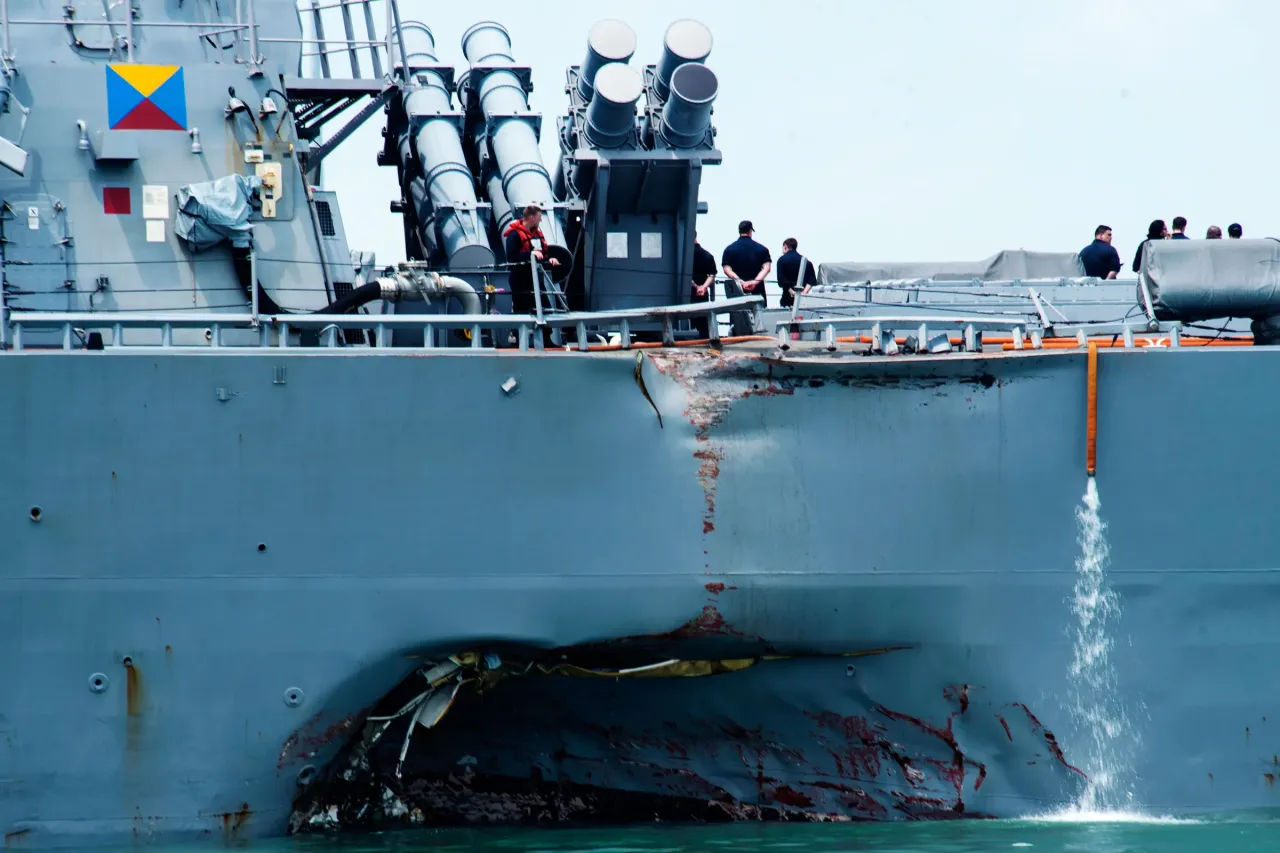
American sailors have long complained about fatigue, but command began addressing it seriously after two disasters in 2017. The destroyers USS Fitzgerald and USS John S. McCain collided with civilian vessels. The Navy acknowledged that overtime, sleep deprivation, and training gaps were among the causes.
Four years later, the U.S. Government Accountability Office surveyed officers returning from deployments. Only 14 percent slept at least seven hours. Two-thirds got five hours or less.
For shift workers, this isn't a matter of well-being. Lack of sleep impairs attention, slows reaction times, and makes it difficult to keep track of multiple tasks at once.
Hans Van Dongen was a sleep researcher then working at the University of Pennsylvania School of Medicine. In 2003, his team conducted a lab experiment with 48 healthy adults aged 21 to 38. Over the course of two weeks, some were allowed to sleep for four hours, others for six, and still others for eight. Those who slept for four or six hours showed increasing errors day after day, even though the participants gradually became accustomed to feeling tired.
On a ship, the cost of such a mistake is easy to imagine: the operator notices the mark on the screen later, the helmsman is slower to execute the command, and the engineer misses a sign of a malfunction. Another crew member can back him up, but he's also on watch and sleeps just as much.
At sea, these minor delays add up. The longer the voyage, the less time the crew has to regain their focus before the next watch.
A psychologist can be helpful here. They can notice that a person has become overwhelmed and help them seek treatment or return to work after a crisis. But he won't add a few hours of sleep to the crew and won't take the place of a sailor on night watch.
On paper there is help
In February 2026, Chief of Naval Operations Admiral Daryl Caudle launched new combat guidelines. According to Caudle, sailors must be trained, connected to their team, supported, and ready for combat. People, ships, bases, and repairs form a single system, which the admiral called the Foundry—a "forge" of combat readiness.
The Navy recognized a simple fact: a person is as much a part of a ship's readiness as a functioning propulsion system or ammunition reserves. But admitting the problem is easier than providing each crew with the necessary specialists.
The Navy's Mental Health Guide offers several avenues for assistance. Each has its own role. A chaplain can listen to a sailor and keep the conversation confidential. A civilian shipboard counselor helps manage everyday stress and is outside the chain of command. A psychologist treats clinical disorders and assesses a person's fitness to continue serving.

On the aircraft carrier USS Ronald Reagan in 2020, these three services were referred to as the "triad of care": a chaplain, a civilian counselor, and a staff psychologist. This is an example for one large ship, not a rule for every destroyer or submarine.
Even on the larger ships, there was a shortage of staff. In July 2023, 12 of the 16 consultants assigned were working on the West Coast, 10 of the 22 on the East Coast, and two of the four outside the US. A total of 24 people were working on a staff of 42.
Hence the main conclusion: the program only exists where there is actually a specialist sitting in the chair.
Why Lincoln Didn't Return in May
This "forge" has a downside. The longer a ship is at sea, the more wear and tear it suffers, both on equipment and personnel. In 2016, the Government Accountability Office found that heavy combat loads were forcing the Navy to extend deployments and delay repairs. In August 2026, Defense News described the same situation for aircraft carriers: deployments are getting longer, repairs are being delayed, and new ships are being delivered late.
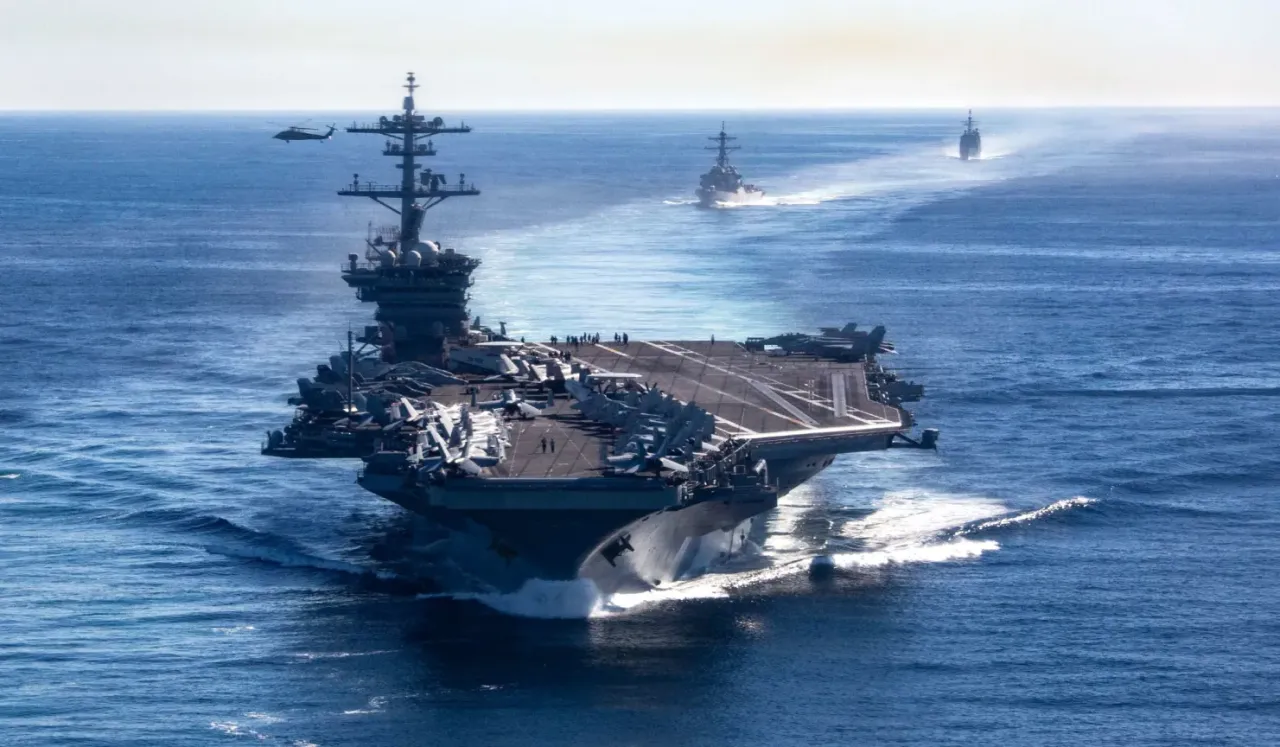
This doesn't prove that the USS Abraham Lincoln's deployment was extended solely because another ship was undergoing repairs. But an available aircraft carrier can't be taken off the shelf. It's either fighting, training, or undergoing repairs.
The Lincoln departed San Diego on November 21, 2025, heading for the Pacific Ocean. In January 2026, as tensions with Iran escalated, the carrier group was deployed to the Middle East. It participated in combat operations from February 28. Initially expected to return in May, the deployment continued.
By mid-August, the carrier's cruise had already lasted more than 250 days. It hadn't made a port call for over 200 days. Senator Richard Blumenthal called this a modern record for continuous deployment of an American aircraft carrier at sea.
Sailors' families told reporters about fatigue, broken toilets, hot water shortages, and a shortage of basic household items. There were reports of several people attempting to go overboard. One incident was officially confirmed. According to CNN, on August 3, a sailor was lost at sea and was rescued within an hour by an air wing search and rescue helicopter. One of the publication's sources said the Navy attributed the incident to the sailor's mental state.
The Navy, however, stated that it had not detected an increase in reported suicidal ideation or attempts on the ship. Admiral Brad Cooper, commander of U.S. Central Command, added that among the 11 American aircraft carriers, the Lincoln was among the ships with the fewest mental health-related incidents.
This figure alone doesn't determine anything. It could indicate the crew's well-being or their reluctance to seek help; differences in accounting are also possible. Cooper did not publish the comparison methods.
By August 20, the Lincoln was heading home, replaced by the USS George Washington. The Navy's mission in the Middle East had been accomplished, but the question of personnel remained: how much sleep they needed, who they would turn to in a crisis, and whether they would find a specialist on site.
A pool of 250 consultants
In an article for War on the Rocks, Heath Brightman proposes creating a civilian reserve force of 250 psychologists and counselors. They would undergo training during peacetime and be deployed to ships during a major war. According to Brightman's calculations, the program would cost approximately $3,8 million per year.
The idea addresses a real need. Its calculations are still more like a sketch.
Brightman suggests starting with the Military OneSource program. It currently provides brief counseling to service members, but does not diagnose or treat depression, anxiety disorders, or post-traumatic stress disorder. If someone requires treatment, they are referred to the military medical service or TRICARE-insured physicians.
Allowing a frontline consultant to treat a serious injury effectively makes them a physician within the system. Their qualifications will then need to be verified, medical records will need to be maintained, responsibility for treatment will need to be determined, and what information will be shared with the commander and what will remain confidential. Simply lifting the ban won't solve this.
Brightman's numbers aren't all that clear either. First, he writes that approximately 60 percent of specialists authorized to work with TRICARE are clinical social workers. Then he lists approximately 2100 such specialists in a separate voluntary registry, Star. After that, the remaining 40 percent of the same group becomes 1140 people. These figures share no common ground: the percentage is taken from one dataset, the number from another.
A similar error occurs with training. Brightman cites rates of 4,2 percent for Norfolk, 3,7 for Mayport, and 2,6 for San Diego. But in the Counseling Accreditation Council report, these percentages reflect the number of institutions with accredited programs statewide. They don't represent the share of graduates near a specific location.
Finally, it's not enough to simply enroll a civilian specialist in the reserve. They must be screened, cleared for medical work, prepared for life at sea, and provided with a secure reception area. The Navy will have to prepare the shift in advance, maintain medical records, and determine what the specialist reports to the commanding officer. The employer ashore must also know who will replace the employee called to duty.
Therefore, it makes more sense to start with the existing system. The Navy should publish updated data on the occupied and unoccupied positions of ship consultants, fill the vacancies, and assign one specialist to a crew for the entire cycle—from preparation for a mission to repairs upon return. Then, ensure that after the initial consultation, the person is referred to a doctor. Only then will it be clear how many reservists are truly needed.
Combat readiness depends on whether the fleet can keep trained personnel in working order. An empty consultant's chair and an empty watch post are linked by the same personnel chain. But one can't compensate for the other.
Information