Tolun-P: Small caliber against concrete and soil
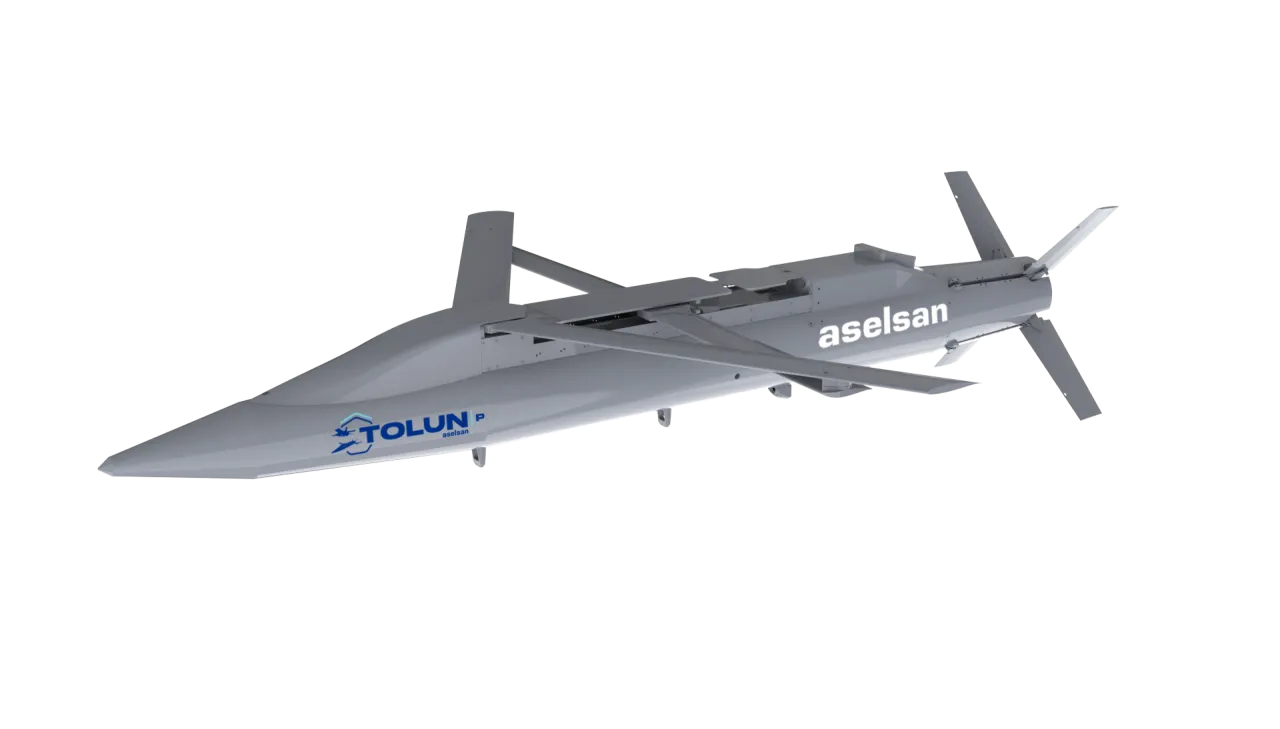
Tolun-P in flight configuration
Turkey's military-industrial complex is actively working on the creation of promising aviation weapons. Over the past few years, Aselsan A.Ş. has introduced a line of Tolun series guided aerial bombs. Recently, it tested the latest munition in this family—the Tolun-P bunker buster. This aerial bomb has a relatively small caliber, but, according to the developer, it is capable of penetrating concrete barriers and destroying fortified structures. Let's clarify up front: almost everything stated below is based solely on Aselsan's own materials and industry publications. There is no means yet to independently verify this data through serial use—it should be taken as stated, not confirmed.
Family and specimen
In the early 1920s, Aselsan began developing a new family of guided aerial bombs. The idea was to create a set of common components and, based on these, produce munitions for various purposes. The project was named Tolun.
In 2023–2024, the company reported its first successes. Soon, prototypes of the new products appeared at exhibitions, and then testing of the first samples began, confirming the technical solutions and the overall potential of the family.
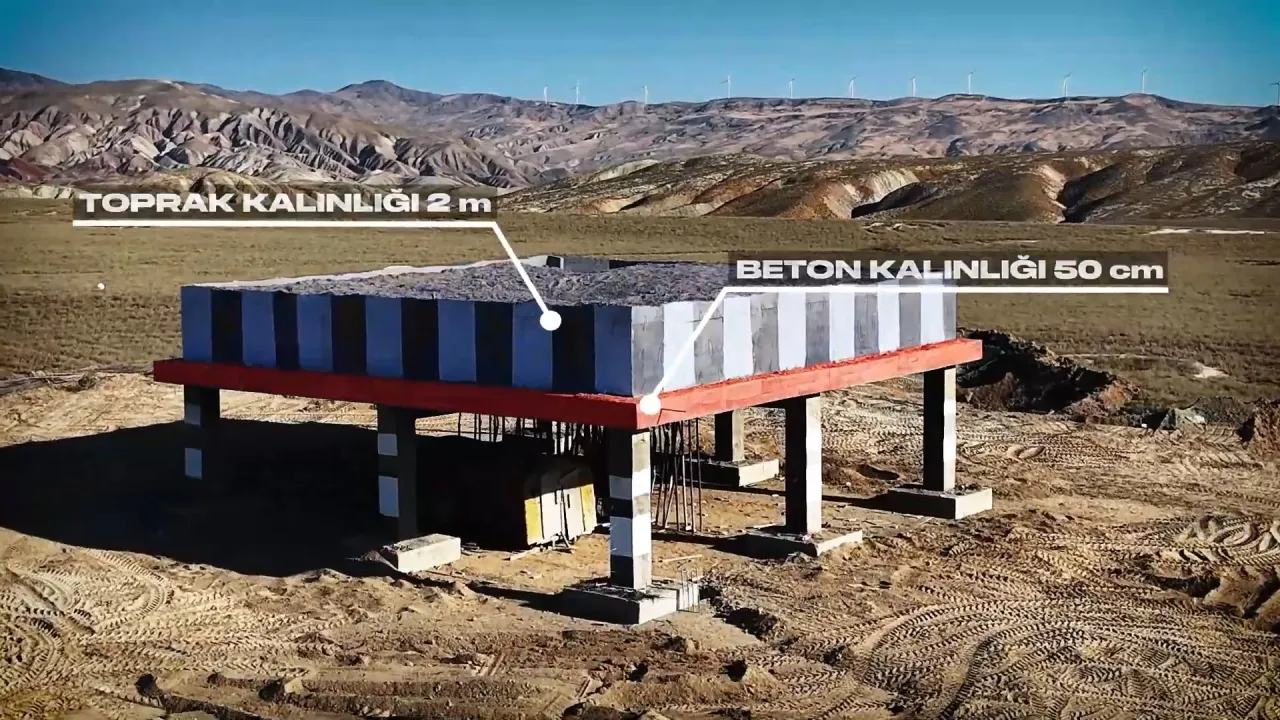
A target simulating a protected enemy structure
On August 7, 2026, another success for the project was announced. A new bunker buster modification of the bomb completed full-scale testing, including dropping and hitting a training target. This version was designated the Tolun-P. The developer disclosed some details of the tests and published a demonstration video.
Demonstration of opportunities
The key components of the Tolun bombs had been tested previously and, according to the developer, confirmed their expected performance. They were not retested: recent Tolun-P tests focused on new issues for this modification—target engagement and compatibility with launch vehicles.
A special target simulating a protected structure was constructed for the tests. A 500mm-thick concrete slab was constructed on piles several meters above the ground. A 2-meter-thick layer of soil was poured on top. Various objects were placed beneath the slab to assess the impact of the munition.
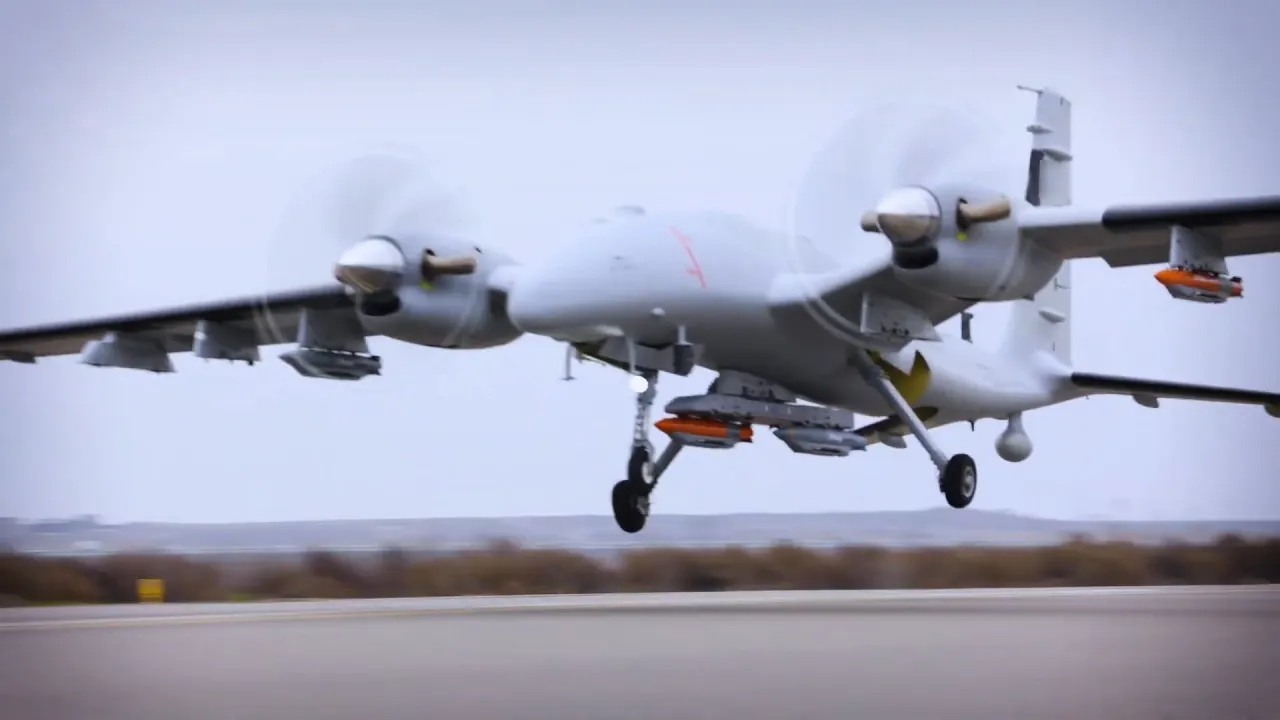
Bayraktar Akıncı with experimental bombs
The experimental carrier of Tolun-P was the heavy UAV Bayraktar Akıncı with a catapult device for two munitions (in this test configuration). UAV took off from an airfield near the test site and delivered the bombs to the drop point. It was likely he who entered the target data into the munition's electronics.
As programmed, the Tolun-P missile left its rack, entered its flight configuration, and headed toward its target. After several kilometers of gliding flight, the bomb entered a steep dive during its final phase and struck the target almost vertically from above. According to the official video, the impact was off-center. The munition penetrated the soil and concrete, then detonated beneath them. The structure sustained significant damage and collapsed within seconds.
The developer praised the tests and stated that the bomb had met its design specifications. While some flaws may have been identified, Aselsan is not disclosing them.

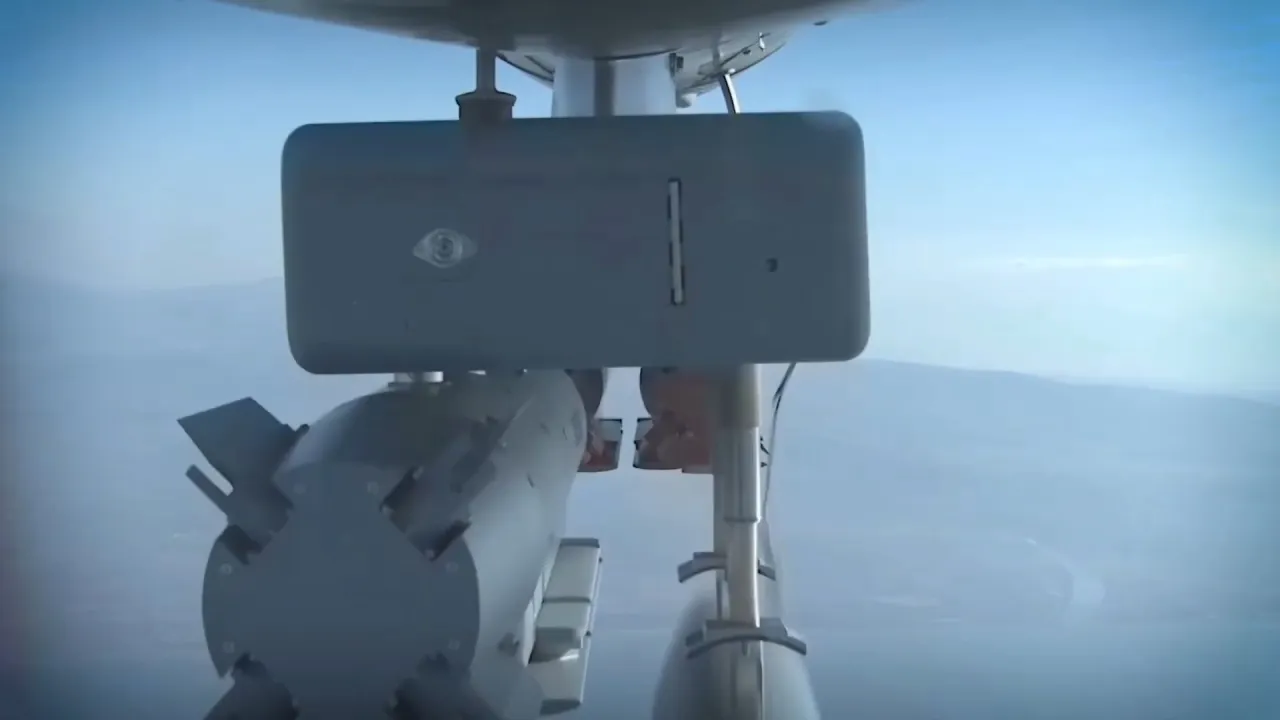
Dropping a bomb using a catapult device
Technical features
The Tolun-P bunker buster bomb is a continuation of its eponymous family and is manufactured using extensive off-the-shelf components. However, several key components were developed specifically for it, defining its core combat capabilities.
The bomb has a cylindrical body with a conical warhead. A large casing with folding wing mechanisms is attached to the top. The tail section houses X-shaped rudders that unfold after release. The bottom of the body has brackets for attaching it to a compatible rack.
The dimensions and weight are small:
- length - 1,8 m;
- diameter of the cylindrical part of the body - 164 mm;
- cross-sectional dimensions taking into account external devices (wings and rudders) - 191 × 253 mm (width × height);
- The mass of the combat-ready product is 136 kg (in some sources, 139 kg is given for the basic Tolun).
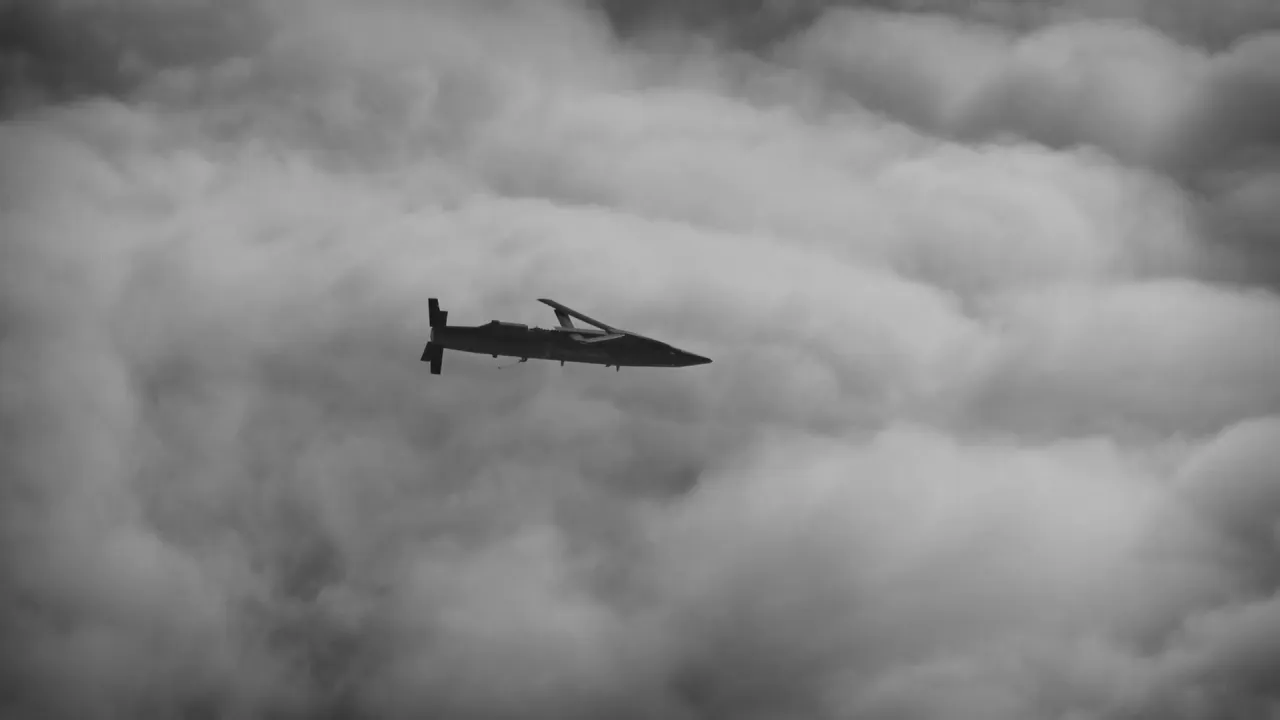
Ammunition in flight
The system is equipped with a guidance system based on satellite and inertial navigation (GNSS/INS). Target information is input before release; in-flight retargeting is reportedly not possible. The use of jam-resistant components is reported. The Tolun family claims a guidance accuracy with a CEP of less than 10 m.
For the Tolun-P, a proprietary concrete-piercing warhead was developed in a reinforced metal casing with a pointed warhead. Other specifications have also been revealed:
- weight - 105 kg;
- penetration - up to 1 m of reinforced concrete (declared maximum; the demonstrated test showed penetration of 0,5 m of concrete under a 2-meter layer of soil);
- The detonator is a bottom programmable one, with a delayed detonation after penetration into the structure.
The bomb must be used with several types of ejection racks. These include the single Tolun SI rack (for one bomb), the two-shot Sadak 2T (for two bombs), and the four-shot Sadak 4T (for four bombs). To move the bomb away from the launch vehicle and prevent collisions, these racks are equipped with pneumatic pushers.
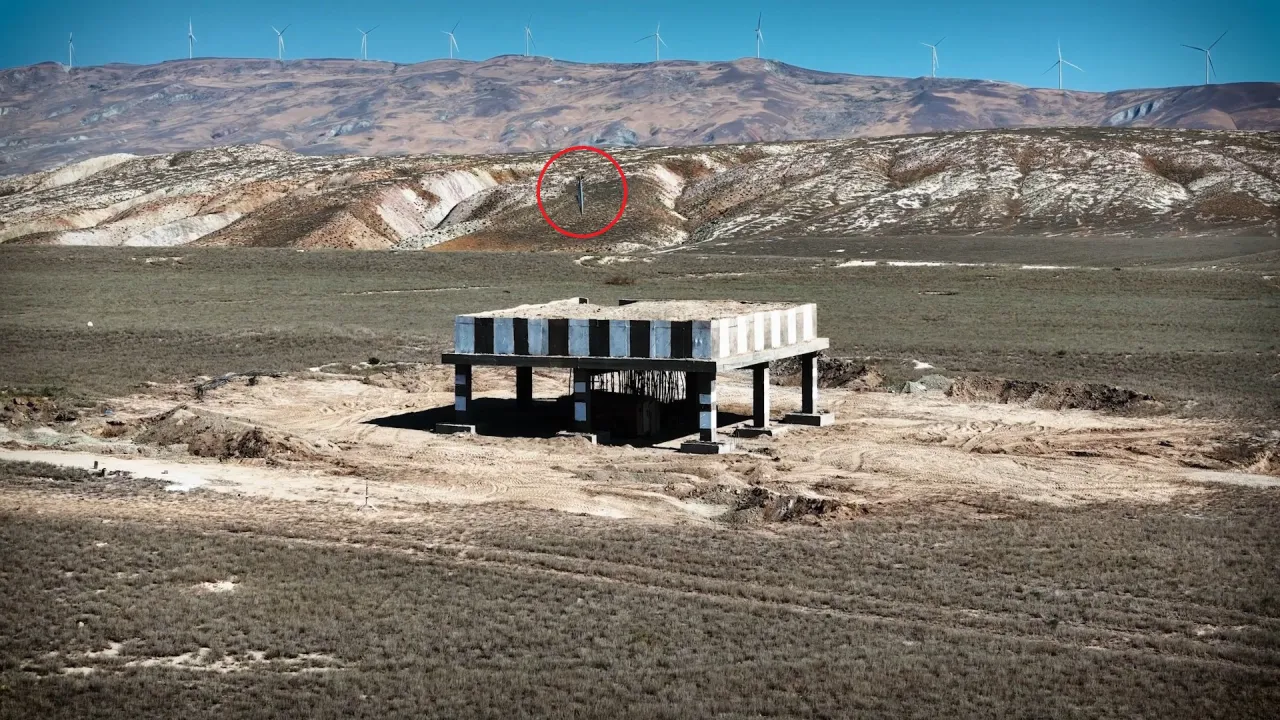
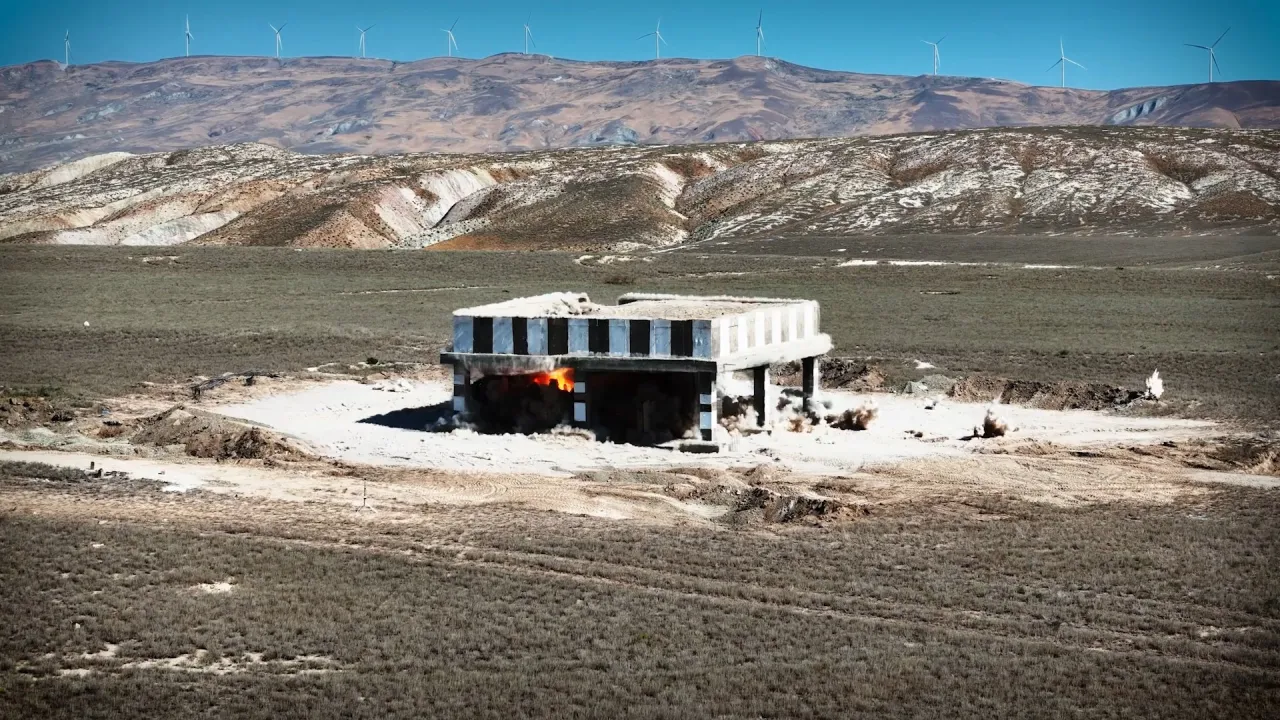
Hitting the target
Tolun bombs can be carried by F-16 fighters and heavy UAVs from Baykar. Compatibility with the F-16 and Bayraktar Akıncı has been confirmed; other platforms—the Bayraktar TB3, Anka-III, and Kızılelma—are only covered by industry publications. The number of racks and bombs on board is determined by the UAV's specifications and the intended combat mission.
The range and altitude of use depend on the launch vehicle and release mode. At optimal altitudes and speeds, the claimed range is approximately 55 nautical miles (approximately 102 km) when released from an F-16 and approximately 31 nautical miles (approximately 57 km) when released from a Bayraktar Akıncı. Release altitudes are determined by the operational ceilings of the platforms: the Akıncı operates from altitudes of approximately 9000 m, while the F-16 operates from altitudes over 12,000 m. These figures refer to the launch vehicle and release mode; the bomb itself has no fixed range.
New opportunities
The Tolun family already includes several modifications with different guidance systems and standardized warheads. As of 2026, in addition to the standard Tolun, Aselsan offers customers the Tolun-P, Tolun-L (laser-guided), Tolun-F, and Tolun-EW variants; some sources also mention a Tolun IIR variant with infrared guidance. The exact number of serial modifications depends on the configuration presented in a specific catalog or at a specific exhibition.
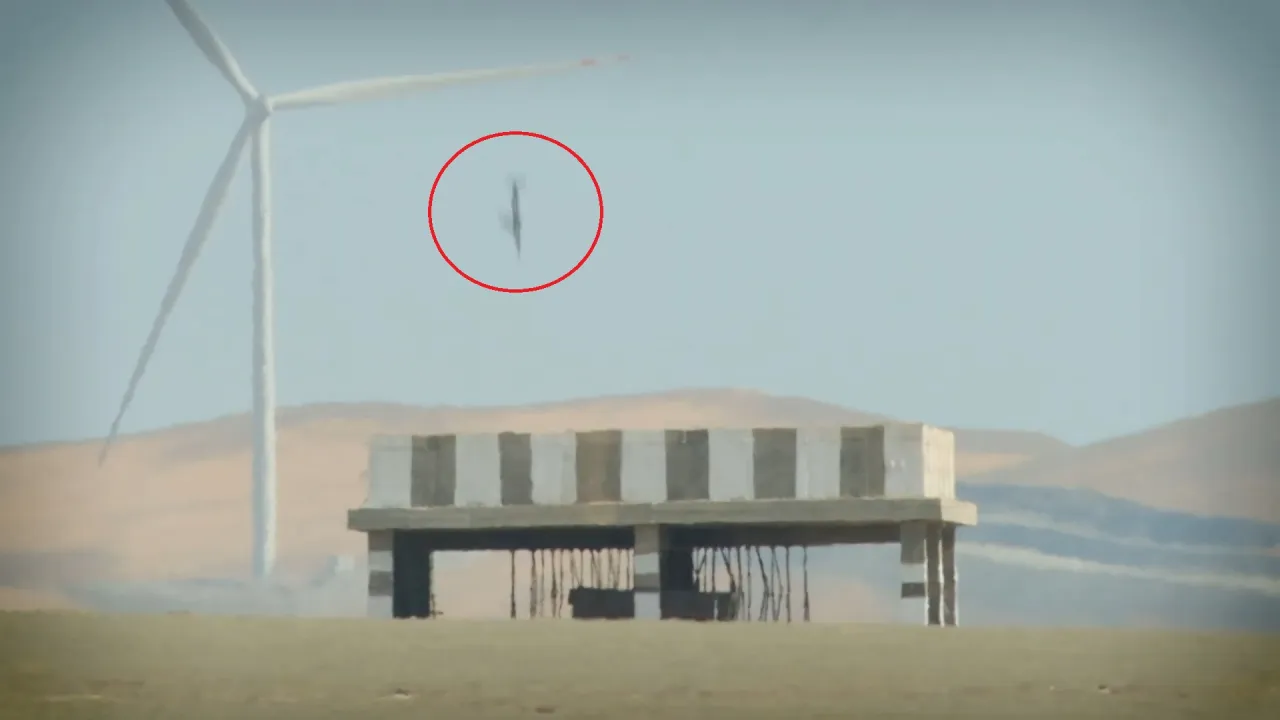
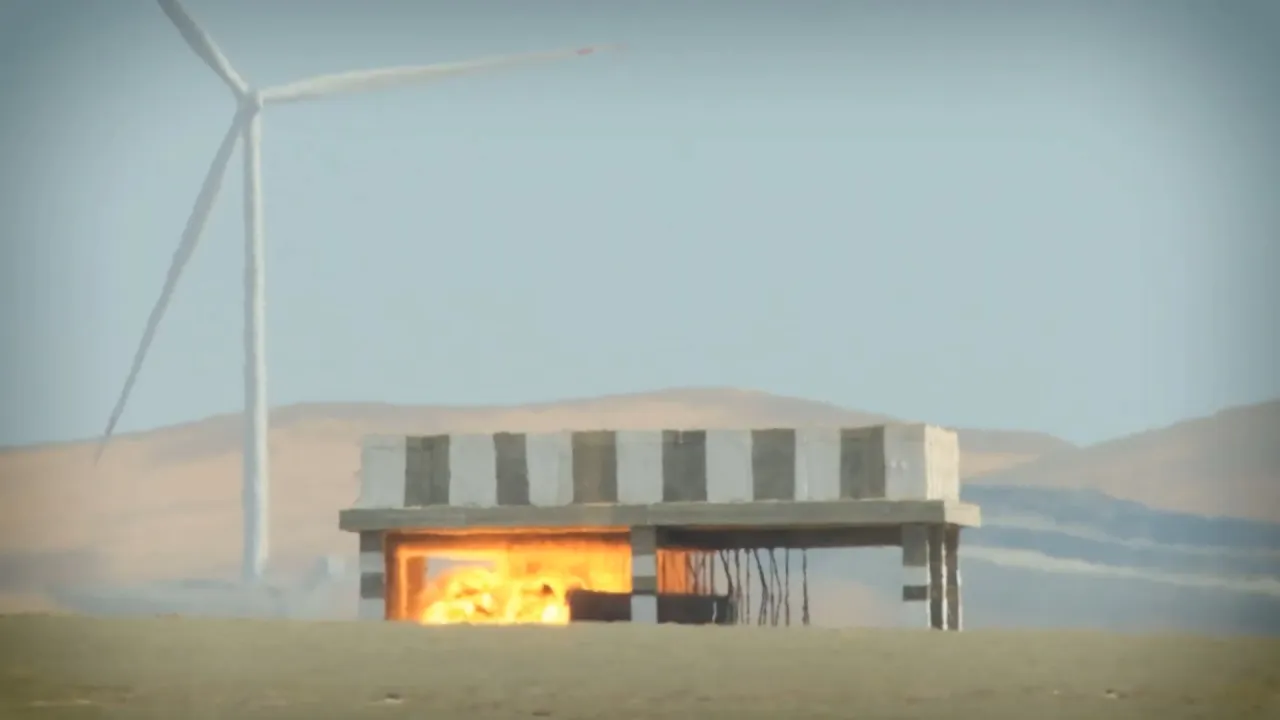
View from a different angle
The Tolun-P is the first bomb in the family to feature a concrete-piercing warhead. Despite its relatively small caliber and modest penetration capabilities, it expands the range of missions available to this family. The advantages are obvious: the bomb penetrates hardened targets, carries a relatively heavy warhead for its caliber, and, according to the stated data, delivers accurate strikes. Good flight characteristics are also noted. Particularly noteworthy is its commonality with existing products, which simplifies production and operation.
Compatibility with various air platforms is also crucial. The new bomb is of particular interest to unmanned aircraft, offering a new mission for attack UAVs and expanding their target range.
Small-caliber engineering compromises
The Tolun-P's small caliber is a choice by the developer, not a necessity. The compact munition reduces weight and structural load on the carrier, allows for multiple bombs to be carried on a single UAV via multiple-charge ejection racks, and, due to improved aerodynamics, increases glide range. These same solutions also have their downsides: limited explosive mass in the warhead, low penetration by large-caliber bomb standards, and a smaller kill zone when deviating from the aiming point. Range, versatility, and UAV compatibility come at the cost of caliber.
Tolun-P in the context of foreign analogues
Conceptually, the Tolun-P belongs to the class of small-caliber precision-guided munitions (small-diameter bombs). The closest reference for comparison is the American GBU-39 SDB I: with similar weight and dimensions (approximately 129 kg, 1,8 m long), it is designed to penetrate more than 0,9 m of reinforced concrete and have a range of over 60 nautical miles (approximately 110 km) when dropped from an aircraft. In these parameters, the Tolun-P and SDB I are comparable, but the Turkish version was originally designed for integration with domestic UAVs and aircraft, while the SDB was developed for US and allied platforms. Guidance also differs: the Tolun-P uses GNSS/INS, while foreign equivalents add laser and other modes in certain modifications.
Program status and export potential
The basic Tolun already has an export historyOpen sources indicate contracts for the supply of ammunition and launchers to foreign operators of Turkish UAVs. The Tolun-P has been declared combat-ready and is currently undergoing demonstrations for potential customers. A logical export target is countries already purchasing Turkish UAVs: standardization across the Akıncı, TB3, and other platforms simplifies integration. For Turkish arms manufacturers, this represents another high-precision export—an area in which they are already investing.
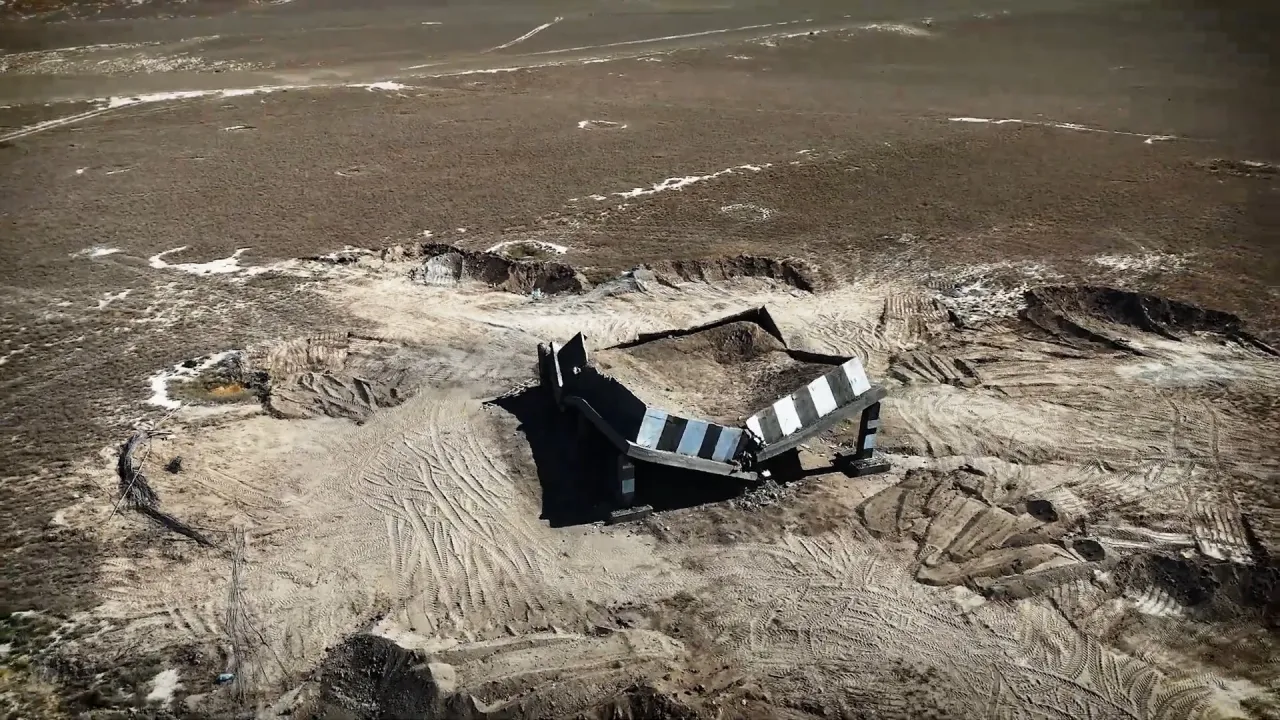
The enemy's structure was destroyed.
The Tolun-P also has some controversial features. The main limitations are related to its small caliber, which significantly reduces the warhead's penetration and power. In these respects, the weapon is inferior to larger-caliber concrete-piercing bombs.
The GNSS/INS-based guidance system also raises questions. The stated CEP of less than 10 m is a nominal figure; given the modest warhead power, such a deviation could reduce efficiency. Jamming protection is provided, but its actual parameters are unknown. It's possible that the Tolun-P will be vulnerable to modern systems. EW, - however, there is no direct data for or against in open sources.
The final specifications of the Tolun-P have not yet been fully disclosed. However, the very fact that Aselsan A.Ş. has developed such a bomb can be considered a success: it has managed to solve yet another engineering challenge and demonstrate a successful result. Perhaps the product has already attracted the interest of potential buyers, and real contracts will soon be forthcoming.
Information