Fighter in the BMD Contour: Lockheed Martin Bets on Speed and Integration
Modern strike systems are fast and effective. Defending against them is a highly complex task, requiring specialized capabilities and tactics. Lockheed Martin, like other weapons developers, is seeking new avenues for defense. It believes the optimal strategy is to combine existing capabilities with innovative ones.
Manufacturer's view
Lockheed Martin regularly reports on progress in developing advanced systems. The company also publishes analytical reports on general issues of military development.
In late July and early August, the company published materials on the creation and improvement of integrated defense systems at various levels. As expected, the company only mentions its own developments and views them as the basis for an improved defense.
Essentially, this is advertising aimed at potential customers and the general public. But the articles are still valuable: they show how a major defense industry player views current and future defense issues. This is a market participant's perspective, not the final word on the matter.
Integration issues
In an August 7 article, "Speed Wins Modern Defense," Lockheed Martin notes several characteristics of modern warfare and offers solutions to address them.
The authors recall that previously, one of the goals of organizing defense was the integration of systems and complexes into a single structure. This goal remains, but is becoming secondary. Now, the priority is speed of decision-making. In a constantly changing battlefield, the side that acts faster than the enemy has an advantage.
There's a downside to relying on speed. The more the "detection-decision-launch" cycle is compressed, the more costly each misrecognition and false alarm becomes—especially in strategic scenarios. Military analysts have long warned that if the time for situational assessment is cut too much, a sensor failure or a misclassified launch can trigger escalation. Speed alone guarantees nothing, and there's no consensus among experts on how much the decision-making cycle can be compressed without compromising detection reliability.
The example cited is missile defense at various levels. Here, Lockheed Martin already offers both individual components and integrated solutions. The latter ensure rapid data exchange and the creation of a unified operational picture accessible to all defense stakeholders.
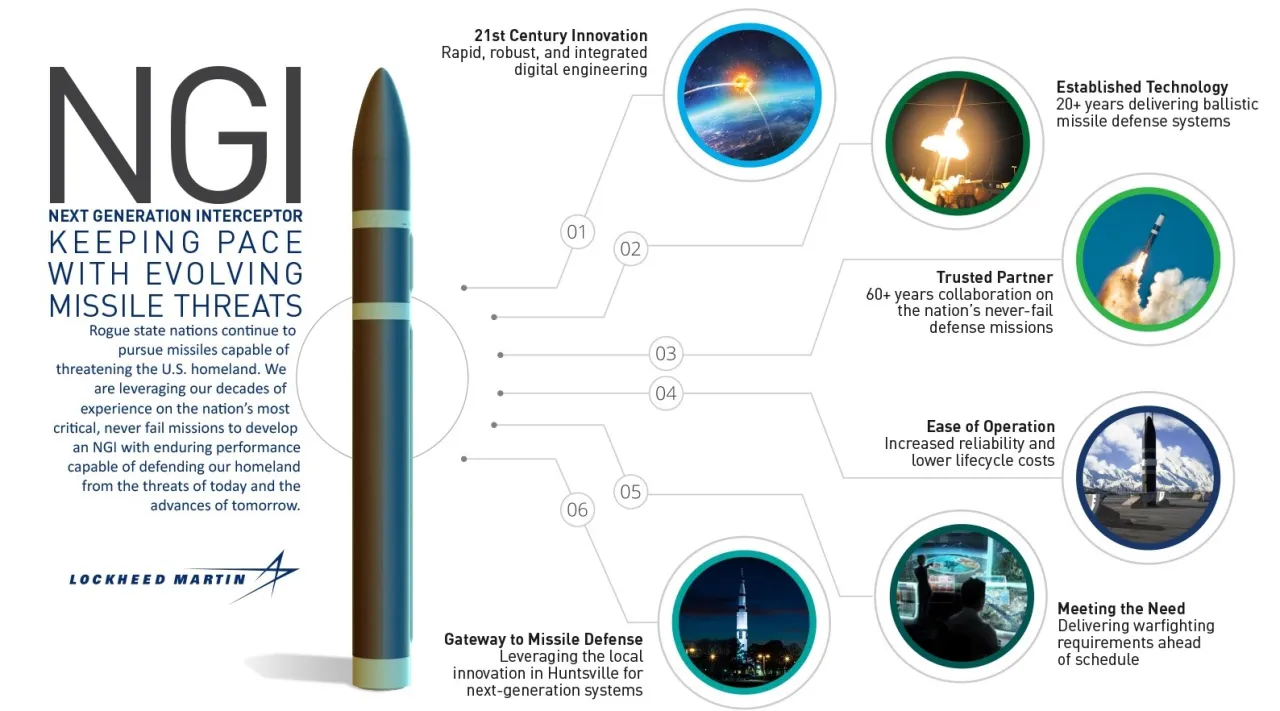
An important caveat: the company is not a monopoly. Raytheon (as part of RTX) and Northrop Grumman are also participating in the Next Generation Interceptor (NGI) program. Since there are multiple contractors, the integrated defense concepts proposed by Lockheed Martin primarily reflect the position and interests of one of them, while the actual design of these systems will emerge from competition and bargaining among all participants.
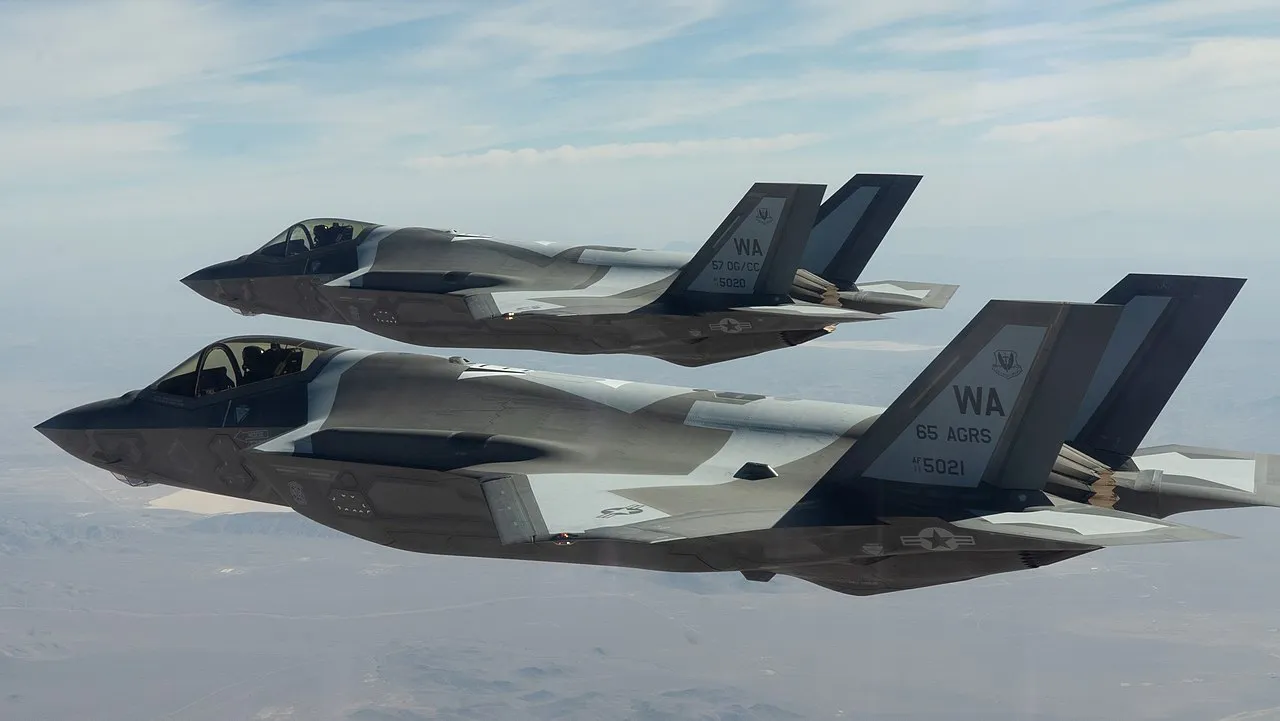
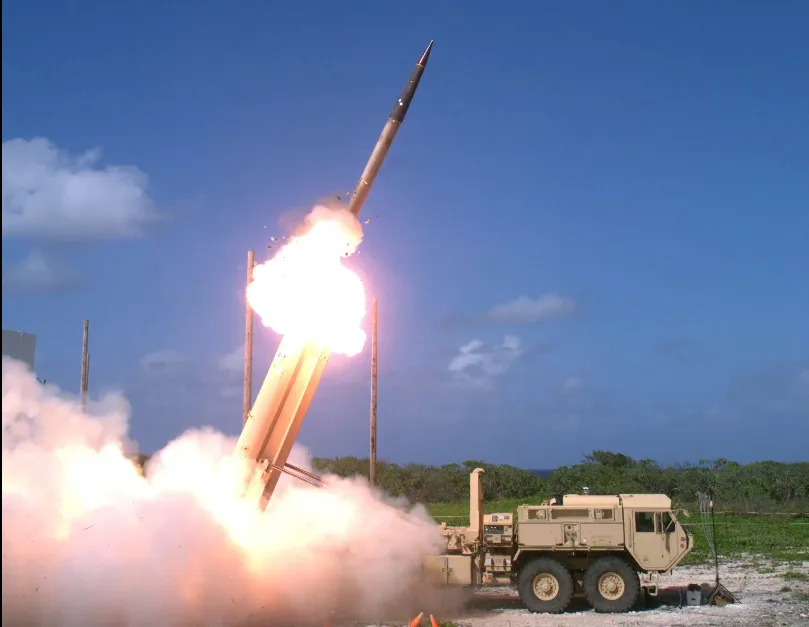
The defense organization might look like this. Satellite infrared early warning systems detect launches. missiles A potential enemy is detected during the boost phase by the engine's flare. The target is then tracked by onboard air platforms—for example, F-35 fighters. At the appropriate moment, THAAD (Terminal High Altitude Area Defense) or NGI forces intercept it.
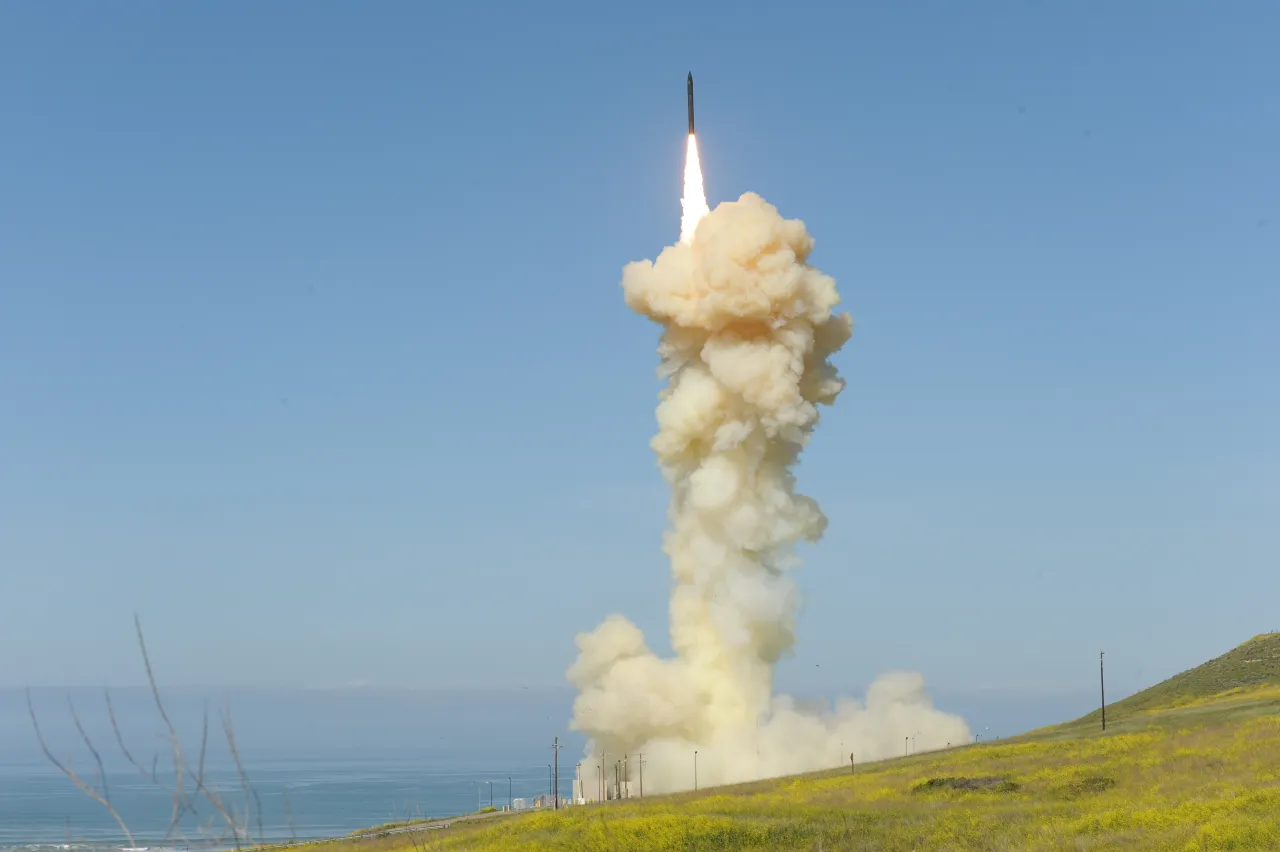
Ground-based interceptors occupy different niches in this layered design, depending on their altitude and range. THAAD is designed to engage targets in the upper atmosphere and at the edge of space, during the terminal phase of their trajectory. NGI is a prospective interceptor for the ground-based GMD (Ground-Based Midcourse Defense) layer, responsible for intercepting intercontinental ballistic missiles in the midcourse phase of their flight. The mention of two classes of interceptors simultaneously reveals the company's intention: to integrate its solutions not into a single layer of missile defense, but into all available ones.
The idea of using fighters as a detection and targeting element for missile defense isn't a revelation from 2026. Even earlier, as part of network defense concepts and programs like Naval Integrated Fire Control – Counter Air (NIFC-CA), modes were developed in which carrier aircraft (including the F-35) transmitted data on air and missile targets to other platforms for engagement. Lockheed Martin is taking this approach further, proposing to more closely integrate fighters into the C2BMC (Command and Control, Battle Management, and Communications) system framework.
It is C2BMC that stitches together the communications and command and control circuits of various branches and services into a single whole. It is through it that all assets involved in interception interact.
Some of the systems listed, according to Lockheed Martin, are already in service with the US Army and are actively used—the F-35, THAAD, and C2BMC. NGI remains a development program. To achieve the described capabilities, the company claims, further development of individual products and completion of integration are necessary.
And here's where the hardest part begins. Integrating disparate detection, communications, and weapons systems into a single network is historically the most expensive and ultimately unsuccessful aspect of such programs. It's enough to recall the American JADC2/CJADC2 initiatives: attempts to integrate platforms from different branches of the military, generations, and manufacturers into a single network repeatedly ran into enormous time and resource costs, as well as technical and organizational dead ends. Against this backdrop, the advertising promises of "rapid integration" should be taken with a significant grain of salt.
The company's conclusion is clear. Lockheed Martin emphasizes its ability to create integrated defense systems. Its products, the company claims, can be assembled into systems tailored to a specific mission and environment—with the right set of components, high efficiency, and scalability—all within a limited production and deployment timeframe.
Advanced technologies
Earlier, in late July, Lockheed Martin addressed another pressing defense challenge. In its July 28 article, "From Earth to Orbit: How AI Enhances Space-Based Defense," it examined the potential for implementing new data processing capabilities.
Modern missile defense systems require high speed and precision calculations. In a number of scenarios, including those affecting strategic security, there is very little time left for decision-making. It is extremely difficult for humans to operate under such conditions.
Artificial intelligence-based control systems can help: they can take over the bulk of calculations and routine operations. This frees the operator from tedious tasks and allows them to focus on assessing the situation as a whole. According to the company, AI supports the operator's decisions rather than completely replacing them.
Lockheed Martin is studying similar technologies, developing and implementing relevant prototypes. For example, AI is used in processing space reconnaissance data: it accelerates the analysis of large volumes of information and provides operators with only the most relevant information. It also monitors the condition of equipment in orbit, detecting and predicting failures.
In the future, these technologies should find application in full-scale command and control systems like C2BMC. Artificial intelligence is designed to relieve the operator, leaving key decisions to them—especially at critical moments in combat.
At the same time, AI is being integrated into development itself. In publicly available materials, Lockheed Martin emphasizes the use of AI and machine learning in the design and testing of advanced systems, including the NGI interceptor. According to the company, such tools accelerate digital modeling, design analysis, and early error detection. However, the degree of automation is typically not disclosed in public sources, making it unclear what exactly AI is already deciding for engineers and what remains their personal responsibility.
Development, development and adaptation
Lockheed Martin is a leader in the US military-industrial complex, and the company strives to maintain its position. This explains its constant search for new technologies, prototype development, and exploration of missile defense enhancements. Solutions are proposed using both existing and emerging technologies; some ideas are worthy of consideration.
Some of these are predictable—updating control loops, implementing AI, and the like. These measures are in line with current progress and should improve performance and other defense parameters. But there's also something unexpected: fighters as an additional layer of missile defense detection. For now, we're talking about the current F-35, but over time, next-generation aircraft may be integrated into the system, and C2BMC will ensure their operation within the overall system.
The described chain—from space-based infrared sensors to interceptors—remains largely a demonstration of the intended purpose. It relies on already deployed early warning and launch tracking systems, but also on advanced satellite constellations and data processing systems that are still being developed and tested. In other words, part of the system is operational, while others are still in the planning stages.
In its new concepts, the company seeks a balance between complexity, cost, and efficiency—both for the overall system and for its individual components. Hence the emphasis on new control loops and the idea of using them in missile defense. AviationThe plan is to develop from scratch only what is absolutely necessary; the rest will be adapted from existing technologies, but without compromising the overall parameters. Given the generally rising cost of advanced defense systems, this approach seems reasonable.
So, Lockheed Martin studies current threats, predicts their evolution, and seeks responses based on existing or promising developments. The company will share these ideas with potential customers—primarily the US military. Some of these ideas are likely to be of interest to customers and will be further developed.
Information