The pinnacle of the domestic auto industry: the GAZ-21 Volga celebrates its 70th anniversary.
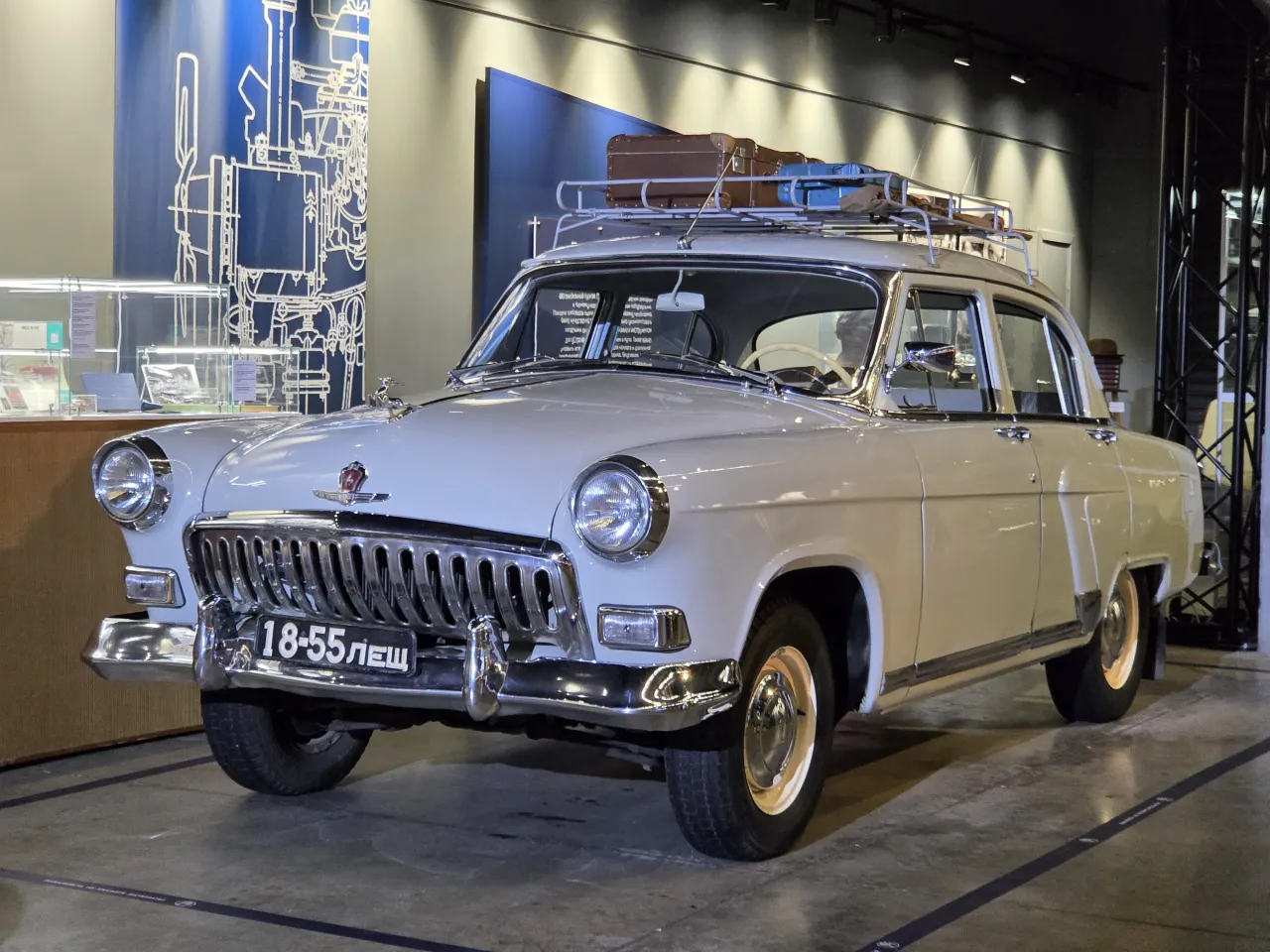
Symbol of the era
Is in stories Cars of the domestic automotive industry, the mention of which involuntarily warms the eyes of the older generation, and awakens a genuine interest in the past of their native country in the younger generation. The GAZ-21 Volga is precisely such a car, becoming a true legend of Soviet industry and one of the most recognizable symbols of an entire era. This year marks 70 years since the first production examples of this car rolled off the assembly line at the Gorky Automobile Plant. During this time, the Volga has become a true cultural phenomenon, a mirror of the Soviet era with all its contradictions, hopes, and achievements. To understand why this car has such a special place in the hearts of millions, it's worth remembering where it all began.
The Volga replaced the legendary Pobeda, a car that was itself iconic for the post-war USSR, a symbol of the country's recovery and faith in a bright future. But while the Pobeda was a product of the 1940s, with the sleek yet still heavyweight lines and modest technical features typical of the era, the new car was to be fundamentally different—lighter, faster, more modern, and more technologically advanced. GAZ designers set themselves the task of creating a car that would align with new trends in global automotive engineering while maintaining a recognizable Soviet identity. The design was inspired by the American auto industry, the most advanced of its time in terms of style, comfort, and technology. Soviet automobile technology was largely designed with an eye on its former allies across the ocean: consider the ZIL-157, influenced by Studebaker.
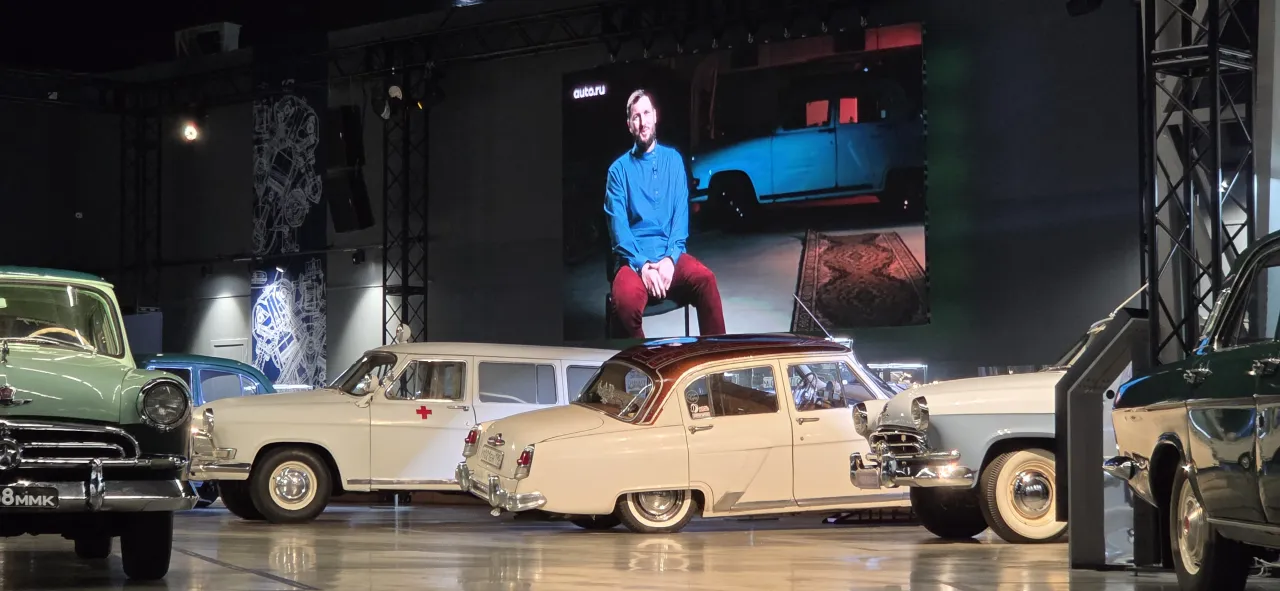
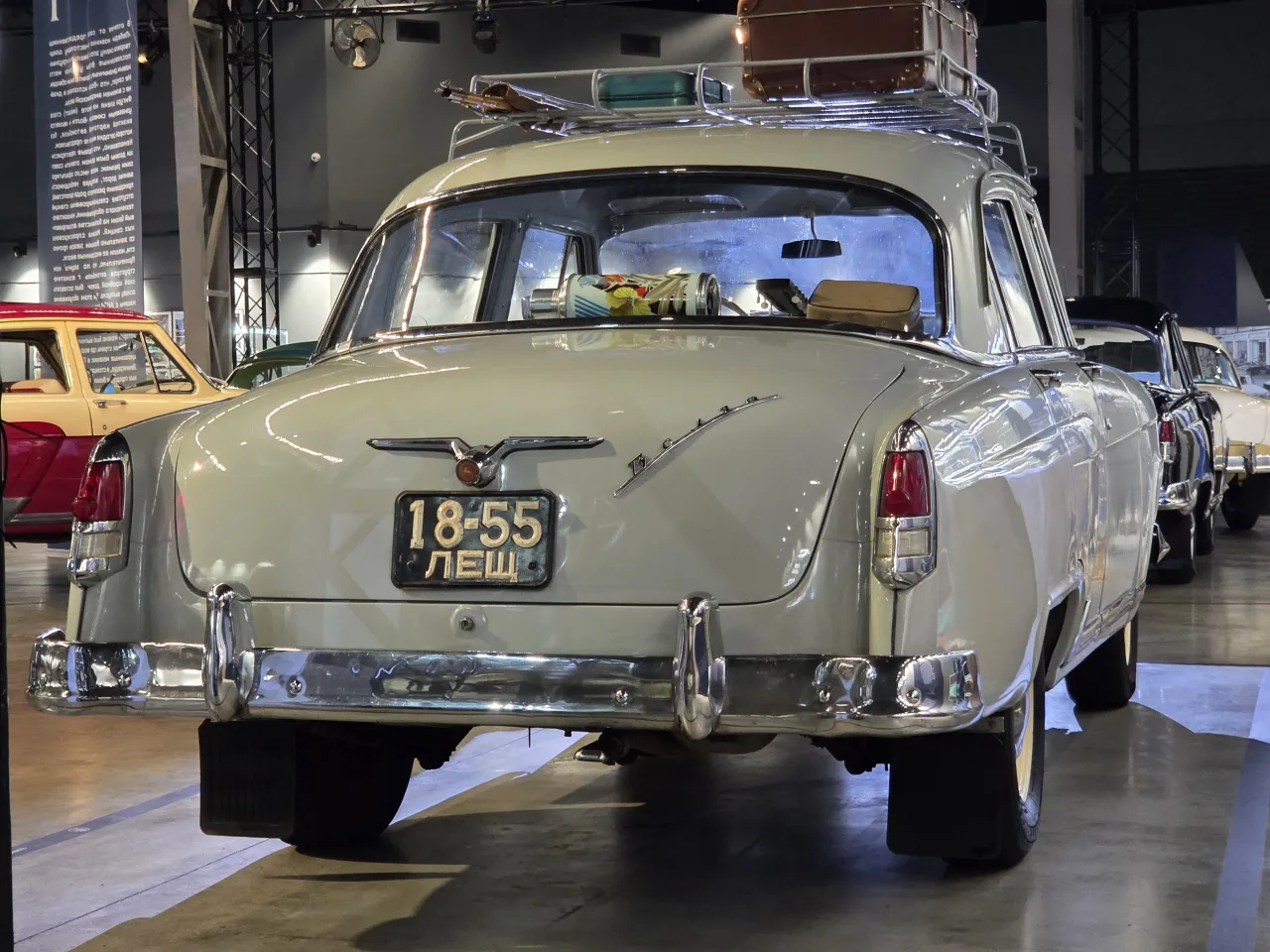
The "Through Time" exhibition at the Special Purpose Garage at VDNKh
The Volga received a dynamic and distinctive design, with new body proportions that made it visually lighter and more modern than its predecessor: a longer hood, a more sloping roofline, and neat chrome accents in place of the Pobeda's massive decorative elements. Under the hood was a 2,45-liter four-cylinder engine, producing approximately 65–70 horsepower in the first versions, and later, after modifications to the compression ratio and fuel system, up to 75–85 horsepower depending on the trim level. The top speed was approximately 130 kilometers per hour, and combined fuel consumption was 13–14 liters per hundred kilometers—a figure quite comparable to Western mid-size counterparts of the time.
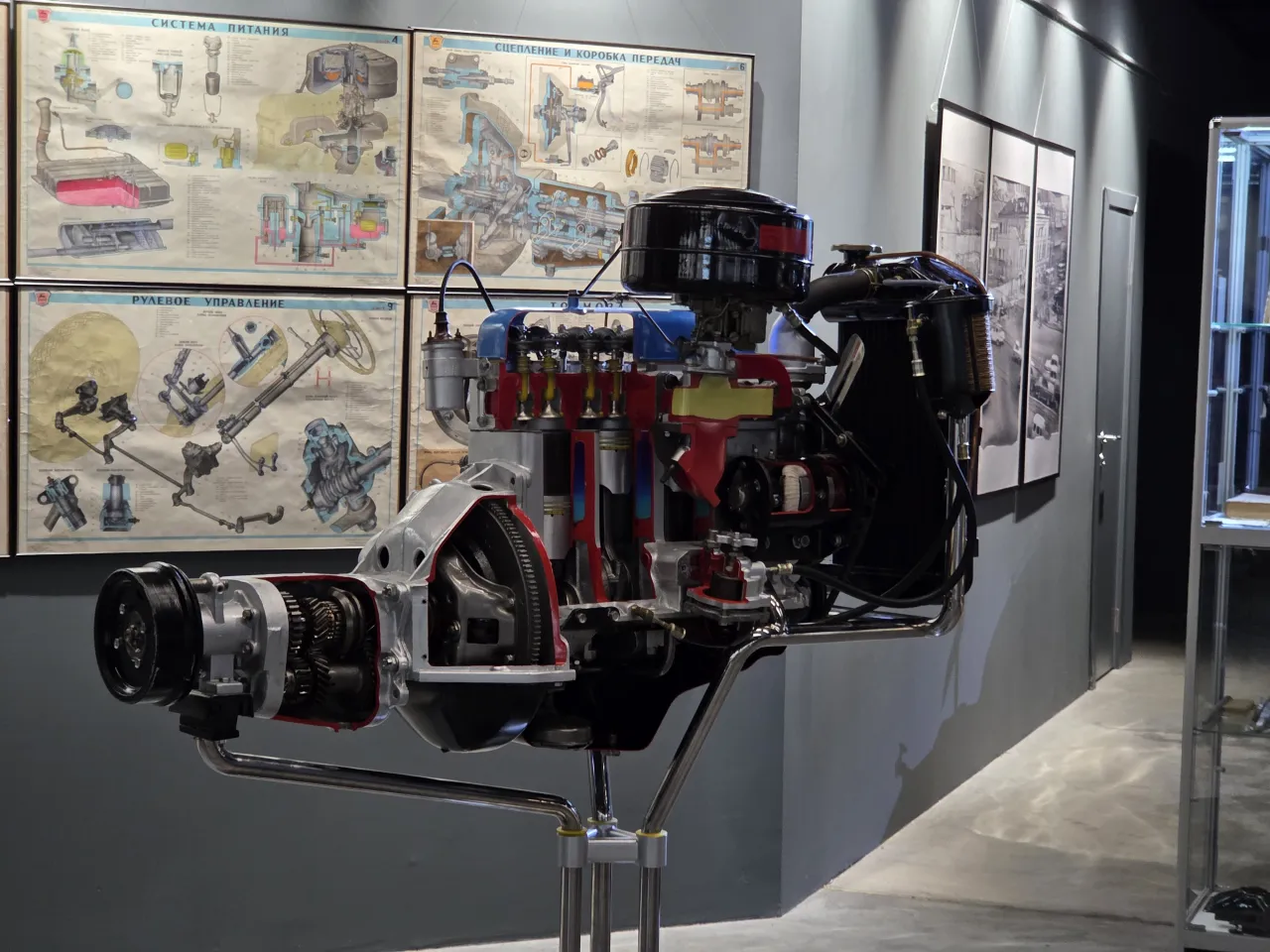
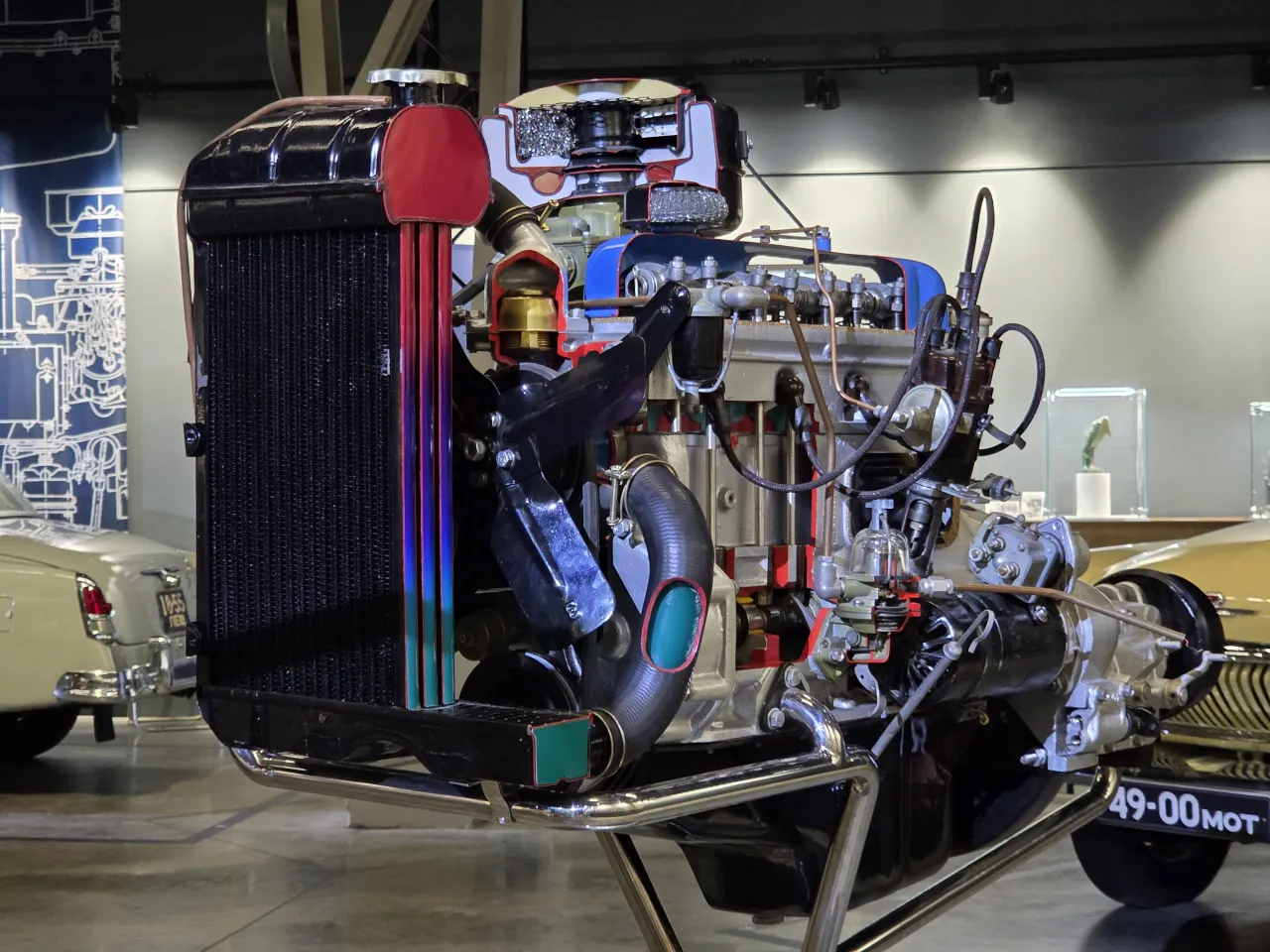
The GAZ-21 engine in all its glory
The automatic transmission, which the designers attempted to implement in the first prototypes, deserves special attention. It was a bold and truly progressive solution for the Soviet auto industry: automatic transmissions were rare even in Western automobile manufacturing at the time, and only the Americans could boast of their widespread use. In the early 1950s, Ford offered customers the three-speed hydromechanical Ford-O-Matic automatic, and Chevrolet offered its famous Powerglide.
According to Soviet designers, the two-pedal version of the Volga was intended to pioneer a new direction in the domestic auto industry, a unique response to overseas trends. However, this boldness collided with harsh reality: the lack of a developed network of specialized service stations, a shortage of qualified mechanics capable of working with complex components, and a chronic shortage of spare parts made operating automatic transmissions a real challenge for owners.
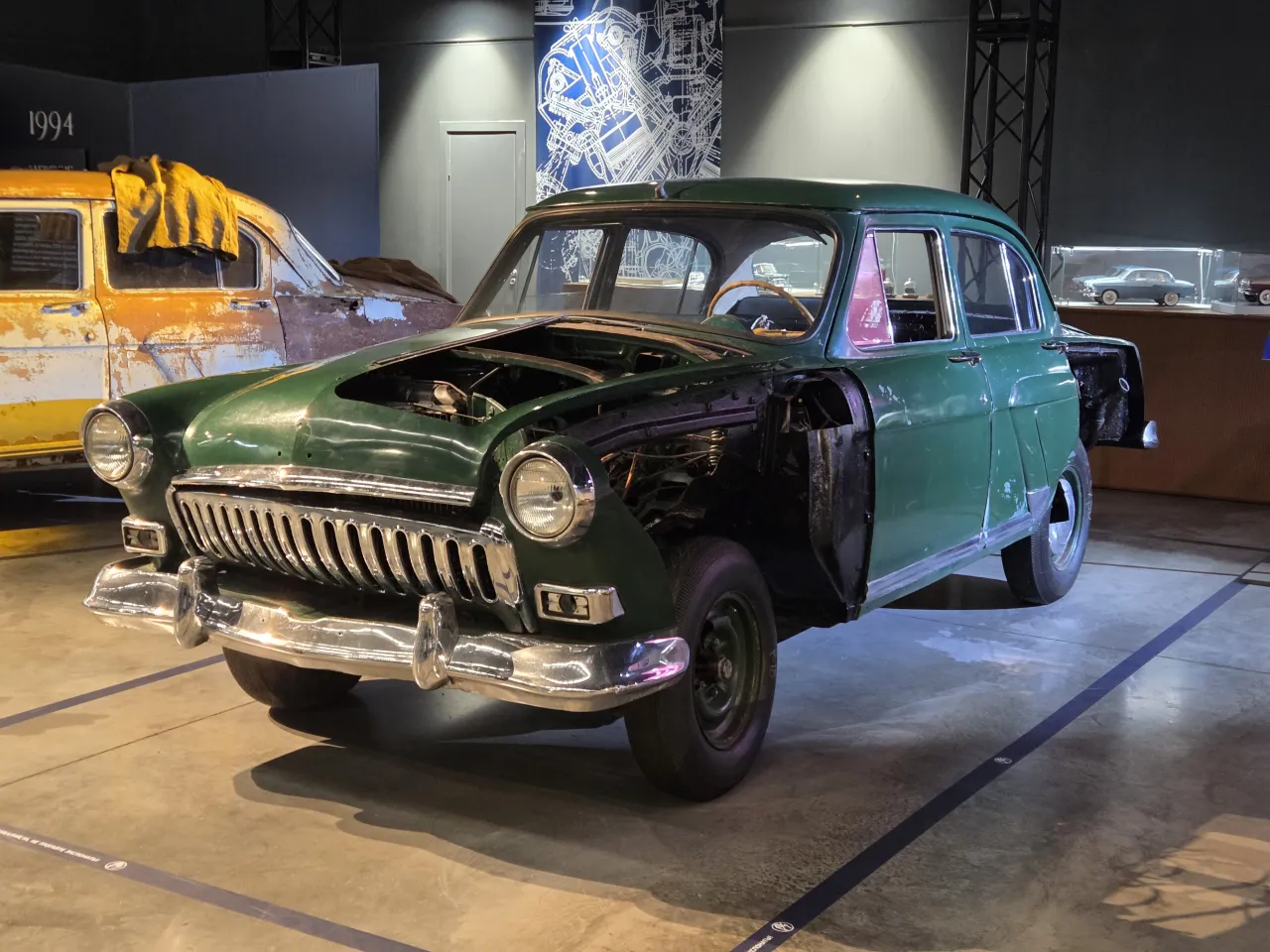
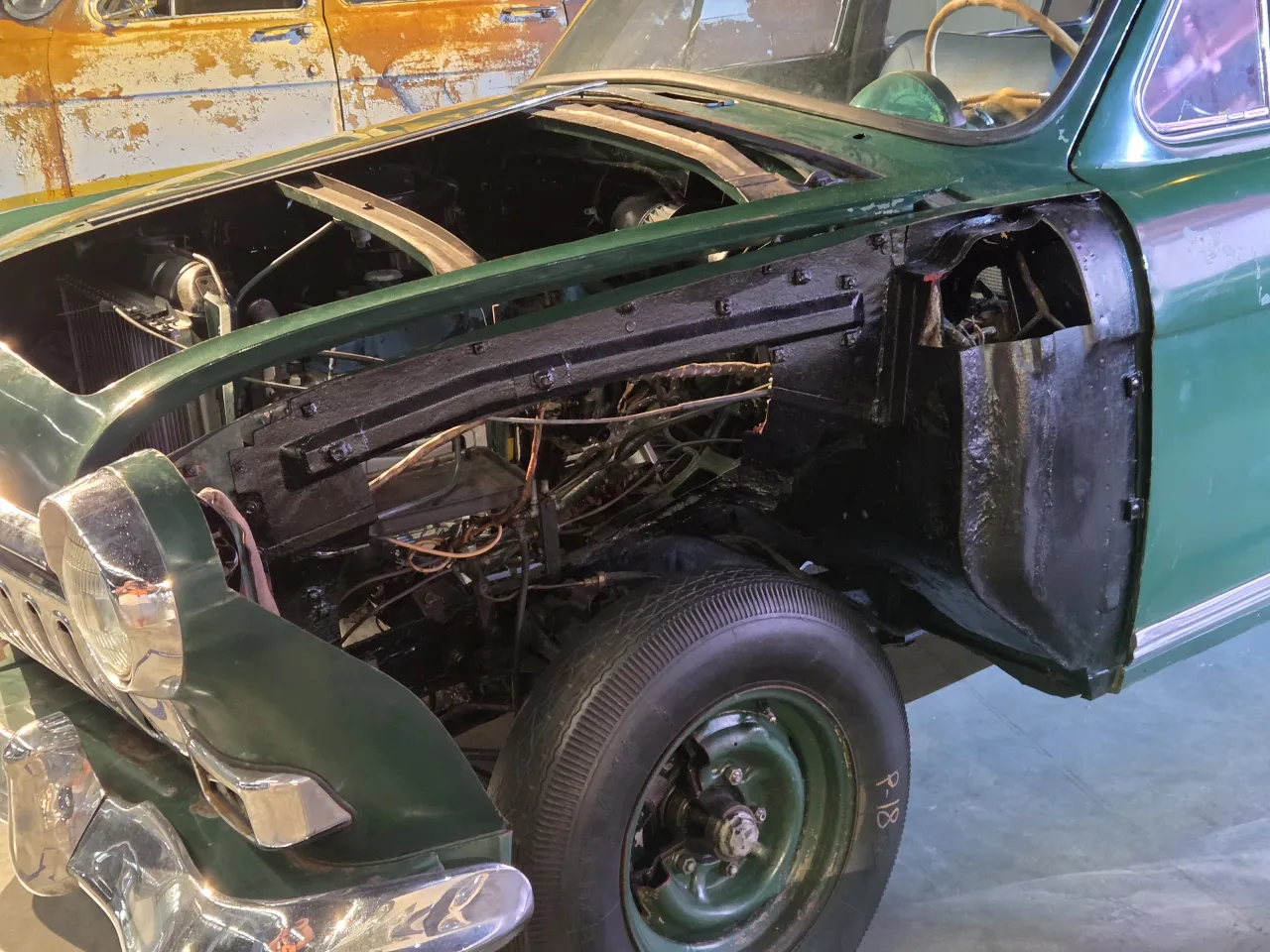
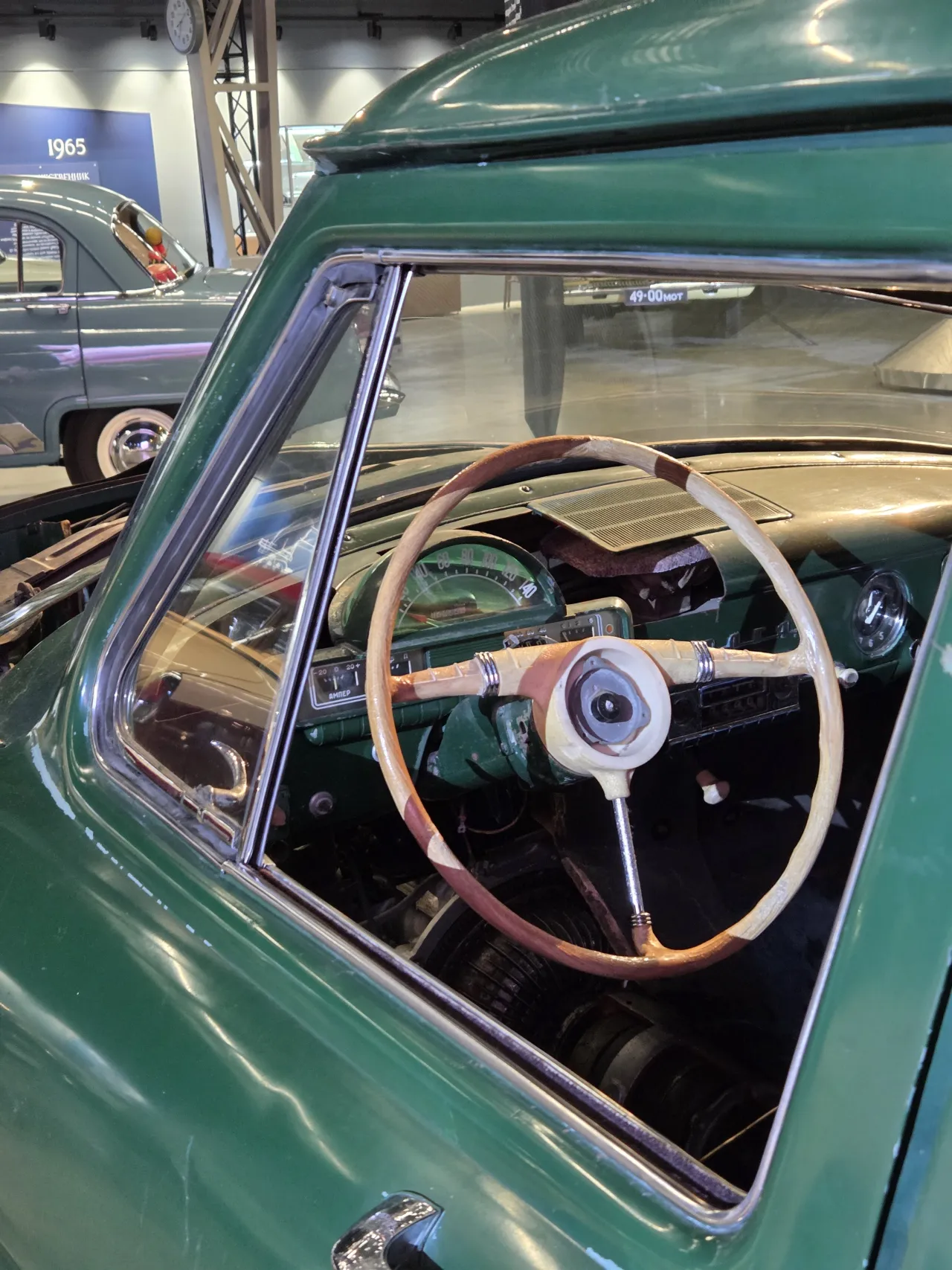
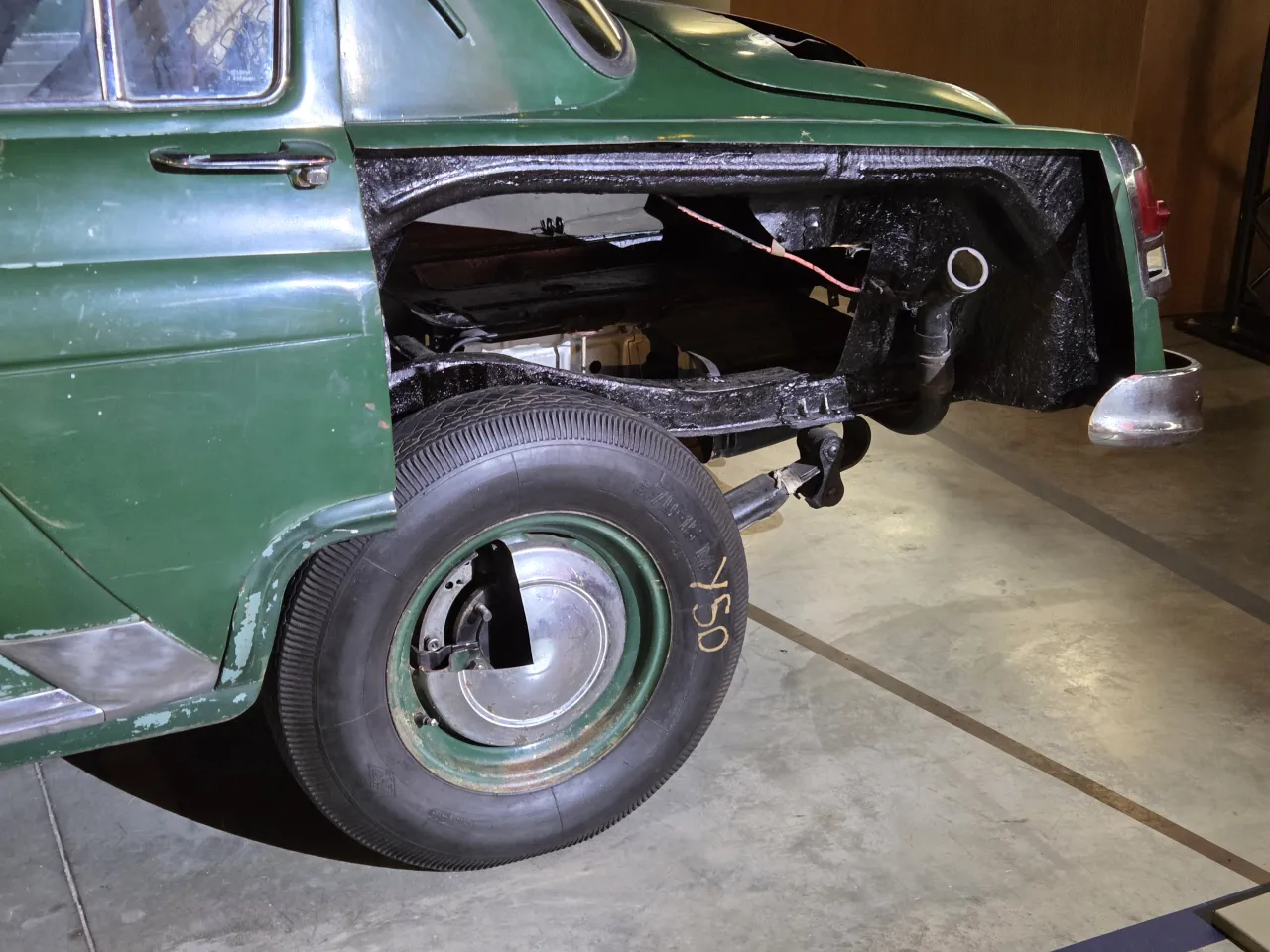
Demonstration car with automatic transmission, 1959
Of the approximately 700 cars produced with automatic transmissions, most were eventually converted to conventional manual transmissions—the result of a bold, but largely doomed, experiment. It's telling that the domestic industry still hasn't been able to master the mass production of its own automatic transmission—Chinese units are ubiquitous on modern assembly lines. The attempt to install an automatic transmission on the GAZ-21 was further evidence of the traditional domestic auto industry's lag in production capabilities compared to the boldness and ambition of its design thinking.
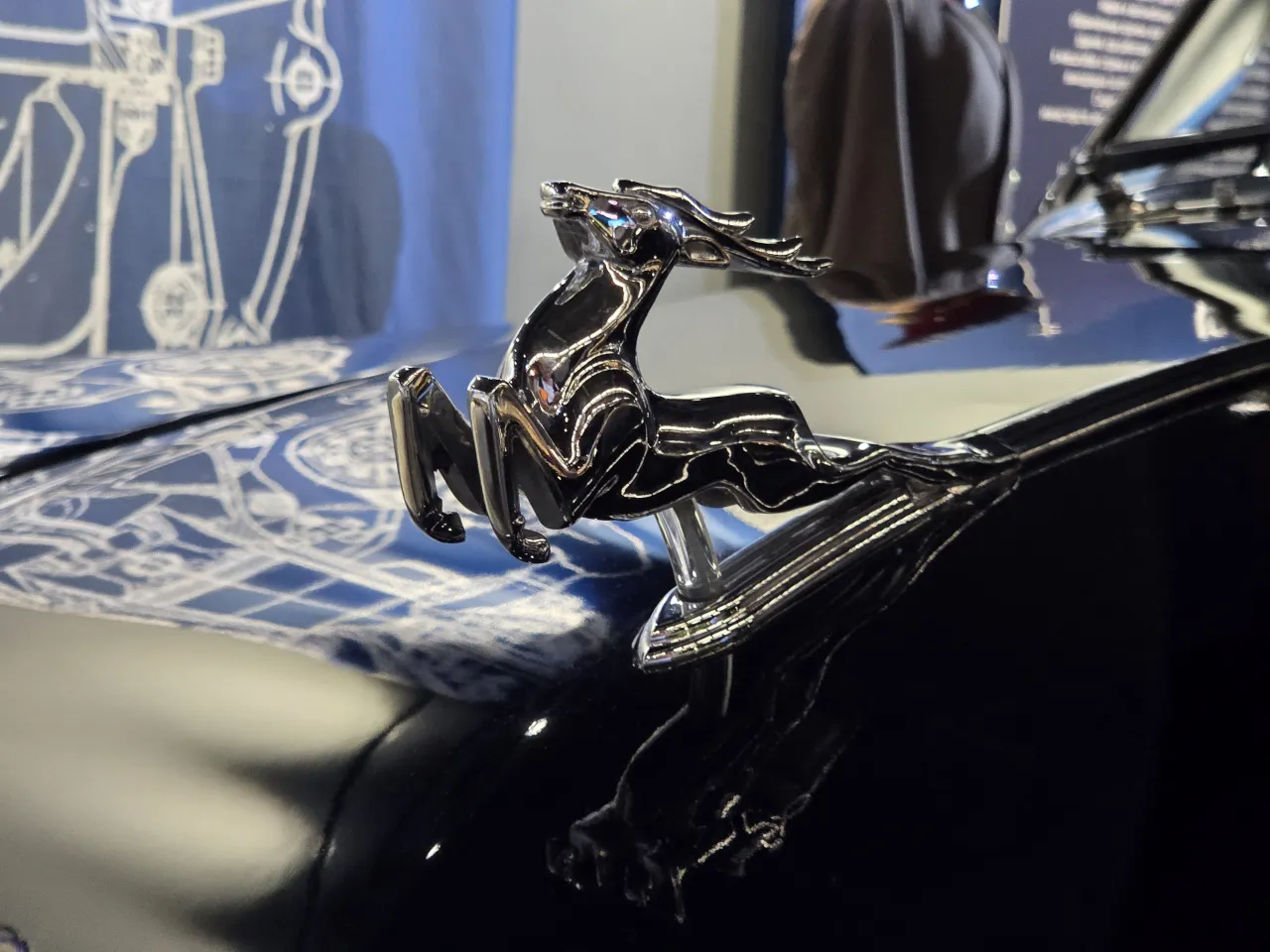
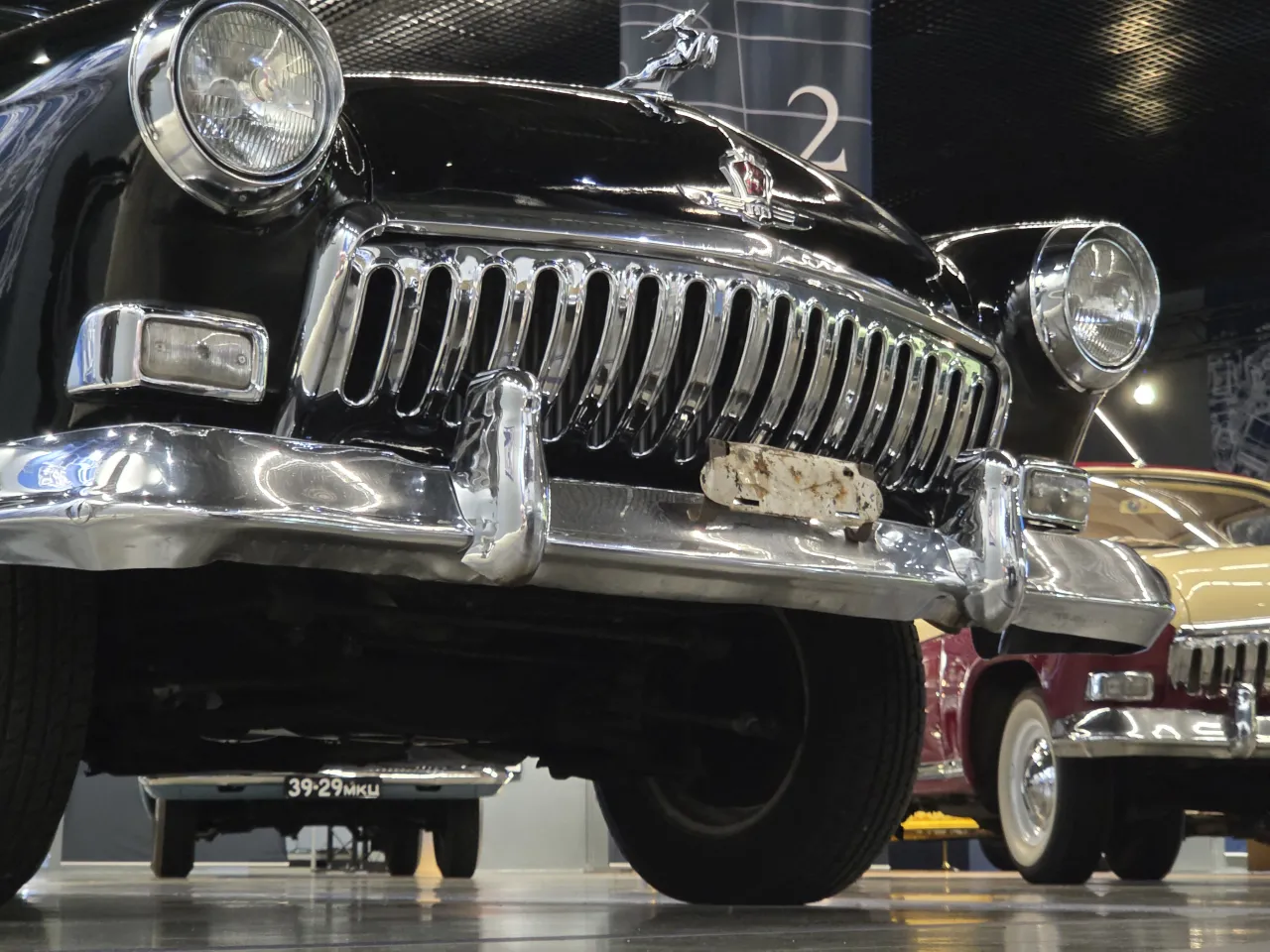
The famous deer figurine on the hood deserves a special mention—the very same Mustang of the Soviet automobile industry, which became a true symbol of the car and one of the most recognizable details in the entire history of Russian design. This detail was no accident: the designers wanted to create an image that would evoke dynamism, nobility, and a distinctive elegance. The Gorky deer possessed its own distinctive character—a dynamic pose, graceful antlers, and a forward-looking silhouette.

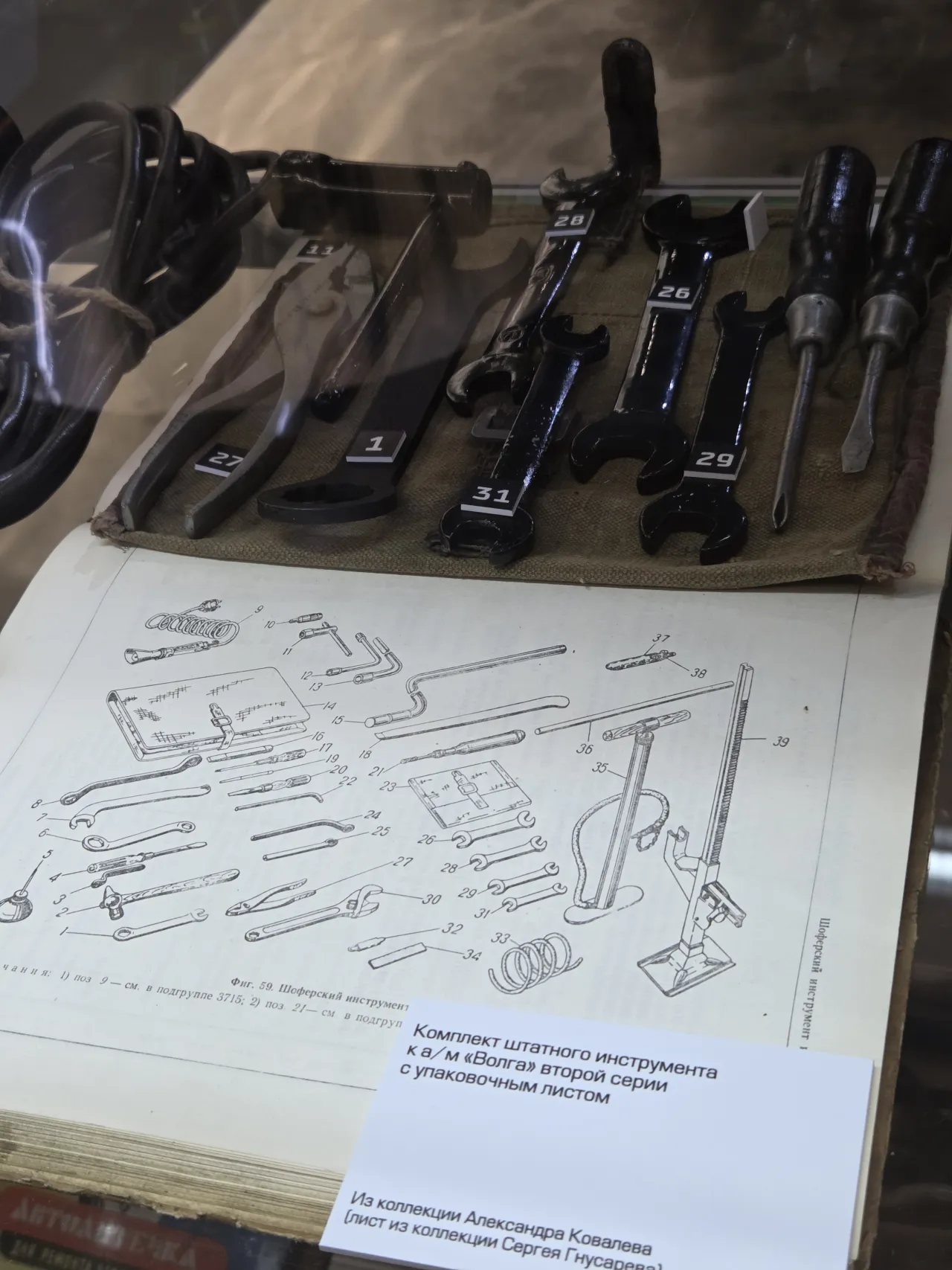
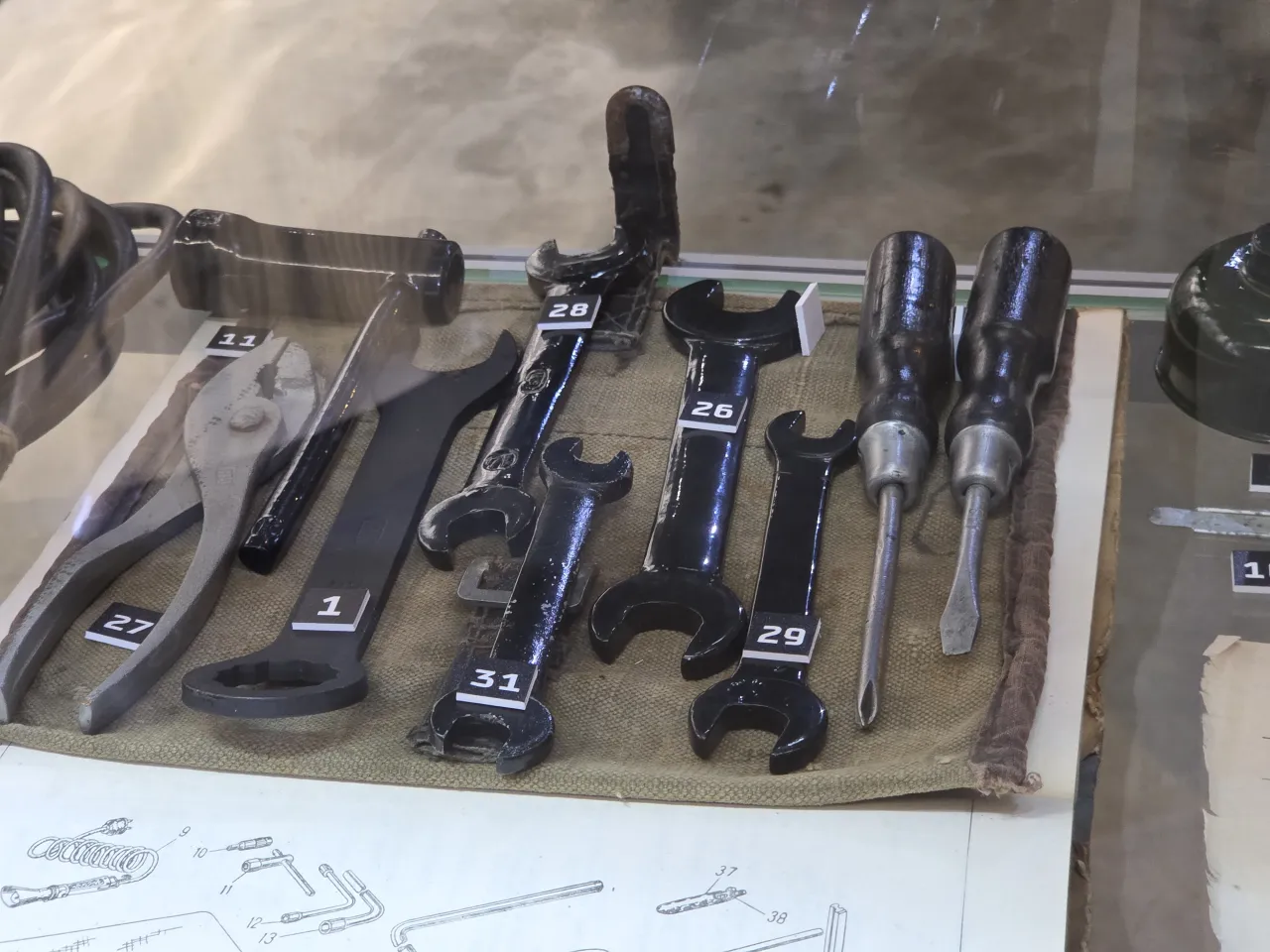
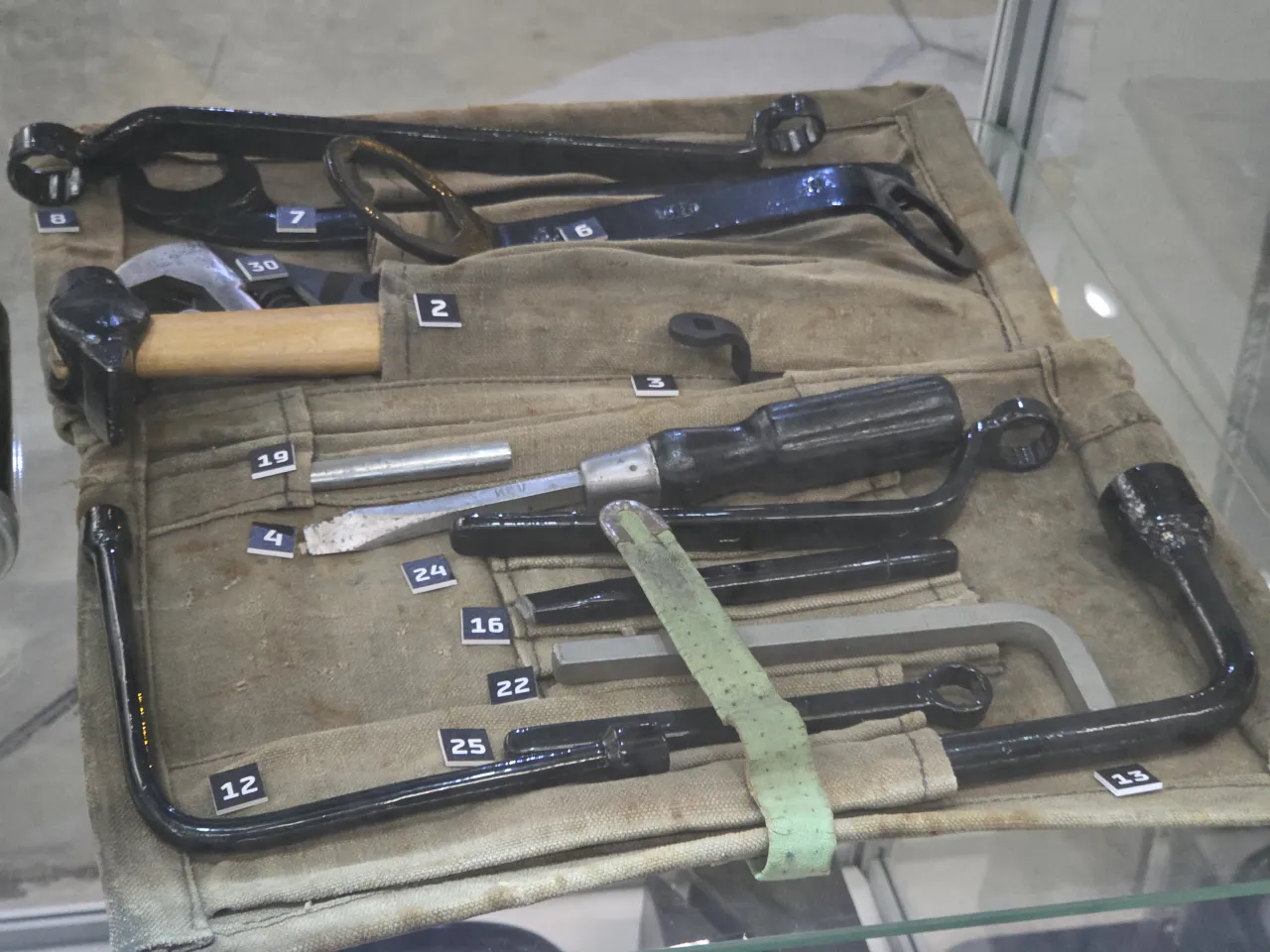
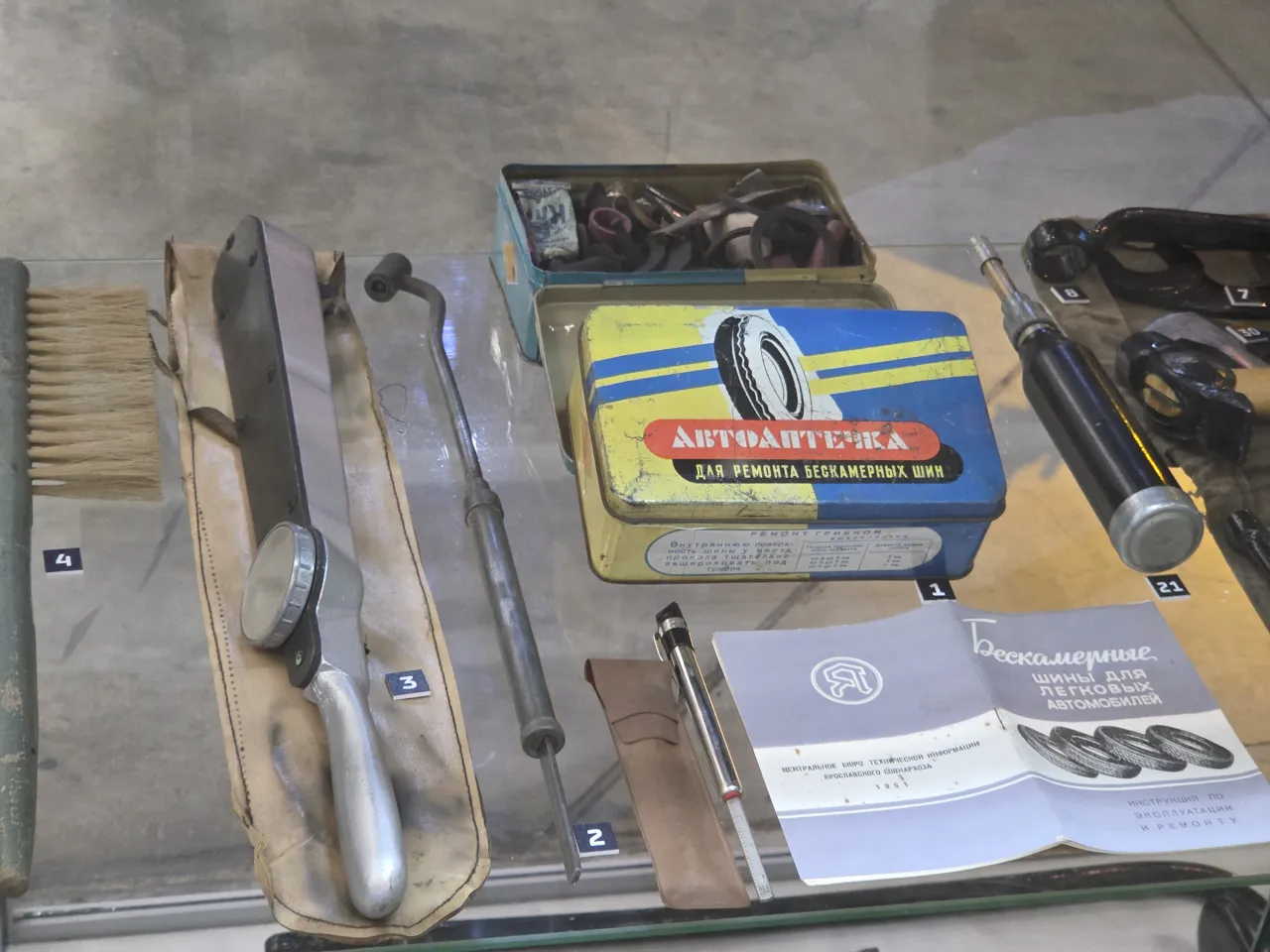
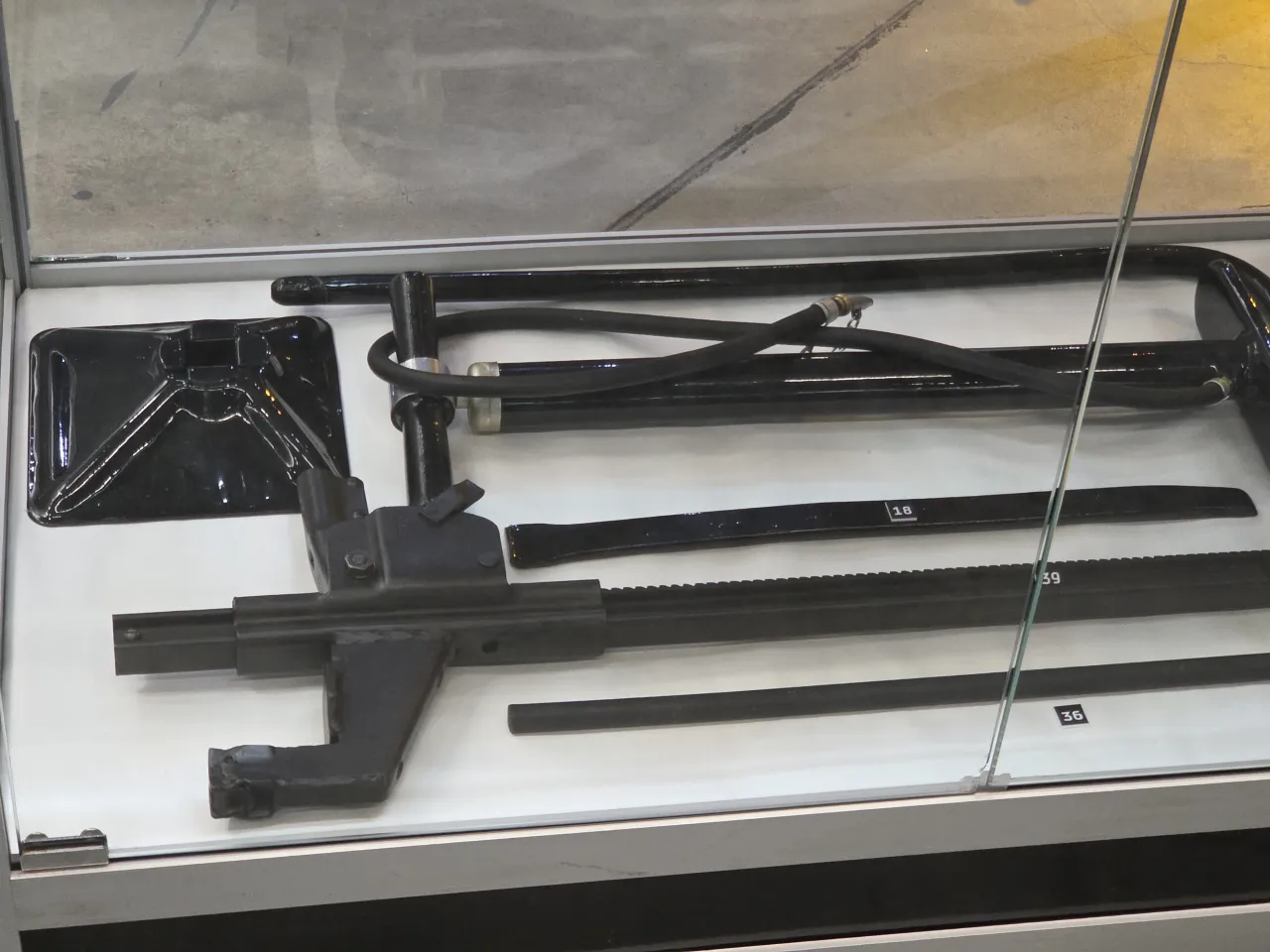
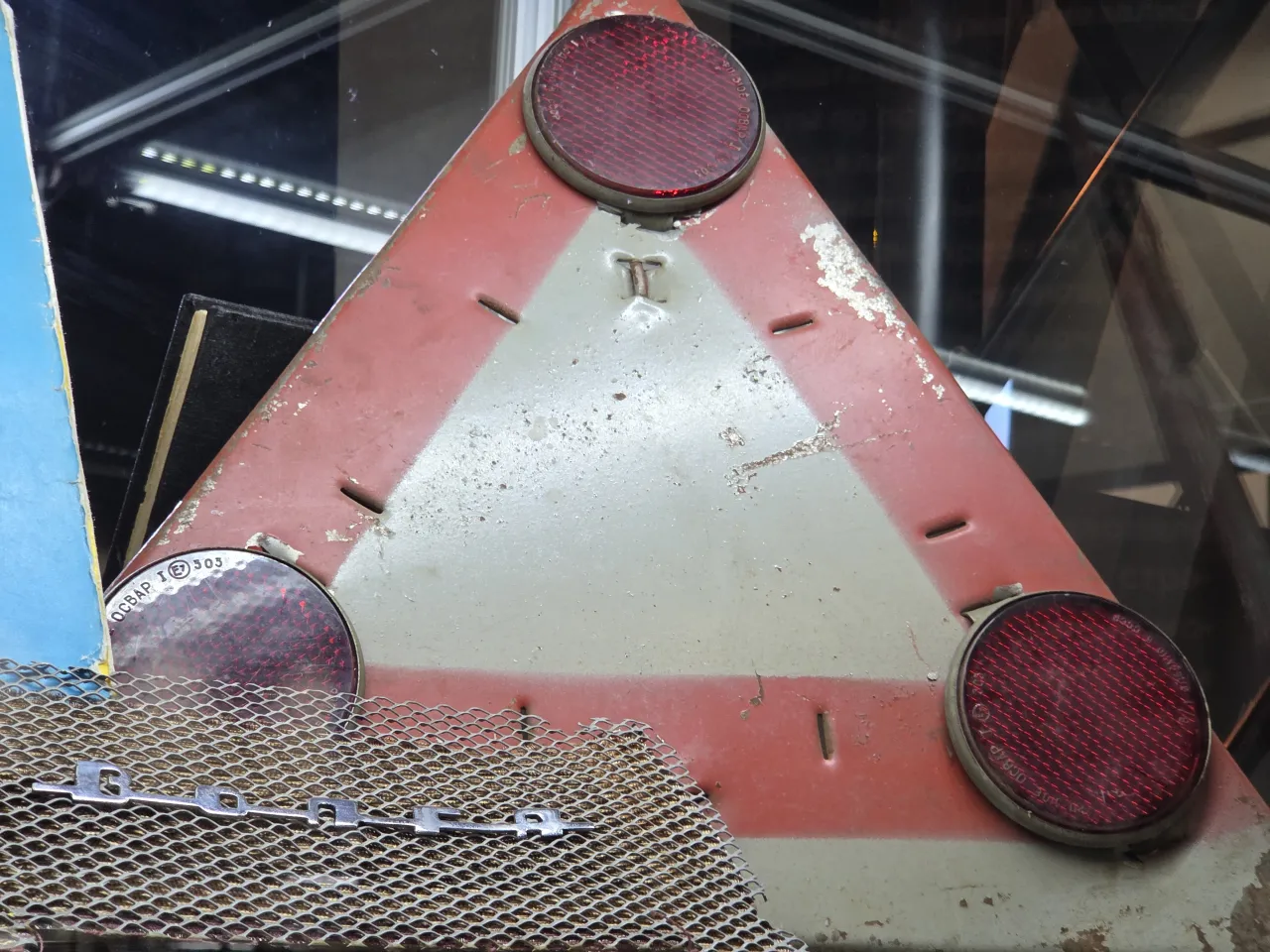
The set of tools carried will shock the modern car enthusiast.
Over time, however, the hood ornament was abandoned—first for pedestrian safety reasons, as the sharp metal parts could cause serious injuries in the event of a collision, and also due to the increasing number of cases of this distinctive decoration being stolen directly from the streets: it was too noticeable and desirable for unscrupulous citizens.
Three Volgas
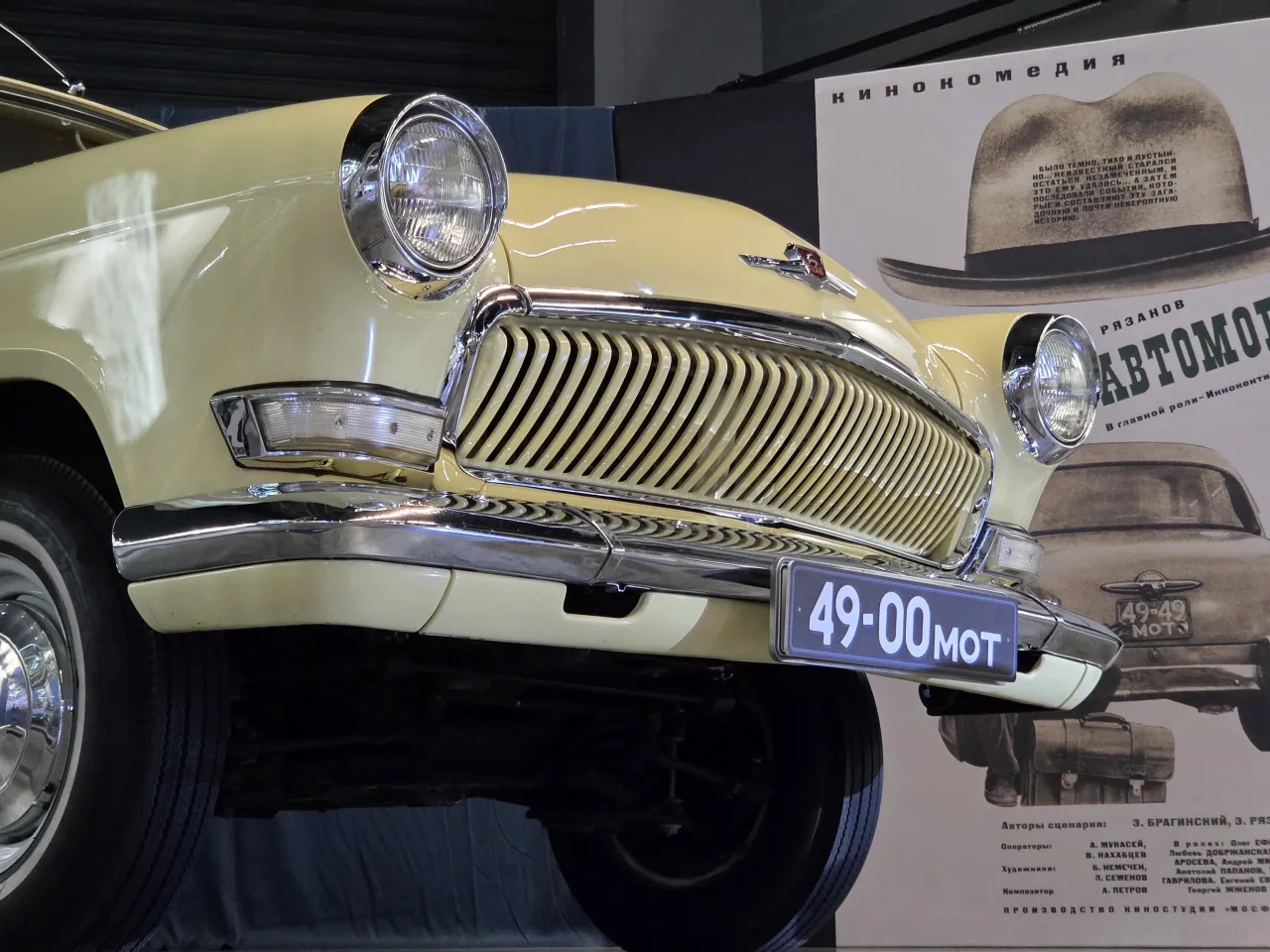
The Volga's production history is interesting because the car wasn't static—it went through several modernization stages, which today automotive historians roughly divide into three series, each with its own technical and design features. The first series, produced from the launch of 1956, featured distinctive design details, including a massive chrome radiator grille with an abundance of decorative elements that gave the car a festive, formal appearance.
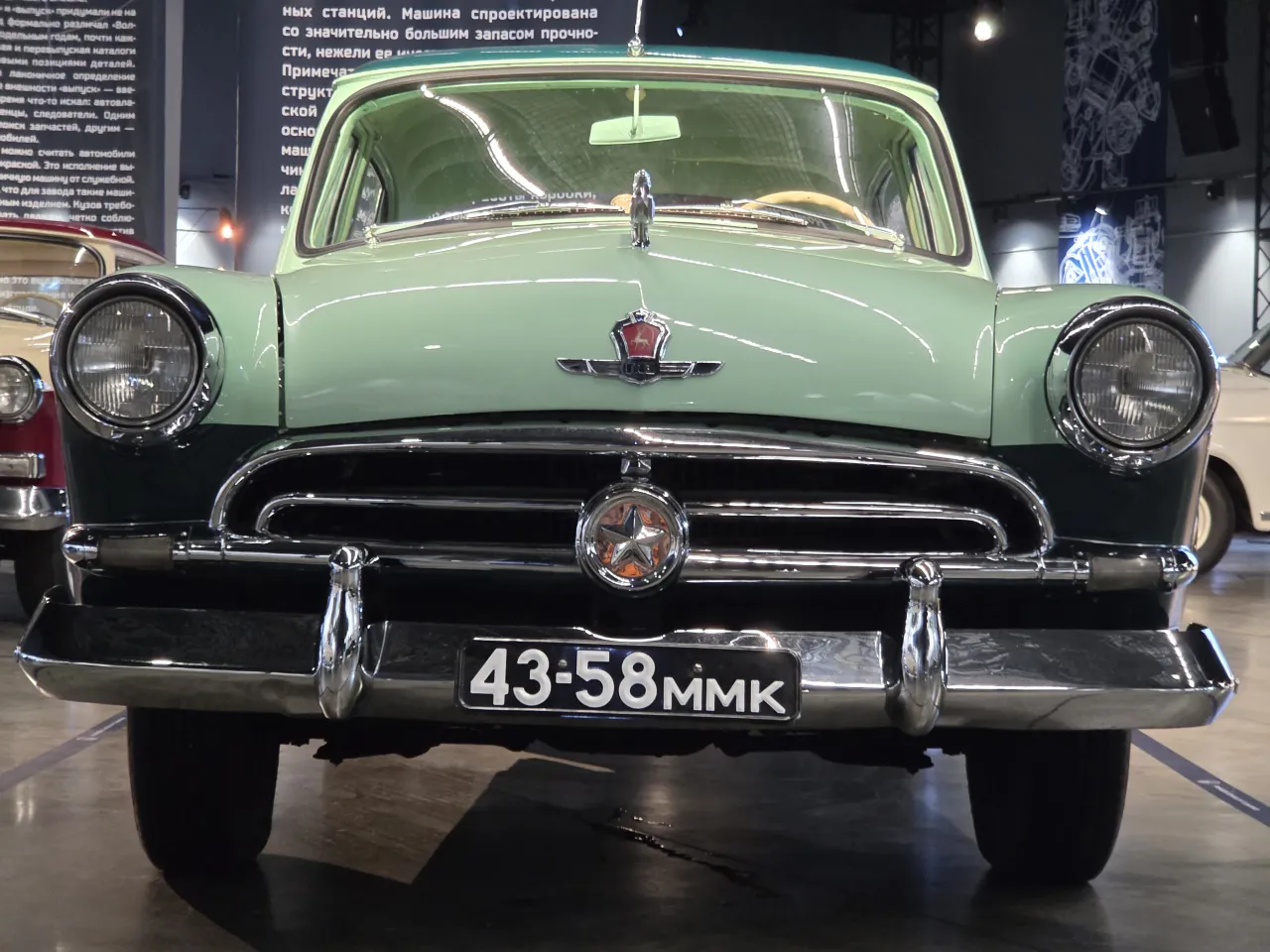
GAZ-21 first series
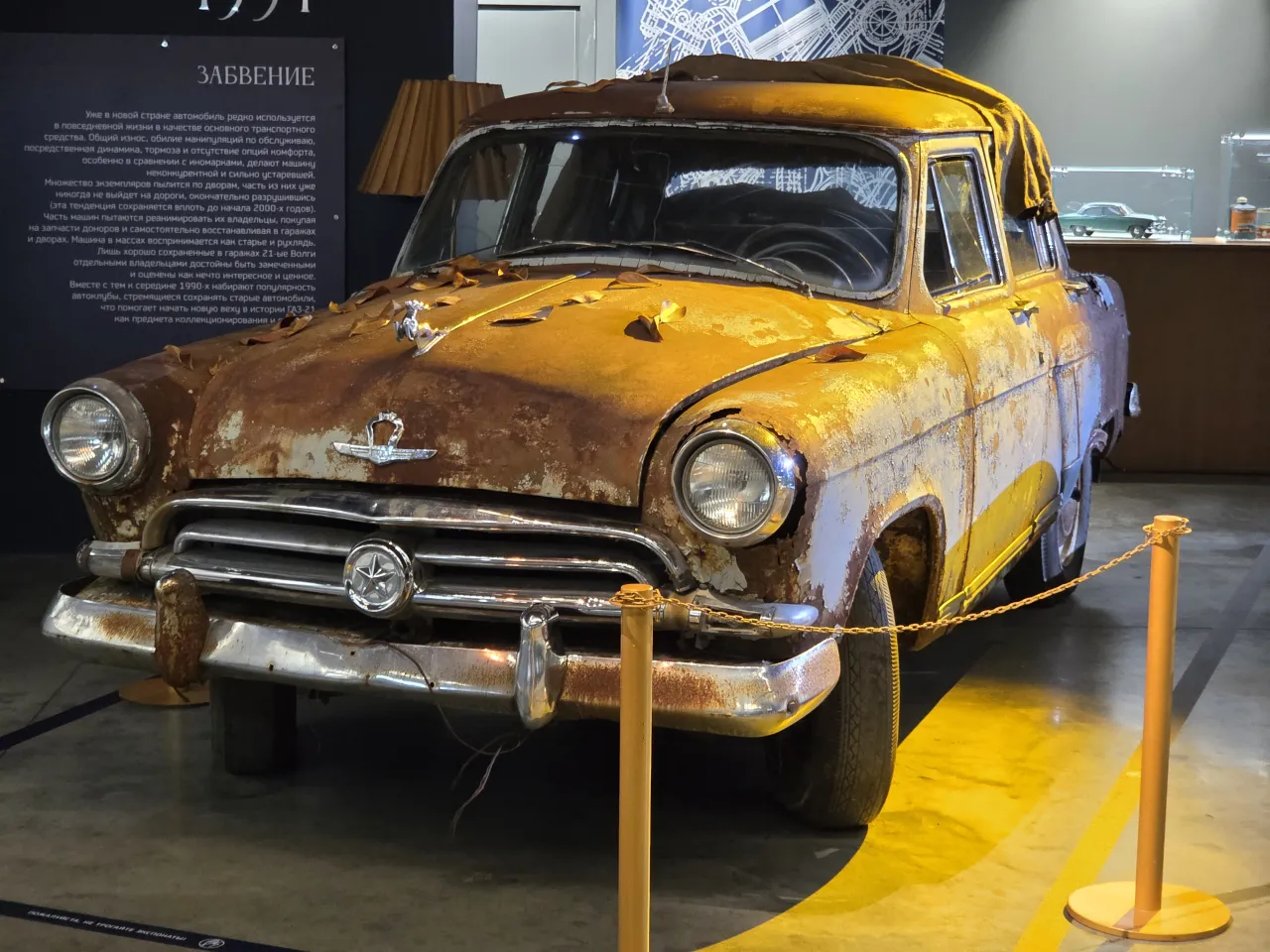
One of the earliest known Volgas of the first series, 1957. An exhibit saved from being scrapped after standing in a field for over 30 years, in the Mikhail Krasinets makeshift museum in the village of Chernousovo.
However, operational experience quickly revealed that some of the first series' technical solutions required refinement—the cooling system's shortcomings were apparent, certain suspension components required reinforcement, and the labor-intensive manufacturing of decorative elements was unjustifiably high for mass production. By November 1958, the plant had already switched to production of the second series, which featured a more streamlined approach to design: one of the main goals was to simplify the design and reduce labor costs.
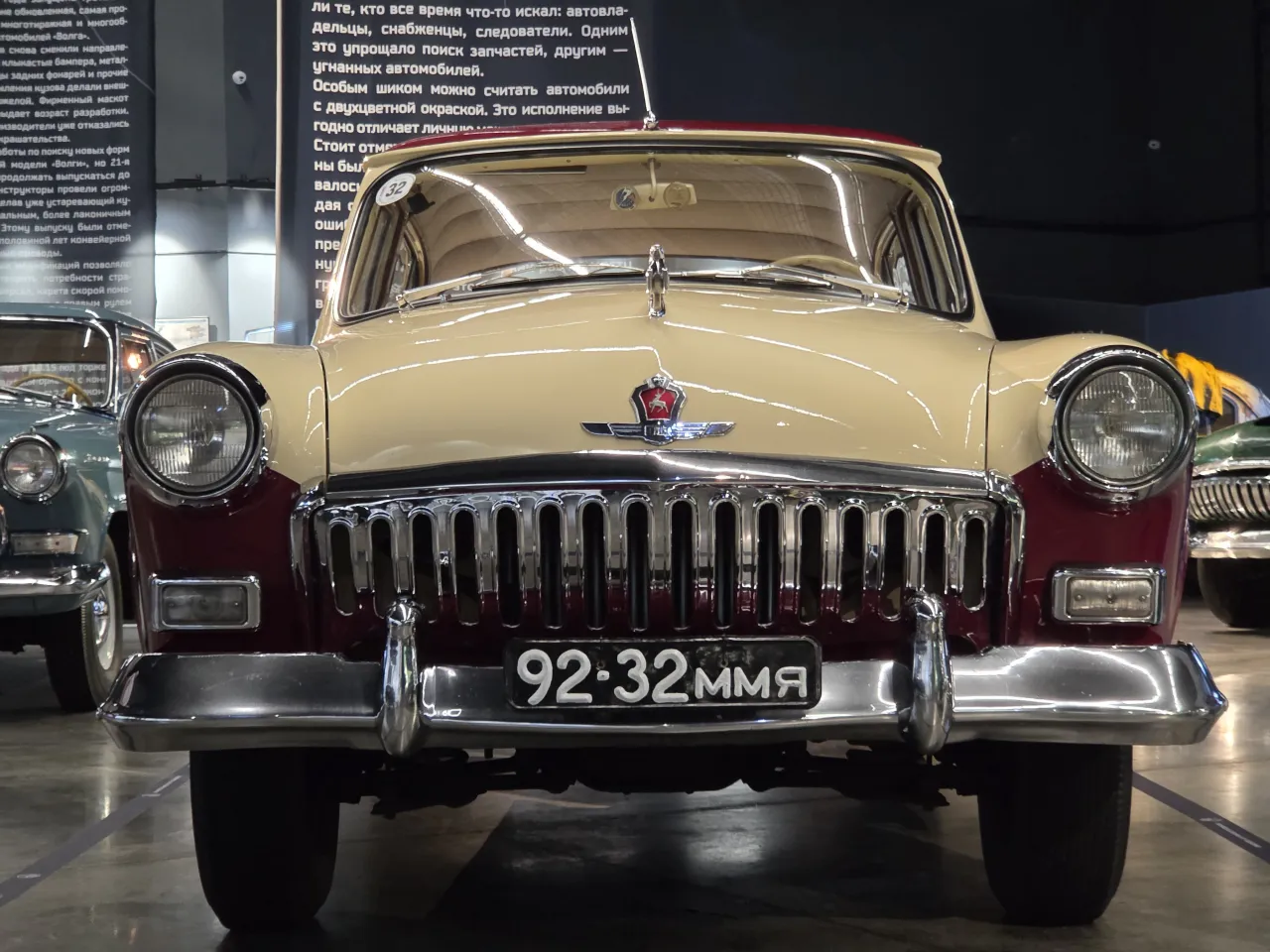
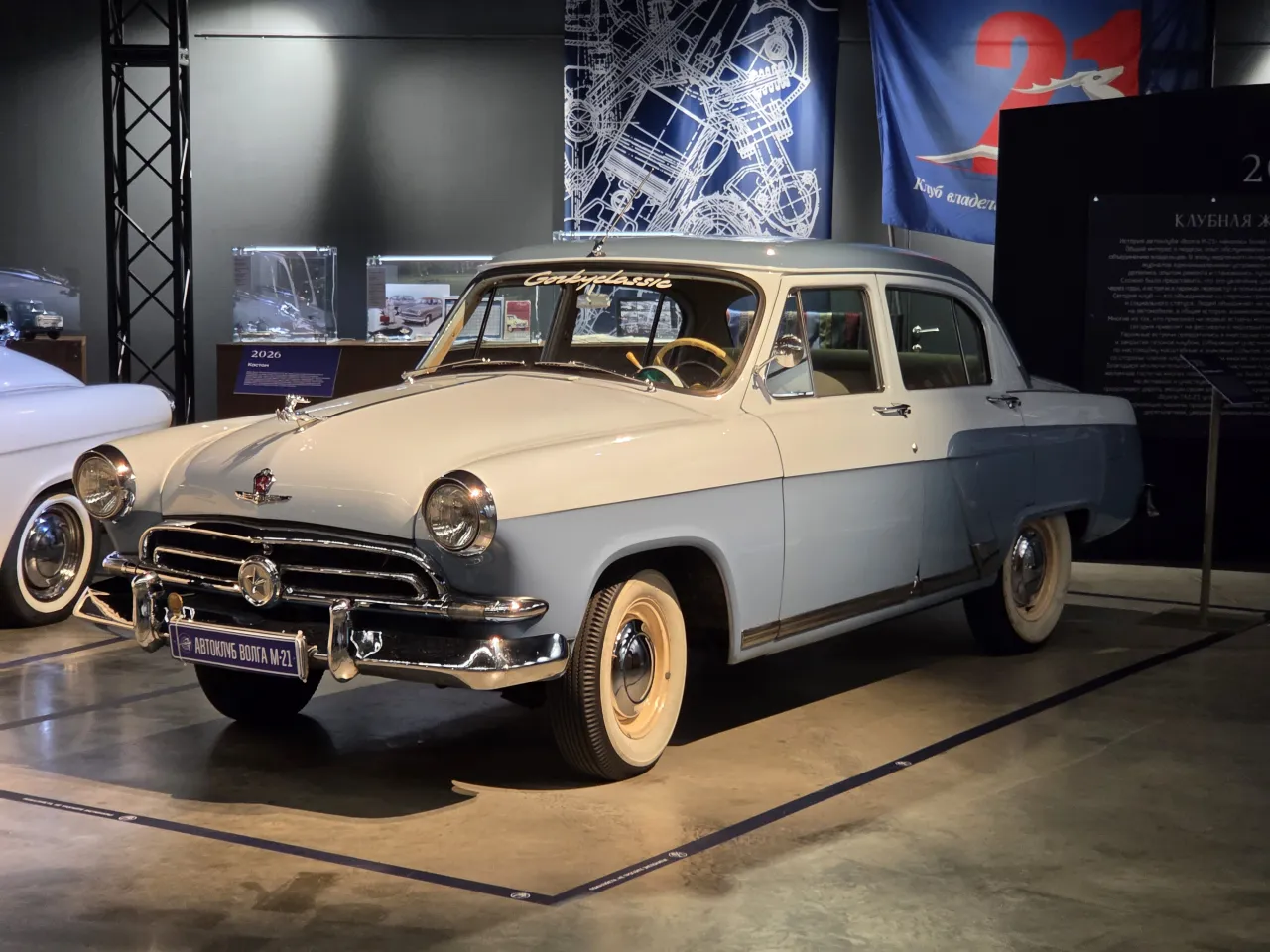
Volga second series
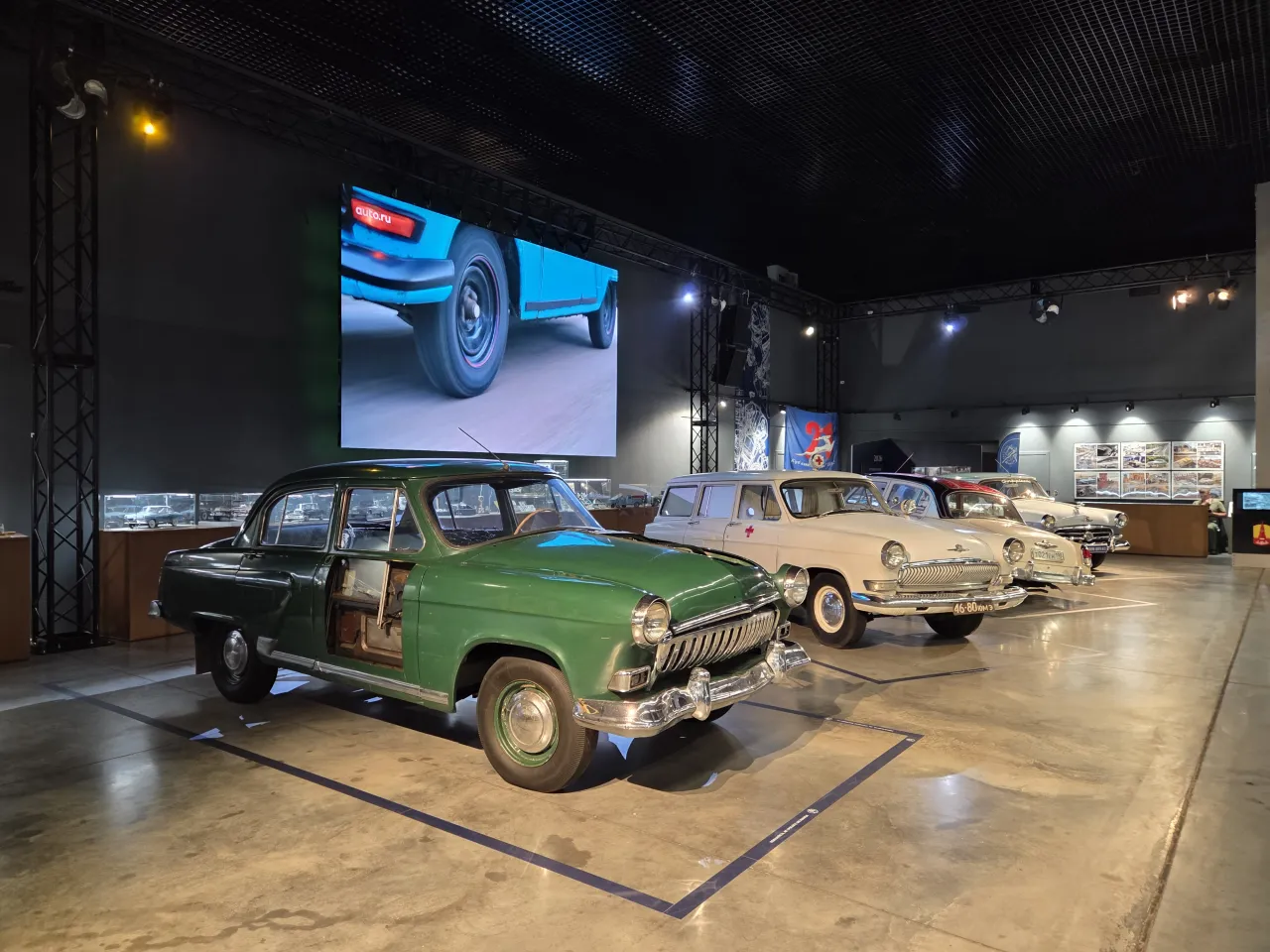
A total of approximately 140 second-series cars were produced, and production lasted from November 1958 to April 1962—a remarkable period for a single model. One of the hallmarks of the second series was the car's paint scheme: designers proposed two-tone paint schemes, which noticeably livened up the car's appearance and made it stand out from the crowd. Everything was in keeping with the fashion of the time—the American Chevrolet Bel Air and Ford Fairlane, whose two-tone, and sometimes three-tone, paint schemes set the trend of the 50s.
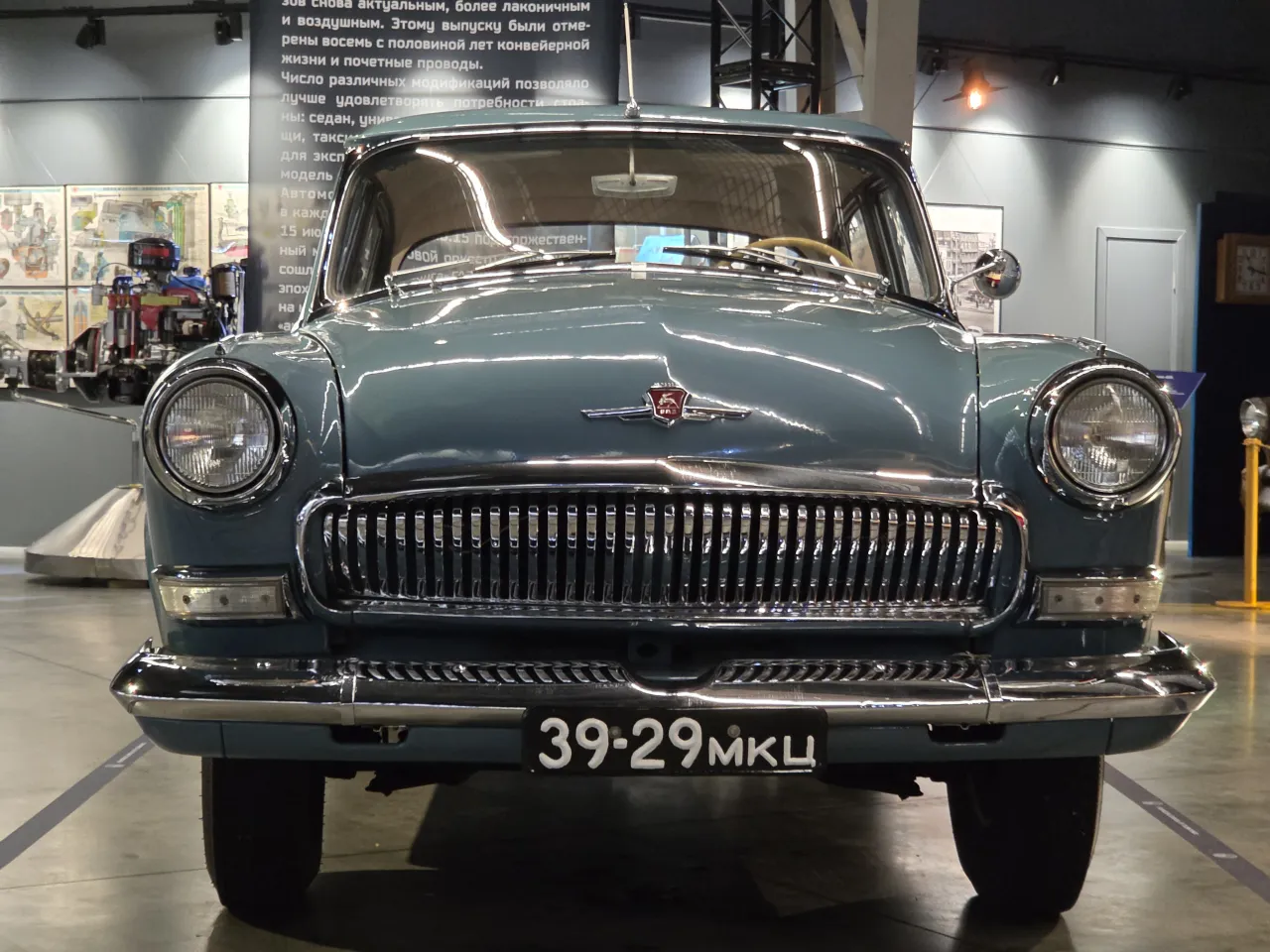
Volga of the third final series
Meanwhile, the plant continued to refine its production processes: chrome plating technology was optimized, making shiny body parts more durable and high-quality. The overall paint scheme was refined, and the quality of assembly and sealing of body seams was improved. By April 1962, the plant launched the third and final serial modification of the GAZ-21, which became the most widely produced and most recognizable of all the versions of the car. It is the appearance of the third series that people most often associate with the word "Volga" today.
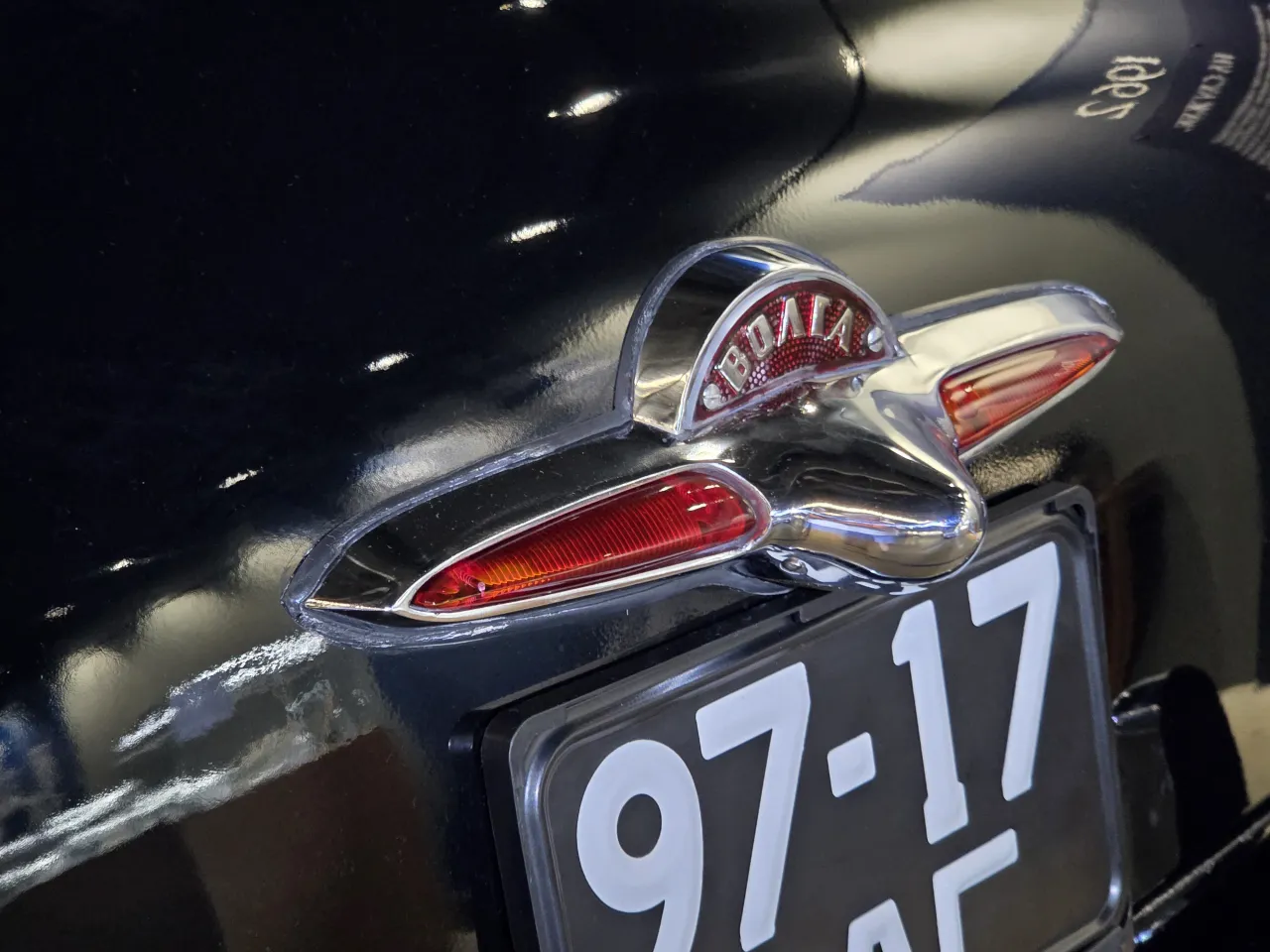
The designers truly undertook a colossal effort to update the car's exterior: the massive chrome rear fender trims were replaced by more simplistic, elegant metal trim elements, and the dashing deer icon disappeared from the hood. The bodywork was also redesigned—many trim elements on the bumper, lights, and other decorative parts were made more modern, in keeping with the spirit of the times, and the radiator grille now has a more restrained, elegant design, free of the excessive opulence of the first series.
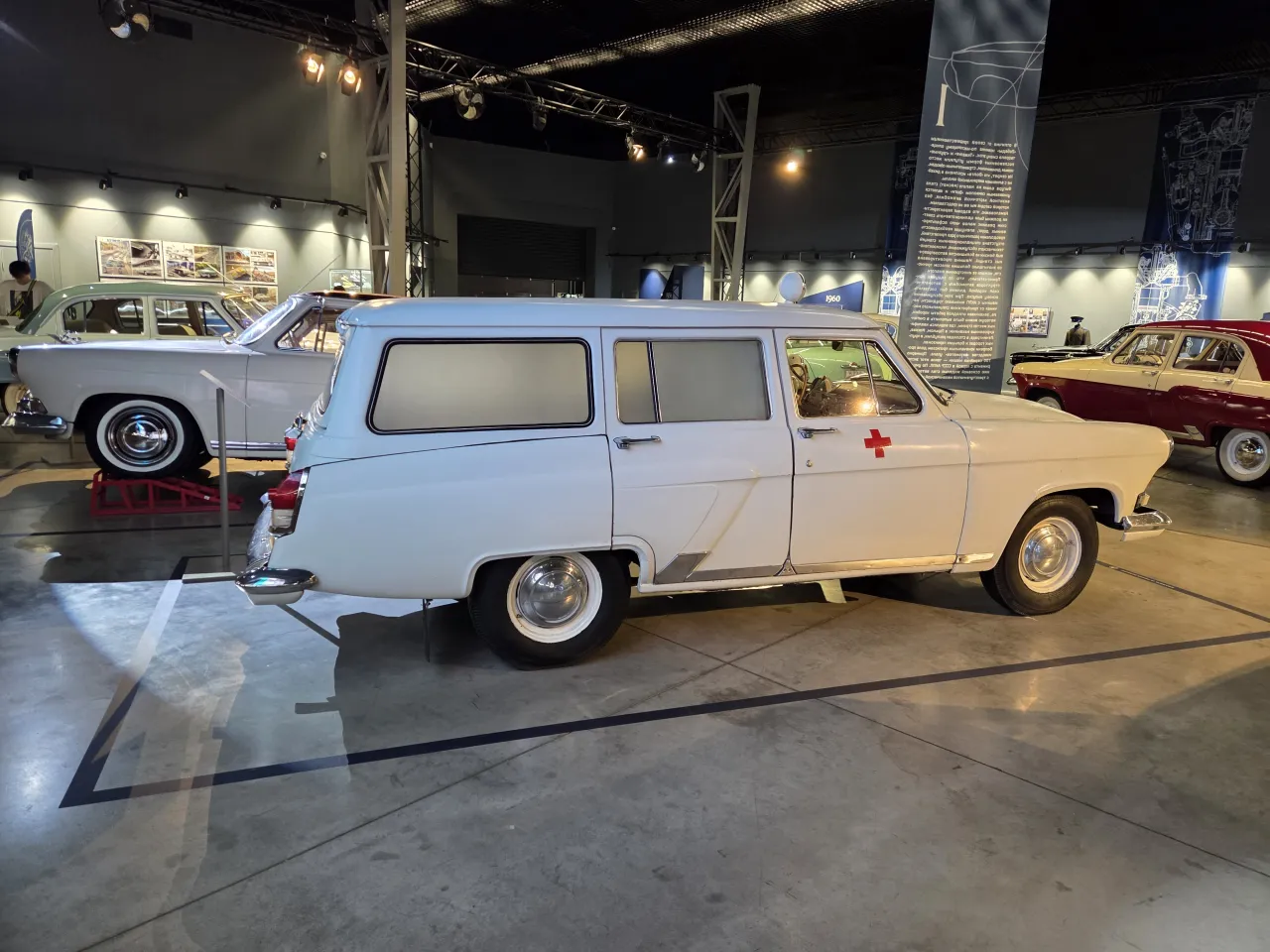
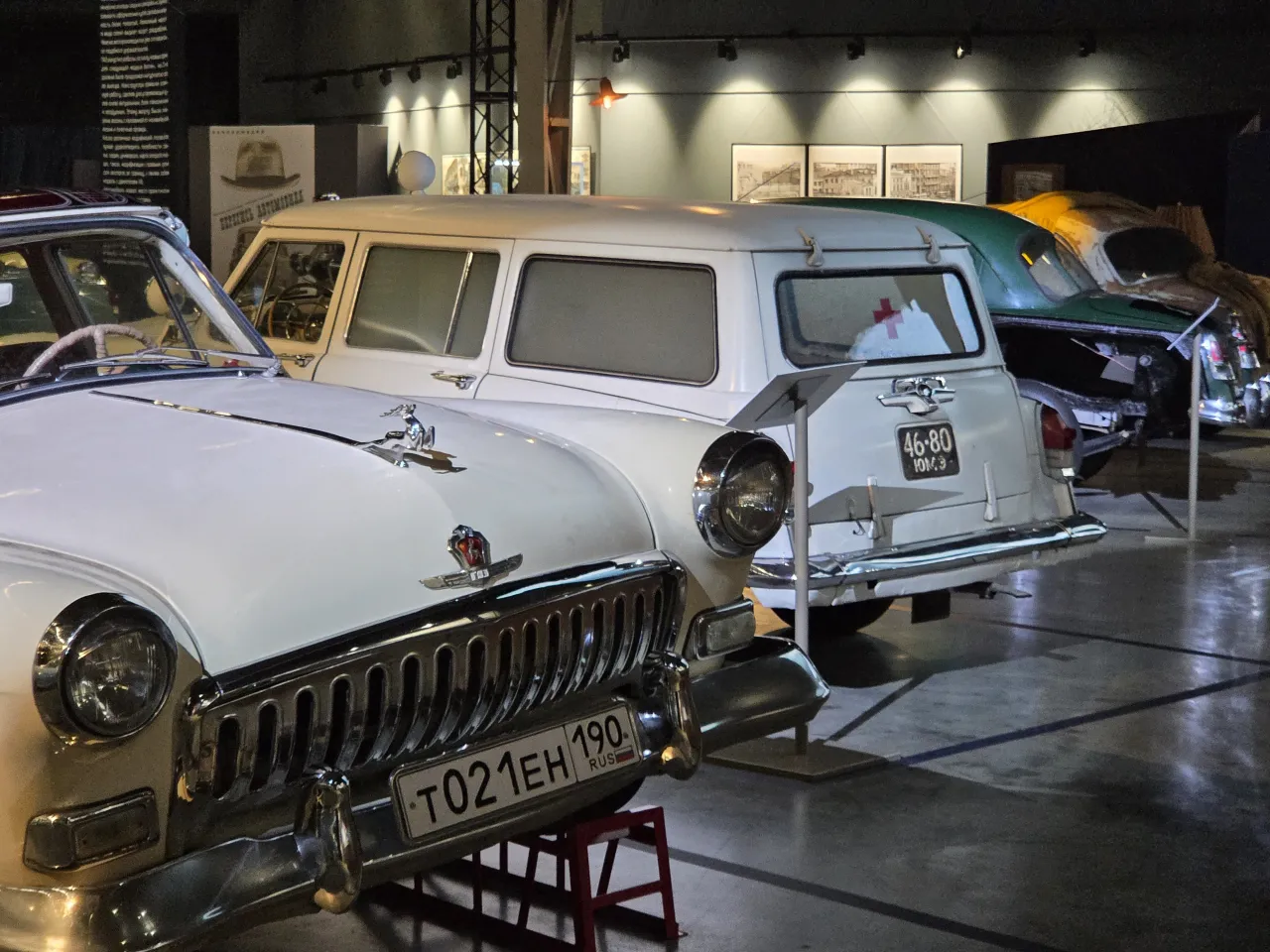
The GAZ-22D is an ambulance version of the GAZ-21 family. Production of station wagons began with the ambulance versions of the GAZ-22. After minor modifications, regular GAZ-22 station wagons were added. After minor modifications in 1965, the index changed to GAZ-22B for regular vehicles and GAZ-22D for ambulances. The GAZ-22B and GAZ-22D served a wide range of purposes, including ambulances and sometimes emergency medical services. In this case, the vehicle could be equipped with special sound and light signals, a radio, etc., and red stripes were applied to the body. The station wagon's interior was adapted to the specific requirements of the ambulance service. Most civilian station wagons that survive in good condition were purchased by citizens working abroad. Former government-issued vehicles were also sometimes sold after decommissioning. Ambulances, having reached the end of their service life, were usually scrapped. This 1969 model was assigned to a children's sanatorium in the Gorky region. Therefore, it was not used intensively. Its low average annual mileage allowed it to survive until 1989, when it became possible to sell such cars to private owners. Thus, the car has survived to this day in virtually complete condition.
The early 1960s is a time that historians not coincidentally call the "Thaw," a period of a certain openness in Soviet society and a growing interest in global trends in a wide range of fields, including industrial design and automotive manufacturing. It was during this period that the trend toward simplifying and rationalizing automotive forms gained momentum in the West—recall the restrained yet elegant design of the Peugeot 403 and 404 or the practical, unadorned appearance of the Opel Rekord, which became benchmarks for discreet European taste. The Volga 3-series perfectly captured the spirit of this transitional era: a modern and truly prestigious car whose proportions made it, as contemporaries aptly noted, "American" among European cars and simultaneously "European" among American ones.
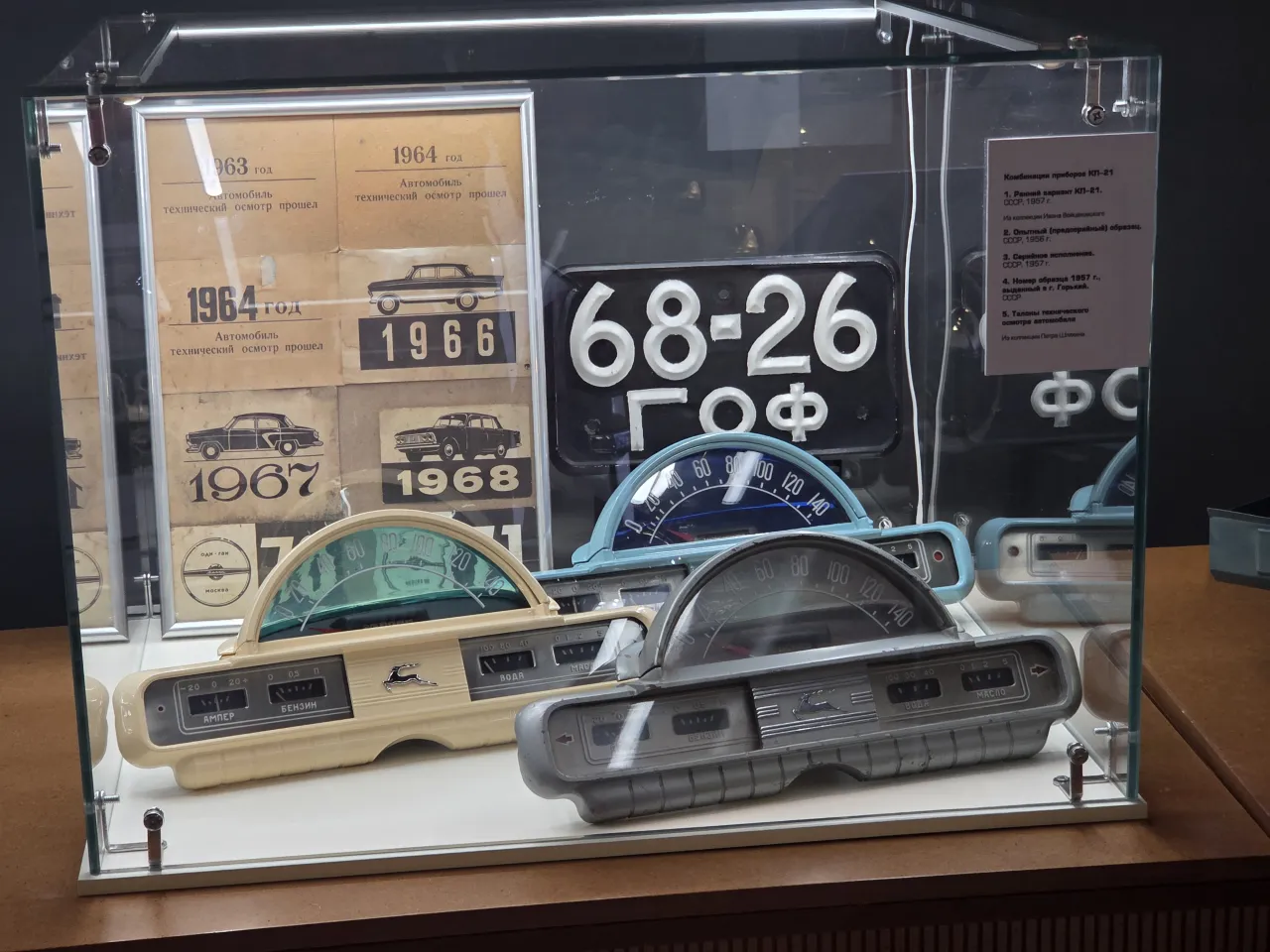
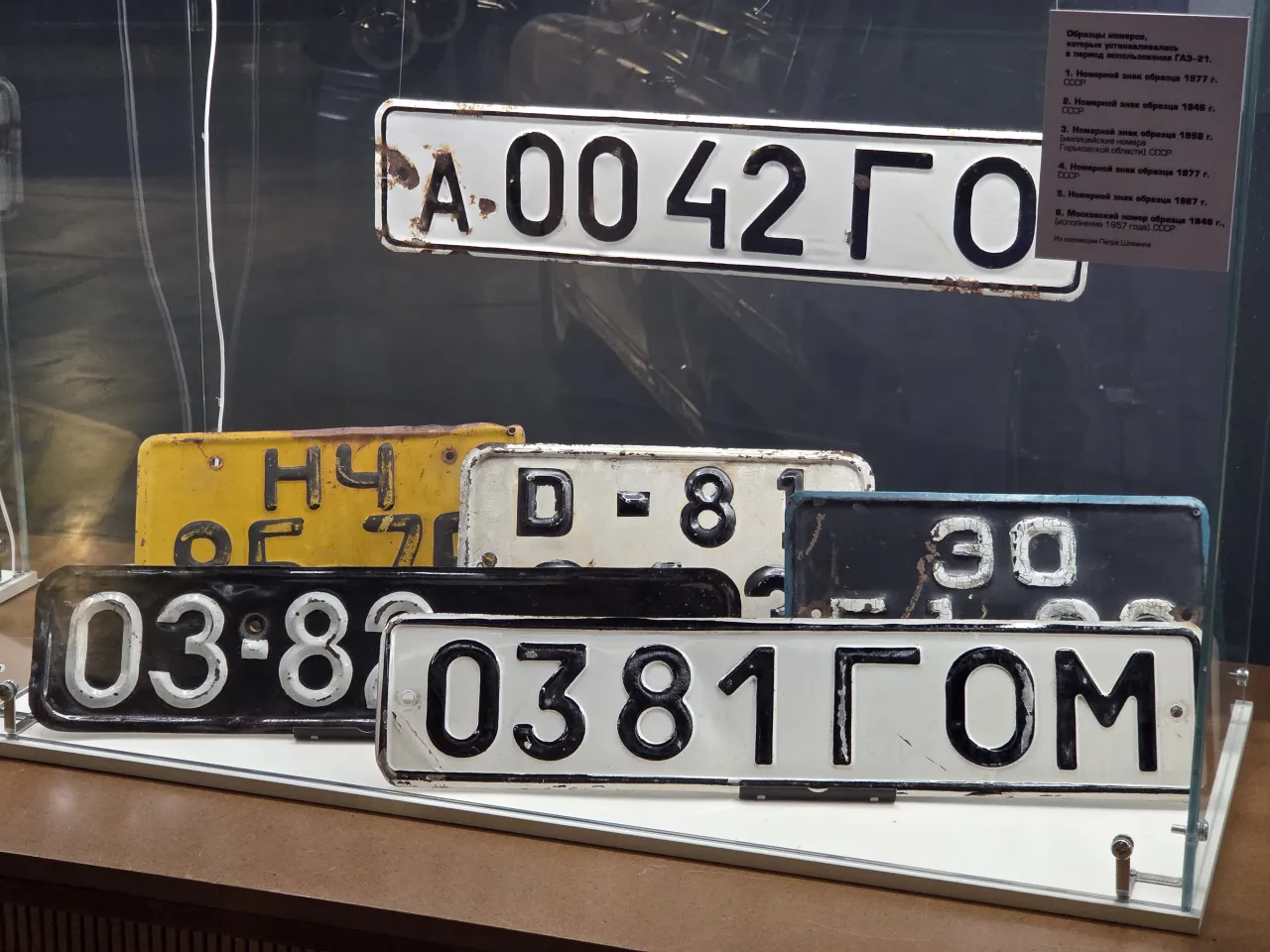
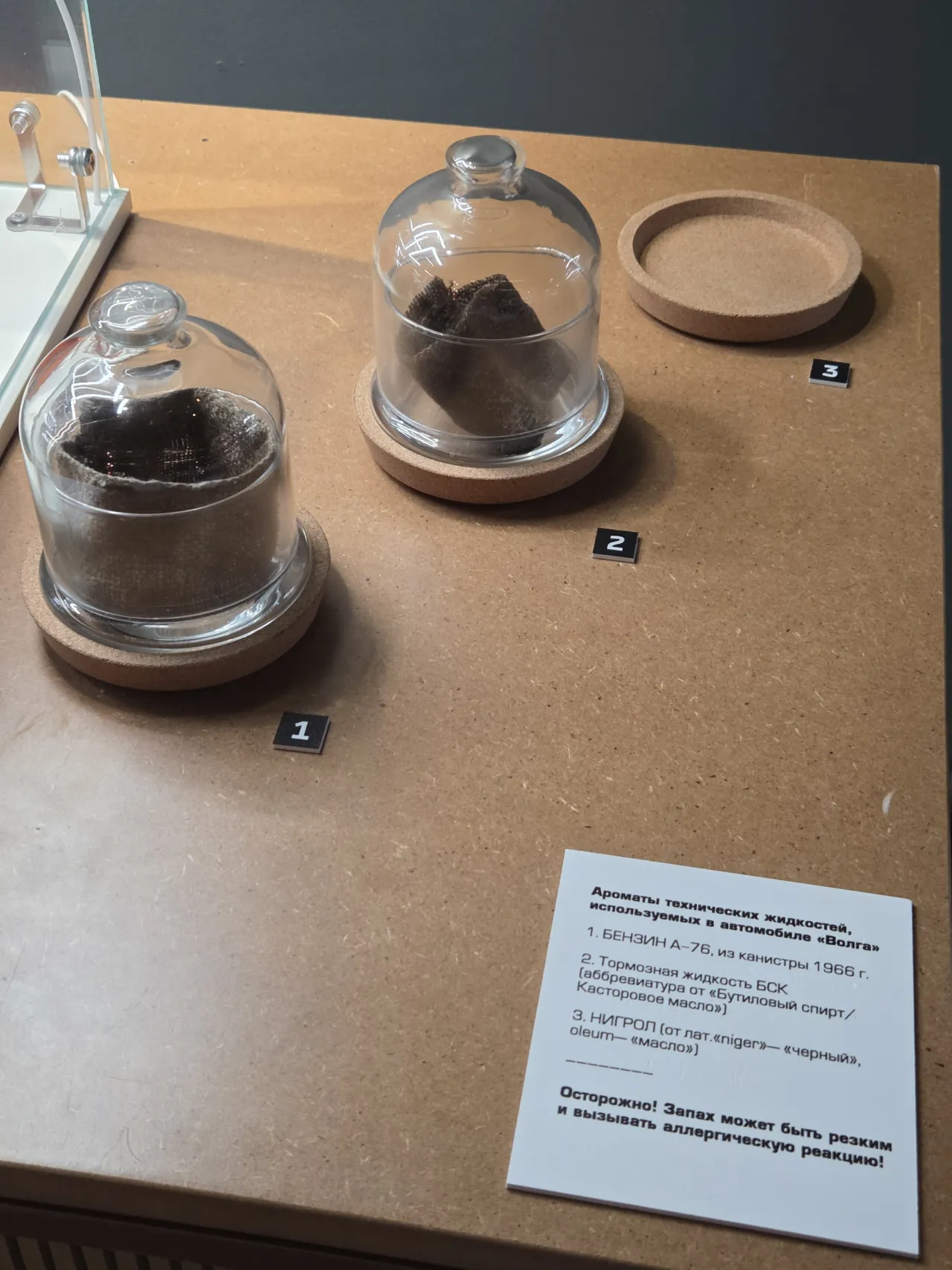
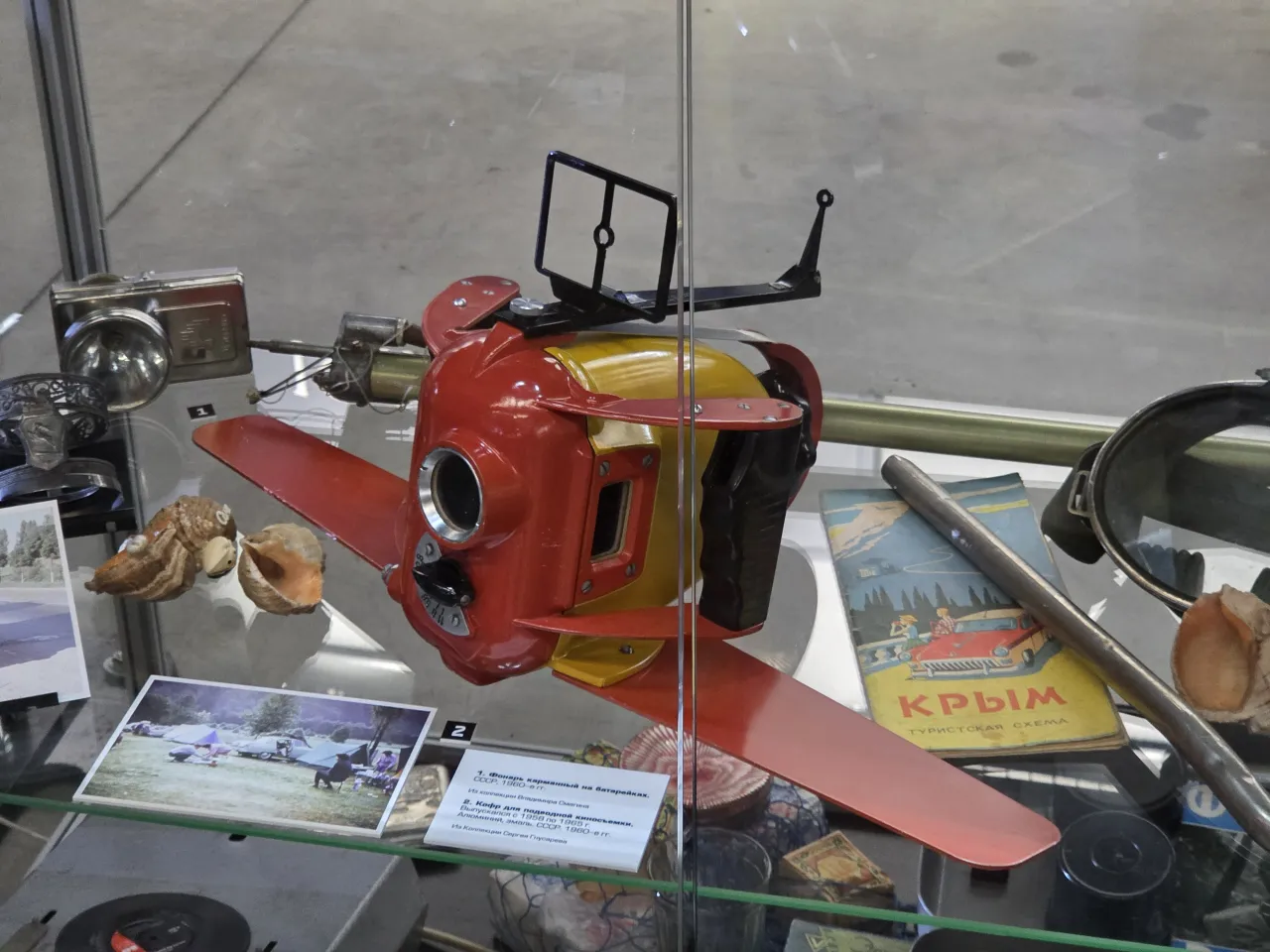
An exhibit at the Garage Museum of Special Purpose. The last photo shows a domestic underwater camera.
The GAZ-21 long held a position at the top of the Soviet middle-class automobile hierarchy: it served government agencies at various levels, served as taxis, ferrying millions of passengers across the streets of Soviet cities, and was also purchased by lucky individuals for personal use after years of waiting in line. The car's price was quite high—around 5100 rubles in the early 60s, roughly equivalent to three to four annual salaries of the average Soviet engineer. Incidentally, this was not at all in line with the precepts of Henry Ford, who believed that a car should cost no more than one year's salary. For many Soviet citizens, the Volga became a cherished dream, available to purchase, albeit with considerable difficulty. ZILs and Chaikas, for obvious reasons, were unaffordable for ordinary citizens.
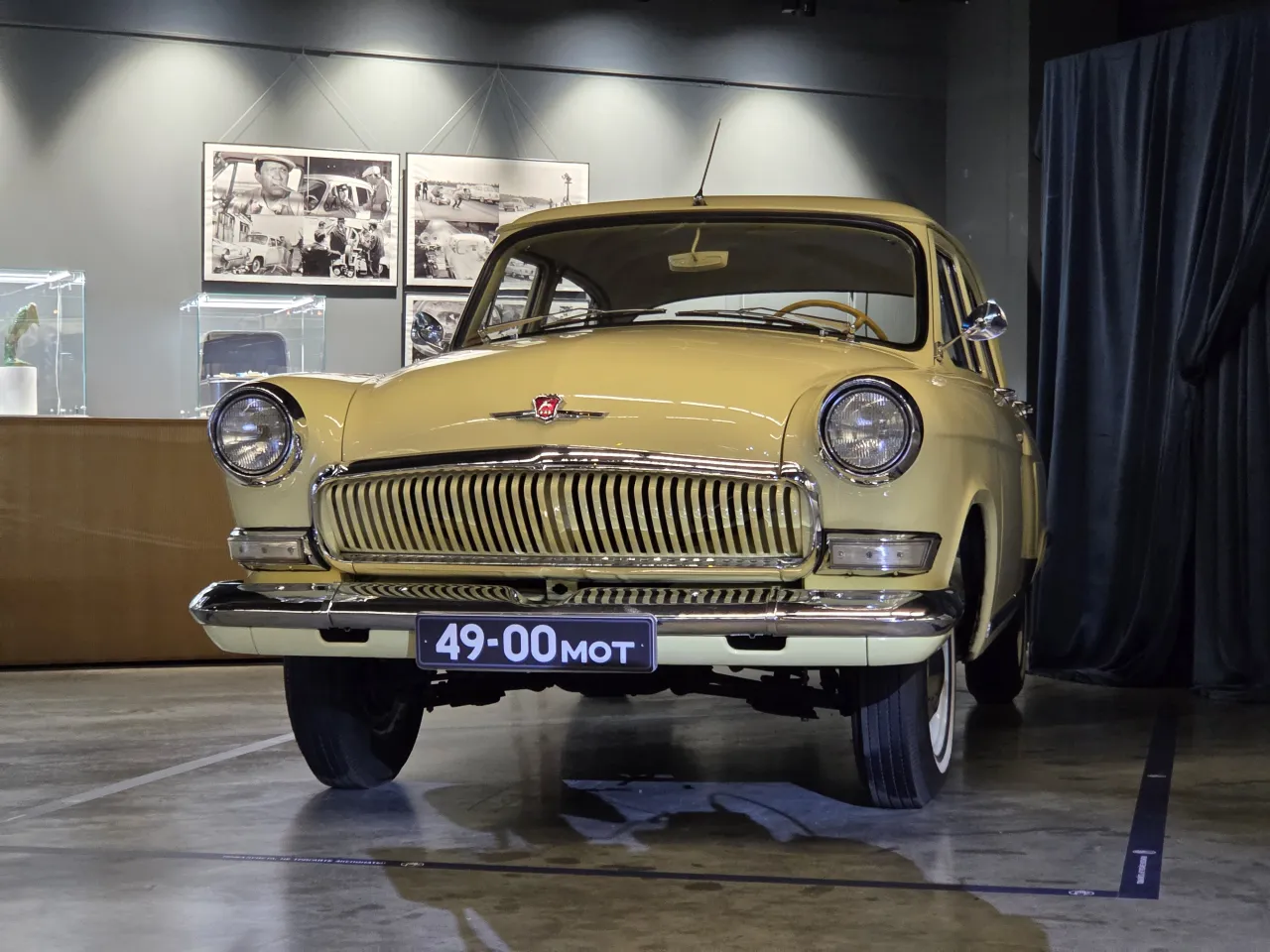
In addition to its immense popularity domestically, the GAZ-21 Volga was conceived from the outset as an export product, capable of generating foreign currency revenue for the country and demonstrating the success of the Soviet automobile industry on the international stage. Already in the first years of serial production, from 1957 to 1959, the USSR exported approximately 11,797 Volgas to 43 countries worldwide, for a total of over 226 million rubles—a remarkable figure for a car that had only recently rolled off the assembly line.
The Volga's export geography was impressively broad: cars were shipped not only to the socialist countries of Eastern Europe, where Soviet technology was traditionally in demand thanks to political and economic ties, but also to capitalist countries such as Belgium, Finland, Norway, and Sweden, where buyers appreciated its ruggedness, robust construction, and ability to withstand harsh climates and less-than-perfect roads without complaint. Specifically for these foreign markets, the factory developed exclusive exterior paint finishes—elegant Anthracite and deep Charcoal—which added a touch of class and visually distinguished the car from other mid-size cars offered by European manufacturers.
Export versions, in addition to more meticulous finishing and improved build quality, often featured enhanced anti-corrosion treatment of the body, as well as some changes in equipment—for example, a different arrangement of controls or additional equipment elements that met the requirements of specific foreign markets.


The Volga had to compete with products from renowned manufacturers—the French Peugeot 403, the German Opel Rekord, and the Swedish Volvo Amazon—and in this competition, the Soviet car carved out its own, secure niche. Surviving export Volgas, which periodically appear on the collector car market, continue to generate particular interest among connoisseurs of Soviet automotive history. It's no wonder these cars, fully restored, command a significantly higher price than the standard, domestic versions produced for Soviet buyers.
On July 15, 1970, at 6:15 PM, to the sounds of a ceremonial orchestra, the last example of this legendary automobile rolled off the assembly line. Over the course of its production, from the very first modification in 1956 to the final units produced in 1970, 639,478 GAZ-21 vehicles were produced—a significant achievement for the Soviet automotive industry, which was primarily focused on trucks and defense needs.
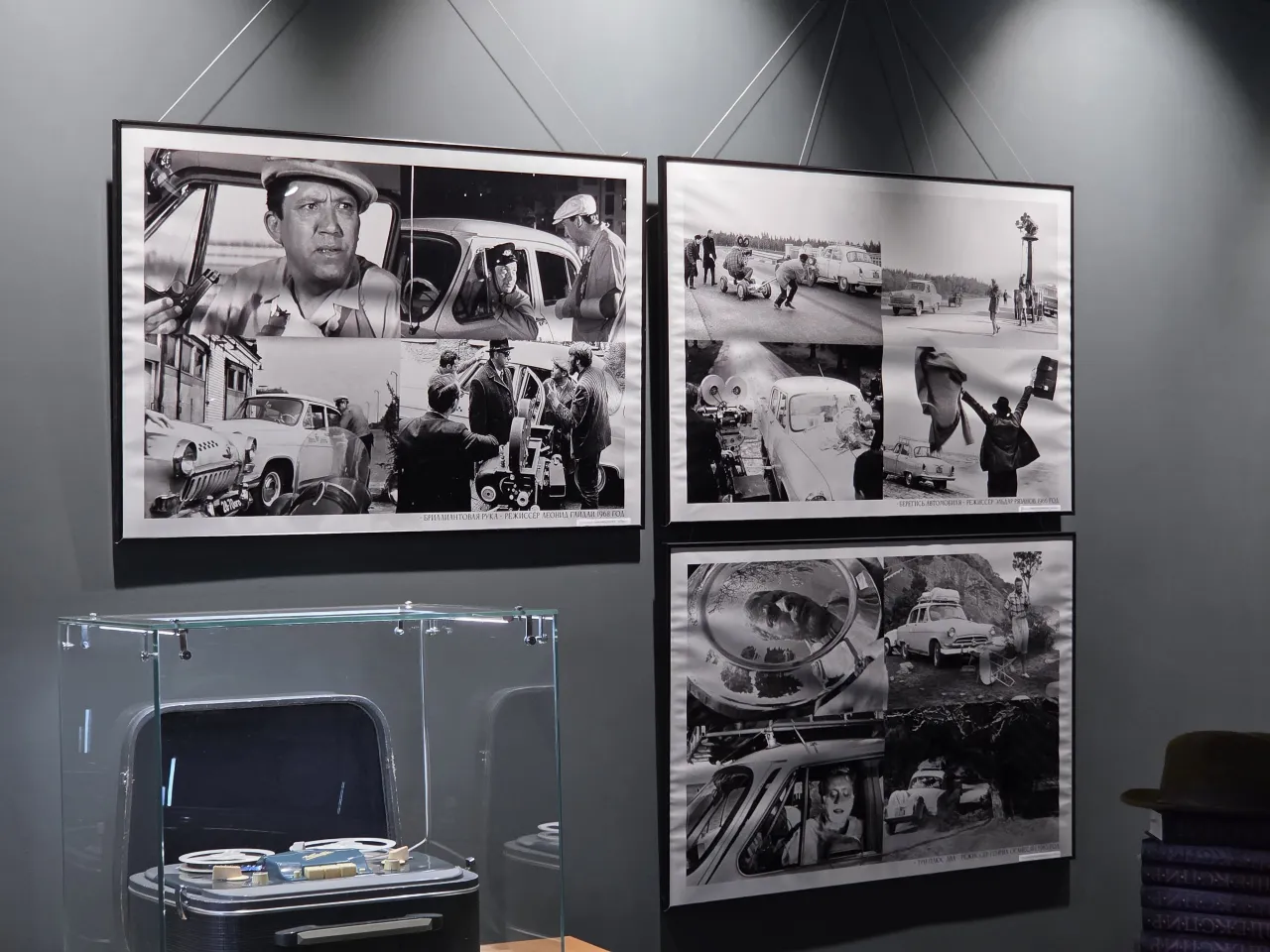
The Volga's influence on Soviet culture and art also deserves special mention: the car confidently entered Soviet cinema and forever held a special place in the hearts of ordinary viewers, even those with no professional connection to the automotive world. It's enough to recall films like "The Reluctant Driver," "Beware of the Car," and "Three Plus Two," in which the Volga became a fully-fledged protagonist on par with the actors—so seamlessly did it fit into the atmosphere of Soviet life of the period, reflecting the everyday lives, aspirations, and dreams of millions of ordinary people.
Seventy years later, the Volga remains a legendary monument to the engineering and artistic excellence of its era, evoking warm feelings in all generations: from the elderly reminiscing about their youth to young people who value this car as a historical masterpiece capable of competing on equal terms with the world's best automobiles of the mid-70th century.
Information