Air defense systems of Yugoslavia and Serbia: airspace control radar systems
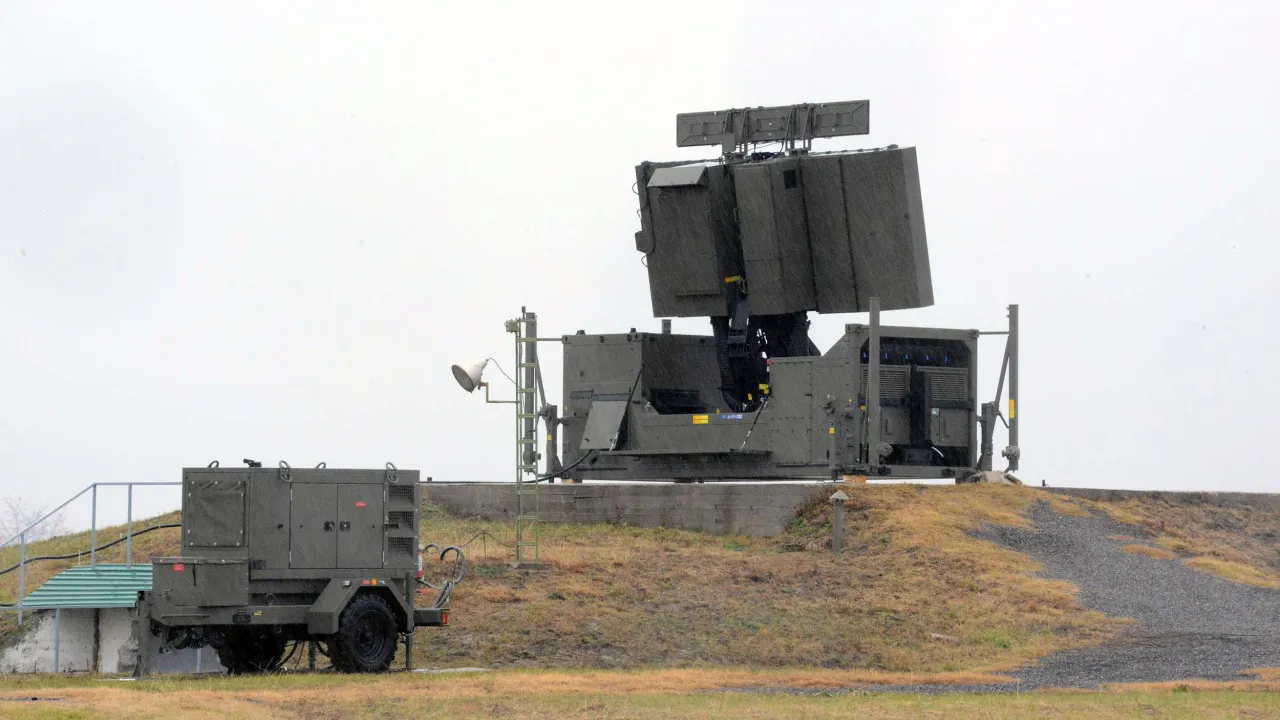
The first radars adopted by the Yugoslav People's Army in 1947 were Soviet P-2Ms, as well as captured German FuMG 64 Mannheim and Würzburg D radars. However, these radars did not provide continuous airspace surveillance. After Josip Broz Tito's views on the future path of socialism diverged with the Soviet leadership, American AN/TPS-1D radars and AN/TPS-10D radio altimeters were acquired in the early 1950s and used for 24-hour surveillance.
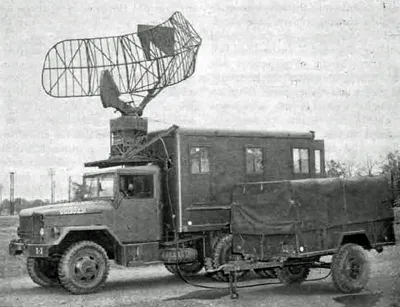
American-made mobile radar AN/TPS-1D
During the Cold War, Yugoslavia, as a socialist country, pursued an independent foreign and domestic policy and was not a member of the Warsaw Pact, which opposed the North Atlantic bloc in Europe. On the one hand, this allowed the Yugoslav People's Army to be equipped with Western-made equipment and weapons. However, on the other hand, the Soviet government, for obvious reasons, was very careful about supplying defense products to the SFRY and often restricted the export of those items that were of greatest interest to NATO intelligence.
The Yugoslav military-political leadership also sought to develop its own defense industry and, in this area, pursued mutually beneficial cooperation with Romania, Poland, and Czechoslovakia, as well as with the United States, Great Britain, France, and Sweden. In this regard, the Air Force and Defense By the time of its greatest prosperity in the second half of the 1980s, the JNA was equipped with models of Western and Soviet production, as well as those produced jointly with other socialist and Western countries.
Soviet-made airspace control radar stations
By the mid-1980s, the JNA's radio-technical units were equipped with a motley mix of domestic, Soviet, and Western-made radars. However, the core of Yugoslav air surveillance equipment consisted of Soviet-made radars.
Of particular value were two Soviet P-14F "Furgon" (5N84) meter-range stations, coupled with PRV-11 "Vershina" (1RL119) radio altimeters and delivered in the mid-1960s simultaneously with the S-75M "Volkhov" medium-range air defense missile systems.
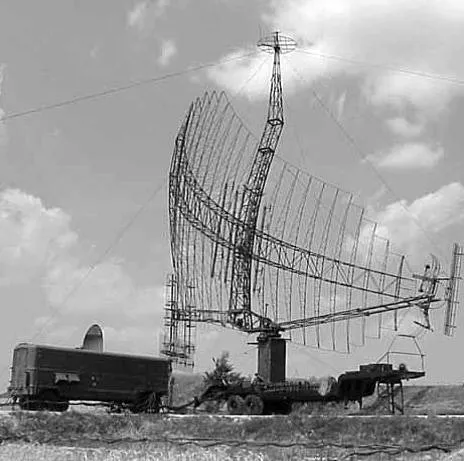
P-14F radar
The P-14F two-coordinate radar was a transportable version of the P-14 Lena stationary radar. It operated in the 160–185 MHz frequency range and was designed for long-range detection and range and azimuth measurement of aerial targets, whether operating as part of an automated control system or independently. The P-14F long-range radar's mobility was rather limited. The station's main components were housed in five transport units (two equipment semitrailers, two with antenna equipment, and three trailers with the power supply system). The very large antenna was a parabolic reflector measuring 32 x 11 meters. The antenna post was installed on a prepared site.
This type of radar had good performance for its time and could detect a fighter-type target flying at an altitude of 10 km at a range of over 300 km, while the detection range of large aerial targets, such as the Boeing B-52 Stratofortress bomber, reached 450 km. However, due to its very large size and the lengthy relocation process, the P-14F radar was highly vulnerable to air attack. Consequently, the P-14Fs deployed in Yugoslavia were destroyed by NATO airstrikes in 1999.
According to reference data, the PVR-11 radio altimeters, which arrived along with the P-14F surveillance radars, survived and were used until recently for air traffic control.

Radio altimeters PRV-11 and radar P-14F
A radio altimeter operating in the centimeter frequency range is capable of determining the spatial coordinates of a MiG-17-sized fighter flying at an altitude of 6 km at a distance of up to 210 km.
In the second half of the 1960s, at least five two-coordinate P-35 Saturn (1RL110) radars were deployed in the vicinity of major Yugoslav air bases, primarily intended for flight control. aviation and guiding fighters and working in conjunction with PRV-11 radio altimeters.
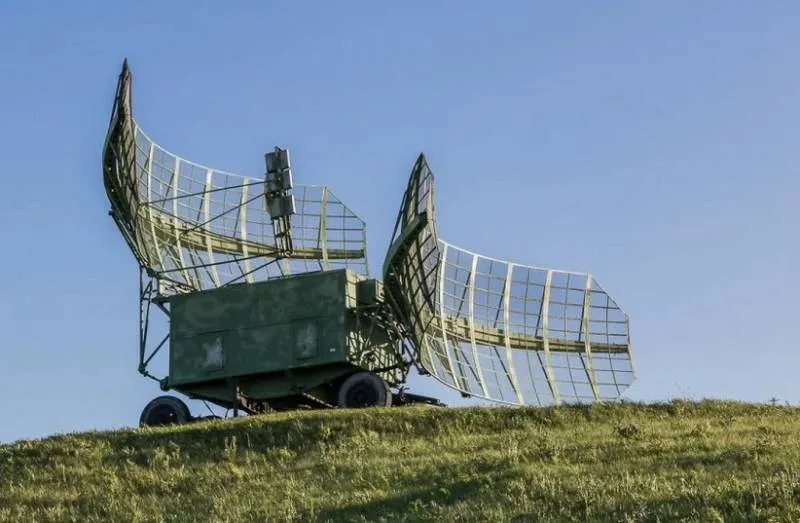
Radar P-35
A number of sources state that modified P-35 Monika radars, manufactured under Soviet license at the Warsaw radio factory Radwar, also operated in Yugoslavia.
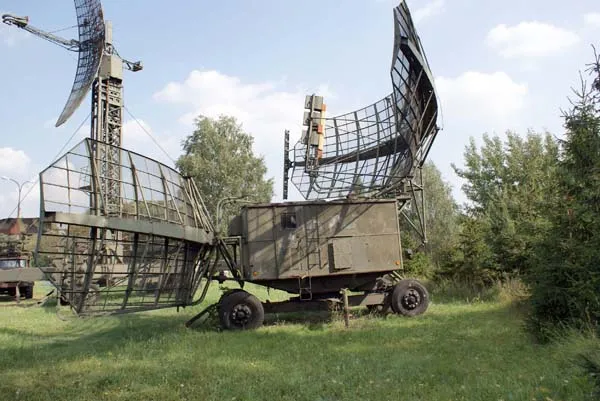
The P-35 Monika radar and PRV-11 radio altimeter are on display at the museum.
The P-35 Monika radar transmitted in the centimeter frequency range. The antenna rotated at 7 rpm. A MiG-17 fighter flying at 1800 m could be detected at a range of 100 km. The maximum detection range for large, high-altitude targets was up to 350 km. Since the station required at least 10 hours to deploy, it was usually stationed in a fixed position.
In 1999, all Yugoslav P-35 radar positions were hit by airstrikes, rendering the radar stations inoperative. However, shortly after the end of the conflict, two radars were restored to service and remained in service until 2005.
Along with the SA-75MK Dvina SAM system, the JNA air defense forces received at least five P-12 Yenisei (1RL14) meter-band radars in the early 1960s. In total, including the upgraded P-12M radars, at least two dozen of these stations were delivered. The P-12 radar is capable of detecting large aerial targets at a range of up to 180 km. Its ceiling is 25 km. Unlike the bulky P-14F, the P-12 is quick to deploy and dismantle.
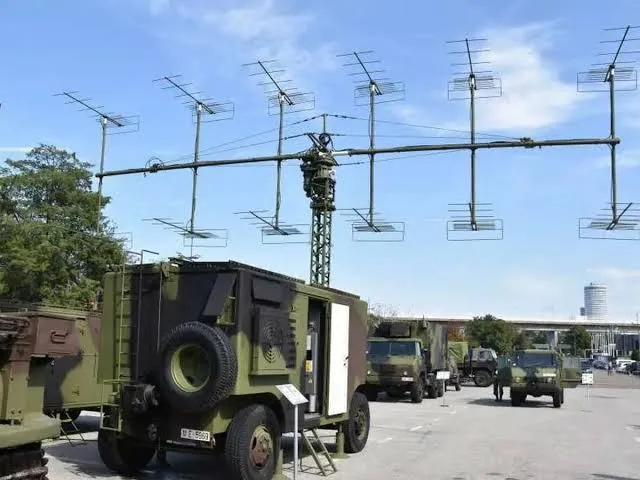
The modernized P-12M radar at the Serbian air base Batajnica
Although the newest P-12M radars are over 50 years old, the relative simplicity of their design and high maintainability allow them to remain in service. As of 2025, five P-12Ms were in service with the Serbian Joint Air Force and Air Defense Force. To extend their service life and improve their operational characteristics, the older Soviet-made radars were extensively modernized, transitioning to solid-state components, along with major overhauls. The modernization program was developed by Yugoimport in the second half of the 1990s, but was not implemented until the 21st century.
The upgraded P-12Ms are equipped with digital signal processing systems, new control panels, and modern radar display systems. To improve operator comfort, the cockpits are equipped with air conditioning. Upgrading such old radars is undoubtedly a necessary measure to at least partially close the gaps in the radar field. However, even very old meter-wave radars possess a significant advantage: they can effectively detect aircraft built using low-observable technology. Currently, upgraded P-12Ms are on duty in western Serbia near the Croatian border near the town of Sombor.
In the early 1970s, the Yugoslavs received mobile radar stations P-15 "Tropa" (1RL13), which were subsequently used in radio-technical units assigned to anti-aircraft rocket regiments and brigades of the S-125M/M1A Pechora air defense missile systems and 2K12E Kvadrat mobile military complexes (export version of the Kub air defense missile system).
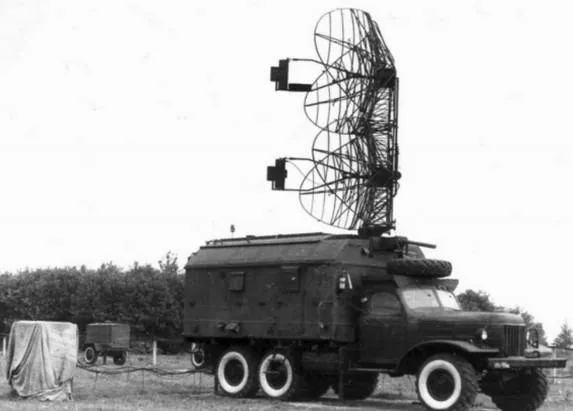
Radar P-15
The P-15 was the first Soviet radar specifically designed for detecting low-altitude aerial targets. This two-dimensional decimeter-wave radar, mounted on a ZiL-157 chassis, was capable of detecting aircraft at ranges of up to 140 km and altitudes of up to 3000 m.
Several low-altitude P-15 radars survived the NATO aggression against Yugoslavia in 1999, but due to wear and tear and a shortage of spare parts, these stations were decommissioned approximately 20 years ago. Unlike other Soviet-made radars, modernization of the P-15 in Serbia was deemed irrational.
In the late 1970s, alongside the S-125M1A Pechora SAM system, the Yugoslav Air Defense Forces adopted the mobile P-18 Terek (1RL131) radar. The P-18 meter-wave radar was developed in 1971 based on the P-12MP radar by upgrading its electronics to a newer electronic base. Simultaneously, the radar was integrated with the newly developed Kremniy-2M national identification radar system. Its high technical characteristics, ease of use, reliability, easy maintainability, and high mobility led to the widespread adoption of this type of radar.
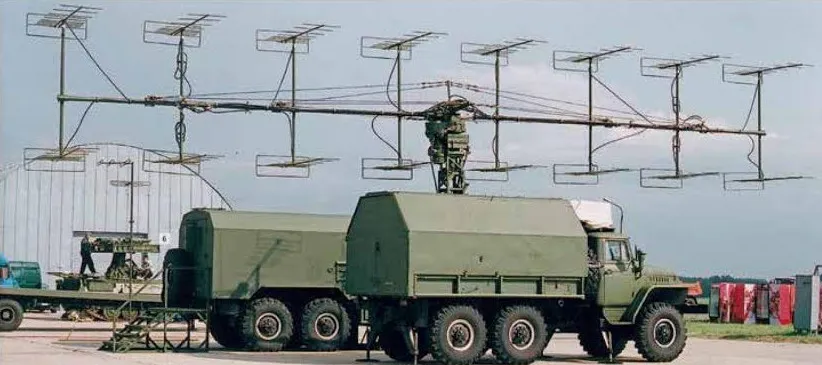
Radar P-18
All of the station's equipment is mounted on two Ural-375 vehicles. One of these vehicles houses the electronic equipment and operator workstations, while the other houses the antenna mast. In the absence of interference, the P-18 radar is capable of detecting high-altitude aerial targets at a range of up to 260 km.
According to Serbian data, P-18 radars played a key role in 1999 in detecting NATO aircraft bombing Serbian territory. By 2012, all remaining operational radars of this type had been overhauled and modernized, with upgrades to new components and modern radar data processing and display systems. According to reference data, five P-18 radars are operational.
In the late 1970s and early 1980s, along with the 2K12E Kvadrat mobile air defense missile systems, Yugoslavia acquired at least twelve P-40 Bronya (1S12) radars on an extended AT-T tracked chassis.
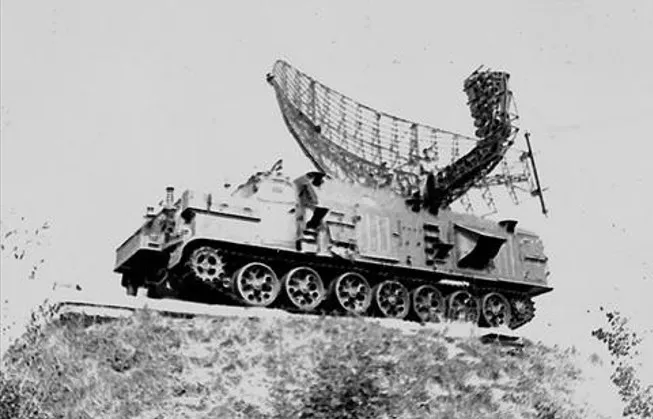
P-40 radar in position
All components of the P-40 self-propelled radar are housed on a single vehicle, weighing 36 tons when fully loaded. The radar, operating in the centimeter range, enables detection of a MiG-21 fighter at a range of 70 km at a target altitude of 500 m, 150 km at an altitude of 6 km, and 180 km at an altitude of 12 km. On the original, unupgraded version of the P-40, a well-trained operator could reliably track 10 aerial targets.
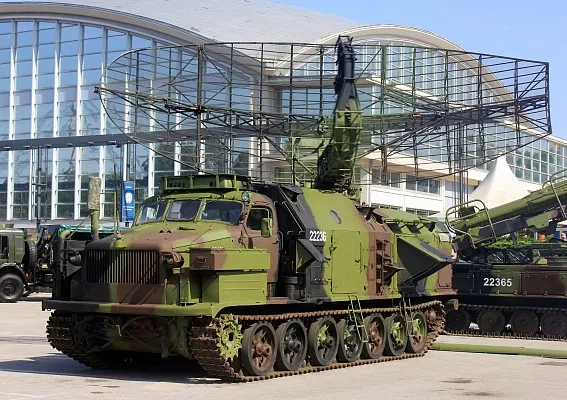
Modernized Serbian P-40 radar
The Serbian Armed Forces still operate three overhauled and modernized P-40 radars, whose main purpose is to provide target designation for the 2K12E Kvadrat air defense missile system.
In the radio-technical units attached to the anti-aircraft missile regiments, where the P-15, P-18 and P-40 radio rangefinders were used, there were PRV-16B "Reliability" (1RL132B) radio altimeters.
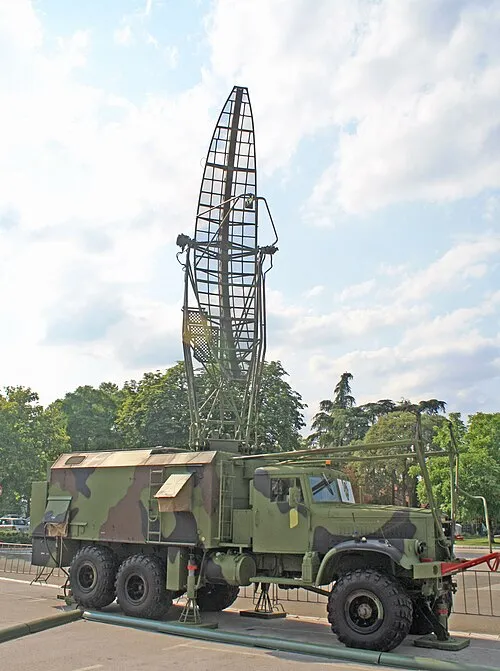
The PRV-16B radio altimeter at the Granit-2023 military equipment exhibition in Batajnica
The PRV-16B altimeter, mounted on a KrAZ-255B chassis, operates in the centimeter wave range and is protected from active and passive interference, meteorological phenomena, and extended local objects. Its maximum range is 300 km. The PRV-16B does not have its own diesel generator and is powered by the P-40 radar, with which it operates in tandem.
Currently, the radio-technical battalion of the 250th Anti-Aircraft Missile Brigade of the Serbian Air Defense, which includes several divisions of the 2K12E Kvadrat SAM system, operates three modernized PRV-16B radio altimeters.
Yugoslav-made radars
Along with acquiring radar equipment abroad, Yugoslavia attempted to develop its own surveillance radars, with the main work in this area being carried out at the Rudi Čajavec company in Banja Luka. In 1958, a mobile radar was developed jointly with the French company Thomson and accepted into service under the designation M-61 "Fruška Gora." The radar's name derives from the Fruška Gora mountain range in Serbia. Serial production began in 1961. A total of 34 stations were delivered.
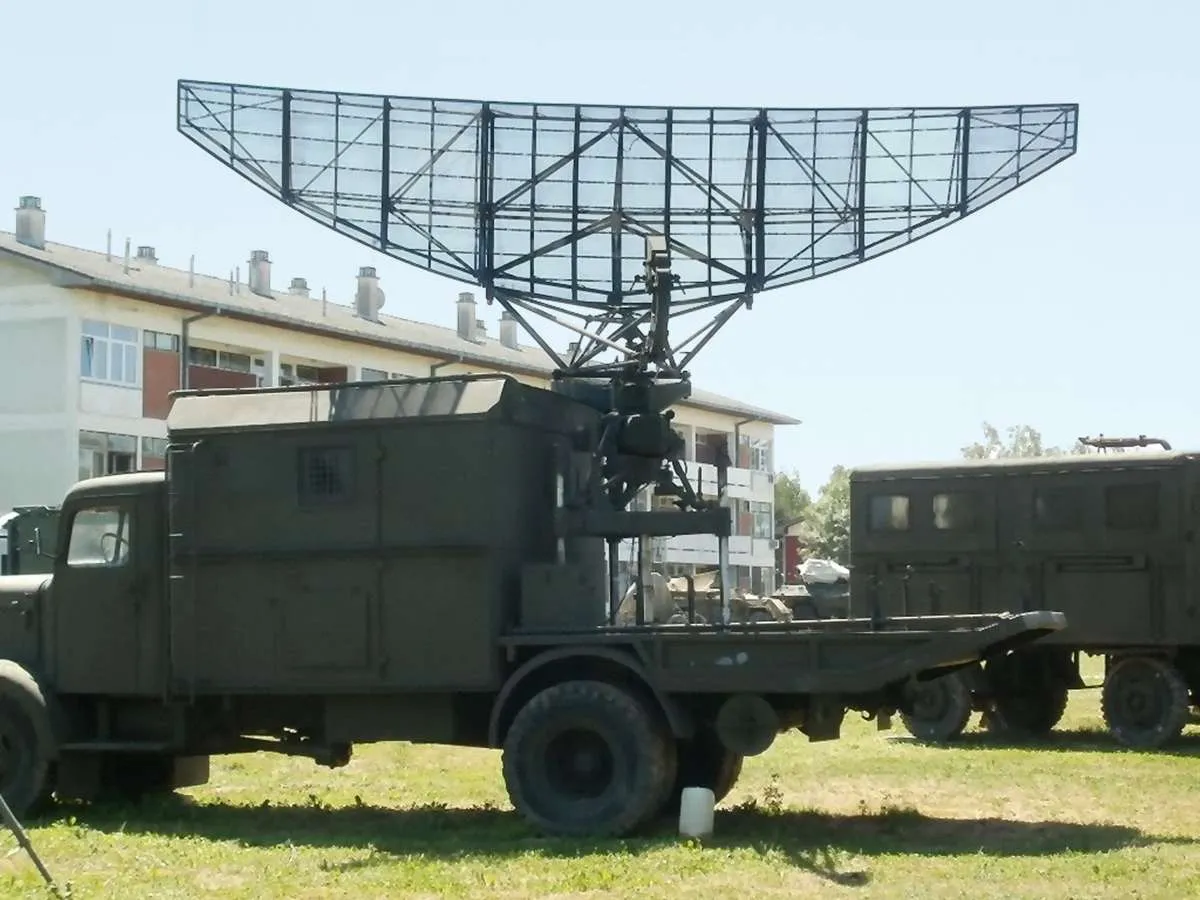
The M-61 "Fruška Gora" radar is on display at the museum.
The first batch of Yugoslav M-61 radars contained many imported components, but by the time production ended in 1968, localized assembly had exceeded 80%. The station was mounted on the chassis of a FAP-13 Njuškaš truck and operated at frequencies of 1,2–1,4 GHz. The instrumented range was 180 km. Experienced operators could convert the radar from traveling to operational mode and back in 30 minutes.
Initially, the M-61 radar was widely criticized for its low reliability and insufficient positioning accuracy. Military personnel noted that, as an early warning radar assigned to the SA-75M Dvina SAM battalion, the Yugoslav M-61 was significantly inferior to the Soviet P-12. However, approximately 10 years after production began, the performance of existing radars was improved by upgrading existing units, allowing them to be used in secondary roles until the early 1990s. The last station of this type, used as a weather radar, was decommissioned in 2002.
Although several electronics manufacturing companies operated in Yugoslavia, such as Ei Niš, RIZ and Iskra, which actively collaborated with Western companies such as Philips, Telefunken and Thomson, no other indigenously developed radars other than the M-61 were produced in the SFRY, and local electronics factories operating in the defense sector were engaged in the production of communications equipment, combat control systems and the licensed manufacture of foreign radars and spare parts for them.
In the early 1980s, to control the actions of anti-aircraft artillery Yugoslavia purchased several Giraffe 75 (PS-90) mobile radars from Sweden and, after successful military tests, received a license from Ericsson for their production.
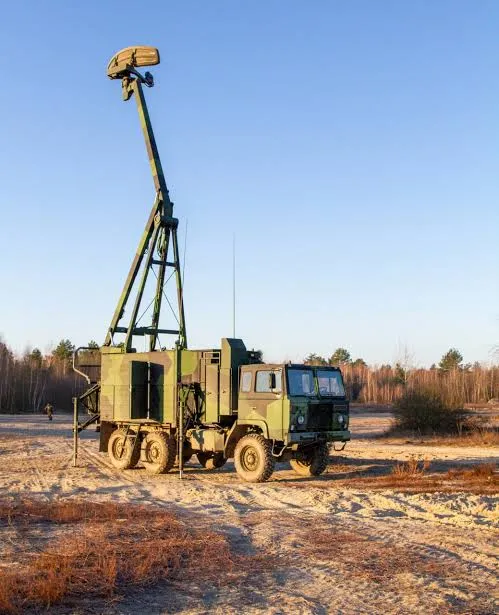
Giraffe 75 radar
The Giraffe 75 two-dimensional radar, operating in the 4,5–6 GHz frequency range, was specifically designed for detecting low-altitude aerial targets. The station is equipped with a folding mast that raises a rotating antenna to a height of 13 meters. Scania TGB-40 or TGB-45 all-terrain trucks with a payload capacity of over 5 tons were used as a base. The Giraffe 75 radar has a range of 75 km and an altitude reach of 10 km.
Based on the Giraffe 75 radar, specialists from the Military Technical Institute (VTI) in Belgrade have created the M85 “Žirafa” station, adapted to local conditions.
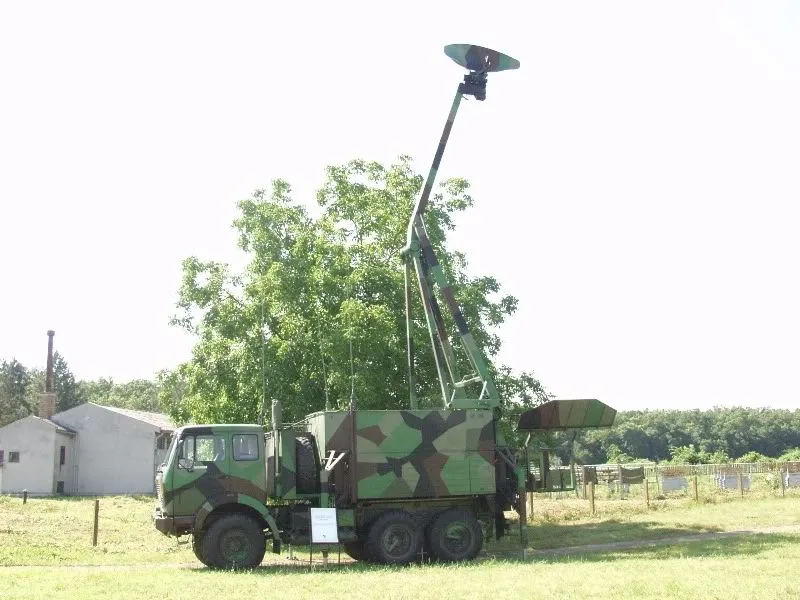
M85 "Žirafa" radar
The radars were assembled at the Rudi Čajavec plant in Banja Luka. Components were supplied by the Swedish company Ericsson and Yugoslav radio factories. In terms of their main characteristics, the Yugoslav-made M85 "Žirafa" radar was identical to the Swedish Giraffe 75. FAP 2026 trucks served as the chassis for the Yugoslav-assembled radar. The number of M85 "Žirafa" radars delivered to the JNA is unknown, but these radars are still in service with 40mm Bofors L/70 anti-aircraft guns, and their total number is 18.
Western-made radars
One of the most widely used radar types in the JNA as of the mid-1960s was the AA No. 3 Mk. 7 radar. This radar, also known as Blue Cedar, was developed by the British company British Thomson-Houston based on the American SCR-584 gun guidance station shortly after the end of World War II.
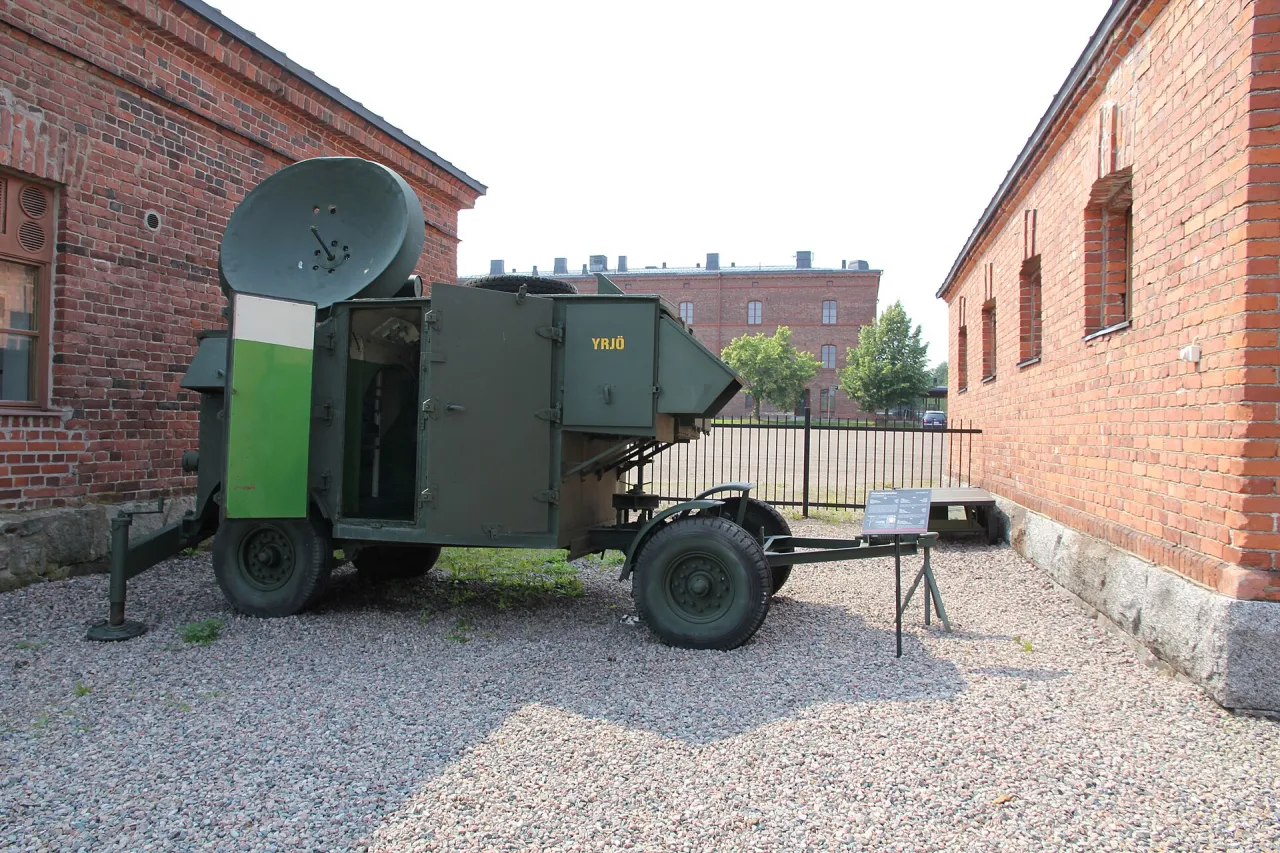
AA No. 3 Mk. 7 radar on display at the museum
The station's hardware and operators were housed in a towed van weighing approximately 5 tons. The parabolic antenna rotated at 20 rpm and transmitted in the 3000–3120 MHz frequency range. The detection range for large aircraft at medium altitudes reached 60 km.
Initially, British-made Blue Cedar radars were used in Yugoslavia to monitor airspace around military airfields. However, the AA No. 3 Mk. 7 soon ceased to satisfy air traffic controllers in terms of range, and the reliability of the radar in standby mode proved poor. Consequently, approximately two dozen AA No. 3 Mk. 7 radars were assigned to anti-aircraft artillery, and they fully met the requirements for gun guidance stations until the early 1970s.
Along with the P-14F, P-35, and P-35 Monika semi-stationary standby radars manufactured in the USSR and Poland, Yugoslavia also operated British and American-made radars. In the early 1970s, British Marconi S-605 surveillance rangefinders and S-613 altimeters were acquired.
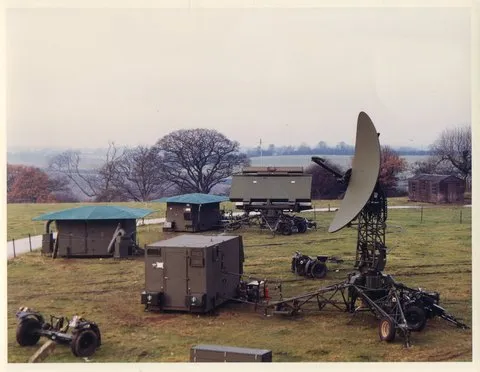
Marconi S-605 and S-613 radars
These stations, part of the Marconi S-600 family of radars, were among the best in terms of cost-effectiveness when they were introduced in the late 1960s, had very good performance, high reliability, and a modular design that made them easy to repair and upgrade.
The S-605 two-dimensional surveillance radar with a 5,5 x 1,83 m antenna reflector operates at frequencies of 1,250–1,365 GHz. The detection range for targets with a 5 m² radar cross-section is 270 km. The S-613 radio altimeter has a maximum instrumented detection range of 280 km and a ceiling of over 30 km. These radars boast high jamming immunity and maintainability, which has allowed them to remain in service to this day. The most frequently failing components for British Marconi radars were manufactured at Yugoslav factories.
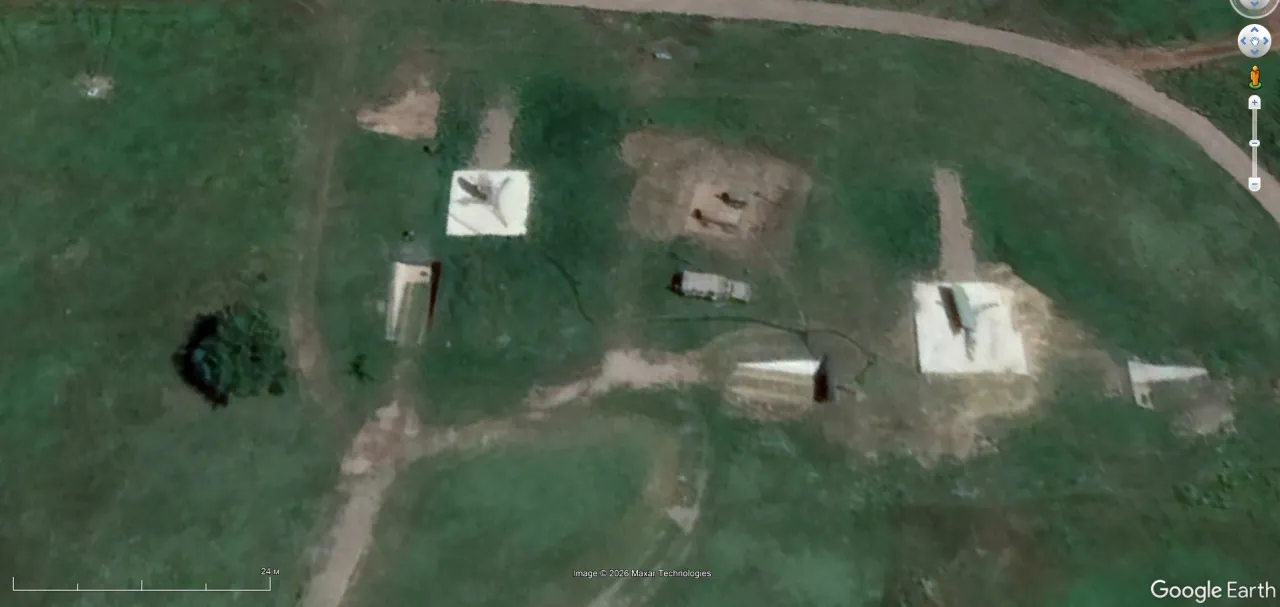
Google Earth satellite image: S-605 radar and S-613 radio altimeter positioned 5 km west of Stara Pazova. The image was taken in August 2021.
The Marconi S-654 radar is a fixed-mount antenna radar. Operating at frequencies of 1295–1365 MHz, it has two operating modes, with pulse power of 0,8 MW or 2,3 MW. Instrumented ranges are 185 or 320 km.
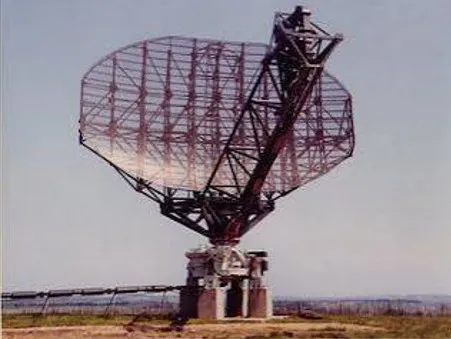
Marconi S-654 radar antenna post
The radar post, consisting of an S-654 surveillance radar and an S-613 radio altimeter, is located in a mountainous area in the west of the country, near the village of Draglitsa.
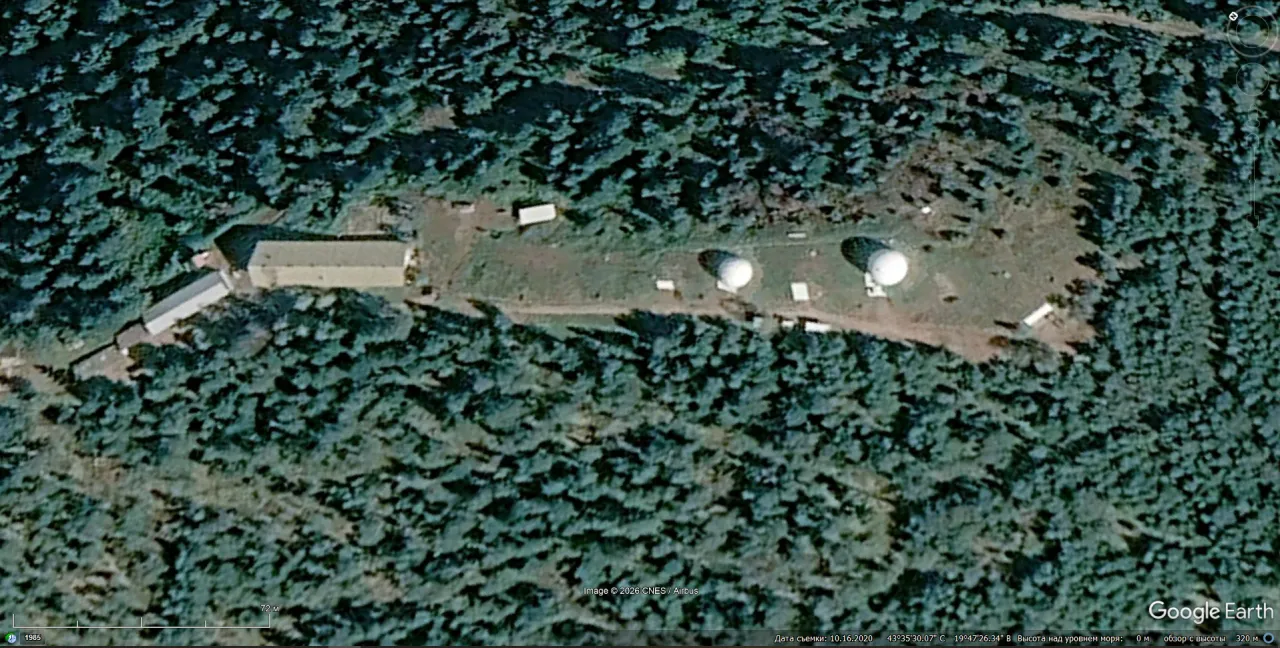
Google Earth satellite image of the S-654 radar and S-613 radio altimeter positioned 6 km east of Draglitsa. The image was taken in October 2020.
The antennas of the Serbian S-654 radar and S-613 radio altimeter, located in Western Serbia in the Nova Varoš municipality of the Zlatibor district, are covered with radio-transparent plastic domes to protect them from adverse meteorological factors.
In mid-1981, Yugoslavia signed a contract for eight American-made AN/TPS-63 mobile radars under the Foreign Military Sales program. The radars were delivered to the customer in 1983. Four radars were transferred to the Air Defense Forces, and four more were assigned to the civilian Air Traffic Control Service.
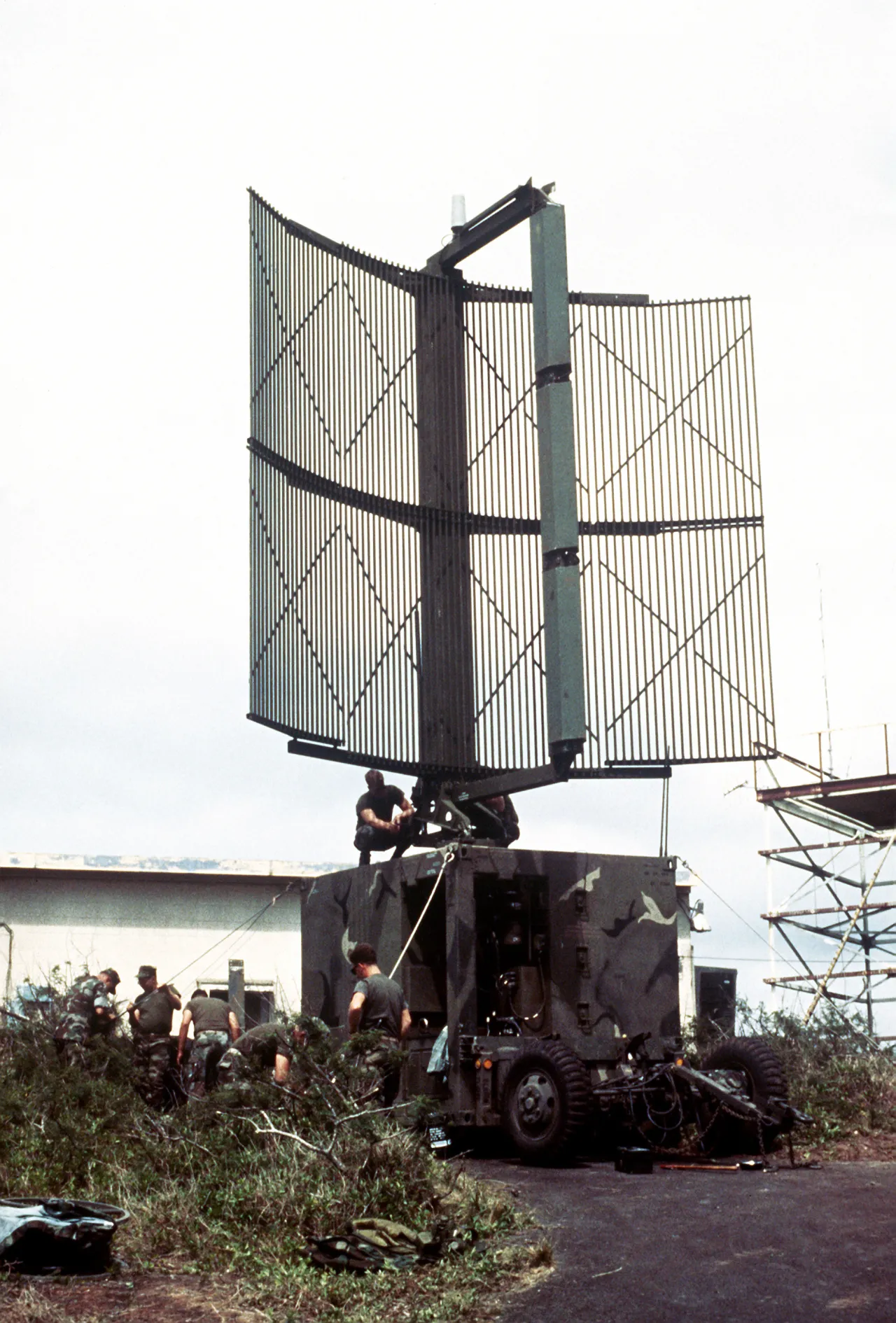
Radar AN / TPS-63
The two-dimensional station, developed by Westinghouse, operates in the 1250–1350 MHz frequency range and features improved interference immunity thanks to digital selection of moving targets with four-fold compensation to filter out ground reflections. The system also features protection against passive interference (clouds, heavy rain) and pulse-to-pulse frequency agility. The instrumented range reaches 260 km. All hardware, including the antenna, was mounted on a single semitrailer.
In the 21st century, the radar was upgraded to the AN/TPS-63B version. The outdated traveling-wave tube transmitters were replaced with modern solid-state modules, significantly increasing reliability and reducing maintenance time. According to reference data, two modernized stations are still in service with the Serbian military.
Following the AN/TPS-63 radar, Yugoslavia acquired four AN/TPS-70 radars in 1983, which were delivered to the JNA in 1985.
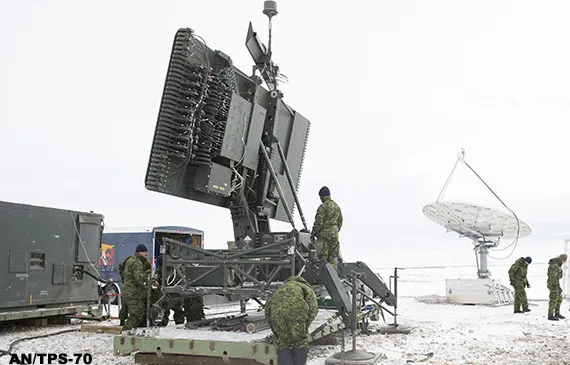
Radar AN / TPS-70
The AN/TPS-70 is a mobile three-dimensional phased array radar operating at frequencies of 2,9–3,0 Hz. Developed and manufactured by the American company Westinghouse, the radar is designed for airspace surveillance, target designation for air defense systems, and fighter aircraft guidance. Its instrumented range is 450 km. Radar information is updated every 10 seconds.
In 1999, one of the radars was destroyed by NATO forces during the bombing of Yugoslavia. Serbia operates five AN/TPS-70 radars. Three of these stations were inherited from the JNA, and Serbia purchased two more used radars from Slovenia in 2016.
In December 2021, Serbian media reported the signing of a contract for the supply of Ground Master radars (GM200 and GM400) manufactured by the French company Thales Group.
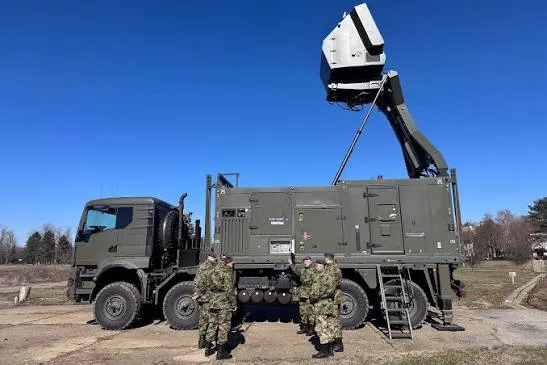
GM200 radar
The GM200 three-dimensional mobile radar is mounted on a heavy-duty four-axle truck chassis and operates in the S-band. Its instrumented range is 250 km. Its operational ceiling is 24 km. The antenna rotates 20 times per minute. The station is adapted for detecting low-observable aerial targets at low altitudes. It can be converted from operational to operational mode and back in 15 minutes. A total of six GM200 mobile radars have been ordered. Each station costs €14,5 million.
The GM400 radar, designed for long-term surveillance, has a longer range. This active phased array (AESA) radar operates in the 2,9–3,3 GHz frequency range and has a detection range of up to 470 km for large, high-altitude targets and a target ceiling of 30 km.
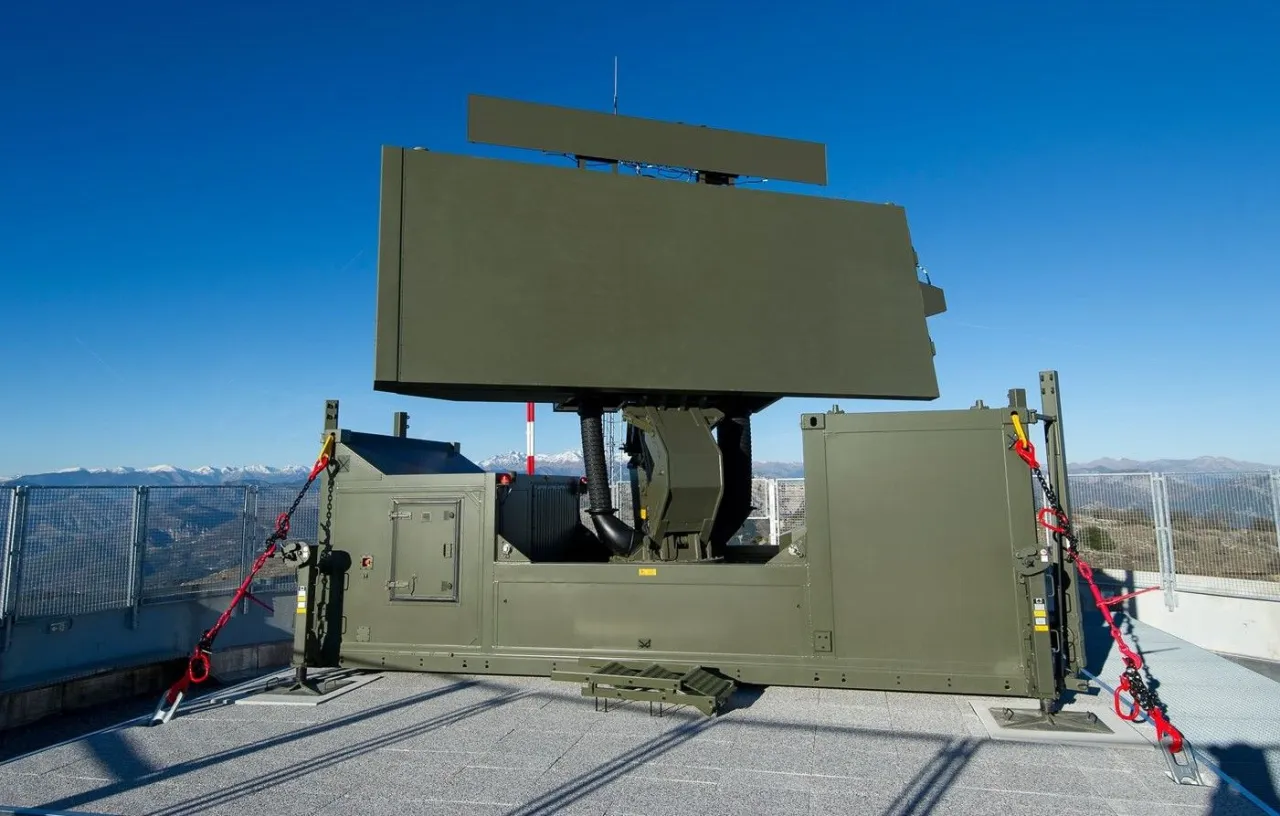
GM400 radar antenna post
The GM400 radar is built using state-of-the-art components and boasts high reliability, rapid upgradeability, and software updates. Particular attention is paid to the detection of low-altitude targets in electronic countermeasures environments. The station detects fighters, ballistic and cruise missiles, hovering helicopters, as well as small and slow aircraft. Drones at low altitudes. Thanks to its high energy potential and advanced signal processing methods, it was possible to achieve very high levels of interference immunity. All radar equipment is housed in a container-type module and can be transported by road, rail, or C-130 military transport aircraft.
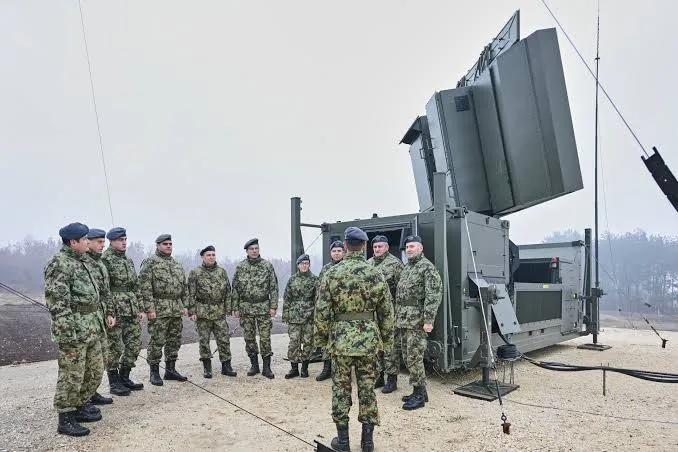
Serbia ordered four such stations, associated equipment, and personnel training worth approximately €80 million. The first GM400 radar arrived in the country in 2023. More radars of this type are expected to be purchased in the future, providing airspace coverage over the entire country.
In total, according to the agreement with France, it is planned to purchase 22 radars, including the compact low-altitude GM60 and GS40.
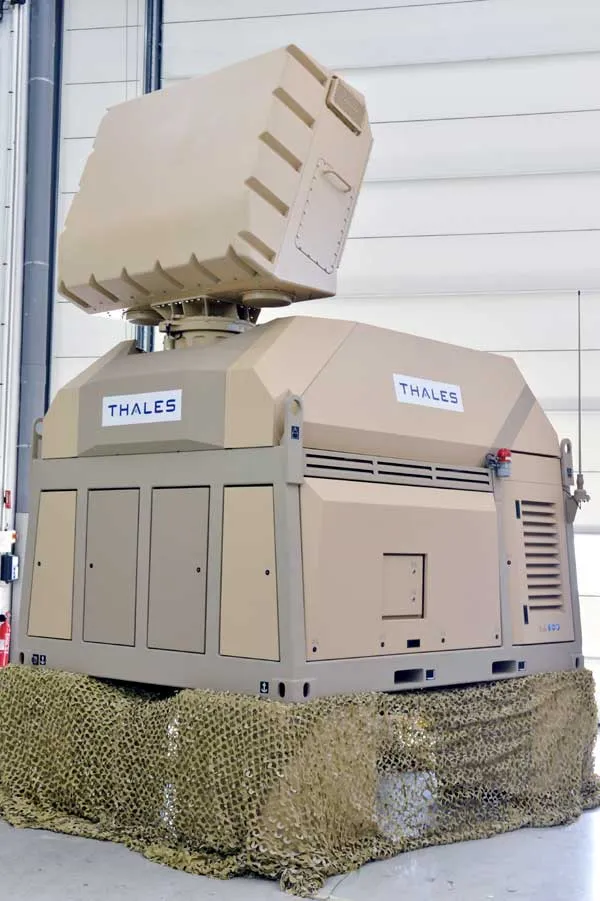
GM60 Removable Radar Module
The highly automated GM60 three-dimensional radar weighs approximately 3,5 tons and can be mounted on relatively light vehicles. The station operates in the centimeter frequency range, is equipped with an integrated power generator and air conditioning system, and has a detection range of up to 80 km. In addition to detecting low-flying aircraft, cruise missiles, and UAVs, it can also detect artillery shells, mortar shells, and multiple rocket launchers on the move, and determine the coordinates of firing positions.
The GS40 mobile three-dimensional radar was developed jointly by the French company Thales Group and the Danish company Weibel. This universal station, mounted on various self-propelled carriers, is designed for air situation monitoring, searching for small targets, drones and identifying the positions of artillery ammunition, and can also be used as part of mobile air defense systems.
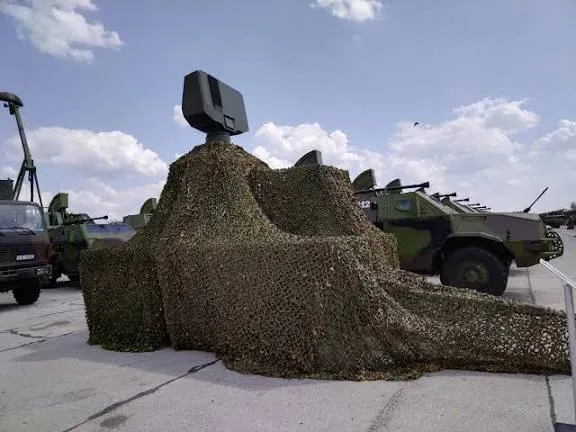
GS40 radar
The radar, operating in the 8–10 GHz band, is optimized for detecting small targets with low radar cross-sections, including quadcopters and compact aircraft-type kamikaze drones. Its compact size allows the station to be mounted on MRAP armored vehicles and operate while convoys are moving. The instrumented range is 50 km, but small, low-flying UAVs can be detected at a distance of approximately 10 km.
Chinese-made radars
In the 21st century, close military-technical cooperation between Belgrade and Beijing began, and Serbia acquired several Chinese-made air defense systems. Specifically, along with the FK-3 long-range air defense system (the export version of the HQ-22), a long-range radar, designated TTDR in the Serbian Armed Forces, was delivered.
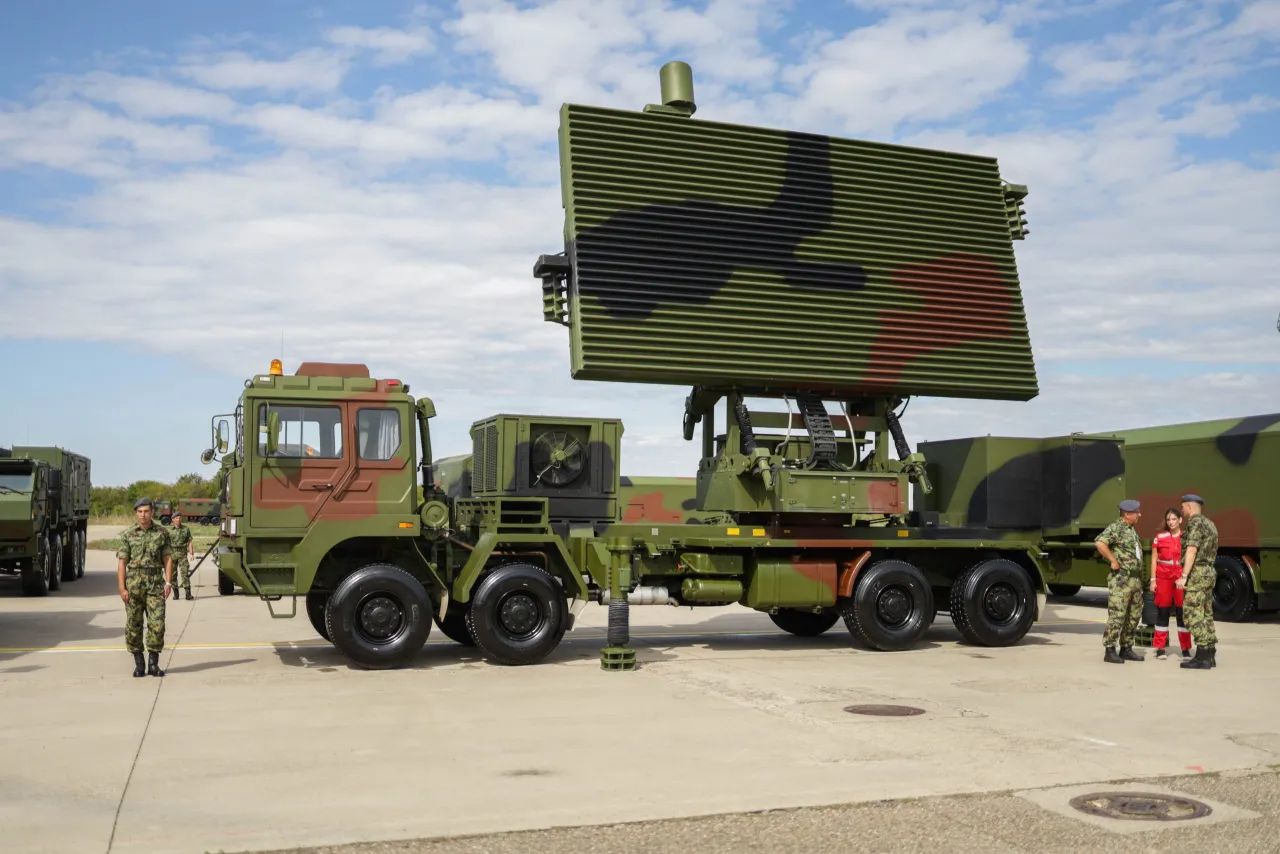
TTDR radar antenna post
Apparently, this acronym refers to the Chinese JYL-1 three-dimensional radar. This station, consisting of an antenna post and two equipment rooms mounted on three-axle all-terrain trucks, operates in the decimeter range, has an instrumented range of up to 450 km, and is capable of simultaneously tracking up to 70 aerial targets.
Serbia also received four JSG-100 mobile radars, which are directly attached to FK-3 anti-aircraft missile batteries.
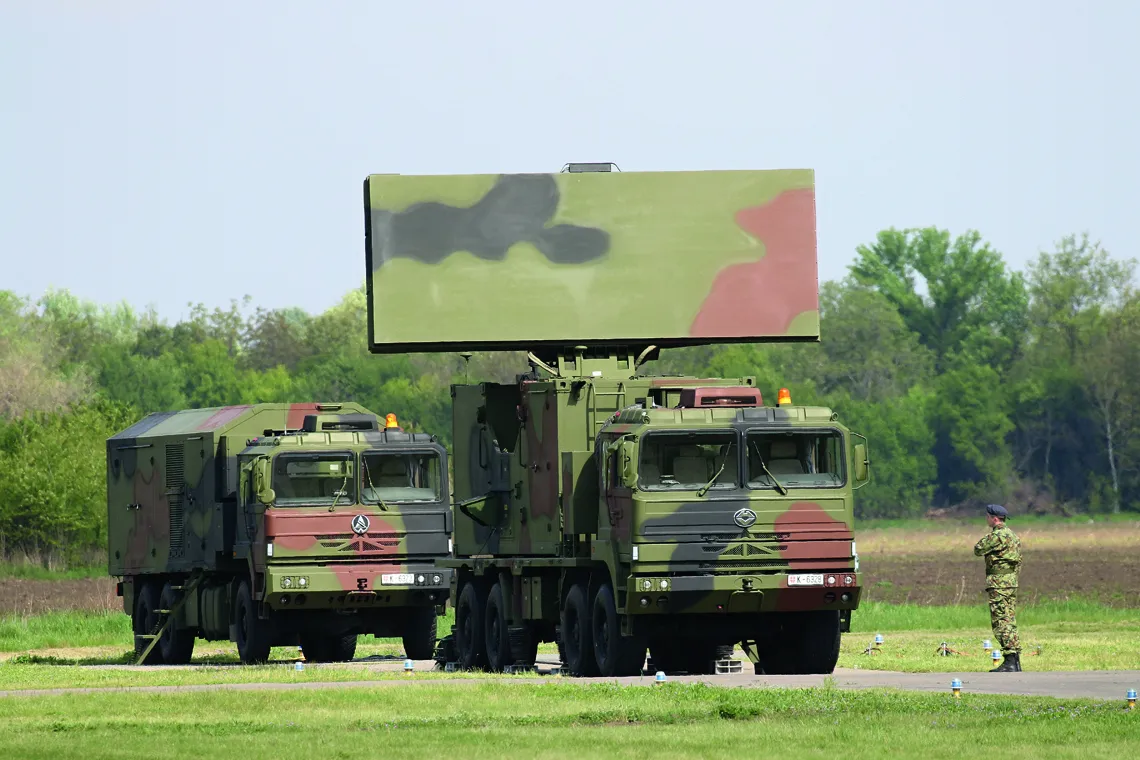
SG-100 radar
The centimeter-wave phased array radar is mounted on heavy-duty TA5350 8x8 trucks and can track air targets at a range of up to 240 km.
The status, potential and prospects of the radio-technical units of the Serbian Air Defense Forces
In total, the Serbian Armed Forces have over fifty radars of various types. The 250th Air Defense Missile Brigade operates modernized Soviet-made P-18 and P-40 radars, as well as Chinese TTDR and SG-100 radars. These mobile radars are designed to provide target designation for the S-125M1T Pechora, 2K12E Kvadrat, and FK-3 air defense missile systems.
Low-altitude radars M85 "Žirafa" and GS40 serve in the air defense battalions of the Ground Forces together with anti-aircraft artillery and short-range air defense systems.
The S-605, S-654, S-613, AN/TPS-63, AN/TPS-70, GM-200, GM-400, PRV-11, and P-12 radars are operated by personnel of the 126th Radiotechnical Air Surveillance, Detection, and Guidance Brigade. The brigade comprises two radiotechnical battalions (the 20th and 31st), a command company, and two logistics companies. The 126th Radiotechnical Brigade is tasked with maintaining radar coverage over the entire territory of the republic and coordinating with the Air Traffic Control Service.
Of the listed Serbian radars, only a small portion can be considered truly modern. The Serbian Armed Forces Command understands this and is demanding that the government acquire new radar stations that meet modern requirements.
A key element of the tactical air traffic control and air defense system is the automated AS-74 system, which collects and processes information received via wired or radio relay channels from mobile or stationary radar posts. The data is then transmitted to higher-level headquarters or directly to users such as ground-based air defense batteries or fighter aircraft control centers.
The main air defense command post in Belgrade also has an AS-84 "Bacchus" automated control system from Marconi, integrated into the country's air defense network. The system is designed for high-speed trajectory calculation and processing of radar signals from stationary and mobile three-dimensional radars.
However, the AS-74 and AS-84 command and control systems are already quite outdated and do not fully meet modern requirements. The Serbs have managed to modernize the Soviet-made K-1M "Krab-M" mobile automated control systems, designed to control the actions of an anti-aircraft missile brigade armed with the Kvadrat SAM system.
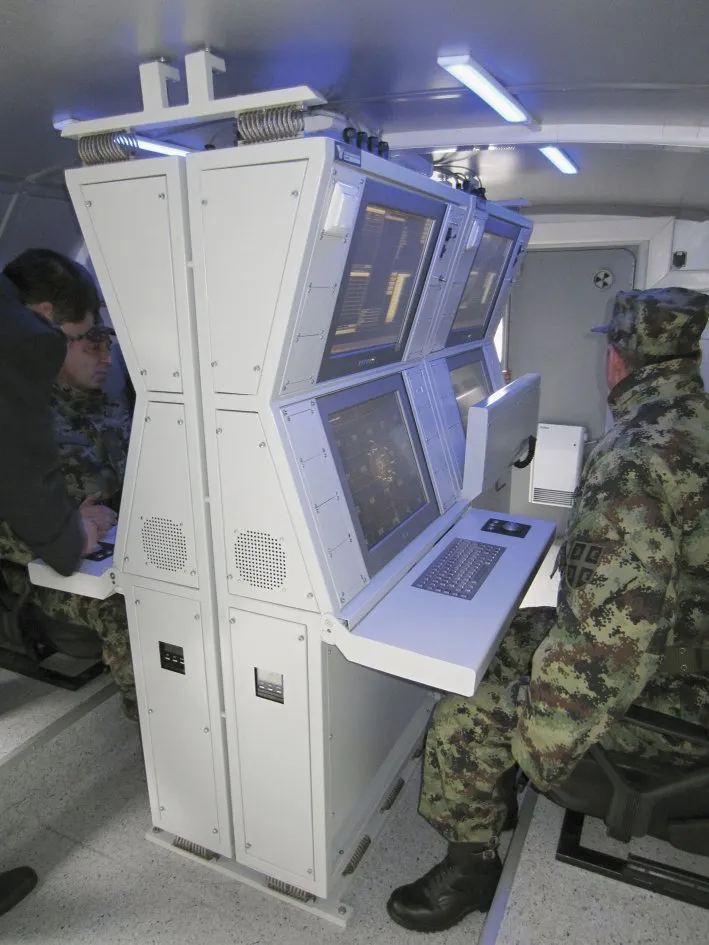
The K-1M "Crab-M" automated control system, modernized in Serbia
However, the Serbian military deemed modernizing the entire global air defense and air force command and control network, built on equipment dating back to the 1980s, irrational. A search is currently underway for new automated control systems based on high-speed, modern computing systems, up-to-date information display systems, and secure broadband data transmission channels. Moscow and Beijing could assist Belgrade in this matter, but foreign policy factors and the insufficient funding of Serbia's defense budget are preventing this.
To be continued ...
Information