Volvo Laplander C303: The "Swede" That Won the Dakar and Conquered Off-Road
8 211 32
Volvo Laplander C303: The "Swede" That Won the Dakar and Conquered Off-Road

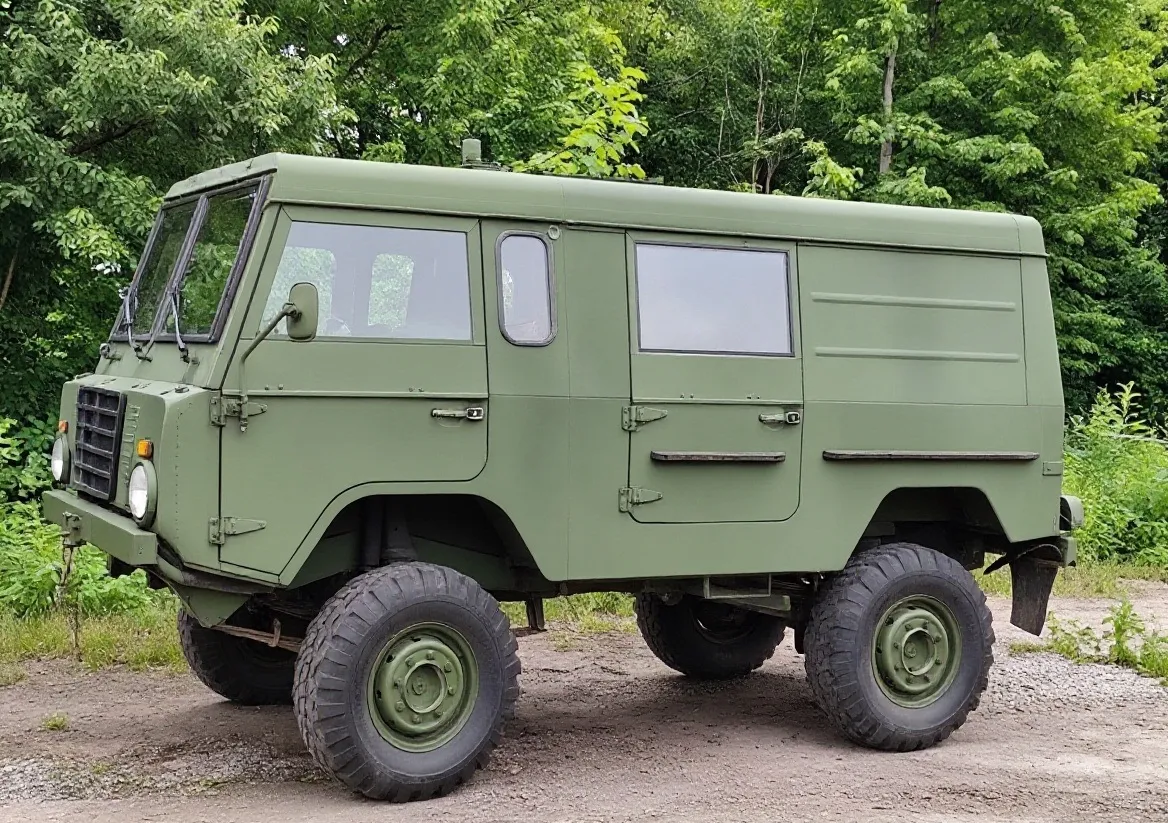
It looks like a crudely constructed box on wheels, but behind that spartan exterior lies one of the most advanced military all-terrain vehicles in the world. storiesMeet the Volvo Laplander C303.

This car is a true ghost for most off-road enthusiasts. Many have heard of it, but only a few have seen it in person, and only a select few have ever driven it. And it's no surprise: only about 8000 C303s were produced, and it was only produced for ten years.
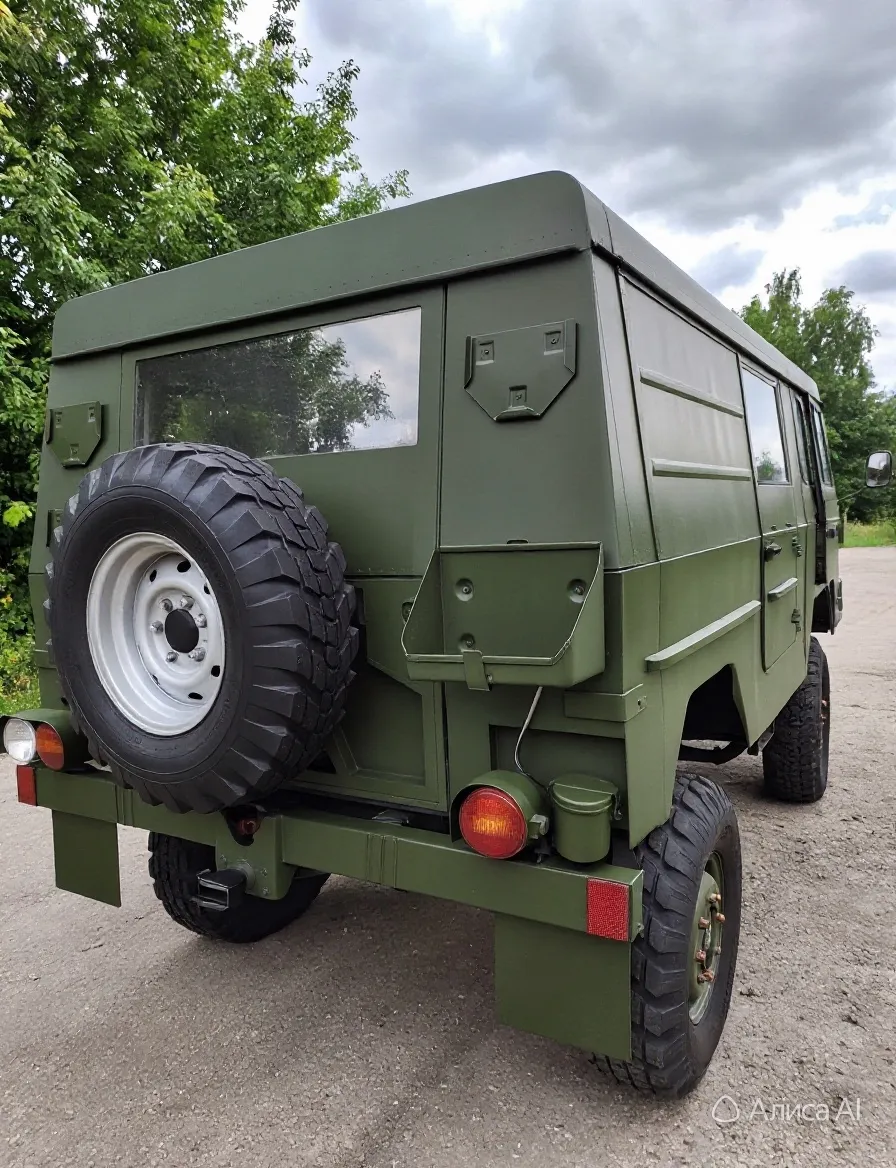


As the reader will no doubt know, Volvo is renowned for its reputation as a manufacturer of safe, reliable cars and trucks, so it is no surprise that with such a reputation, Volvo has become a supplier of military vehicles to the Swedish army.

In the 60s and 70s, Sweden was a neutral state bordering the Eastern Bloc. Although the country was largely aligned with NATO, it nonetheless remained an independent state and, despite its limited resources, always prioritized the effectiveness of its weapons.

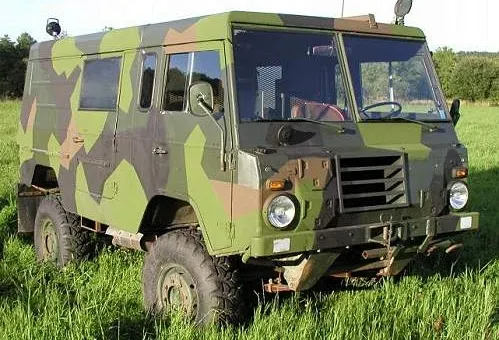
Designed for the Swedish Army as a successor to the L3314, this all-terrain vehicle, designated C303 (known in the military as the TGB 11), debuted in 1974. It was developed by the brilliant engineer Nils Magnus Hartelius. The customer demanded greater payload, space, and off-road capability, and Hartelius delivered a design that was ahead of its time. Interestingly, the C303 was never officially called the Laplander—that name was inherited from the first generation, but it stuck with the public.

Hartelius' secret weapon: portal bridges


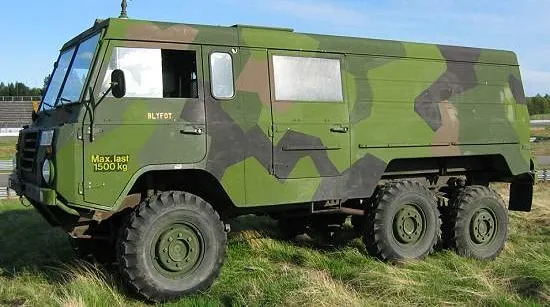
The C303's key feature is its portal axles with wheel reduction gears. What does this mean? The wheel rotation axis is located below the final drive axis. Simply put, the axles are "raised" above the wheels, providing phenomenal ground clearance. Incidentally, the C303 has 380 mm of ground clearance. For comparison, the UAZ-3159 with reduction (military) axles has 280 mm, while the standard UAZ-390945 "Bukhanka" has a slightly smaller 210 mm. The C303 retains the standard 280/85-16 tires, and the wheelbase remains short—just 2301 mm, practically the same as the UAZ-390945.
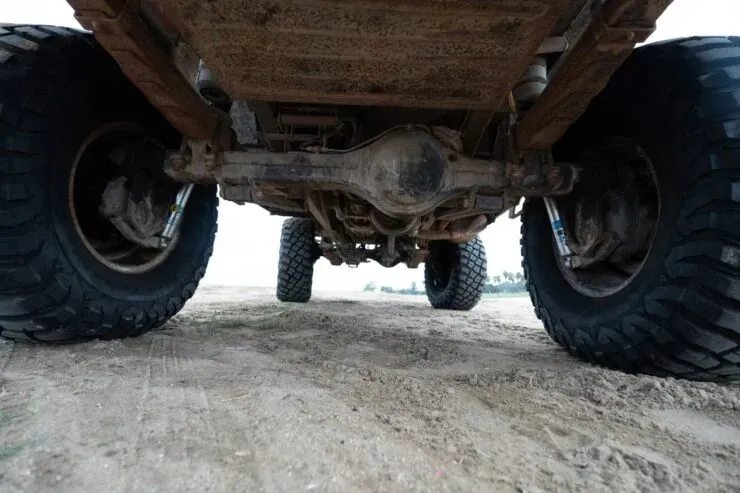
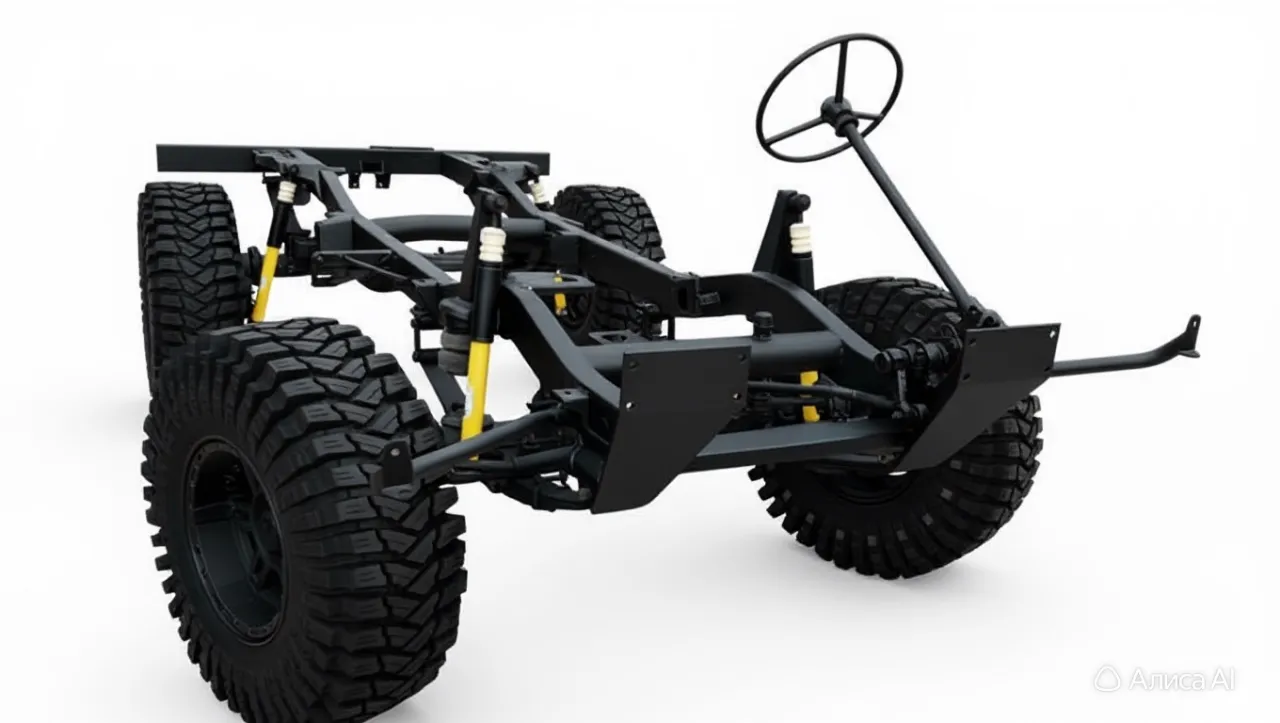

Absolutely no overhangs and perfect geometry allow this car to climb into places where even the most capable SUVs would get stuck. And with great confidence, sometimes even without the front axle engaged—just locking the rear axle was enough.

Speaking of locking systems, the differentials here are 100% positively locked by a pneumatic actuator. A center locking system is also available. The final drive ratios are 6,00:1, 7,10:1, or even 7,56:1, making the vehicle incredibly high-torque.

The heart is from a Volvo 164


Mounted under the floor between the front seats is a 30-liter B3,0A inline-six gasoline engine. This same engine was also used in the legendary Volvo 164 sedans. It produces 117 or 125 hp, depending on the trim level. While not a lot by today's standards, its 220 Nm of torque at 2800 rpm, coupled with short gearing, allows it to confidently tow the 3,3-ton vehicle through any terrain.
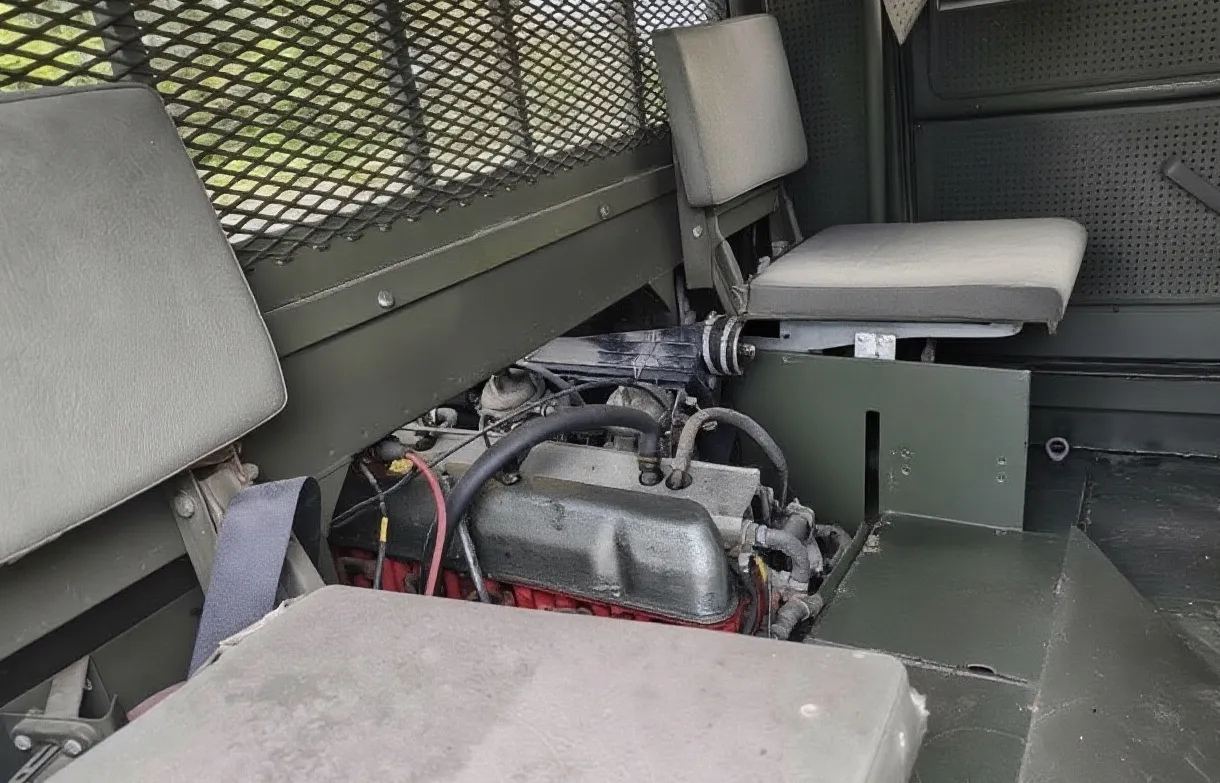
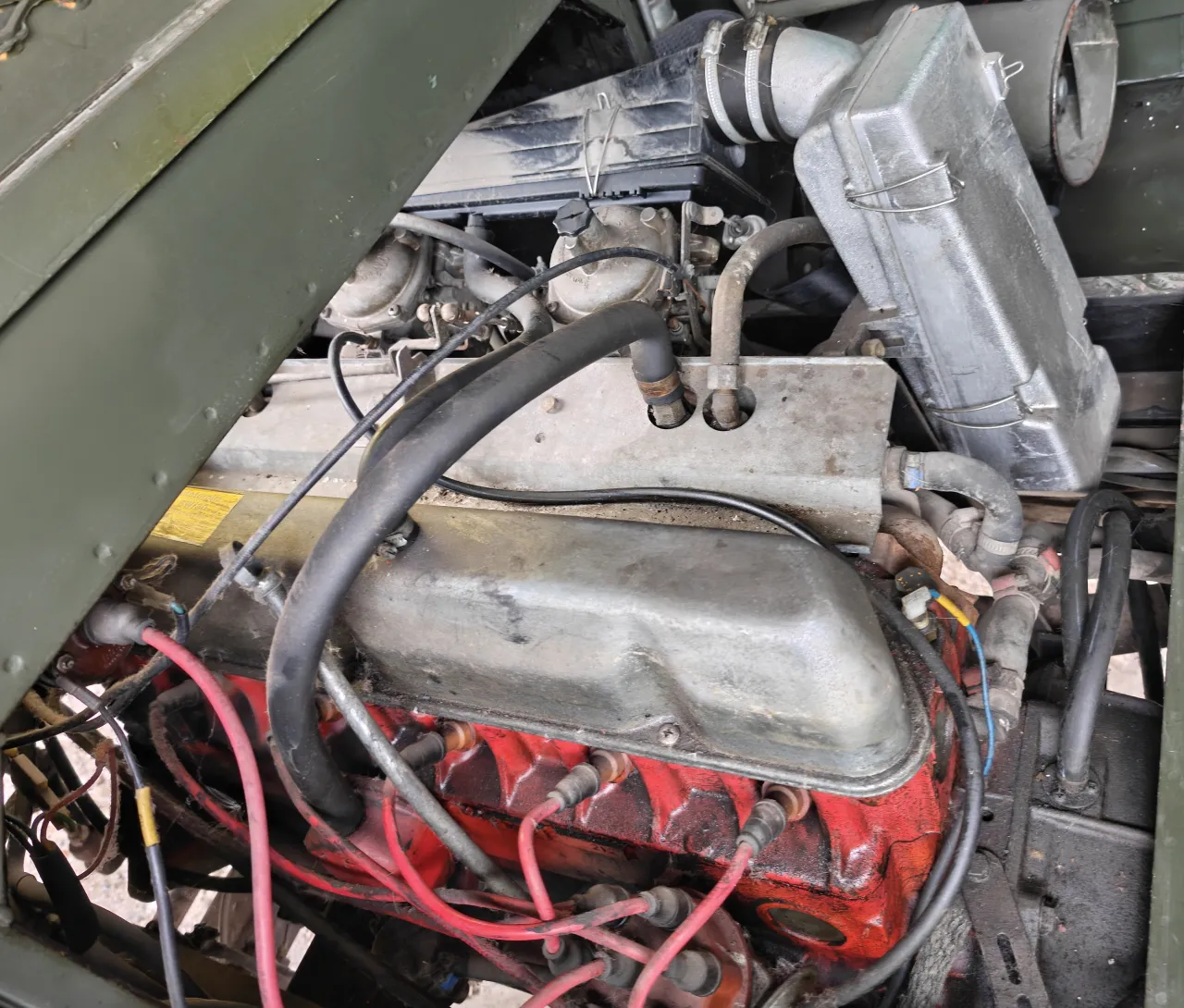

The transmission is a 4-speed manual, combined with a transfer case control. Shift down and you can climb inclines of up to 60 degrees! Top speed is a modest 100 km/h, and acceleration from 0 to 100 km/h takes 28 seconds. But does that really matter for an all-terrain vehicle designed for completely different purposes?

Dakar winner


The most remarkable chapter in the C303's history is the Paris-Dakar Rally. In 1982, two factory vehicles took the starting line, and in 1983, Hasse Henriksson's crew, driving a virtually production C303, won the light truck class.
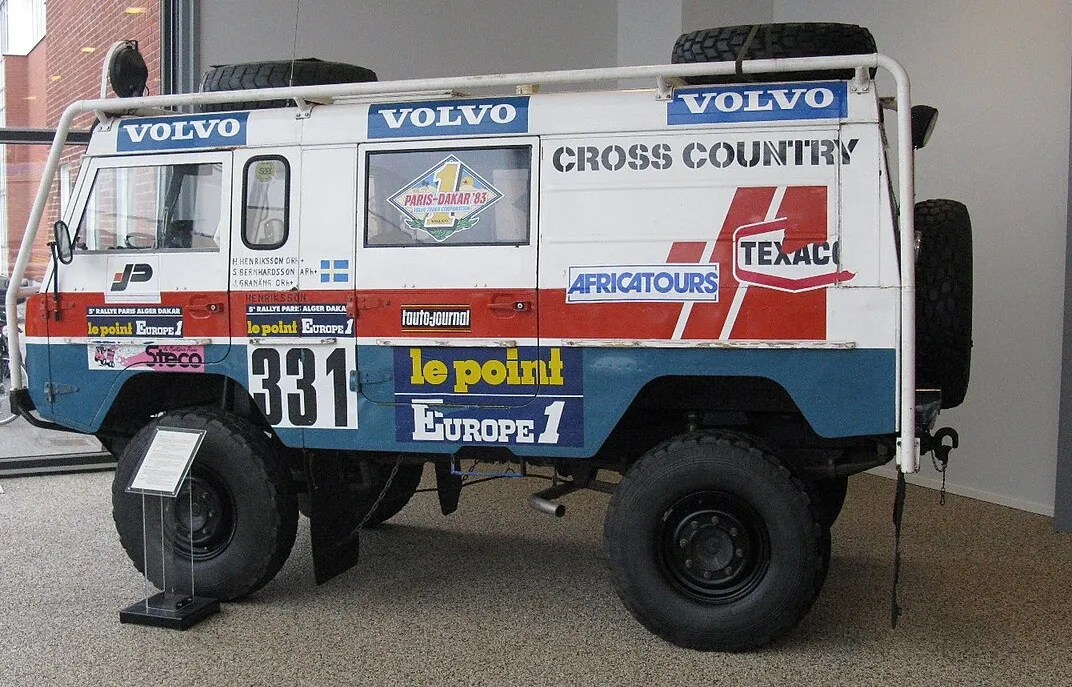

The car was barely modified: only a roll cage and a larger fuel tank were installed. The rest was standard equipment: portal axles, locking wheels, and leaf spring suspension. And this despite the fact that in 1983, the track for the first time passed through the infamous Ténéré desert, and the total distance was 12,000 km. The winning car is now kept in the Volvo Museum in Gothenburg.

Spartan but comfortable


You'd think a military vehicle would be stiff and uncomfortable. But the C303 is surprising. Entry and exit are meticulously designed—even a tall person can easily get in. The doors close with a soft, satisfying thud, despite the 2mm-thick steel body.


The interior boasts the ergonomics of a 60s truck: a wide dashboard with switches and lights right in front of your eyes. But owners often customize their vehicles, installing soundproofing, upholstering the interior with a fleece material, and installing pull-out toolboxes. The rear bench converts into a bed—perfect for hunting and fishing.

Even the fuel filler neck is located in the rear bumper, so you can fill it directly from a canister.


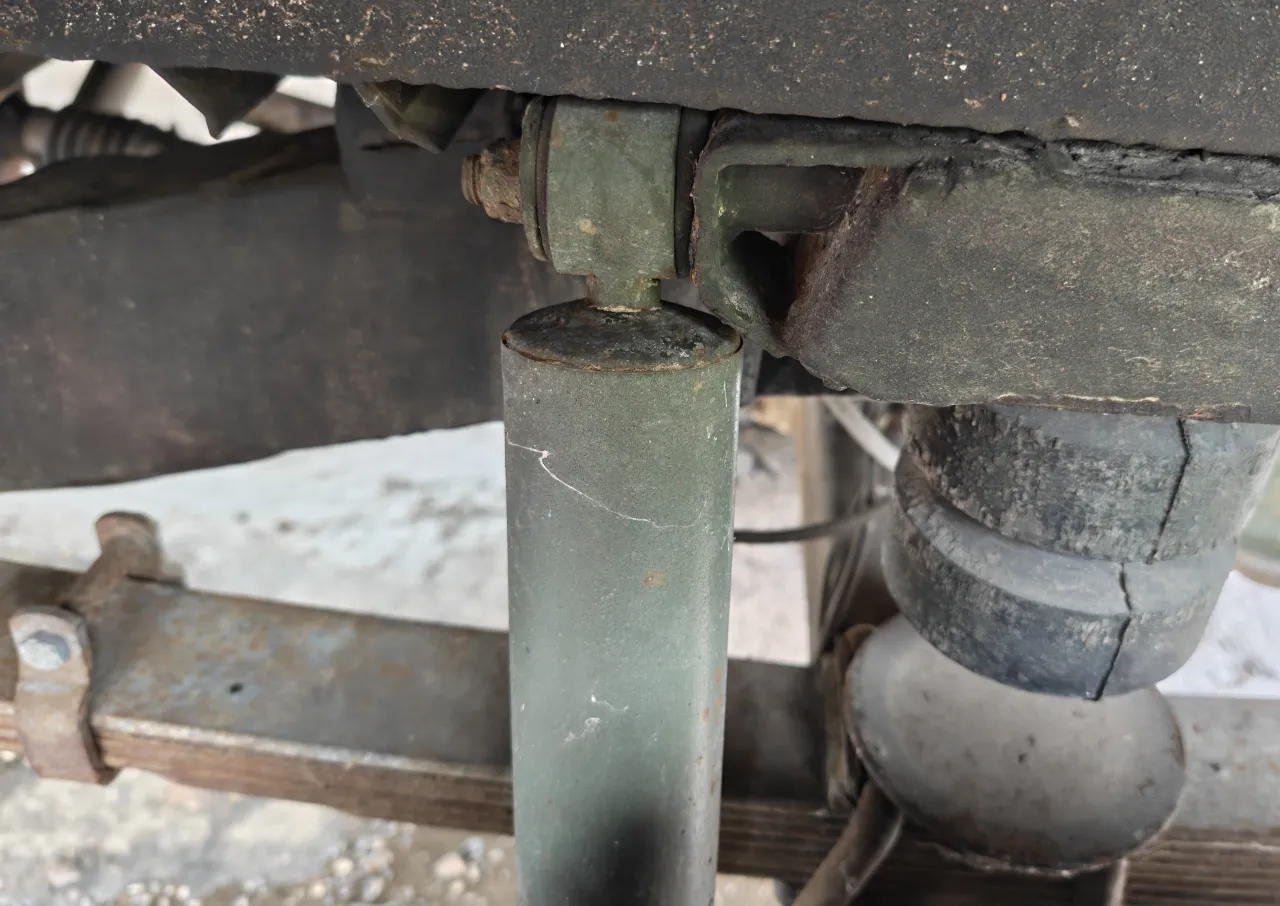
On both asphalt and dirt roads, the C303 impresses with its smooth ride—the leaf spring suspension absorbs bumps more smoothly than you might expect. However, don't expect any sound insulation: the three-liter engine, which is practically housed inside the cabin, makes its presence felt.

Second life – "Lapland bridges"


Today, original C303s are increasingly becoming the basis for tuning projects. "Laplander axles" is a term that has become firmly established in the lexicon of Russian off-roaders. They are installed on UAZs, Nivas, Land Rover Discoveries, and even Jeep Cherokees. Why? Portal axles provide the same effect as a suspension lift, but with important bonuses: ground clearance is increased by the design, not just by larger wheels and spacers, and pre-fabricated gear ratios eliminate the need for final drive selection.
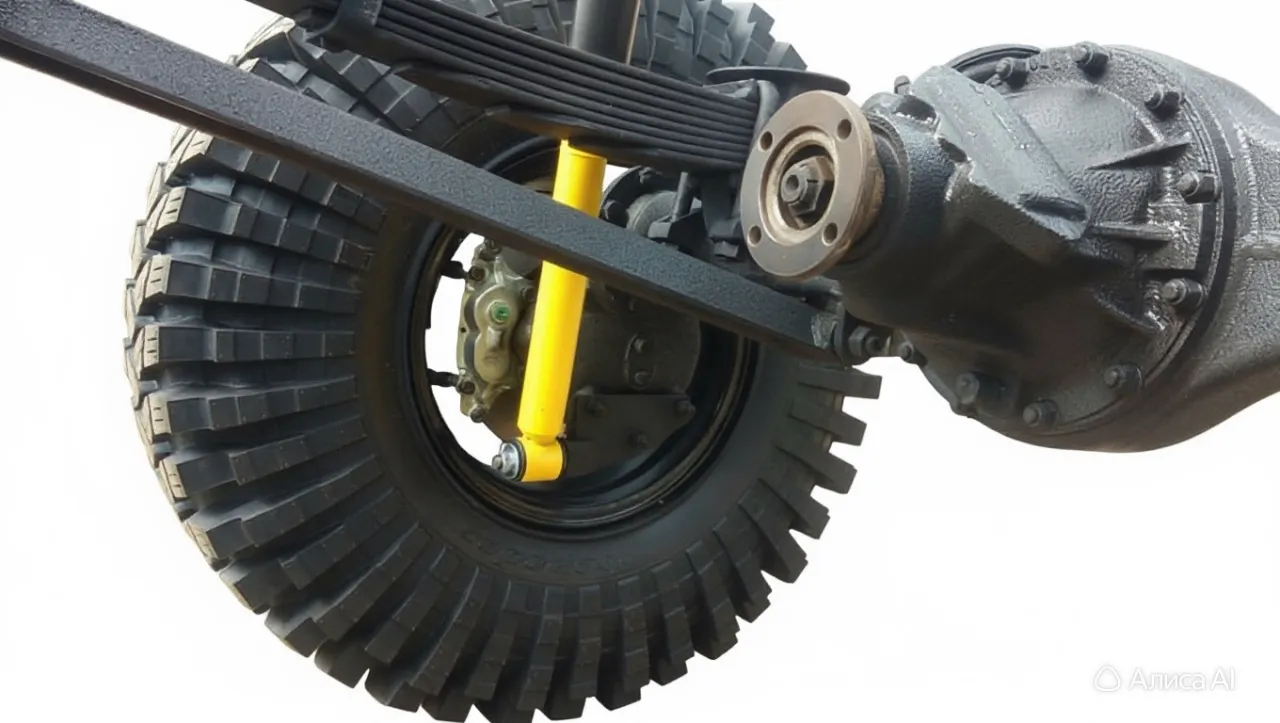
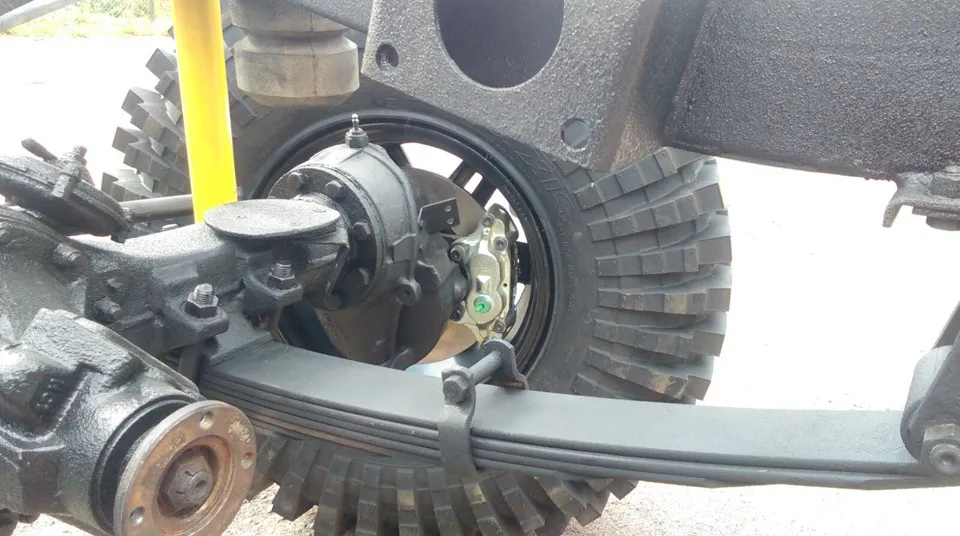

Paradoxically, the very phrase "Laplander bridges" is a linguistic error. The first-generation Laplander had conventional bridges. Portal bridges were introduced on the C303, which wasn't officially called a Laplander. But in the world of off-road culture, the term has stuck.

In conclusion


This aircraft is no longer in service and has lost its epaulettes. The few remaining examples were sold at auction or transferred to the Baltic states in the 90s.

The Volvo C303 isn't a daily driver. It's a dream for an extreme off-roader or collector. Only a diehard would be able to drive it daily: this vehicle is too unique.

But there are few cars in the world that so honestly say, "I am what I am. But believe me, I'm exactly what you need." An engineering masterpiece that has gone down in history and remained etched in the memory of everyone who has ever encountered it. And portal axles that continue to live their own lives, turning ordinary SUVs into true off-road monsters.

And I was lucky enough to meet one of the "Mohicans"...
32 comments
Information
Dear reader, to leave comments on the publication, you must sign in.
  1. +5
    25 July 2026 05: 29
    The UAZ "loaf" entered production in 1958, the Volvo L3314 in 1961, and the C303 in 74. What is Nils Hartelius's genius? It was that he brilliantly replicated Soviet military transport, almost 100%. And how many Volvo L3314s and C303s were produced? Perhaps they stopped production out of shame, or perhaps our own people demanded either a license or a halt to production. And how the "loaf" still saves the country. soldier
    1. +8
      25 July 2026 08: 36
      The Jeep Forward Control (FC-150) appeared in 1956. It's similar to the 450, by the way.
      1. -3
        25 July 2026 12: 40
        Don't stop a jingoistic patriot from masturbating on a loaf of bread. Who knows (and jingoistic patriots certainly know), maybe the Defender was copied from it.
      2. +2
        10 August 2026 12: 40
        By the way, it looks like a 450
        Exactly, they look similar - both have round headlights. laughing
    2. -1
      10 August 2026 11: 15
      What is the genius of Nils Hartelius?
      The fact is that under his leadership many models of excellent all-wheel drive vehicles were created, the development of which was based on 3 main postulates: strength, durability and maintainability
      1. +1
        10 August 2026 12: 00
        Name a couple of his models that conquered the world and are still in production. I'm interested. hi
        1. +1
          10 August 2026 12: 10
          Hartelius wasn't tasked with designing models that would conquer the world. His goal was simpler: designing models that would conquer the Swedish army. And he accomplished this task with flying colors.
          And the fact that the UAZ Buhanter, with a thousand minor modifications, is still being produced by the plant does not mean that it is a brilliant technical design.
          The length of time a model remains in production usually indicates the company's inability to quickly and radically change its model range.
          1. +2
            10 August 2026 12: 22
            As they say in Odessa, "Do you want checkers or should you drive?" We need simple, practical cars like the Bukhanka. I'm glad for Sweden and its army that they have such a talented designer. hi
  2. +4
    25 July 2026 05: 43
    Quote: V.
    What is the genius of Nils Hartelius?
    That he is Swedish wink
  3. +6
    25 July 2026 05: 54
    But don't expect any soundproofing: the three-liter engine, which is actually located in the cabin, makes its presence felt.


    The engine can be silenced using a steel casing with seals.
  4. + 12
    25 July 2026 06: 09
    Quote: V.
    The UAZ "loaf" entered production in 1958, the Volvo L3314 in 1961, and the C303 in 74. What is the genius of Nils Hartelius?

    Indeed, what is its genius, considering the start of production by the Austrians in 1958 of the Steyr Puch Haflinger (layout, chassis, portal axles), and in the 1970s it was replaced by the more familiar Steyr Puch Pinzgauer...
    If I'm not mistaken, the British produced a "trolley" with a similar layout in those years.
    Yappy produces a similar truck with a cabover design based on the Toyota BXD10 (civilian Mega Cruiser).
    1. -4
      25 July 2026 12: 43
      So what is the genius of Lavochkin then?
    2. +1
      27 July 2026 05: 41
      But the Chinese don't have anything like the "loaf," even though they produce something similar to the UAZ.
  5. +3
    25 July 2026 06: 49
    This place is of interest, should there be a knock here?
    1. +2
      25 July 2026 10: 53
      should it knock right there?

      When the rubber crumbles or the bolt becomes loose.
  6. +5
    25 July 2026 09: 21
    It looks a lot like a hybrid of a GAZ 66 and a UAZ loaf. I immediately had that feeling. Because of the front end's Shishiga-like shape.
    1. +1
      25 July 2026 12: 36
      I agree. And something about the Mercedes Unimog. Incidentally, it's very capable; I had a chance to drive it. A diesel engine wouldn't hurt the Swede.
  7. +3
    25 July 2026 10: 36
    Well, if you scale up the LuAZ, it will be no worse.
  8. bar
    +3
    25 July 2026 10: 40
    Interaxle locking is also available.

    Where is the interaxle lock in the Part-Time drive? The article is interesting, but this sentence really offended me. It smells like AI.
  9. +2
    25 July 2026 12: 02
    Quote: ycuce234-san
    But don't expect any soundproofing: the three-liter engine, which is actually located in the cabin, makes its presence felt.


    The engine can be silenced using a steel casing with seals.

    I agree with you, many who have one do the same and integrate a lot of other things, the tachanka is from the 60s)))
  10. +3
    25 July 2026 12: 04
    Quote: marsel1524
    This place is of interest, should there be a knock here?

    Well, as it is, this specimen is in good condition, without any collective farming.
  11. +1
    25 July 2026 12: 05
    Quote: aybolyt678
    It looks a lot like a hybrid of a GAZ 66 and a UAZ loaf. I immediately had that feeling. Because of the front end's Shishiga-like shape.

    I agree with you. The entire history of automotive manufacturing, then and now (especially in China), is a mixture of copy-paste and hybridization.
  12. +1
    25 July 2026 12: 07
    Quote: Lynx2000
    Quote: V.
    The UAZ "loaf" entered production in 1958, the Volvo L3314 in 1961, and the C303 in 74. What is the genius of Nils Hartelius?

    Indeed, what is its genius, considering the start of production by the Austrians in 1958 of the Steyr Puch Haflinger (layout, chassis, portal axles), and in the 1970s it was replaced by the more familiar Steyr Puch Pinzgauer...
    If I'm not mistaken, the British produced a "trolley" with a similar layout in those years.
    Yappy produces a similar truck with a cabover design based on the Toyota BXD10 (civilian Mega Cruiser).

    You're right, all of the above are his contemporaries, each with their own gimmick...there's no genius involved, it's just a word in the title.)))
  13. +3
    25 July 2026 12: 10
    Quote: V.
    The UAZ "loaf" entered production in 1958, the Volvo L3314 in 1961, and the C303 in 74. What is Nils Hartelius's genius? It was that he brilliantly replicated Soviet military transport, almost 100%. And how many Volvo L3314s and C303s were produced? Perhaps they stopped production out of shame, or perhaps our own people demanded either a license or a halt to production. And how the "loaf" still saves the country. soldier

    I agree with you, it's almost a copy, with rare exceptions, I just saw it in person and wanted to write)))
  14. +1
    25 July 2026 12: 59
    Quote: AlexSam
    So what is the genius of Lavochkin then?

    Lavochkin was a talented designer, a pragmatic organizer (in the face of a shortage of "aircraft metal," he insisted on using delta wood), a developer of guided air defense missiles, and the first to use a swept wing in a jet fighter airframe in the USSR.
    The article presents Nils Hartelius's genius in developing the Laplander as a pioneer in the creation of this type of off-road vehicle in terms of its layout, components, and assemblies. I noted that this type of off-road vehicle had already been in production for almost 1,5 years, a point with which the author, who I respect, agreed.
  15. +2
    25 July 2026 17: 27
    The first thought from the photo in the title: LuAZ "loaf".
  16. +1
    25 July 2026 22: 29
    Oh, how our Gazelle or UAZ could really use a 3,2-liter injector engine from a GAZ-51 right now... A ZMZ-406-405-409 would also be a good option, as would stretching the VAZ engines into two cylinders—the 1,7-liter from the Niva and even the 1,8-liter from the Vesta would make a pretty good inline-six engine for the Niva. There's nothing more ideal than a 3-liter inline-six engine for vehicles weighing between 2 and 3,5 tons. For vehicles weighing up to 1,5 tons, an inline-4 is more than enough for 100 hp; for vehicles weighing between 1,5 and 2 tons, a 2-liter, four-cylinder engine is needed. So, we have 1,5 liters for everyday use—just enough to drive like a sledgehammer, 3 liters (6 cylinders) for work, and 8 cylinders (V-4 to 6 liters) for weekend pleasure—either for racing or towing trailers at home or with boats. In the summer, you could actually get a scooter for your daily driver (or a three-wheeled tuk-tuk like the ones in Asia with a 500cc diesel engine... We have one of those in Tula—it's a Niva gearbox with an axle (you can install front suspension with a reduction gear)—and you've got yourself a Muravey that you can't break. The main thing is to make the front steering wheel using the same principle—the Muravey was incredibly maneuverable, and soft too...
  17. +3
    27 July 2026 09: 19
    Quote: Sokolov_Vladimir
    But the Chinese don't have anything like the "loaf," even though they produce something similar to the UAZ.

    The Beijing BJ421, similar to our UAZ-452, was produced since the mid-1970s.
    The layout and design of the all-wheel drive are similar, a rigidly connected half-axle (Part-time). hi
  18. +1
    10 August 2026 10: 37
    The C303's key feature is its portal axles with wheel reduction gears. What does this mean? The wheel's rotation axis is located below the final drive axis.
    The GP does not have a common axis - it is 2 gears, each with its own axis.
    It's easier to say that a portal axle has its axle shafts located above the wheel center. Or, technically, it's a split axle.
    Interaxle locking is also available.
    The car doesn't have an interaxle lock; it has a "part-time" system, like the UAZ.
    Absolutely no overhangs
    Author, you should restrain your imagination. laughing
    under the floor an in-line 6-cylinder gasoline engine is installed between the front seats
    Author - look closely at the photo, the motor is not under the floor.
    Where did you copy the text?
  19. 0
    10 August 2026 10: 48
    Quote: Lynx2000
    Indeed, what is its genius, if we take into account the start of production by the Austrians in 1958 of the Steyr Puch Haflinger (layout, chassis, portal axles),
    I apologize, but the Steyr Puch Haflinger has a chassis design that is exactly different from the C303.
    The only similarity there is in the presence of wheel reducers.
    But they also had the Kuoda model of 1914, but this does not mean that the design of the Kuoda and the S303 is the same.
  20. 0
    11 September 2026 05: 47
    But our loaf has been produced since 1958 until now, and will probably continue to be produced without changes for another 100 years. Why do we need evolution? Damn, it seems like they are simply making fun of us.
  21. 0
    Yesterday, 11: 05
    As a mining engineer, I'm always amused by phrases like "...and you can climb slopes at 60 degrees." :))) That's actually a steep wall. Trust me, as someone who's designed and managed mining operations. This angle is typical for 40-meter-high benches, which are dug by draglines like the ES-10/70.