Maritime control strategy: is it there, is it not there, or will it be there?
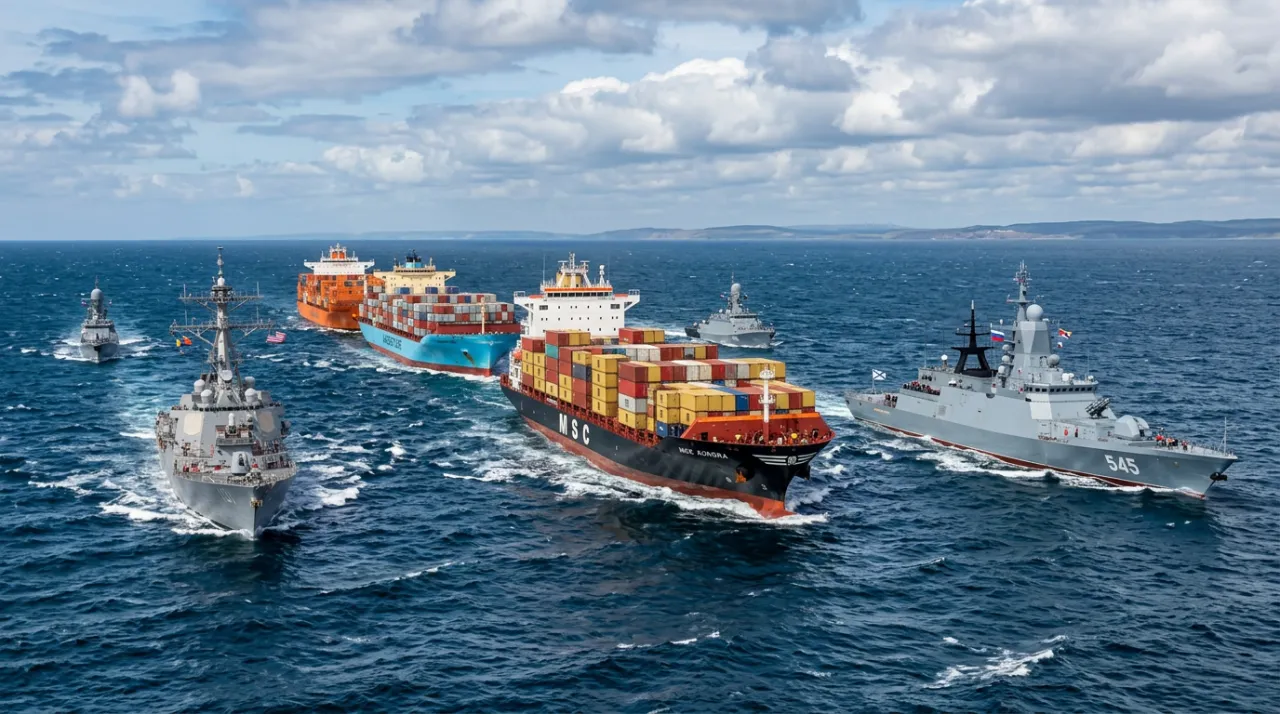
Not since time immemorial, but having more or less mastered the waves, humans have longed to control the seas and oceans. First, naturally, the seas. The Greeks tried to strangle the Trojans, Carthage fought Rome, and things almost reached the point of mutual destruction, Algerian and Phoenician pirates drank the blood of everyone in sight, and the list of examples goes on and on.
For a long time, the primary means of control were the keen eyes of lookouts and, later, the use of telescopes. Optics were the only means of control for quite a long time, and the second effective way to control maritime space was the quantitative composition of ships. fleet.
Yes, the more ships a country had, the greater its ability to control the seas. After all, it wasn't the sea itself that needed to be controlled, but the ships that sailed along specific routes. Specific routes, and for good reason: if anything unexpected happened along the route, they could expect at least some assistance from their fellow ships.
Here's an example: the numerical strength of the Royal Navy of Great Britain as of August 1914:
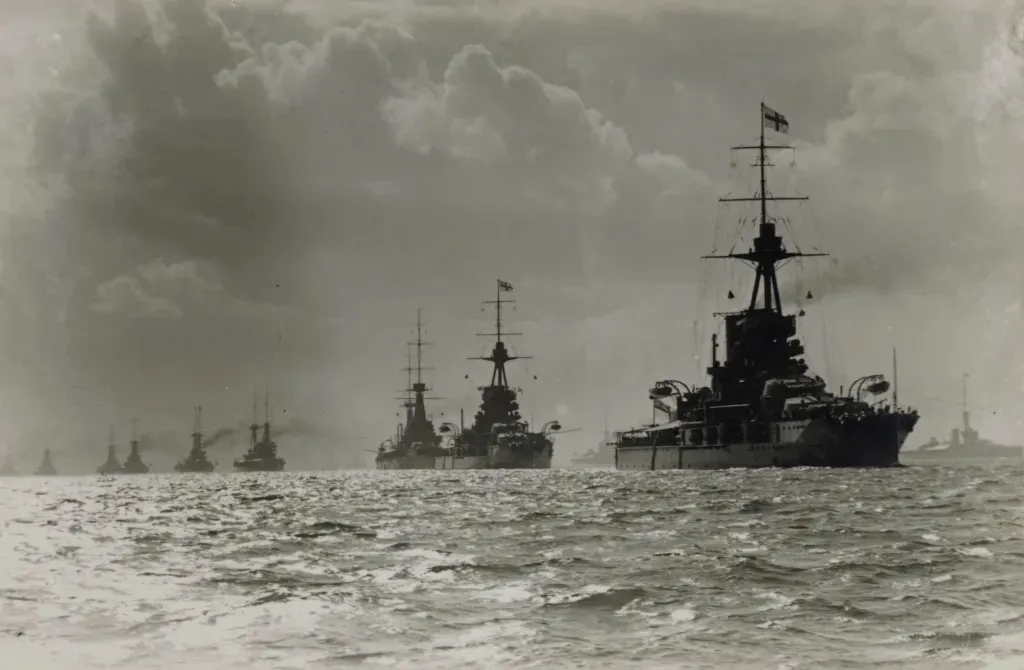
Dreadnought battleships – 22 (+dozens under construction)
Battlecruisers - 9
Squadron battleships (pre-dreadnoughts) - 40
Cruisers of all types - 120-140
Destroyers and torpedo boats - 220
Submarines - 75.
A total of about 500 warships. Now that's an instrument of control. The British Empire strictly protected its trade routes, and the cruiser was its primary tool. This class of ship perfectly met the needs of the colonial administrations of Britain, France, and Holland, because single-handedly it could easily smash the fleet of any presumptuous colony to smithereens and wipe out a capital or a couple of coastal towns with its guns.
There was another interesting class—the aviso. These ships were simply perfect for colonial policy: usually unarmored, with a displacement of up to 1500 tons, armed with two or three guns of up to 150 mm caliber and small-caliber artillery, which had an average speed and range, avisos became very high-quality instruments of colonial policy.
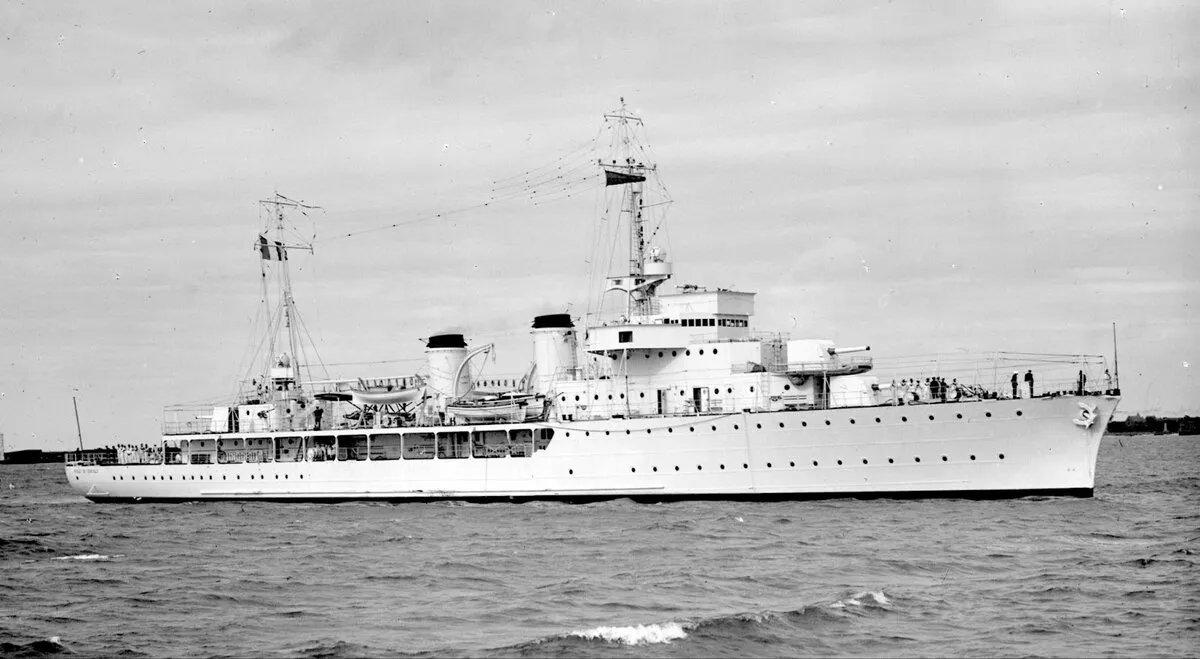
Bougainville-class aviso, France
"Avizo" literally means "notice." Yes, the first ships also served as mail carriers, but by the 19th century, the appearance of an aviso off the coast of an African state could be considered a notice that a cruiser was about to arrive and trouble was imminent. Such ships were well suited to protecting steamships from reckless individuals on various vessels.
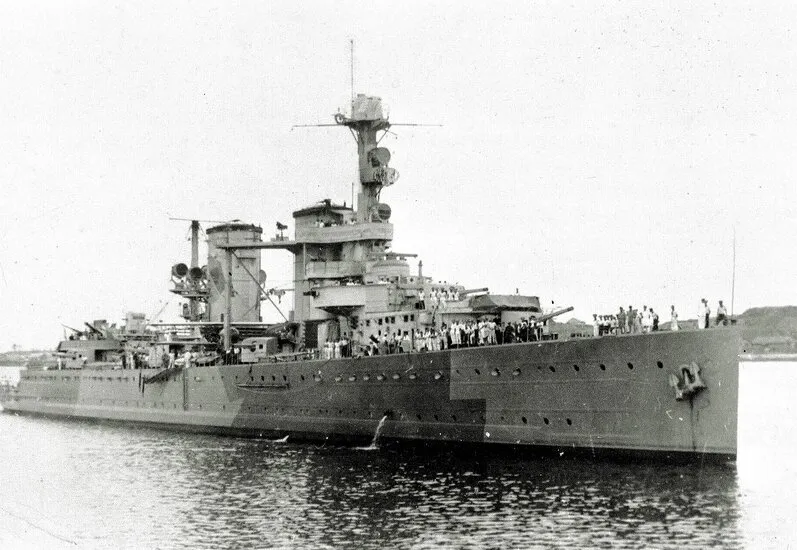
Colonial cruiser Java, Holland
And so it went on for quite a long time, until the mid-20th century, when the colonial system effectively gave up and avisos became unnecessary. And after them, history and battleships with cruisers.
The advent of radar made the world smaller. But even satellite constellations couldn't truly monitor the seas and oceans. The ocean is too vast even for satellite constellations.
But control over maritime space itself has also changed. In recent years, a quiet revolution has occurred in maritime strategy, with navies increasingly expected to exert greater control over an ever-increasing portion of the world's oceans, despite the fact that not all navies are capable of achieving this.
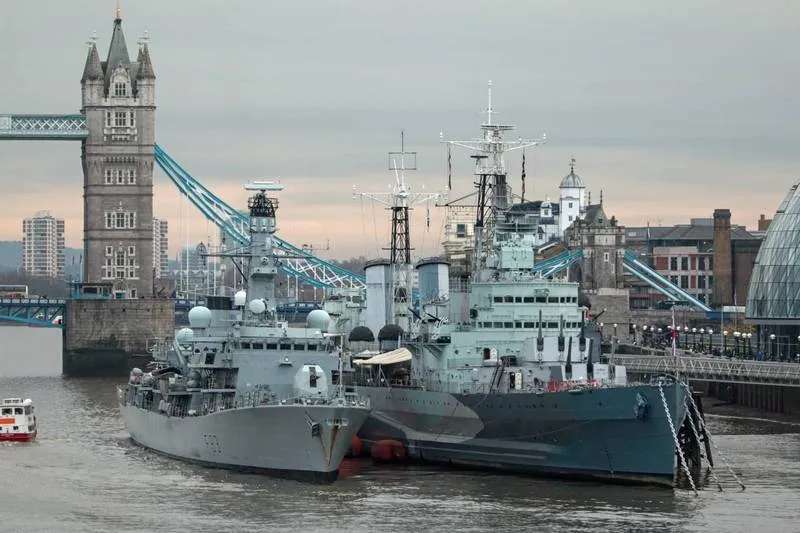
Since we've already discussed the British Navy, which had over 500 ships a hundred years ago, let's compare it with its current composition:
- aircraft carriers – 2 conditionally;
- SSBNs (strategic) – 4;
- MPLATRK (missile-torpedo) – 6;
- destroyers – 6;
- frigates – 10;
- landing ships – 2;
- patrol ships – 8;
- minesweepers – 9.
Considering that the entire British fleet has been undergoing intensive repairs recently, even the idea of sending a single destroyer to the Middle East hasn't even been discussed. The British Navy is incapable of controlling its coastal waters, and even discussing any developments on the other side of the world is simply ridiculous.
And this is the case for virtually every country in the Old World. Indeed, the world is facing its share of challenges, whether it's NATO forces protecting critical maritime infrastructure in the Baltic Sea, Pacific island states needing maritime control to protect against illegal fishing, or Chinese coast guards and naval forces defending disputed territories in the South China Sea—navies around the world are facing serious challenges and are being forced to act in new ways.
Behind all this lies a shift in the way states approach the sea. Today, for many countries, the world's oceans hold great economic significance, as well as value for sovereignty and identity. But the economic component, of course, predominates, as technological progress now allows those unable to obtain resources from the sea to access them on land. This value has generated the need for a new form of maritime control, one radically different from classical maritime strategy.
So what is this then: traditional control of the sea, classic naval strategy?
Sea control is a fundamental concept of traditional maritime strategy, but its application is quite limited. It was assumed that even the most powerful states could achieve this in limited areas and for a limited time. That is, simply by denying any ships access to a certain area. True, such sea control is only possible in wartime, since only then can another state be deprived of sea lanes, ignoring all agreements and obligations, although Iran has demonstrated that it can be achieved without war.
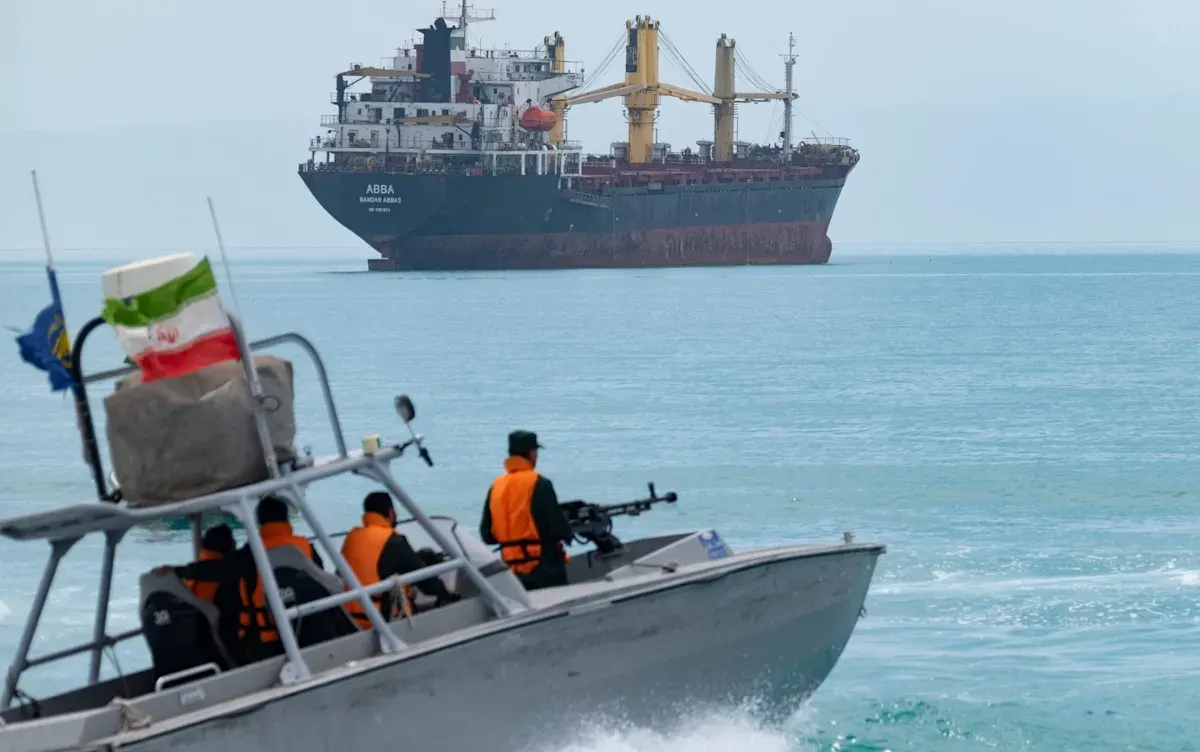
Within the framework of traditional naval strategy, these limitations associated with the concept of sea control were of little importance, as the sea itself had no value, but was viewed as a common good that could not be owned or occupied. The sole purpose of sea control was to facilitate its use or to deprive the enemy of it. According to Sir Julian Corbett, author of Some Principles of Naval Strategy, which remains a classic among naval scholars, "Dominance at sea is only a means to an end. It never has been and never can be an end in itself.".
However, what is happening today in the same Strait of Hormuz does not so much refute what the classics said at the turn of the 19th and 20th centuries, but rather shows that the world has truly changed.
The use of the seas was viewed through the prism of sea lanes, which classical naval strategists understood as ships navigating the surface. Exploiting the seas required only sufficient control to safely navigate a ship through a given section of the ocean at any given time.
The Malta Convoys during World War II are a prime example. The Mediterranean was the scene of intense fighting, and the convoys depended on the British being able to create a "moving bubble" in which they had sufficient control of the sea to provide an acceptable level of protection.
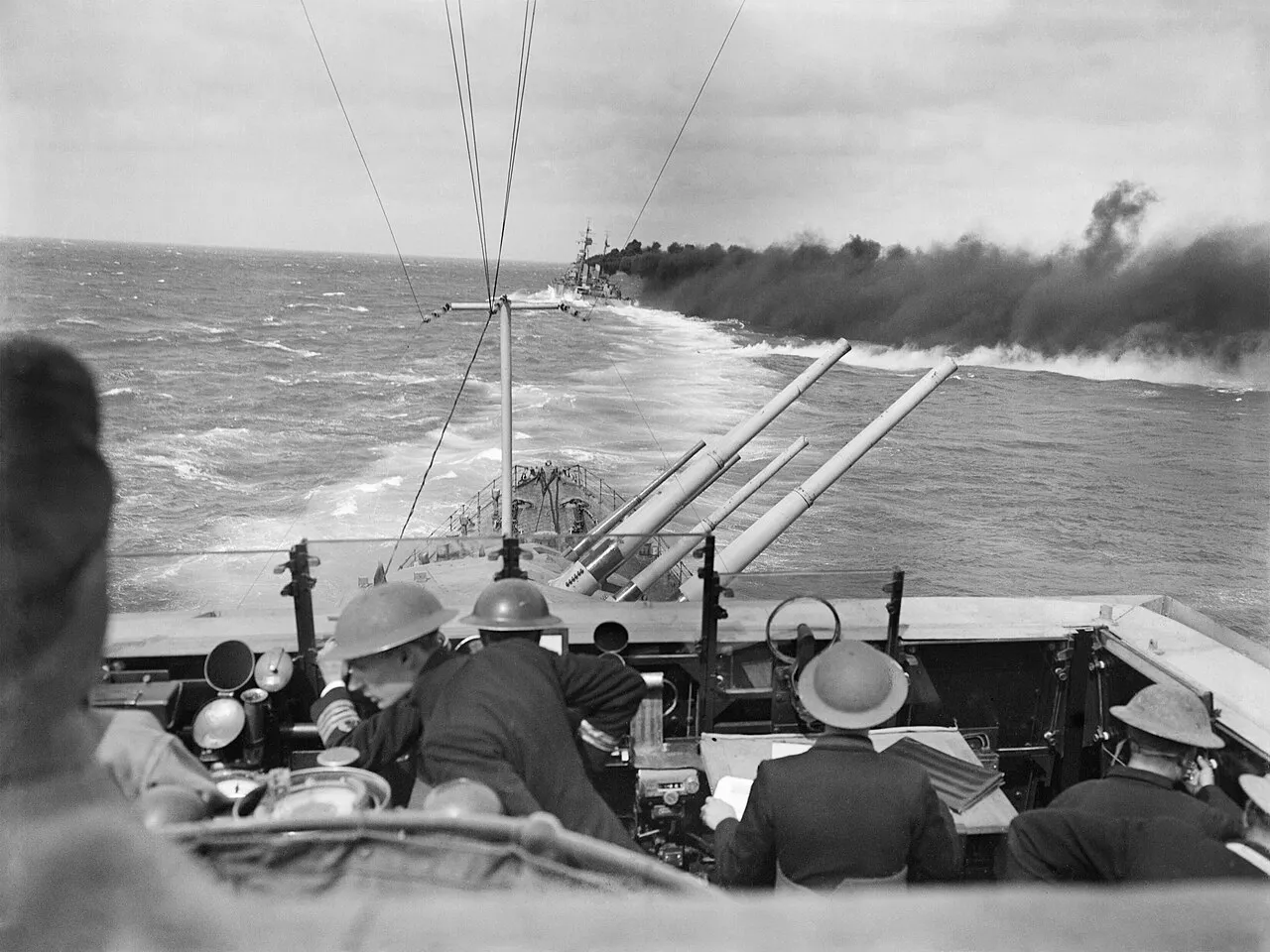
These operations did indeed ensure the delivery of vital supplies, but they required enormous forces and cost both merchant and naval vessels heavy losses.
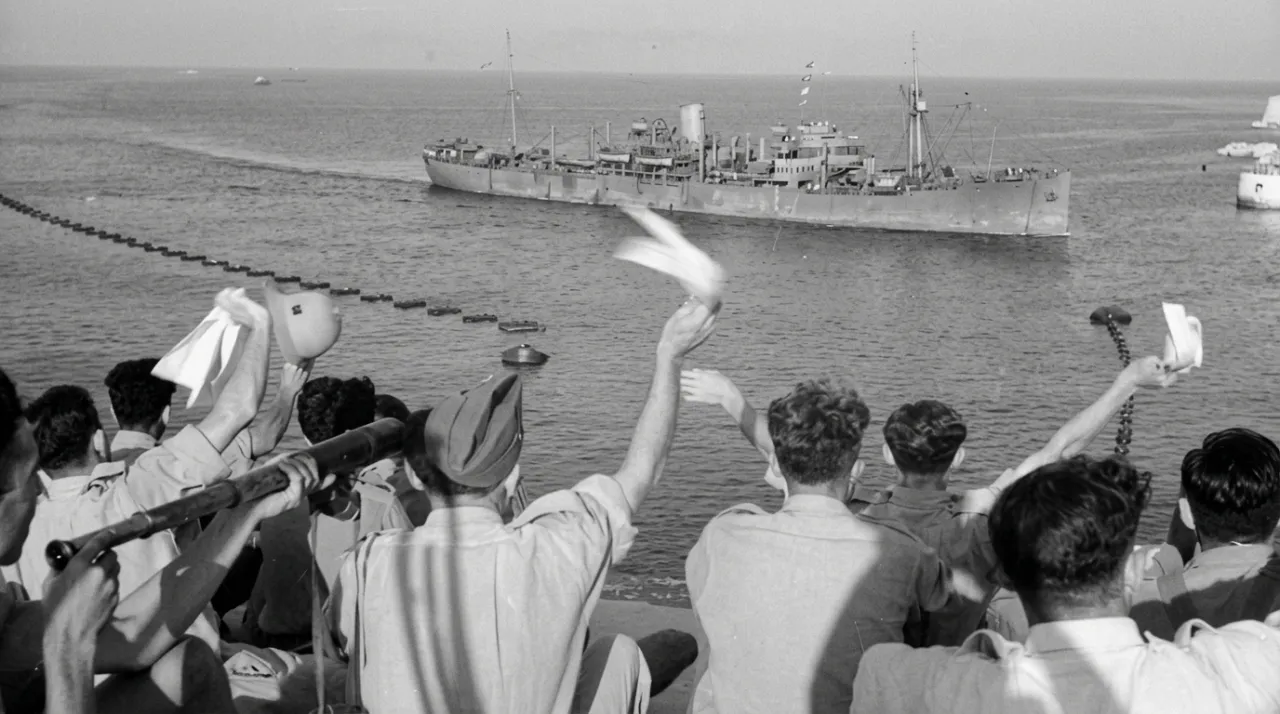
All this was done to ensure temporary and geographically limited control over the sea, and in terms of the intensity of passions, the Mediterranean Sea was perhaps no less intense than the waters of the Pacific Ocean, where a fierce struggle for control of supply routes was also taking place.
The changing value of the seas, when not only the possibilities for fast and safe transportation have become truly valuable, but also previously uninhabited lands, under which and on the shelf around which oil, gas, and rare elements of the periodic table may lie.
Three main trends can be identified that have led to changes in states' attitudes toward maritime space. The most long-standing of these is the process of legal territorialization.
Under the UN Convention on the Law of the Sea, states have gained broader rights, primarily in their exclusive economic zones, extending 200 nautical miles from their shores. With these rights come responsibilities, and states are developing new ways to monitor and regulate activities within this significantly expanded zone. This, in turn, has led to coastal states expected to exercise some degree of control over approximately 40% of the world's seas and oceans in both peacetime and wartime.
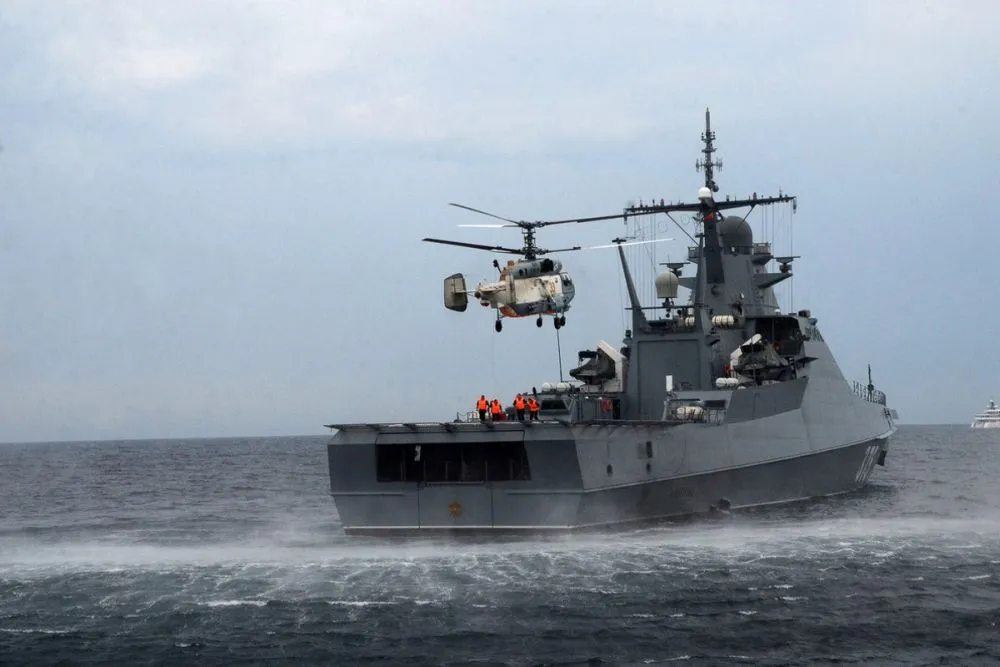
The UN Convention on the Law of the Sea granted states certain rights, primarily related to economic resources, over a much larger territory than previously available. However, states are increasingly interpreting these economic rights as something much closer to actual sovereignty. This extra-legal territorialization is the second trend that is changing states' attitudes toward the sea.
A classic example of this process is the situation in the South China Sea, where China, Vietnam, Indonesia, the Philippines, and other claimant states assert rights that significantly exceed those provided for by the Convention. These include the ability to prohibit others from using maritime space, which underlies the concept of maritime control.
The plaintiff states are interested in preserving or acquiring rights to fish stocks, exploring for and extracting oil and natural gas on the seabed in various parts of the South China Sea, and strategic control over important shipping lanes. Maritime security is also a concern, as ongoing disputes create challenges for shipping. And if the standoff between the parties escalates, it could significantly complicate life for China, which accounts for 80% of its energy imports and 39,5% of its total trade through the South China Sea.
The Paracel Islands, currently occupied by China, are disputed by Taiwan and Vietnam. The Spratly Islands are disputed by all three, with Vietnam claiming the largest number of islands and Taiwan occupying the largest, Taiping Island. Brunei, Malaysia, and the Philippines also lay claim to some of the islands. By the 1970s, the Philippines, Taiwan, and Vietnam had militarily occupied one or more of the Spratly Islands. By 2015, China had established eight military bases and outposts on the islands, Malaysia five, the Philippines eight, Taiwan one, and Vietnam 48.
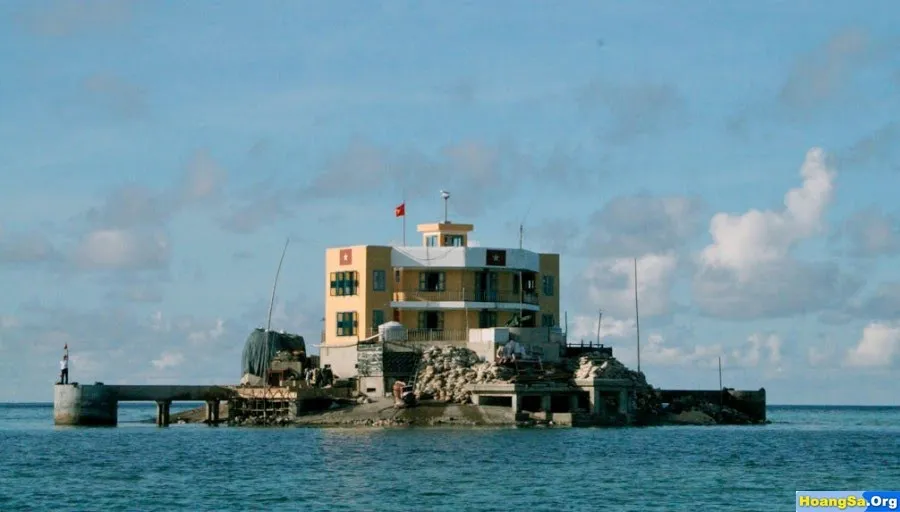
Much of this discussion revolves around the concept of "blue territory" and the language of sovereignty. This rhetoric constantly includes claims that control over vast territories previously considered the common heritage of humanity is crucial to a state's military and economic security. In this context, control of the sea is no longer simply a means to an end, but an end in itself.
It's easy to claim that China or Vietnam are simply acting illegally, but the trend of rethinking exclusive economic zones through the prism of national sovereignty is much broader. Everyone in the world wants "their own and more," and not only has this process begun, it's doubtful it can be stopped.
The notion that exclusive economic zones are national waters has greatly influenced recent discussions about Russia's actions in the seas around Europe, and similar trends are being seen in the Indo-Pacific region with Australia's response to the deployment of two Chinese task forces to the region.
Senior political figures have repeatedly confused the exclusive economic zone with sovereign territory. For example, Australian Senator Bridget McKenzie noted that "the entry of warships into the exclusive economic zone of another sovereign country... is a genuine incident." In other cases, it has been acknowledged that the actions of the People's Liberation Army Navy were technically legal. However, many, including the opposition party's defense spokesman and a former vice minister of defense, have argued that they pose a threat to national security and therefore have no right to be there.
This, of course, echoes China's arguments that freedom of navigation outside its territorial waters undermines national security. Ironically, the second deployment of the task force, in which Chinese ships deliberately skirted the edge of Australia's exclusive economic zone, further underscores the changing perceptions of this part of the world's oceans.
It is important to understand here that the parties will still clash over the fact that the party on the shore will believe that the national zone and the exclusive economic zone are essentially the same thing, while the party at sea will think differently.
The third trend that is changing states' attitudes toward the sea is the recognition of the importance of critical maritime infrastructure. This infrastructure has played a significant role in energy and communications for decades, but in recent years, the importance of undersea data cables and offshore hydrocarbon deposits has increased dramatically. And this is normal; it's part of progress. If an internet cable generates more revenue than a gas well, then we simply need to respect and protect the cable, that's all.
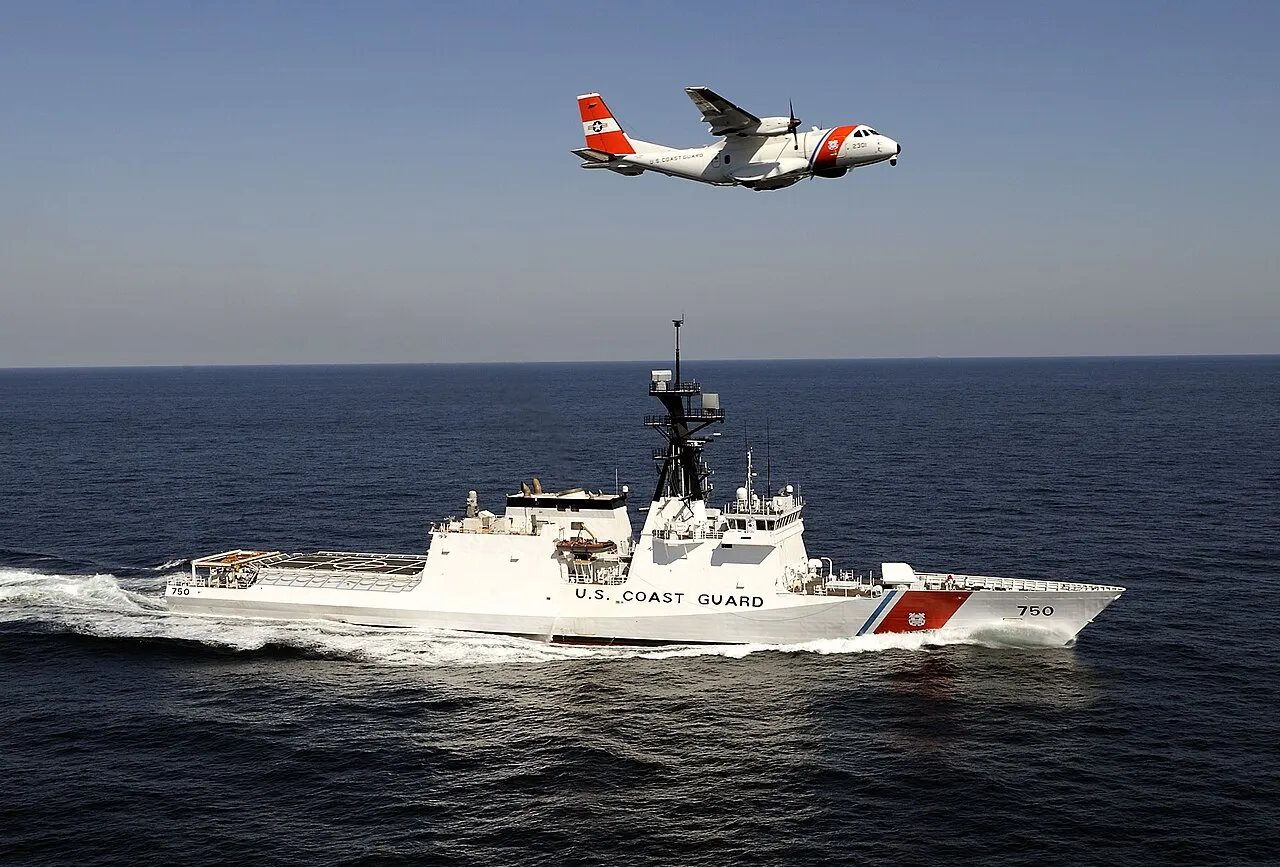
However, a real shift has occurred in perception. Recent attacks on maritime infrastructure in Northern Europe have demonstrated the vulnerability of this infrastructure and how damage to it can seriously impact a country's economic security and the safety of its citizens.
Almost all of this infrastructure is located outside territorial waters, and much of it is located outside the exclusive economic zones of states. Despite this, countries increasingly rely on their armed forces to control the seas through which this infrastructure passes. Indeed, if a handful of terrorist-minded adventurers can sabotage a gas pipeline and deprive several countries of gas supplies, naval security activities could indeed extend beyond the exclusive economic zone. This is a matter of transnational security, and its solutions extend far beyond the limitations of any state's exclusive economic zone.
This global shift in value perception has serious implications for maritime control and naval forces in general. As part of legal territorialization, the policing role of naval forces has significantly expanded.
Australia's exclusive economic zone, for example, is larger than its land territory, and the navy and other maritime law enforcement agencies are expected to be able to maintain law and order within it. However, not all countries can do this. Take Australia, for example, with its navy consisting of three destroyers, eight frigates, six minesweepers, 13 patrol boats, and six submarines.
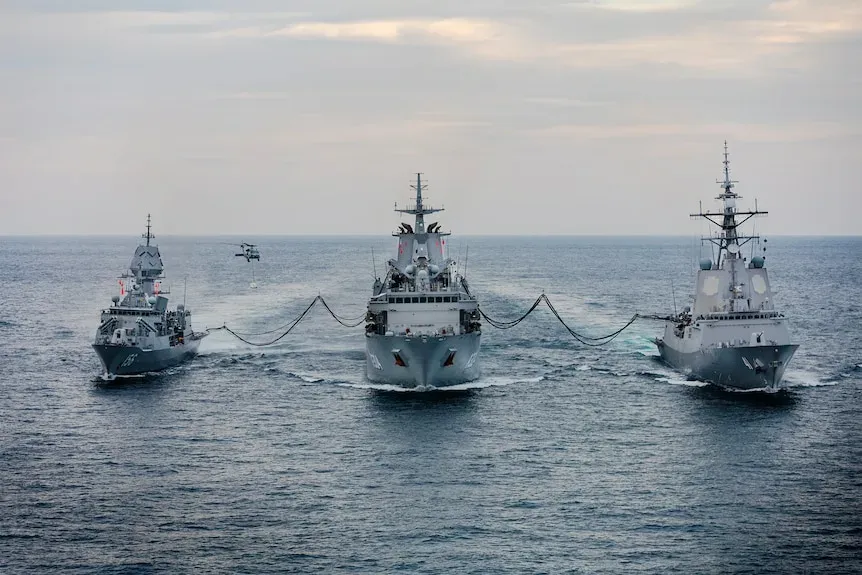
This is sufficient to control the mainland, which in Australia is almost 36,000 kilometers long. However, the islands surrounding them bring this figure to 57,000 kilometers. And if we take the length of the EEZ, the exclusive economic zone, the same 200-mile width, then this line extends to 117,000 kilometers.
And here the question is: can three destroyers and a dozen frigates ensure inviolability?
Alas, the days when ships controlled waters and regions are over. Now, greater emphasis is placed on AWACS aircraft and helicopters, satellites, and reconnaissance drones, which can provide information more quickly and accurately. Ships, meanwhile, will conserve precious resources by performing targeted missions rather than patrolling the waters.
One of the most obvious changes concerns the requirements for information provision. Today, situational awareness in the maritime environment is undoubtedly more important than the presence of battleships a century ago. The more information navies and other law enforcement agencies around the world receive about what's happening over a much larger area, the greater the benefit.
In the process of extralegal territorialization, particular importance is attached to presence as a means of asserting or contesting sovereignty. In East Asia, a trend toward the "occupation" of the seas by coast guards and amphibious units is observed. This new form of control, based on an old formula, "Until a foot soldier sets foot on the ground during a battle, the territory is not considered conquered or liberated from the enemy." over the seas reached its apogee in the development of the concept of permanent presence, be it the Vietnamese Dong C platforms or the construction of artificial islands by China.
For those opposed to excessive pretensions, presence is also a crucial tool. To address the current realities at sea, several countries, including Canada, New Zealand, Japan, and Australia, have significantly expanded the range of missions they assign to their navies by joining new blocs, with the United States naturally playing the leading role.
In recent years, a new concept of maritime control has emerged. This process is driven by the fact that the seas now represent a far greater value for states than was previously understood within traditional concepts of maritime strategy.
This new form of maritime control is distinguished by its permanence, geographic scope, and the fact that it must be exercised in both peacetime and war. In many ways, it more closely resembles land control than traditional notions of maritime control, which is unsurprising given the increased importance of the seas. In recent years, navies have struggled to address the many manifestations of this shift without recognizing its root cause.
Looking at the situation as a whole, one can appreciate the scale of the challenges facing navies. The reality is that the world's oceans remain vast and inhospitable, and naval resources are limited. However, the missions they face have expanded significantly. Addressing this mismatch between requirements and capabilities will be one of the most important challenges of the next decade, requiring changes to the force structure and other critical factors to align them with the changing nature of missions.
The nature of these new capability requirements will vary greatly depending on the country and the strategic importance of the seas. However, the need for enhanced capabilities will be universal.
Navies around the world are increasingly turning to unmanned platforms to address this issue. Experience with unmanned surface and underwater vessels in the Middle East and Europe demonstrates their potential, particularly in persistent surveillance, although some countries have already explored the potential of air and maritime strike drones.
And many countries are rightly placing their bets on unmanned systems. The example of Ukraine and Iran has clearly demonstrated the great potential of unmanned aerial vehicles (UAVs) as weapons systems that minimize human error and, consequently, losses for those operating unmanned systems.
In fact, all or nearly all maritime/oceanic states must recognize that if the value they place on the seas has changed, then their investments in protecting that value must also change. Many regions of the world are already recapitalizing and expanding their navies, but without a clear understanding of the fundamental shifts in maritime strategy. A better understanding of the changing value of the seas and the nature of their control should help navies more clearly and consistently justify these investments to governments and the general public.
The latest standoff between Iran and the US in the Strait of Hormuz, and the Houthi war against the European coalition before that, clearly demonstrated what control over the sea means. More precisely, as mentioned above, control over maritime shipping.
There are few power centers in the world like the Strait of Hormuz: the Bab el-Mandeb, the Suez Canal, the Panama Canal, the Strait of Gibraltar, and the Strait of Malacca. Taking control of any of these chokepoints, followed by restricting or denying passage for any reason, would predictably cause a worldwide outcry, as happened with oil prices when Iran closed the Strait of Hormuz.
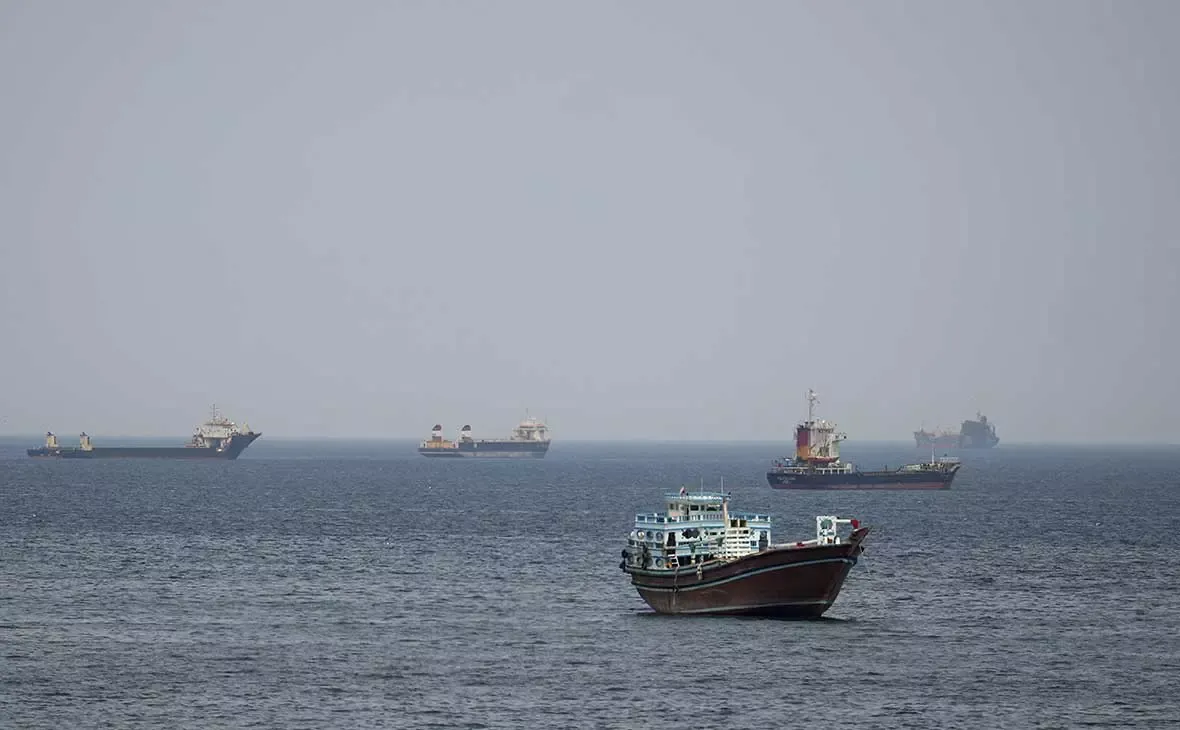
And here it was perfectly demonstrated that a state that does not possess a huge fleet of modern ships and nuclear submarines can easily and freely dictate its terms to half the world.
This is what true control of the sea surface is, and this is how it can exert pressure on the entire world. And it will matter even in less tense areas than the Middle East.
Maritime control can take a wide variety of forms, too numerous to list; it all depends on the imagination of those implementing it. The seas are ceasing to be free, and more and more people around the world are considering extracting ever greater profits from them, meaning that more and more strategies will be developed and tested.
Information