Gripen E vs. F-16: Who Wins?
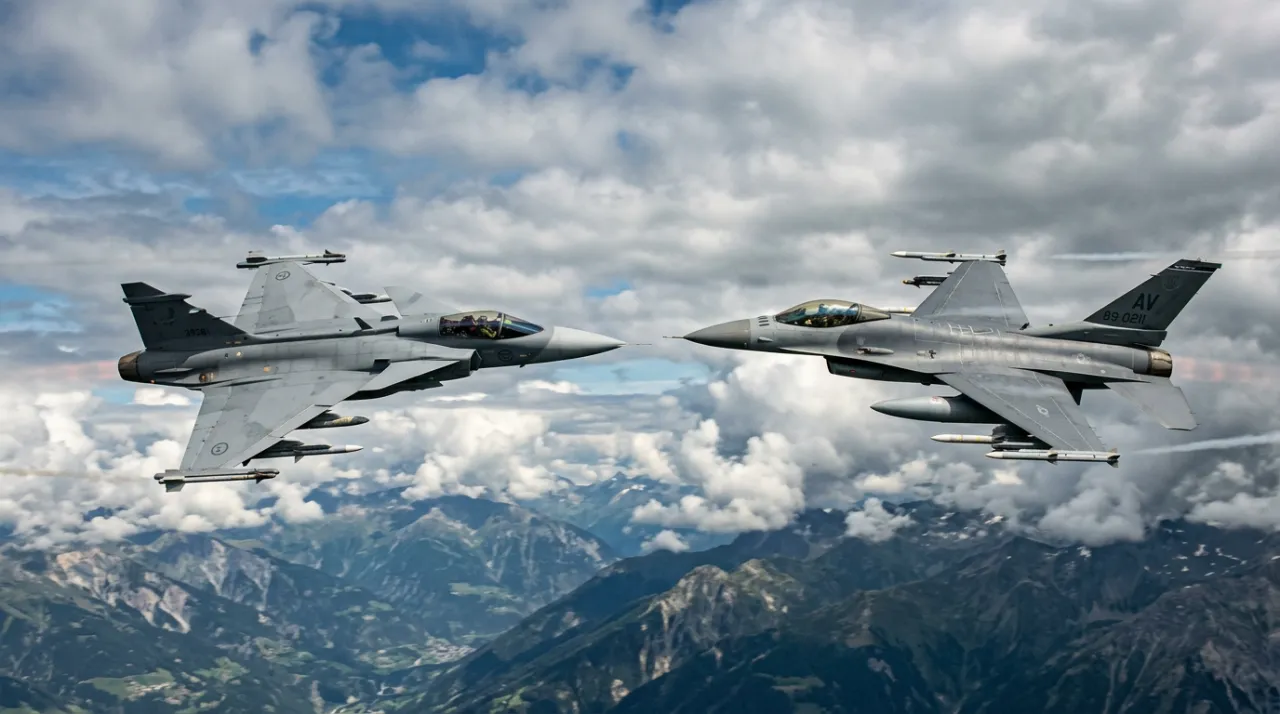
And here's something interesting brewing! And discussions are in full swing. Following reports that Ukraine may attempt to acquire 20 Swedish Saab Gripen E/F fighter jets and is also preparing to receive 16 Swedish Gripen C/Ds, a new debate has erupted about the future of Ukraine's air force.
It's clear that "attempting to acquire" isn't torture; it's worth a shot, but who's going to finance it? Not if it's the eternal Euro-sufferers from Germany—then yes, it's possible. On their own—well, everyone knows that "the Ataman has no gold reserves..."—and then 16 old Gripens of the C/D modification are all Kyiv can hope for.
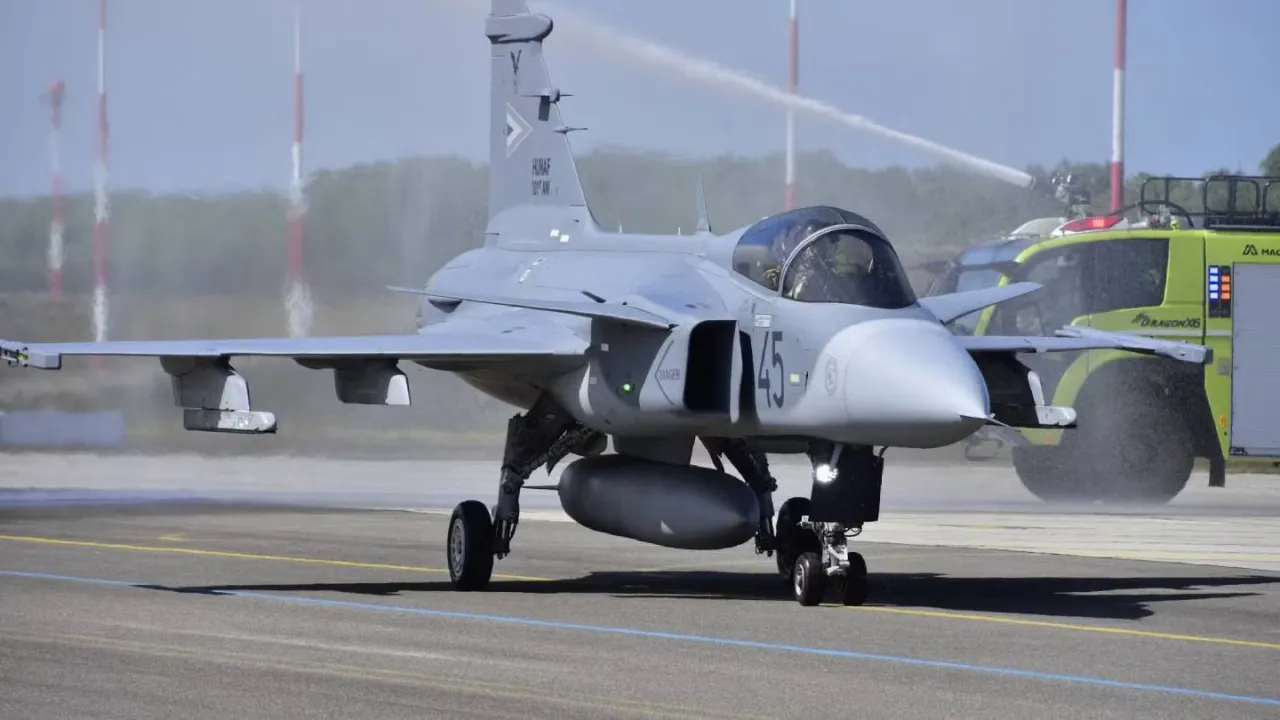
And then there's the question of airfield equipment for Swedish aircraft, pilot training, and so on. But the international debate has begun: why are we any worse? We might also wonder what will happen if Mr. Drug Addict cries out for 36 aircraft, and that's still three squadrons.
While American F-16 Fighting Falcon fighters are becoming the basis for Kyiv's transition to Western combat AviationThe possible arrival of Swedish fighters raises an important tactical question: which aircraft is best suited to survive and fight against the Russian threat that dominates the war in Ukraine?
And from this perspective, yes, it is very important what Kyiv will receive: C/D or E/F, because the difference between these modifications is quite significant.
But the main thing is that, despite their apparent structural similarities, the JAS.39 and the F-16 are different aircraft, with different approaches to combat tactics based on the different military doctrines of the two countries.
Therefore, the comparison goes beyond the aircraft's technical specifications and touches on two different approaches to modern air combat. While the F-16 provides Ukraine with access to NATO's extensive support network, proven weapons integration, and broad interoperability, the Gripen E/F was specifically designed to operate against Russia's powerful air defense, electronic warfare, and missile long-range threats, making it a worthy opponent in prolonged combat operations in contested airspace, but more of a "lone fighter" that operates without the support so typical of the US Air Force.
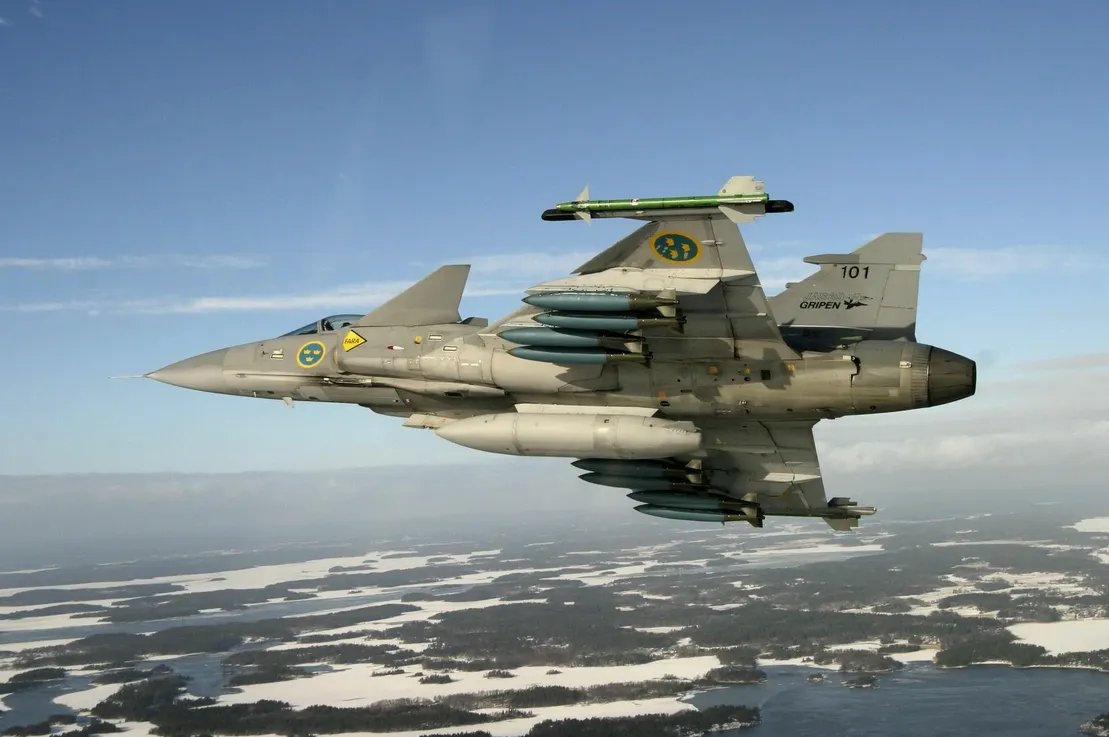
The discussion comes at a critical juncture in the modernization of the Ukrainian Air Force. European-supplied F-16 fighters are gradually entering service, providing capabilities that Ukraine's Soviet-era MiG-29s and Su-27s could not fully utilize. Meanwhile, Sweden's willingness to support Ukraine with Gripen fighters and Saab 340 Erieye airborne early warning and control aircraft has renewed interest in whether Swedish fighters can provide operational advantages, particularly in combat situations against Russia.
Any comparison between the Gripen E/F and the F-16 in Ukrainian service is analytical rather than factual. Neither aircraft has encountered Russian forces under identical operating conditions, and their effectiveness on the battlefield will depend on pilot qualifications, reconnaissance support, electronic warfare systems, airborne early warning systems, weapons availability, maintenance capabilities, and mission planning. And, crucially, what countermeasures Russia will employ against these aircraft.
However, the capabilities of both fighters provide an indication of how they might counter the threats typical of the air war over Ukraine.
At first glance, it might seem like the F-16 has a significant advantage. The Fighting Falcon remains one of the most successful combat aircraft in the world. storiesMore than 4600 of these aircraft have been produced, and they have been in service for decades. The aircraft has an unparalleled support ecosystem, including logistics, training, spare parts supply, modernization programs, and access to the largest inventory of precision-guided missiles to date. weapons.
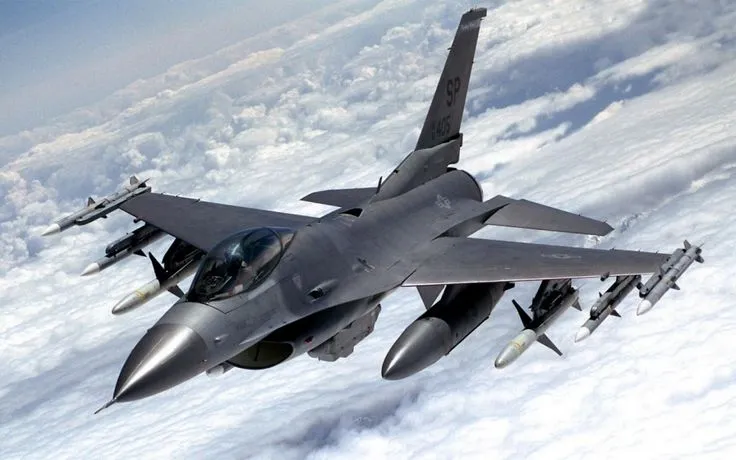
However, the aircraft entering service with Ukraine are not the latest F-16V Block 70/72 fighters. Most of the aircraft supplied by European countries are frankly ancient F-16AM/BMs with the Mid-Life Update upgrade.
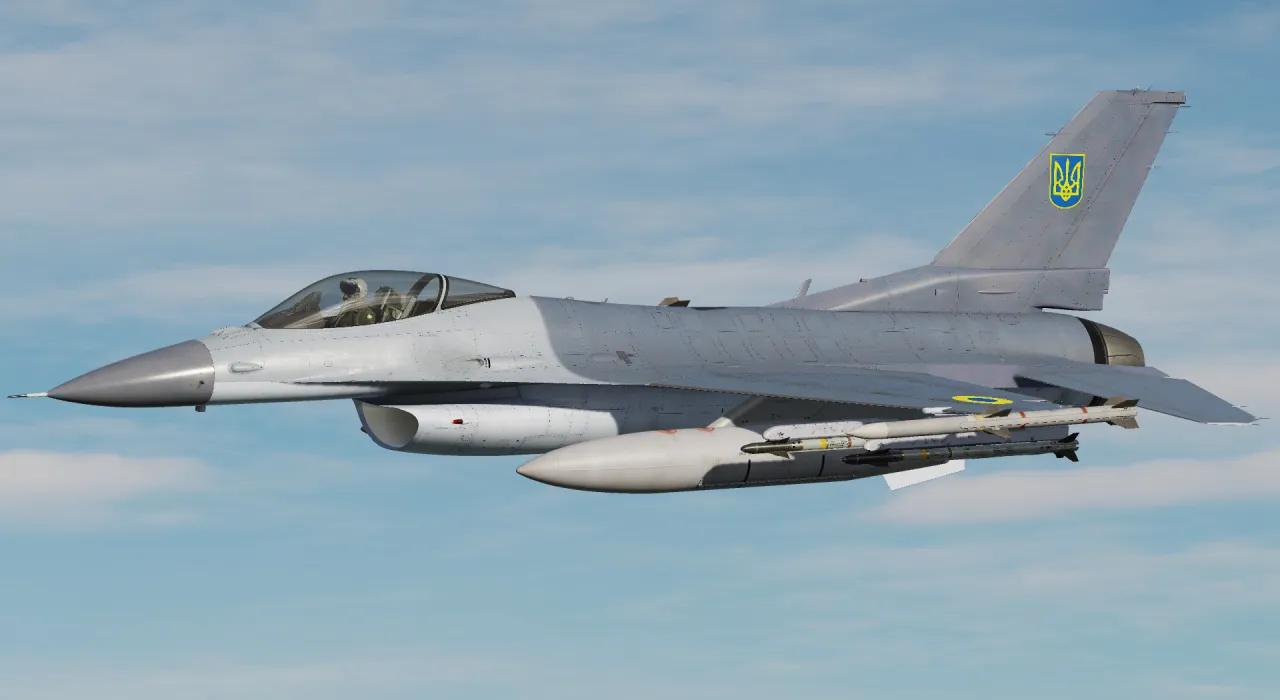
These fighters have undergone significant modifications, transforming them into multi-role aircraft with extensive capabilities, but they still rely on designs and technologies developed during the Cold War. In contrast, the Gripen E is a significantly newer generation fighter, incorporating technologies specifically designed to address many of the challenges Ukraine currently faces.
The differences become clear when examining the aircraft themselves. The F-16AM/BM remains a multirole fighter with respectable performance: a top speed of approximately Mach 2, 11 hardpoints, and a maximum payload capacity of over 7,7 tons. The Gripen E has the same top speed, but has a larger internal fuel tank, a modernized airframe, and a payload capacity of approximately 7,2 tons across 10 hardpoints. Fundamentally, they are very similar, but, as always, there are nuances.
Although the American fighter can carry slightly more ordnance externally, the Swedish aircraft has a larger fuel tank and a longer range. This advantage could prove important in Ukraine, where aircraft often have to operate from remote areas while maintaining sufficient fuel reserves to avoid Russian missiles and conduct extended patrols.
Of course, external tanks can solve the problem, but at the expense of weapons under the wings.
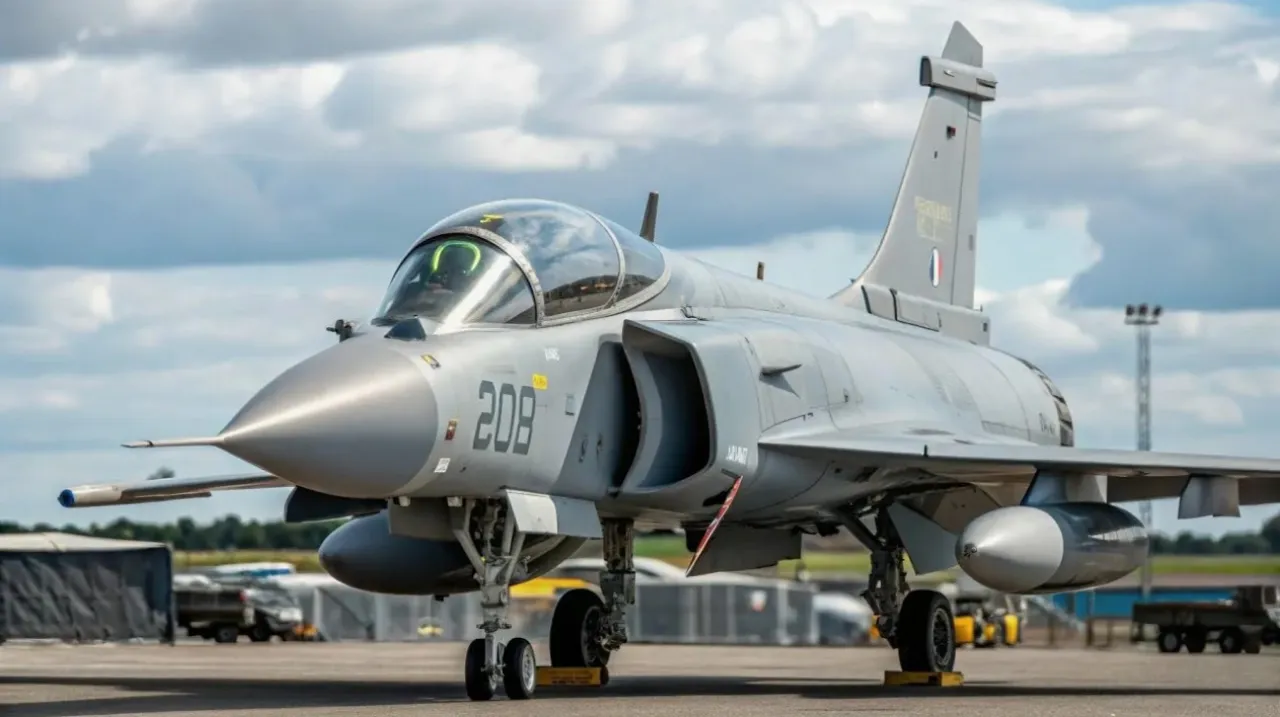
The most significant differences, however, are in the area of sensors and situational awareness.
The Gripen E is equipped with a Leonardo ES-05 Raven active electronically scanned array radar—one of the most advanced fighter radars currently available in Europe. The radar's rotating antenna design provides a wider field of view than conventional fixed AESA systems, allowing pilots to track targets while actively maneuvering. The aircraft is also equipped with a Saab Skyward-G infrared search and track system, which enables passive detection and tracking of airborne targets, eliminating the need to rely solely on radar emissions or in challenging electronic countermeasure environments.
By comparison, Ukrainian F-16AM/BM fighters are primarily equipped with modernized AN/APG-66(V)2 and AN/APG-68 radars. These systems remain effective and have proven themselves in combat, but they do not combine active phased array technology with an integrated infrared search and track system like the Gripen E. This means they are completely outdated. Their reliable operational range does not exceed 150 km, which was quite respectable in the 70s and 80s, but is not entirely reliable today.
This distinction is becoming increasingly important in the intense electromagnetic competition characteristic of the fighting in Ukraine. Russian forces actively employ electronic warfare systems designed to reduce the effectiveness of radars, disrupt communications, and complicate target detection. In such circumstances, passive detection capabilities and advanced sensor integration systems can provide significant operational advantages.
The challenges posed by Russian fighter aircraft further highlight these differences.
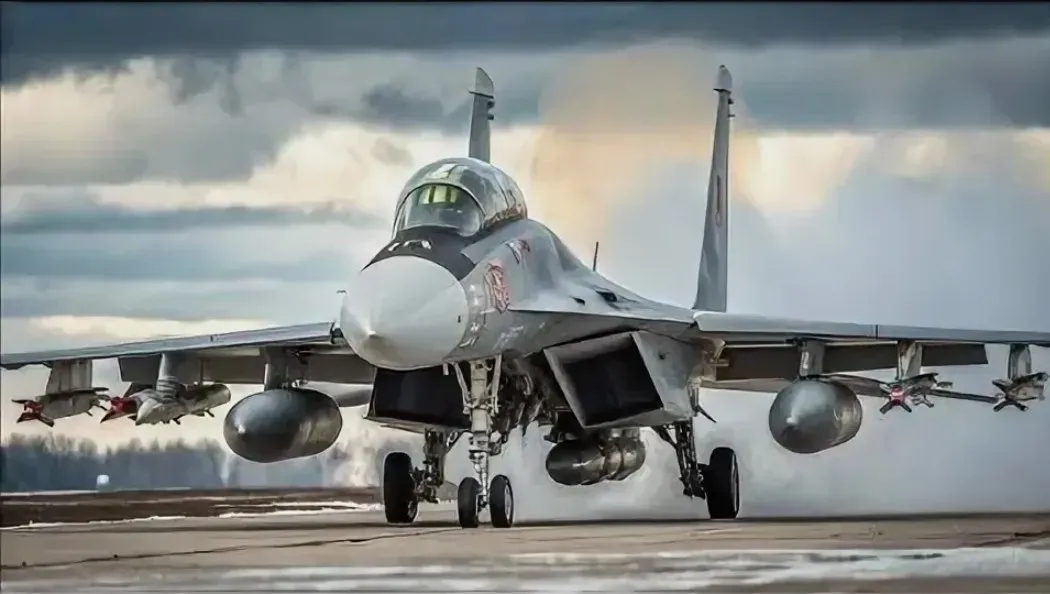
Russian Su-35S fighters regularly patrol near the front lines, carrying modern air-to-air weapons, including the R-77-1 and long-range R-37M missiles. The latter has become one of the most serious threats to Ukrainian aviation due to its ability to strike targets at significant distances. Russian pilots have repeatedly used this weapon and, according to the Ukrainian side, have achieved several victories.
The Gripen E's advanced armament includes the MBDA Meteor missile, considered one of the most powerful beyond-visual-range air-to-air missiles in NATO service. Unlike conventional rocket-powered missiles, the Meteor is powered by a ramjet engine, allowing it to maintain speed for most of its flight and increasing its effectiveness against maneuvering targets at long ranges. However, this comes at the cost of high infrared signature.
The combination of the Gripen E's AESA radar, infrared search and track system, sensor fusion architecture, and the Meteor missile could give Ukrainian pilots the ability to engage Russian fighters at longer ranges than is currently possible with F-16AM/BM aircraft armed with standard variants of the AIM-120 AMRAAM. In theory, of course. Whether this advantage translates into combat results will depend on a variety of operational factors, but it illustrates how the Swedish fighter was designed with modern air threats in mind.
The main threat here is the cost of the latest AIM-120C-7 modification, at $2 million per unit. The Meteor, according to some sources, costs the same, while others put the figure at €2 million. It's highly doubtful that Kyiv will receive these missiles, as even the AIM-120 is imported in very limited quantities, and the modifications date back to the same era as the aircraft, the 80s.
Putting this nuance aside, yes, the AIM-120 missile has many years of operational experience and continues to be modernized. More importantly, older models of this missile have the advantage of large stockpiles in NATO countries and broad compatibility with allied air forces. For Ukraine, this means easier access to weapons, spare parts, training, and operational support.
But let's get back to the planes.
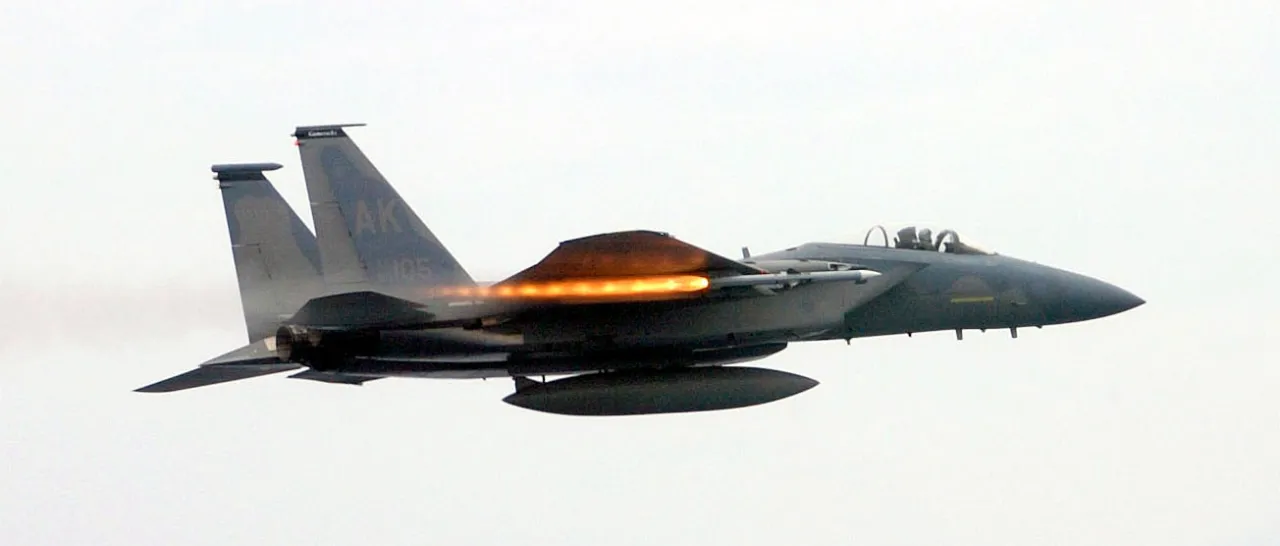
In close-quarters dogfights, the gap between them narrows significantly. Both aircraft can employ modern missiles, including the AIM-9X and IRIS-T, and helmet-mounted targeting systems. In such circumstances, pilot skill, situational awareness, and tactical positioning often prove more important than the aircraft's capabilities.
The comparison becomes even more interesting when we move from air superiority missions to strike operations.
The F-16 remains one of the most versatile strike fighters in Western service thanks to its well-balanced weapons system. If delivered to Kyiv, Ukrainian aircraft could employ JDAM and JDAM-ER precision-guided bombs, AGM-88 HARM anti-radar missiles, GBU-39 small bombs, laser-guided weapons, and numerous NATO-standard munitions already integrated into the aircraft. This theoretically allows Ukrainian pilots to strike Russian command centers, logistics hubs, bridges, ammunition depots, radar stations, and troop concentrations using combat-proven weapons, provided Russian fighters and air defense systems permit such action.
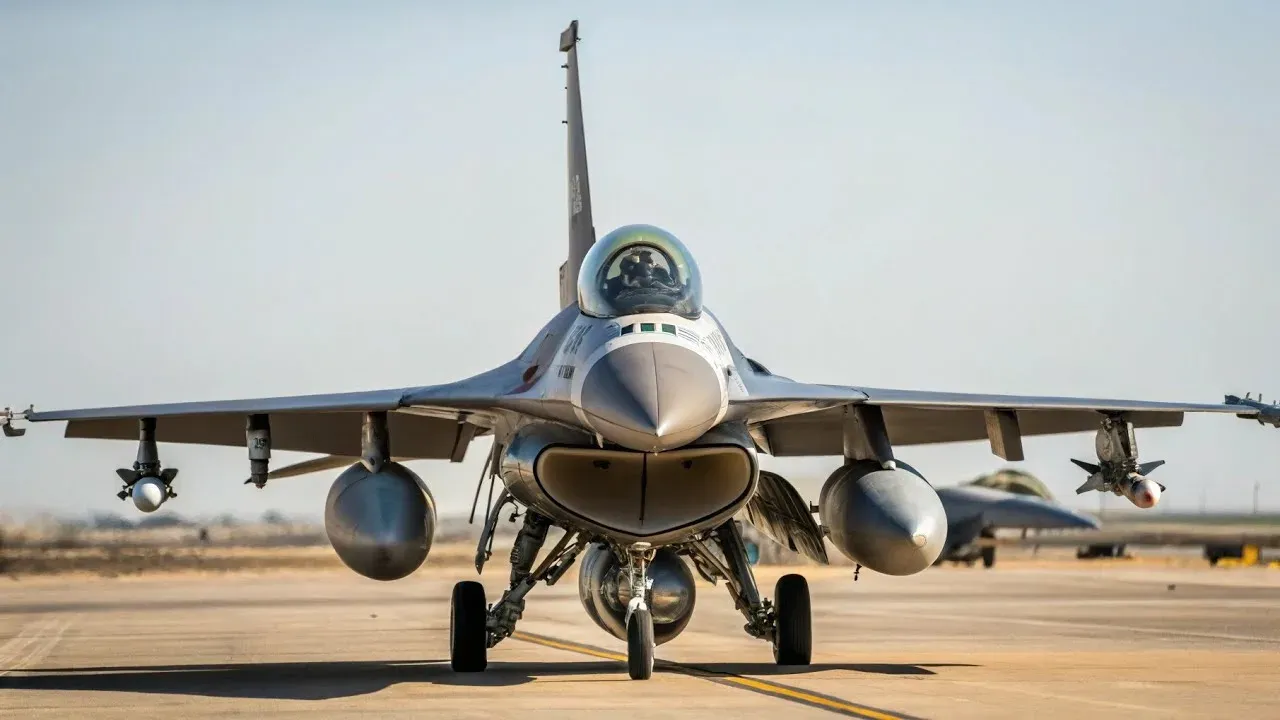
Which, it should be noted, almost never happens. For the F-16 to be used as a strike aircraft in this way, true air superiority and relative safety from Defense enemy. But this is more than difficult in the Russian-Ukrainian conflict, and when discussing the theoretical capabilities of Ukrainian aviation, it's worth emphasizing that there are no prerequisites for its safe and effective operations.
The Gripen E takes a different approach to combat. Saab developed this aircraft based on the concept of precision warfare while maintaining survivability in well-defended airspace. Instead of focusing on the largest possible arsenal of weapons, the fighter relies on sensor fusion, network integration, electronic warfare, and a standoff engagement concept to maximize combat effectiveness and reduce vulnerability to enemy air defenses.
Here again, it is a theory, since the JAS 39 has not yet taken part in any military conflict, representing that part of the European weapons systems that still have a long way to go.
The potential integration of European long-range weapons such as the Taurus KEPD 350 cruise missile could further strengthen this approach, allowing strikes against heavily fortified military installations deep within enemy territory while keeping aircraft away from high-threat air defence zones.
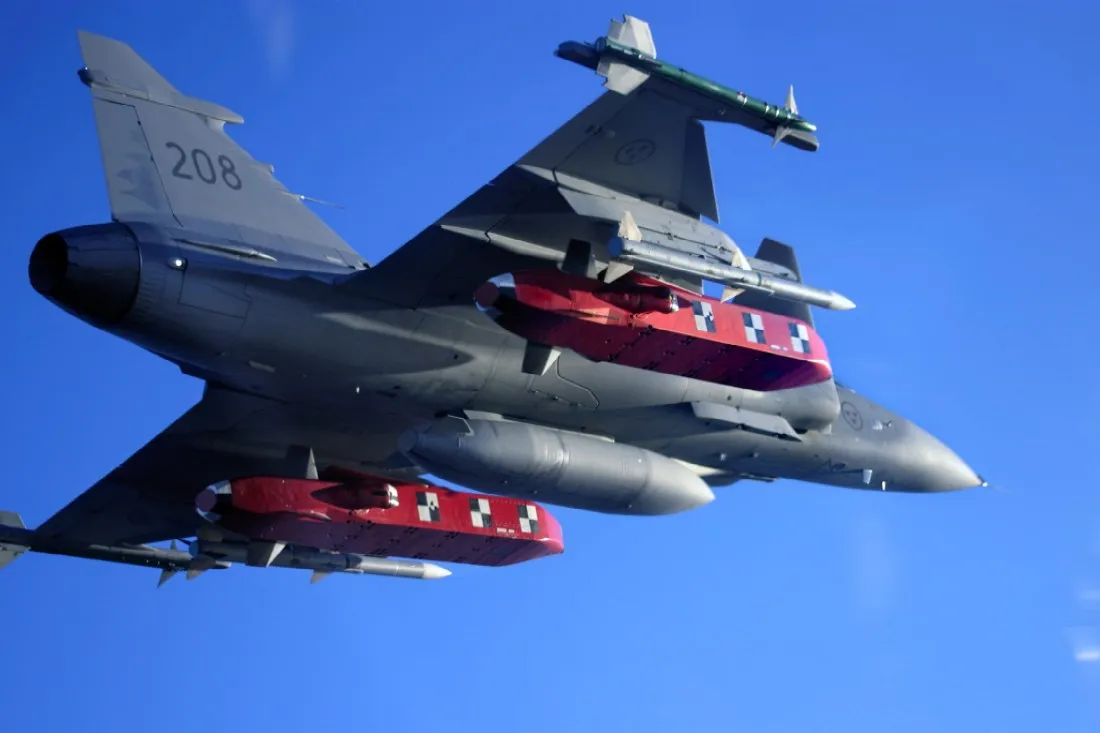
This question becomes especially relevant given Russia's multi-layered air defense system. However, these calculations are also not definitive. Yes, given the Taurus KEPD 350's range of approximately 500 km, it is conceivable that the JAS 39 could launch from beyond the range of Russian S-400 missiles. However, the missile would very quickly enter the range of the SAMs, giving them ample time to neutralize them.
The Russian armed forces employ one of the most extensive integrated air defense systems in the world. The S-400 Triumph is supported by modifications of the S-300, S-350 Vityaz batteries, Buk-M3 medium-range air defense systems, Tor-M2 short-range air defense systems, and Pantsir-S1 anti-aircraft missile and gun systems, each of which can be described as "the best in the world." Or at least one of the best. Additionally, a wide range of electronic warfare systems shouldn't be discounted. Together, these systems form a layered defense extending hundreds of kilometers beyond the front lines.
Neither the Gripen E/F nor the F-16 have been tested for resistance to the Russian S-400 system in wartime conditions. Therefore, assessments of these aircraft's survivability are, again, largely analytical. In practice, success will depend on reconnaissance support, electronic warfare, decoys, long-range weapons, suppression of enemy air defenses, and operational planning, not just the fighters themselves.
However, these two aircraft approach the above task differently.
Comparing the Saab JAS 39 Gripen E and F-16AM/BM Mid-Life Update fighter jets, which are currently in service with Ukraine, is not a very difficult task.
While the F-16 has a comprehensive weapons suite, combat experience and interoperability with other NATO systems, the Gripen E was designed with advanced electronic warfare technologies, dispersed operations, high operational availability and survivability in air-to-air combat conditions in mind.
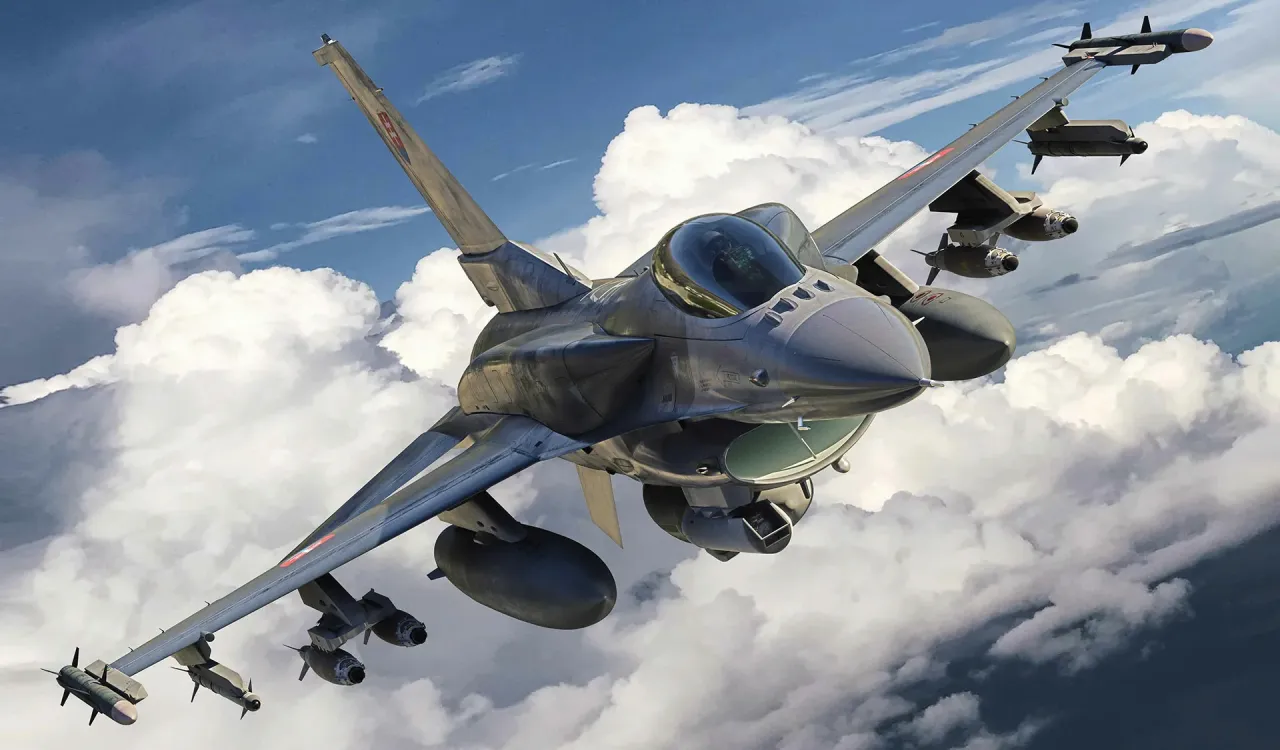
The F-16 has extensive experience suppressing enemy air defenses with the AGM-88 HARM anti-radar missile. By targeting radar stations directly, Ukrainian F-16s can force Russian air defense operators to deactivate their systems to avoid their destruction. This capability is an important tool for degrading enemy air defense systems.
The Gripen E places a strong emphasis on survivability in the face of active enemy resistance. Saab equipped the fighter with an advanced integrated electronic warfare system, which includes radar warning receivers, electronic support systems, active jamming systems, digital threat libraries, decoys, and automated defensive functions. Publicly available information indicates that the aircraft is particularly sensitive to operating in active enemy resistance, although many aspects of the system remain classified.
The war also highlighted another challenge, the importance of which few military forecasters could have imagined before 2022.
Now Russia regularly combines strikes Drones, cruise and ballistic missiles, and glide bombs into coordinated strike systems designed to suppress Ukrainian defenses. Combat aircraft are increasingly being used not only as offensive strike weapons but also as airborne elements of the national air defense system.
The F-16 has already proven its effectiveness in this role. Armed with AIM-9X and AIM-120 missiles, it can intercept cruise missiles and unmanned aerial vehicles before they reach their targets, freeing up expensive Patriot and NASAMS interceptors to engage higher-priority threats.
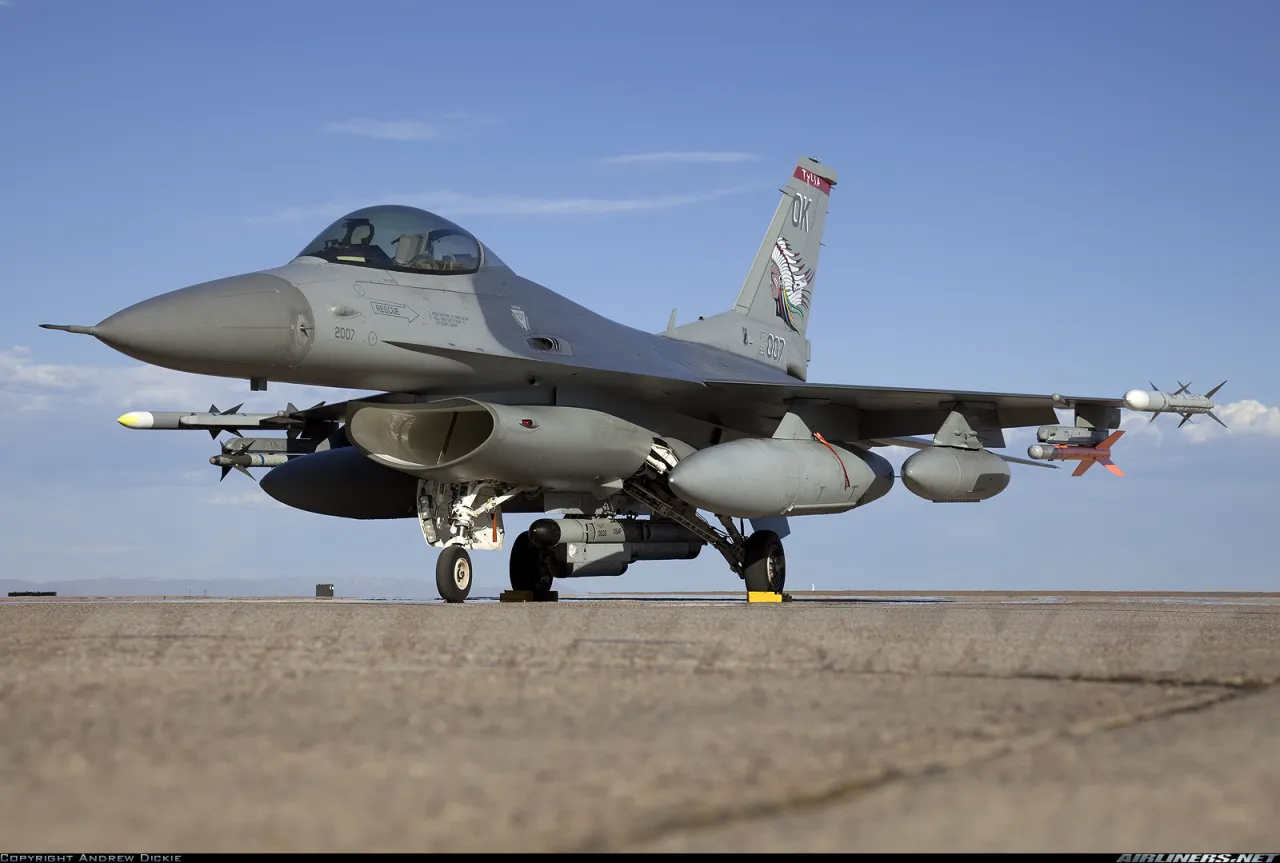
It's worth noting that even "cheaper" air-to-air missiles are very relative: the AIM-9X costs from $600 each, while the AIM-120 costs between $1,2 million and $2 million. So, everything is relative, although a single Patriot SAM launch with a PAC-3 missile costs upwards of $4 million, also the same. Guidance accuracy and pilot experience are key factors, as under certain conditions, even an AIM-120 can be fired within striking distance of a Patriot battery.
The Gripen E could perform similar missions, while boasting enhanced sensor and network capabilities. Its active phased array radar, infrared search and track system, and data link architecture would allow it to function not only as an interceptor but also as an airborne command and control center, similar to our MiG-31BM.
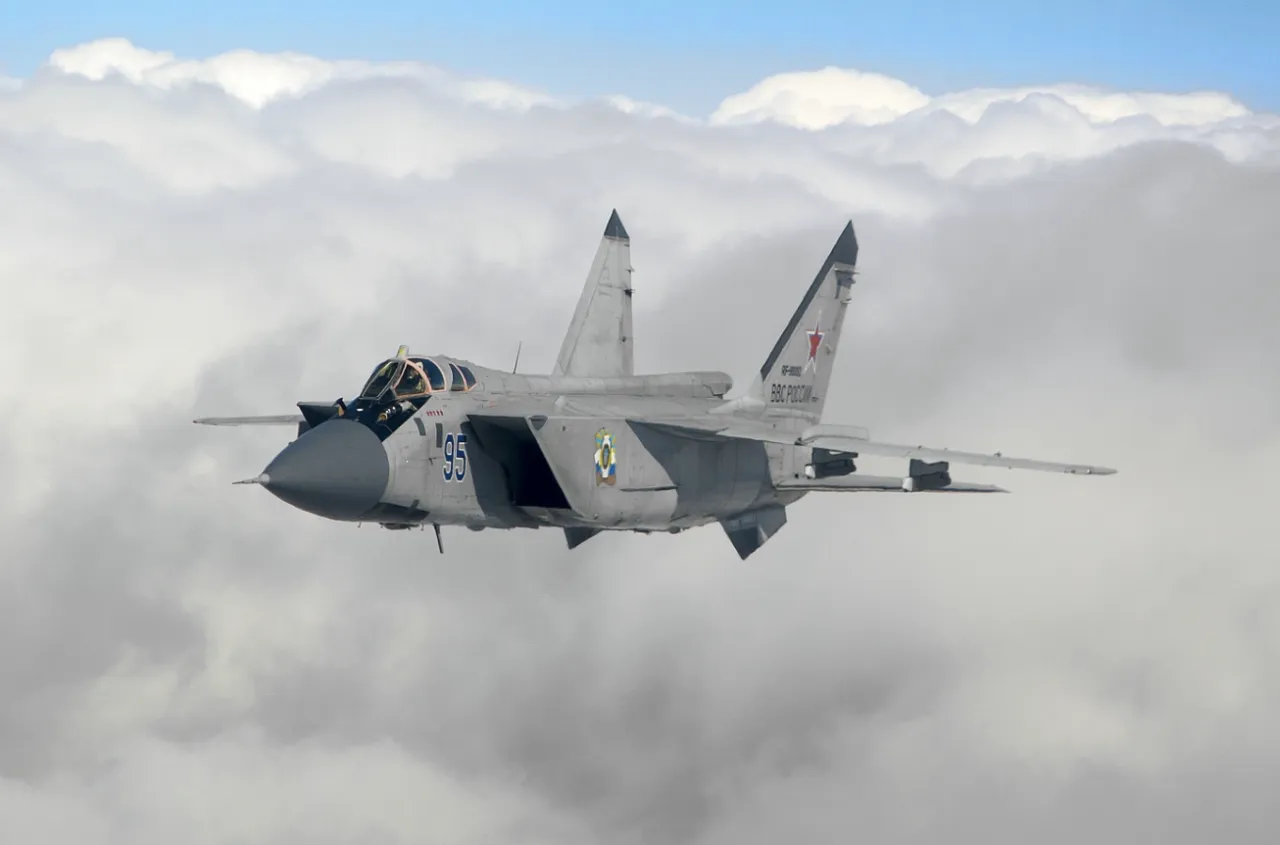
But the MiG-31 is independent, and the Gripen E could be used in combination with the Saab Erieye airborne early warning aircraft, and in this aspect of application, the Gripen fighters could become part of a highly mobile air defense system capable of tracking drones, cruise missiles and aircraft in large areas of Ukrainian airspace and respond to their appearance accordingly.
But perhaps the most important comparison involves neither weapons nor sensors.
It concerns operational sustainability.
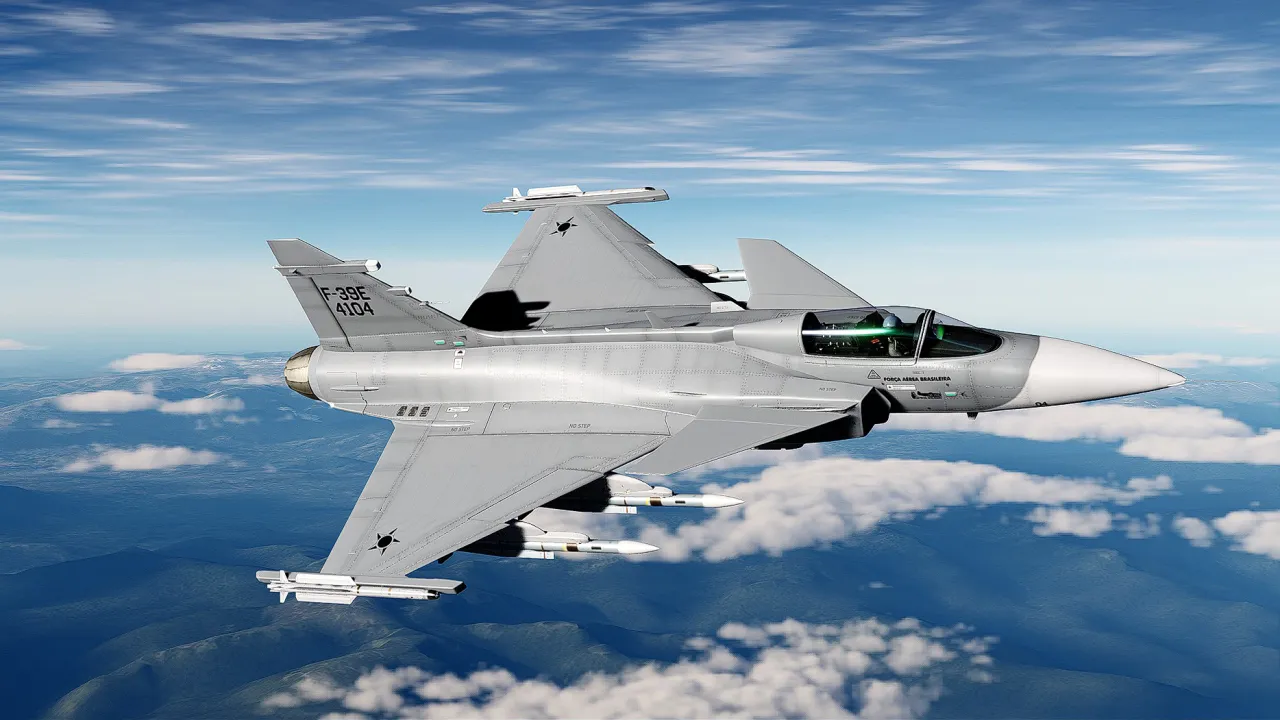
An illustration showing the typical armament configuration of the Saab Gripen E, highlighting the fighter's ability to employ a wide range of air-to-air missiles, precision-guided bombs, anti-ship weapons, long-range strike munitions, reconnaissance pods, and electronic warfare systems. (Image source: SAAB)
The Gripen was initially developed with the expectation that Russian missile strikes would target large airbases in the initial stages of a conflict. Therefore, Swedish designers designed the aircraft with dispersal in mind. The fighters could be hidden in vehicle depots, launched from highways, quickly refueled and rearmed by small repair crews, and then returned to service with minimal infrastructure requirements.
This capability directly addresses one of Ukraine's most pressing problems. Russian ballistic missiles, cruise missiles, and long-range drones regularly strike Ukrainian airfields. Aircraft capable of operating from multiple locations are more difficult to detect, disable, and destroy.
Equally important is the ability to deploy combat personnel. Swedish doctrine emphasizes rapid operations that allow Gripen fighters to be refueled, armed, and returned to service practically in a parking lot.
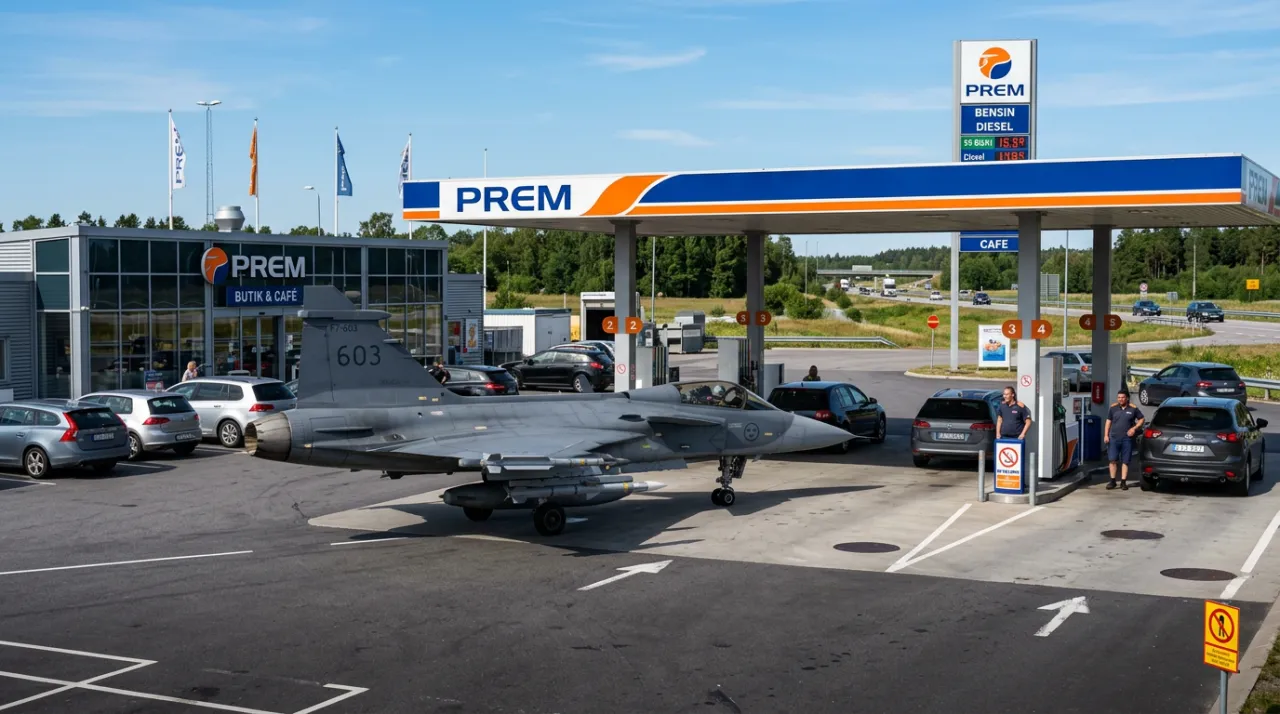
In a conflict where airfields are under constant threat, the ability to continue combat sorties after missile strikes can be as valuable as the advantage of missiles or radars.
The F-16 was not originally designed with this operational concept in mind. While it can operate in harsh environments under certain circumstances, it generally requires a more advanced support and maintenance infrastructure than the Swedish fighter.
Translated into normal language: Sokol needs proper airfields with proper infrastructure. Otherwise, it's useless.
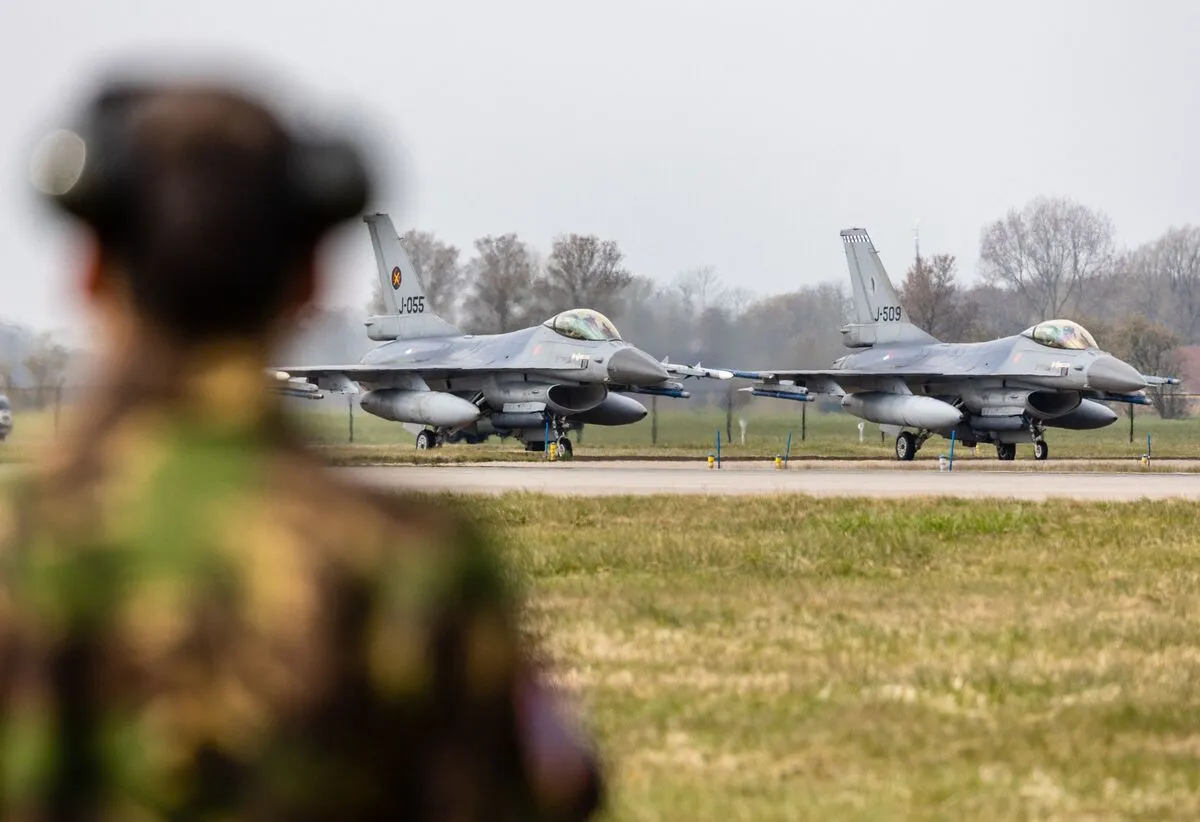
Nevertheless, it has strengths that cannot be ignored. No other Western fighter can boast such a comprehensive support ecosystem. Spare parts, pilot training, maintenance, weapons integration, and upgrade capabilities are available through dozens of operators in allied countries. This gives operators long-term advantages in terms of resilience and compatibility that most competitors lack.
Whether the Gripen E's advantages will prove decisive in combat remains to be seen without practical experience. However, the aircraft was designed to address many of the challenges inherent in modern high-tech warfare, including dispersed operations, survivability in the face of missile threats, electronic warfare, and combat effectiveness in restricted airspace.
Ultimately, the debate isn't simply about comparing two fighters. It touches on the broader question of the future of air warfare. The F-16 is the backbone of NATO's tactical air force, providing unrivaled interoperability, weapons integration, and logistical support. The Gripen E is a new concept built on survivability, resilience, electronic warfare capabilities, and the ability to operate in a persistent threat environment.
As war increasingly becomes a battle of sensors, missiles, electronic warfare systems, drones, and long-range precision strike capabilities, the deciding factor may not be which fighter looks better on paper.
A more important question is which aircraft will be able to continue flying combat sorties after, for example, the first wave of Russian missiles has already struck airfields. Apparently, the Gripen E was designed for precisely this type of warfare.
Some very smart people have already spoken out against the idea that Ukraine won't get the Gripen E. It's expensive. It's unprofitable. Plus, the weapons themselves are incredibly expensive. It's worth agreeing with them, because testing the Gripen on the battlefield for which it was originally designed—in a war with Russia—doesn't require throwing new aircraft into the slaughter. They'll get what they deserve, no matter what.
The worst Gripen C/Ds will be more than enough for testing—yes, those 16 aircraft Sweden planned to transfer. Something will go wrong during pilot retraining, leaving one full-fledged squadron, which will be traded in for the S-400, S-300, Tor, Su-35, Su-57, and so on, as questions about the S-400, S-300, Tor, Su-35, Su-57, and so on are answered.
How many aircraft will it take to answer these questions? It seems that after the fourth F-16 shot down, the brave Ukrainian pilots began to wail in unison that the Sokol is "no good," inferior in every way, and so on.
In fact, this is exactly what we were talking about: forty-year-old aircraft play no significant role in a modern conflict. And so it turned out; the only thing older F-16s are good for is playing the role of air defense fighters and chasing cruise missiles and drones.
Perhaps the Gripen will be more effective, but they will again be tested on older models.
So the answer to the question "Which is better, the Griffin or the Falcon?" is simple: there's no difference in the current situation. While the Gripen might have a slightly better chance of survival than the F-16, that's not a given. Any older aircraft will be doomed in a fight against more modern aircraft and air defense systems.
But it's clear that Saab, as a result of such an experiment as supplying Kyiv with 16 old Griffons, will gain invaluable information that will be used for decades to come. And such a turnaround could, if successful, propel the Swedish aircraft to higher sales levels, albeit at the cost of human losses.
It won't be the Swedes who pay...
Information