"Let There Always Be Sunshine!" Samantha Smith Died in a Plane Crash 40 Years Ago
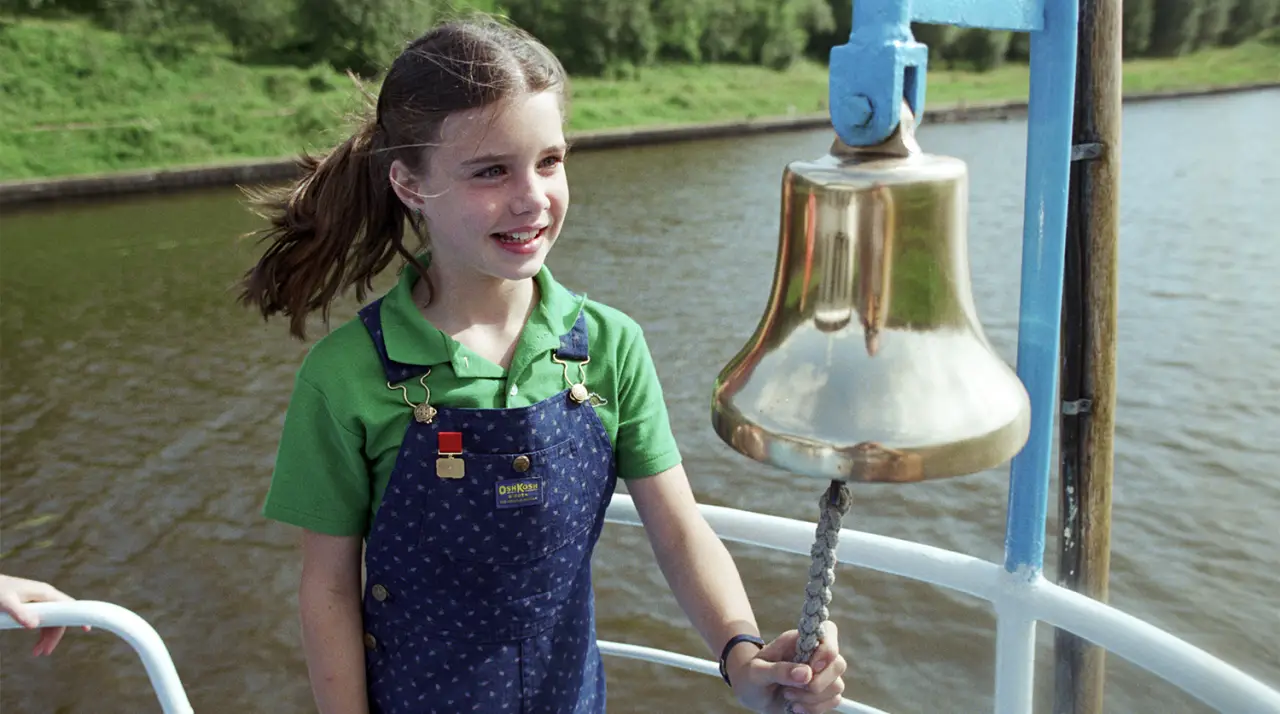
Samantha Smith during a boat ride on the Moscow River, July 1983
40 years ago, Samantha Smith, the “little ambassador of peace” who became famous after her letter to the leader of the USSR, Yuri Andropov, died in a plane crash.
Letter of Peace
Samantha Smith was born on June 29, 1972, in Houlton, Maine. Her father was an English teacher and her mother was a social worker.
The name of ten-year-old Samantha thundered throughout the Soviet Union and the world after she wrote a letter to the leader of the USSR, Chairman of the Presidium of the Supreme Soviet, General Secretary of the Central Committee of the Communist Party Yuri Andropov in the fall of 1982.
She was inspired to do this by an article in Time magazine about the newly installed leader of the USSR. The article said that Andropov could be dangerous for the United States and that a new war could not be ruled out during his rule.
"It was a Sunday afternoon. I was reading a new issue of Time magazine with Andropov's picture on the cover. I said to Samantha how great it would be if he had some new ideas about how America and the Soviet Union could live in peace. I had to find very simple words to explain to her what the Cold War was," Samantha's mother Jane told the BBC Russian Service.
Samantha asked her mother, "If everyone is so afraid of him, why doesn't someone write him a letter and ask him straight out whether he wants war or not?"
And the girl wrote a letter to Andropov: "Dear Mr. Andropov, My name is Samantha Smith. I am ten years old. Congratulations on your new job. I am very worried about a nuclear war between Russia and the United States. Are you going to vote for the war or not? If you are against the war, please tell me how you are going to help prevent the war? You are not obliged to answer my question, of course, but I would like to have an answer. Why do you want to conquer the whole world, or at least our country? God created the world for us to live together and take care of it, not to conquer it. Please, let's do as he wants, and everyone will be happy."
The girl's letter was published in the Soviet newspaper Pravda, but there was no response. Samantha then wrote a second letter, but addressed it to the Soviet ambassador to the United States, Anatoly Dobrynin. She asked if Andropov was going to answer her questions, noting that her age was not important.
Finally, on April 26, 1983, she received a reply from Yuri Andropov. The letter was typed in Russian and accompanied by an English translation. It was dated April 19, 1983.
"It seems to me - I judge from the letter - that you are a brave and honest girl, similar to Becky, Tom Sawyer's girlfriend from the famous book by your compatriot Mark Twain. This book is known and loved very much by all the boys and girls in our country.
You write that you are very concerned about a nuclear war between our two countries. And you ask if we are doing anything to prevent a war from breaking out.
Your question is the most important one that any thinking person could ask. I will answer it seriously and honestly.
Yes, Samantha, we in the Soviet Union are trying to do everything to ensure that there is no war between our countries, so that there is no war on Earth at all. This is what every Soviet person wants. This is what the great founder of our state, Vladimir Lenin, taught us.
Soviet people know well what a terrible and destructive thing war is. 42 years ago, Nazi Germany, which sought to dominate the entire world, attacked our country, burned and destroyed many thousands of our cities and villages, killed millions of Soviet men, women and children.
“In that war, which ended with our victory, we were in alliance with the United States, together we fought for the liberation of many peoples from the Nazi invaders,” wrote Andropov.
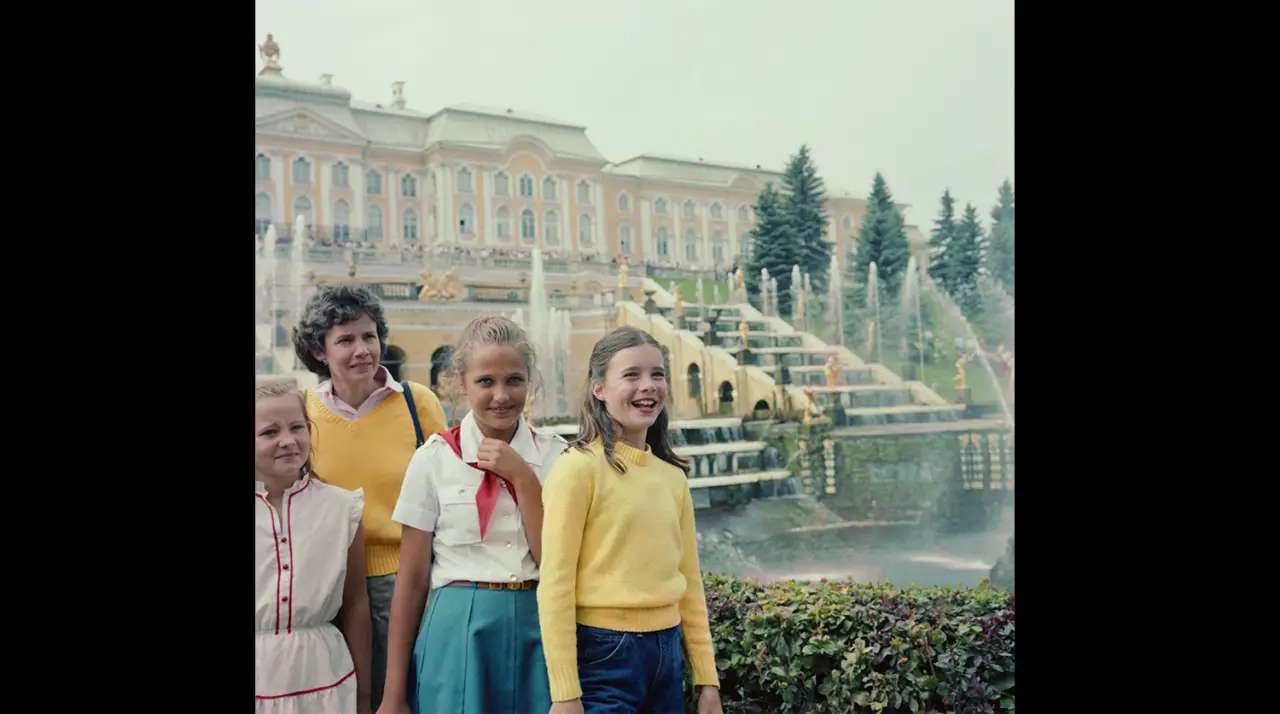
American schoolgirl Samantha Smith, Leningrad schoolgirl Natasha Kashirina and Samantha's mother Jane Smith during a visit to Petrodvorets, July 1983
"Children's Diplomacy"
Andropov invited Samantha to come to the Soviet Union, get to know the country, meet her peers and visit the Artek camp at sea. "And you will see for yourself: in the Soviet Union, everyone is for peace and friendship between peoples," the head of the Soviet Union emphasized.
Samantha accepted the invitation and came to the USSR with her parents in July 1983. During her two-week stay in the country, she visited Moscow, Leningrad and Artek.
In her book, Journey to the Soviet Union, Samantha described her impressions of her arrival at Artek: "When I stepped off the ramp, the pioneers ran up to me with bouquets of flowers. They chanted, "Samantha! Samantha!" And they pronounced my name in their own way. It was fun with them, the laughter never died down for a second."
In Artek itself, Samantha was greeted according to Russian custom - with bread and salt, the dancing girls performed a number for the guest, and the camp was filled with an atmosphere of universal joy. Later, she said that the days spent in the children's camp were some of the brightest and most eventful in her life. The girl participated in all of Artek's events together with other children, for example, in the Neptune festival.
Samantha wore a pioneer uniform with a white and blue tie, learned the songs “Let There Always Be Sunshine” and “Soul of a Sailor”, went on an excursion to the Livadia Palace and sent a message in a bottle to sea.
In the Soviet capital, she was given a tour of the Kremlin. She laid flowers at the burial place of Yuri Gagarin and the Tomb of the Unknown Soldier, visited Lenin's Mausoleum, attended a performance at the Bolshoi Theater and a show at the Moscow Circus.
In Leningrad, she met children at the Palace of Pioneers and visited the opera and ballet theater. She was told about the blockade of the city during World War II and shown Tanya Savicheva's diary. She also went to Peterhof.
The seriously ill Andropov was unable to meet Samantha, but they spoke on the phone. The head of the USSR gave her a photo album about her journey around the country.
It was after these events that the expression "children's diplomacy" appeared. This visit was widely covered by the Soviet and American press, so Samantha is often said to have opened the "iron curtain". As Samantha's mother later said, even if the states tried to use her daughter in the information war, the peoples of both states only benefited from it.
"Thanks to Samantha's trip, Soviet children were shown playing on television in the United States for the first time. Before that, we were shown nothing but parades with tanks and soldiers. And the Soviet people saw for the first time that Americans also had families,” Jane noted.
Samantha herself believed that her mission was peace and friendship between children; children from all over the world, especially from the Soviet Union, wrote to her. In one of her last letters to the USA-USSR Society, Samantha noted: "I met many interesting and kind people who made me look at the world in a new way. I was truly happy and will never forget the friendly warmth of the letters I received from children from all over the world.
Sometimes reading these letters seems even more exciting than the trip itself. But there are so many of them, and I cannot answer them all. I apologize for this and thank you for all your wonderful letters, which are very dear to me.
In my opinion, people of our countries should engage in sports, science, art together – then we will always believe that peace is possible. Let there always be sun! Let there always be sky!"
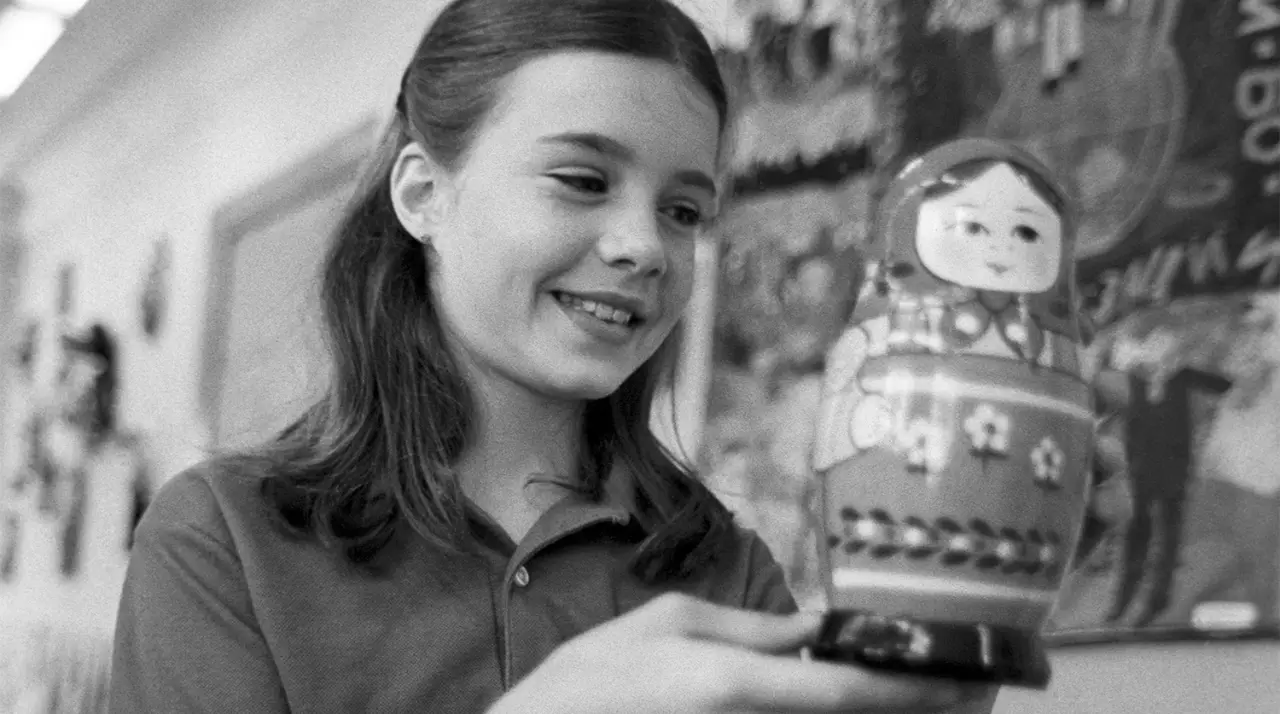
Samantha Smith with a Russian nesting doll, a gift from the toy museum in Sergiev Posad (Zagorsk), July 1983
Death
After returning from the USSR, Samantha began to be invited to various television projects.
On August 25, 1985, she was flying home with her father, Arthur, after filming the television series Lime Street in London. They were flying on a small twin-engine Beechcraft 99 passenger plane operated by Bar Harbor Airlines from Boston to Bangor, Maine, with stops in Auburn, Waterville and Augusta.
The flight took place in adverse weather conditions and at night. When the plane was approaching the Auburn-Lewiston airport, it collided with trees and burned 1 km from the end of the runway.
Both pilots and six passengers, including Samantha and Arthur Smith, were killed.
The plane was not equipped with an on-board tape recorder or a black box. The Soviet media put forward a version that the emergency could have been connected with Samantha's international peacekeeping activities, and that the CIA could have organized the disaster.
According to the crash investigation report released on September 30, 1986, by the US National Transportation Safety Board, the probable cause of the accident was the actions of the pilot, who lowered the plane below the landing glide path and did not go around. The situation was aggravated by a malfunction in the ground radar.
Samantha's mother blamed Bar Harbor Airlines for the deaths of her loved ones. The dispute was settled out of court, and the airline paid monetary compensation.
The plane crash that killed the "little ambassador of peace" became a landmark (symbolic) event. The Soviet civilization, the advanced civilization of humanity, the "solar" civilization, turned onto a disastrous path that ended in a catastrophe that killed millions of people.
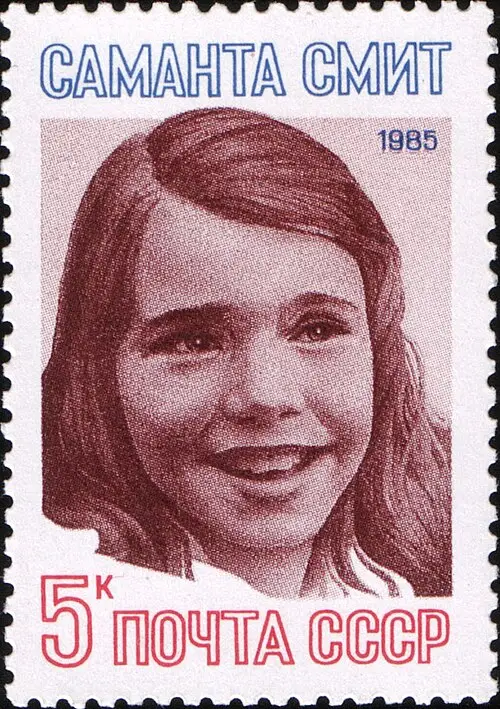
A postage stamp issued in December 1985 in memory of American schoolgirl Samantha Smith
Information